


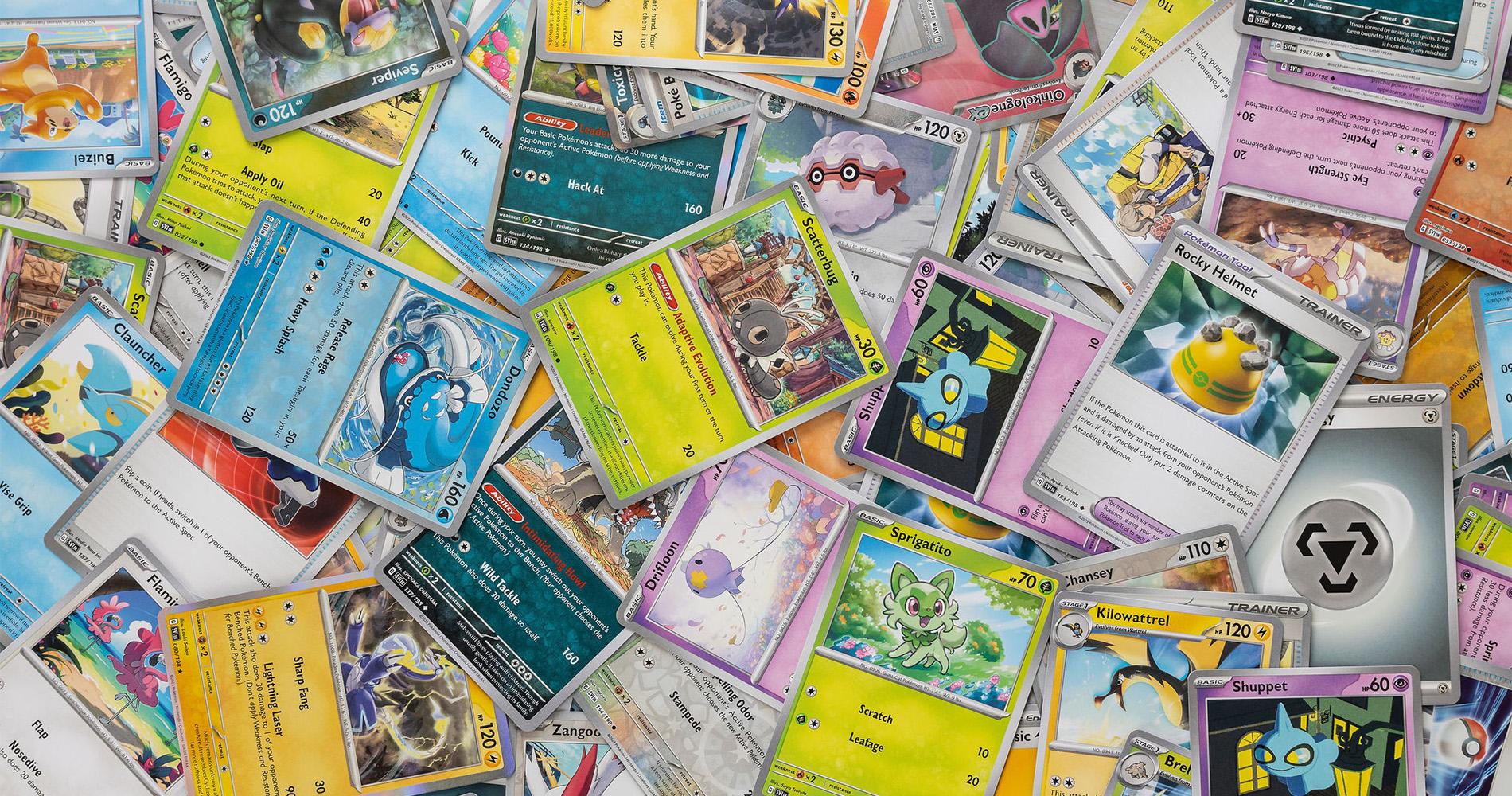
Pokémon has been a huge part of pop culture since the late ‘90s. Over the years we’ve seen dozens of console games, TV shows, and movies released. And with over 1,000 Pokémon now in the Pokédex, it’s no surprise that the trading card game is still going strong.
Whether you're a returning fan from the early first-gen days or a total newbie to the franchise, collecting Pokémon cards is super fun. Awesome artwork, exciting gameplay, a vibrant community — you name it.
And with Currys now stocking them, it’s even easier to pick up where you left off or build your first ever deck. In this Pokémon card guide, we’ll walk you through everything from the different types of cards to “super effective” ways of keeping your collectables in good nick.
Overview:

Collecting Pokémon trading cards isn’t just for kids or hardcore gamers — it’s a hobby that can appeal to casual fans of all ages too. Here’s why you should jump in:
Nostalgia: If you grew up with Pokémon, collecting the cards again will feel like opening a time capsule. Fan-faves like Pikachu, Charizard, and Mewtwo will bring back some amazing memories.
Artwork: Pokémon cards are like mini masterpieces, with rare and ‘full art’ versions featuring stunning illustrations.
Rarity: Some cards are incredibly uncommon — especially if they’re part of a limited release. Even if you’re just collecting for fun, pulling a rare card from a pack is always a wicked moment!
Gameplay: The Pokémon Trading Card Game (TCG) is fun, strategic, and easy to learn. Building a deck and battling friends adds another layer to collecting too.
Community: From local tournaments to big online forums, the Pokémon TCG brings people together from around the world.
And the best part? There’s no wrong way to collect. Whether you’re in it for the nostalgia, the strategy, or just the thrill of the hunt — Pokémon card collecting is an epic pastime.

When you first start collecting Pokémon cards, it can feel like there’s a lot to take in. But don’t worry, it’s easier than it looks once you know the basics. Cards fall into a few main categories, each with their own role in the game and appeal to collectors.
Pokémon card types:
Pokémon cards: The stars of your deck which come in three stages: Basic (the starting form of a Pokémon), Stage 1 (evolves from a Basic Pokémon), and Stage 2 (evolves from Stage 1 and is usually the most powerful).
Trainer cards: These help you during battles — letting you heal your Pokémon, draw extra cards, or switch strategies mid-game.
Energy cards: Essential for powering up your Pokémon’s attacks. A deck needs a good mix of these, otherwise you’ll struggle to win.
Figuring out what makes a Pokémon card rare is one of the most thrilling parts of collecting. Here are the key things to look out for:
Rarity symbol: Found at the bottom corner of every card. Circle = common, Diamond = uncommon, Star = rare. Some ultra-rare cards might have stars with extra embellishments or no symbol at all!
Holographic finish: Cards with shiny or foil effects are usually rarer, especially full art or reverse holo versions.
Popularity: Cards featuring iconic Pokémon like Charizard, Pikachu, or Legendary Pokémon tend to be more sought after, especially in rare or holographic forms.
Condition: A card in mint condition is more desirable than one with scratches or bends. Serious collectors often get their cards professionally graded to confirm their quality.
Promo and limited releases: Some cards are only available in special tins, boxes, or event packs. These limited releases typically become more wanted over time because they’re harder to find.

We’re here to help you expand your collection, get back into the game, or set off on your first Pokémon journey. If you’re a beginner, here are some great products to look out for…
What Pokémon cards should beginners buy first?
Ready-to-play decks: These pre-built decks, like the 2022 & 2023 World Championship Decks, come with 60 cards and are based on real competitive strategies. So, they’re perfect for helping you learn how to play.
Super-premium collections: Include multiple booster packs, exclusive promo cards, and collector’s items like pins or playmats. They’re great if you want a nice mix of cards and some nifty extras.
Elite trainer boxes (ETBs): Come with 9 booster packs, card sleeves, dice, and a how-to-play guide.
Collector tins: These contain booster packs and a foil promo card. They’re also great for storing your growing collection!
ex boxes: Feature a specific Pokémon in both regular and oversized card form, plus booster packs.
Blister packs: These contain a single booster pack and a promo card. You can expand your collection with these, but they’re not ideal for learning to play with on their own.
Booster packs (included in multi-packs): Each pack contains 10 random cards. Cool for collecting, but not for playing unless paired with a deck.

Keeping your cards safe is just as important as finding the rare ones. These handy tips will help your cards stay in top condition:
Use card sleeves: These are your first line of defence against scratches, dirt, and bending.
Store in deck boxes, binders, or tins: Deck boxes are great for players, while binders with card sleeves are perfect for collectors who want to show off their cards. Any bulk cards or extras can just go in a tin.
Top loaders or magnetic cases: Pulled a rare card or got a “holy grail” shiny Charizard? Use a rigid top loader or magnetic case to keep it safe from damage.
Avoid sunlight and moisture: Always store your cards in a cool, dry place. Sunlight can fade colours, and humidity can warp the card stock.
Pro tip: It’s best to pop rare holo, full art, and promo cards into sleeves or top loaders as soon as you open them. That way, they’ll stay in mint condition.
Can I start collecting Pokémon cards even if I don’t play the game?
You sure can! Many collectors focus just on the artwork, nostalgia, or rarity of the cards without ever playing the game.
What’s the best Pokémon card set to start with?
We’d recommend starting with a recent set like Twilight Masquerade or Shrouded Fable. They’re not only easy to find, but feature exciting new cards from the latest generation of Pokémon too.
How do I know which set a Pokémon card belongs to?
Look for the set symbol and number at the bottom of the card. You can also search the card name online to find its set.
Is it worth grading my Pokémon cards?
If you have a rare card in mint condition, grading can increase its value. But for most casual collectors, you don’t have to worry.
Do Pokémon cards hold their value?
Some do — especially rare, mint-condition, or iconic cards. But like any collectable, values can fluctuate.
What’s the best way to get rare Pokémon cards?
Buy products with multiple booster packs like elite trainer boxes, collector tins, or super-premium collections. These give you more chances to get something rare.
How can you tell if a Pokémon card is fake?
Buying Pokémon cards from Currys means that you won’t have to worry about fakes. But if you purchase them second hand or from unknown sellers on online marketplaces, then you might be at risk of receiving counterfeit products.
Here are a few tell-tale signs to help you stay clear of fake Pokémon cards:
Weird fonts or misaligned text: Real Pokémon cards have very specific fonts and clean layouts. If the text looks off, too bold, or slightly crooked — it’s a red flag.
Weird colours or glossy finish: Fake cards often have colours that look too bright or dull. Some also have an overly shiny or plasticky finish different from the real thing.
Missing set symbols or energy icons: Every official card has a set symbol and energy symbols. If anything’s missing or looks odd, it could be a counterfeit.
Flimsy or thin card stock: Genuine Pokémon cards have a certain thickness and feel to them. Fakes are often thinner, flimsier, or feel more like regular paper.
Back design differences: The back of a Pokémon card has a specific colour tone and alignment. If the colours are off or the Poké Ball looks slightly wrong, it’s likely not legit.
Need more Poké-pointers?
We’ve got loads more content that’ll get you up to speed on Pokémon games and Pokémon gaming merchandise. Like our 25 things you never knew about Pokémon blog, which reveals everything from what inspired the series to Ash Ketchum’s Japanese name!