

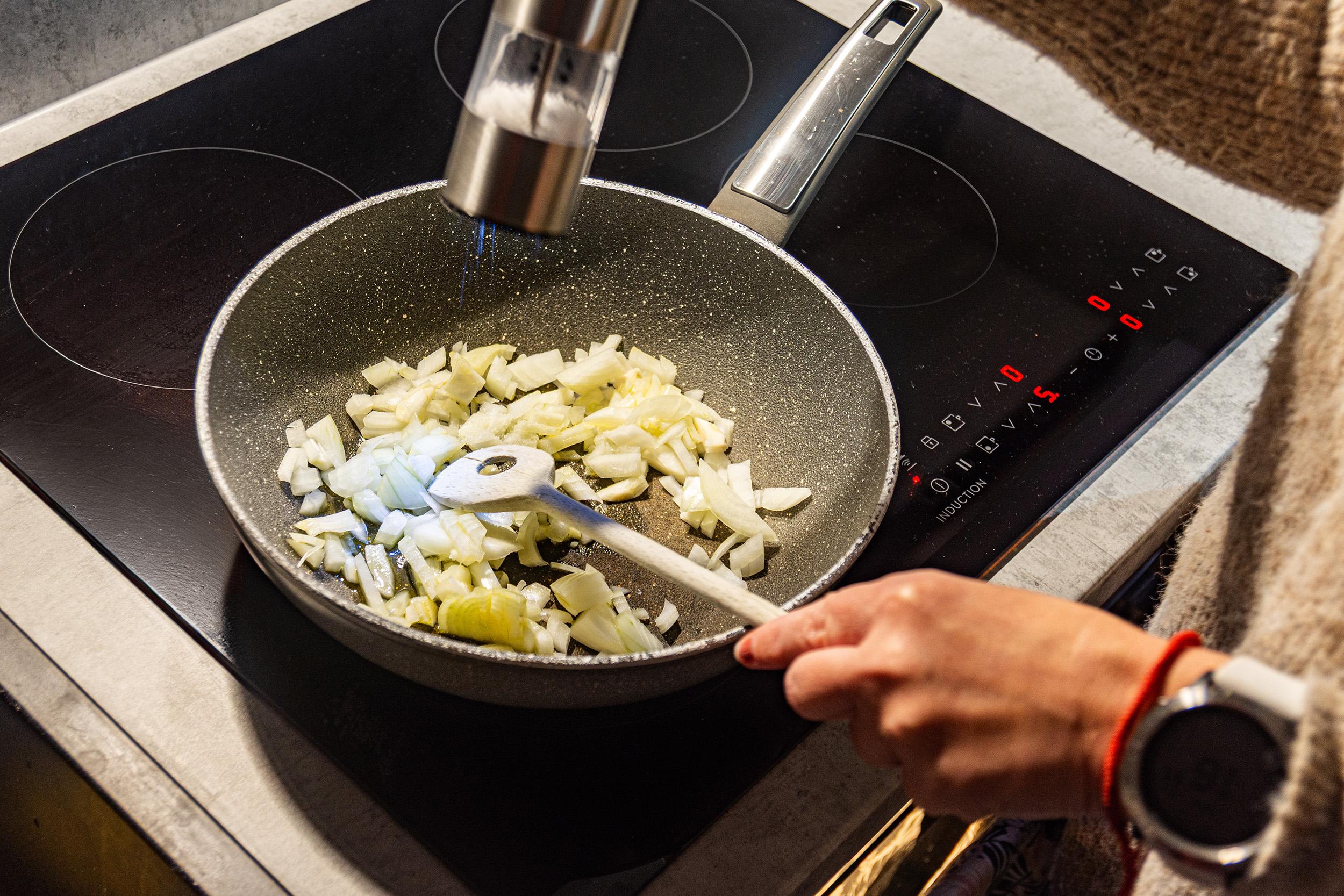
If you love to cook and you’re looking to soup up your kitchen, an induction hob might be the perfect addition. Their sleek, black surfaces slot neatly into a worktop and can be installed almost anywhere. But a great induction hob has a lot more to bring to the kitchen than just good looks. Whether it’s savings on energy bills or spending less time cleaning, induction can be a great way to go.
How do induction hobs work?
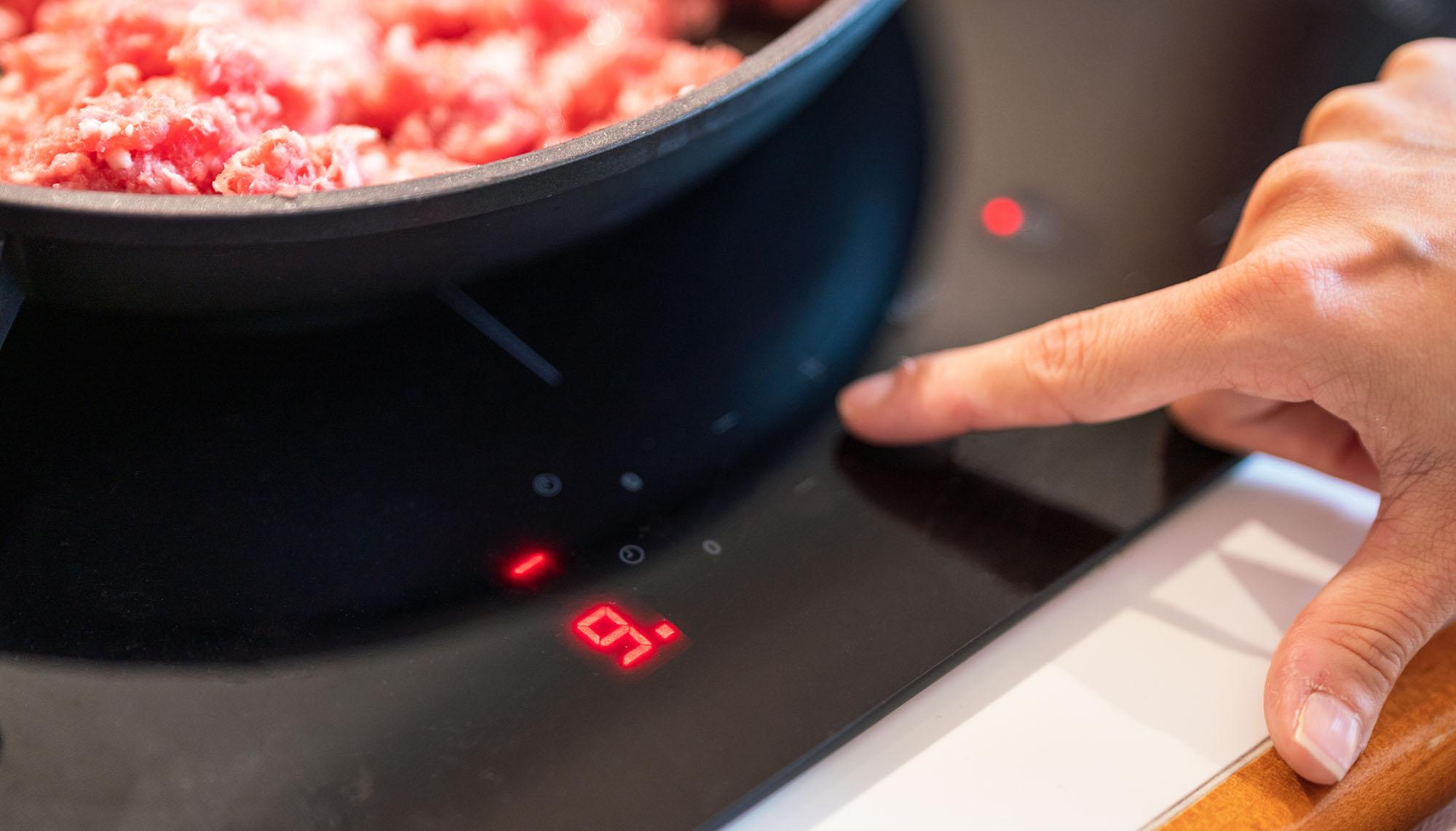
Induction hobs heat the pan directly - not the surface underneath it. When you switch an induction hob on with a suitable pan in place, it creates a magnetic field that warms the base of the pan. Because the pan itself becomes the heat source, cooking is faster, more efficient and far more responsive. You get instant heat when you need it and rapid cooling when you don’t. It used to be the case that you’d need specialist cooking equipment but these days most new pots and pans are designed to work on induction hobs.
There are some other great things about induction hobs too:
More efficient
Induction hobs waste far less energy because they heat the pan directly, not the air around it. Research by nef.org.uk shows that up to 85–90% of the energy used by an induction hob goes straight into cooking, compared with around 40% for gas and 60–74% for standard electric hobs. That efficiency translates into quicker cooking and lower energy use. In one test, induction boiled water twice as fast as gas - meaning you use less power overall to achieve the same results.
With reduced heat‑up times and less wasted energy, induction hobs could help cut your energy consumption and lower your bills, especially if you cook regularly. Induction is commonly considered the most energy‑efficient hob type on the market.
Safer
Induction hobs come with built‑in safety features that make accidental “left on” situations far less likely. Thanks to pan detection, the hob only activates when it senses compatible cookware - and it automatically switches off when the pan is removed, so it can’t sit there heating without you noticing.
Many models also shut off if no pan is detected, if the hob overheats, or if a timer you’ve set runs out - adding extra layers of protection against burns, overheating or fire risks.
Cooler and cleaner
Because induction hobs heat the pan directly rather than the cooking surface, the area around the pan stays dramatically cooler than on gas or standard electric hobs. Everything around the pan remains cool to the touch during cooking, helping your kitchen stay more comfortable and reducing the chance of accidental burns.
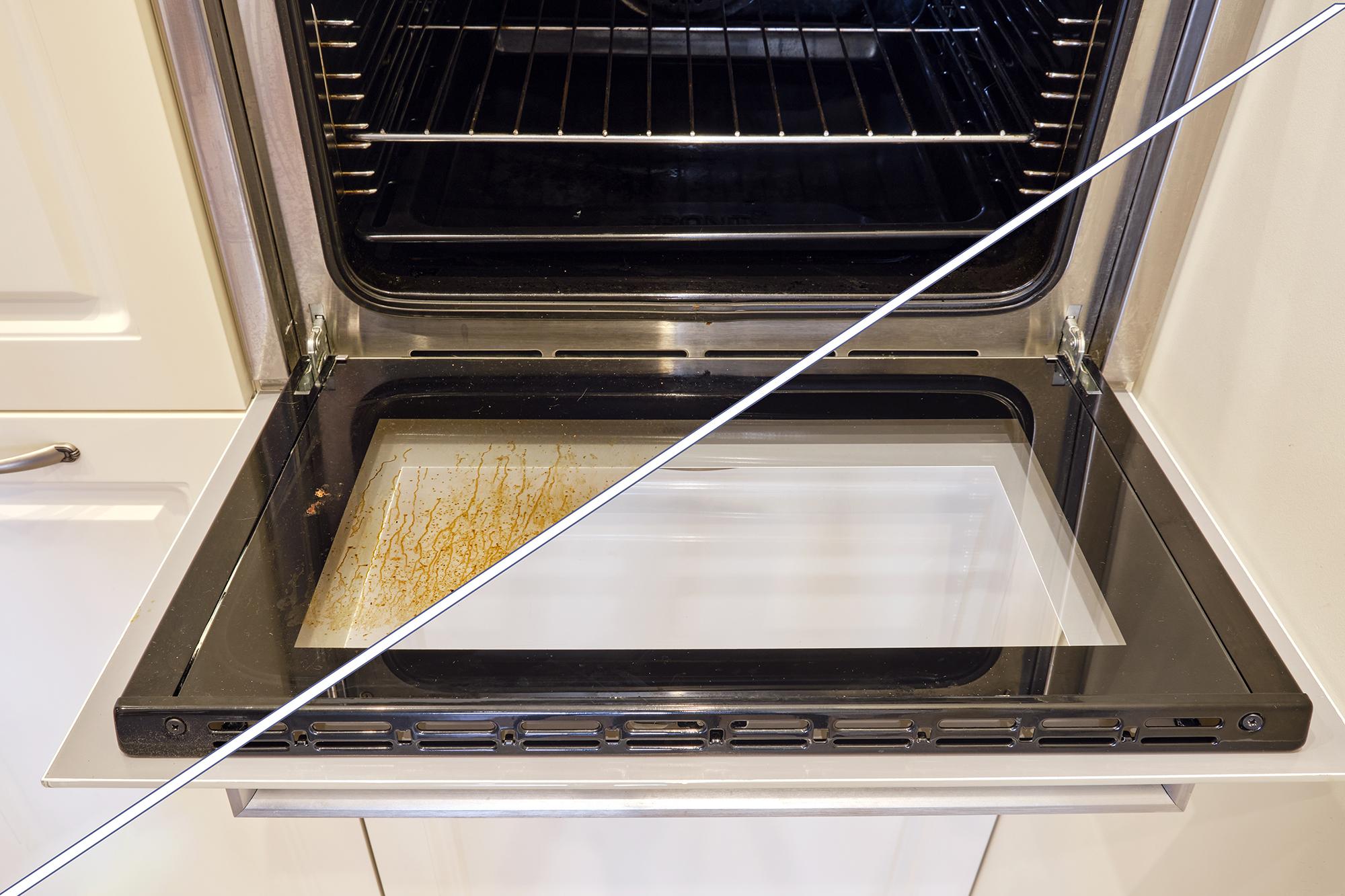
And since the cooking surface itself doesn’t get very hot, spills don’t burn onto the glass, making cleaning far easier. The flat, smooth surface means you can simply wipe as you go, without the baked‑on mess you’d get from hotter hob surfaces.
How to clean an induction hob
Cleaning is one of induction’s biggest perks - because the surface doesn’t get very hot, spills don’t burn onto the glass. Here’s how to keep it as good as new for longer…
Daily cleaning (after each use)
Let the hob cool down (it may still be warm from the pan’s residual heat).
Wipe with a soft, damp cloth or microfibre towel to remove surface residue.
Dry with a clean cloth to keep that shiny black‑glass finish.
For stubborn marks
Use a non‑abrasive cleaner specifically for glass or induction hobs - avoid scouring pads.
A plastic scraper can lift dried‑on residue without scratching.
Buff gently with a microfibre cloth.
What NOT to use
Steel wool, abrasive sponges or harsh scrubbing tools (they cause scratches).
Strong chemical sprays not labelled safe for glass.
Cleaning while the hob is still hot (can stain or crack glass).
Induction hobs vs gas hobs
| Feature | Induction Hobs | Gas Hobs |
|---|---|---|
| How they heat | Heat the pan directly using a magnetic field. | Heat the pan using an open flame. |
| Energy efficiency | Around 84–90% efficient, with most of the energy going directly into the pan. | Around 40% efficient, with most heat lost around the pan. |
| Speed | Boil water in about 4.57 minutes on average; the fastest models go just over 3 minutes. | Average 12.43 minutes to boil the same pan of water; fastest models still around 9 minutes. |
| Responsiveness | Very fast temperature changes — instant heat up and cool down. | Visually responsive flame, but slower to change temperature overall. |
| Safety | Auto shut‑off, pan detection, cooler surface, overheat protection. | Open flames, hotter surroundings, higher risk of burns or gas leaks. |
| Cleaning | Flat, smooth surface; spills don’t burn on because surface stays cooler. | Burners, grates and pans collect spills; more scrubbing required. |
| Running costs | More efficient but electricity can be more expensive; cost varies with energy prices. | Gas is currently cheaper per kWh, often lower day‑to‑day running costs. |
| Cookware needed | Requires magnetic pans (most modern cookware is compatible). | Works with almost any pan material. |
Best induction hobs to buy in 2026
Here are some of the top induction hobs available right now that our Tech Experts have tried and tested.
NEFF N30 Plug-in Electric Induction Hob
The Neff N30 induction hob is built for fast, efficient cooking, thanks to its handy Power Boost function that ramps up the heat to get water boiling in no time. Its clever power management feature activates its cooking zones automatically when you place your pans down. For added peace of mind, the childproof lock disables the controls at the touch of a button. And because it can be plugged into a standard 13A socket, installation is super straightforward.
HOTPOINT CleanProtect Electric Induction Hob
The Hotpoint CleanProtect induction hob is designed to stay looking new for longer, thanks to its special coating that resists marks, halos and even chipping. Cleaning is pretty effortless too and you only need water. So you can cut down on sprays and detergents. With its My Menu feature and four automatic cooking functions, it takes the guesswork out of everything from gently melting chocolate to slow‑cooking to perfection. Flexi Duo lets you combine two zones for larger pans, and with 9 power levels plus simple touch controls, it’s easy to dial in exactly the right temperature for every meal.
TEFAL Everyday Slim Induction Hob
The Tefal Everyday Slim induction hob is ideal for quick, convenient cooking. Its Boost mode gets pans hot fast. Plus its six preset modes (plus manual control) handles everything from gentle simmering to high‑heat frying. A built‑in timer of up to three hours lets you set it and get on with other jobs, while pan detection ensures it only heats when a compatible pot is in place. The tough ceramic glass surface makes cleaning a breeze, and its clear digital display means adjusting temperature, power or time is always simple and intuitive.
Induction hob FAQs
Do induction hobs stay hot after you turn them off?
Not really. The hob doesn’t generate heat itself — any warmth is just residual heat from the pan and fades quickly.
Do I need special pans for induction?
You need cookware with a magnetic base. Most modern stainless steel, cast iron and enamelled pans work. Test with a fridge magnet — if it sticks, it’s induction‑ready.
Are induction hobs noisy?
They can produce a low humming or buzzing, especially on high settings or with lightweight pans. This is totally normal and caused by the electromagnetic field interacting with the pan.
Do induction hobs scratch easily?
They can if abrasive tools or rough‑bottomed pans are used. Avoid dragging pans and only clean with soft cloths.
6. Can induction hobs overheat?
Yes, but they come with overheat protection and will automatically shut off if temperatures get too high.
7. What happens if I lift the pan while cooking?
The hob detects the pan is gone and automatically shuts off after a few seconds. Many models resume automatically when the pan is placed back.
8. Can I simmer or cook low and slow on induction?
Yes, in fact, induction offers excellent low‑temperature control because it reacts instantly to changes in heat settings.
What’s next?
If cutting bills is high on your agenda, check out our energy effiency cooking guide. Or for more sizzling inspiration, pop by our Cooker buying guide.