

The NHS recommends replacing your toothbrush head every three months, or sooner if the bristles become worn. But sometimes you shouldn't even wait that long…
Changing your electric toothbrush head is one of those jobs that's easy to forget. Yes, you always remember to charge your electric toothbrush – nice work. But how long has that same brush head actually been doing all the hard work?
In this guide, we'll explain why replacing your brush head matters and how to spot when it's past its best. We'll also look at how to choose the right replacement for your toothbrush, and answer a few commonly asked dental care questions.
Why replacing your brush head matters

Every time you brush, the bristles work around your teeth and along the gum line to remove plaque and food debris. Over time, they can become bent, flattened and worn, which means they may not clean as effectively as they did when they were new.
A worn brush head can also make it harder to clean along the gum line and reach awkward areas. That's why replacing it regularly helps keep your electric toothbrush working as it should, with bristles that are in good condition and ready to clean effectively.
How often should you replace an electric toothbrush head?
NHS dental guidance recommends that you replace your toothbrush head every three months. But you might need to replace it even sooner in some circumstances. For example, if you brush particularly hard, wear braces – or just notice that the bristles tend to wear out quickly.
Some toothbrushes make remembering to change the head easier, with bristles that change colour when they’re getting old. And some smart toothbrushes will remind you with an alert message on their app.
Signs it's time for a new brush head
Three months between changes is a useful guide. But you shouldn't wait if your brush head starts to look past its best before then. Look out for:
Frayed or splayed bristles: If they're spreading in different directions, they've lost their original shape.
Faded indicator bristles: Some heads use colour-changing bristles to show when they're due for replacement.
A less effective clean: If your teeth don't feel as clean and smooth after brushing, the head may be worn.
Irritation: If brushing suddenly feels uncomfortable, check the condition of the head.
The golden rule: don't feel you have to squeeze every last brushing session out of a head that's clearly past its best. If the bristles are worn, swap it.
What affects how quickly brush heads wear out?
How quickly a toothbrush head wears out depends on a few different things:
Brushing pressure is a big one. If you're pressing down a lot, your bristles are going to be under more strain. Some electric toothbrushes have sensors that alert you when you're brushing too hard, to help you develop a gentler technique.
Brushing frequency and duration matter too. Someone brushing three times a day will naturally put more mileage on a brush head than someone brushing twice.
Braces can also put extra wear on bristles. If you have braces, your dentist can advise you on the best way to brush and which type of brush head to use.
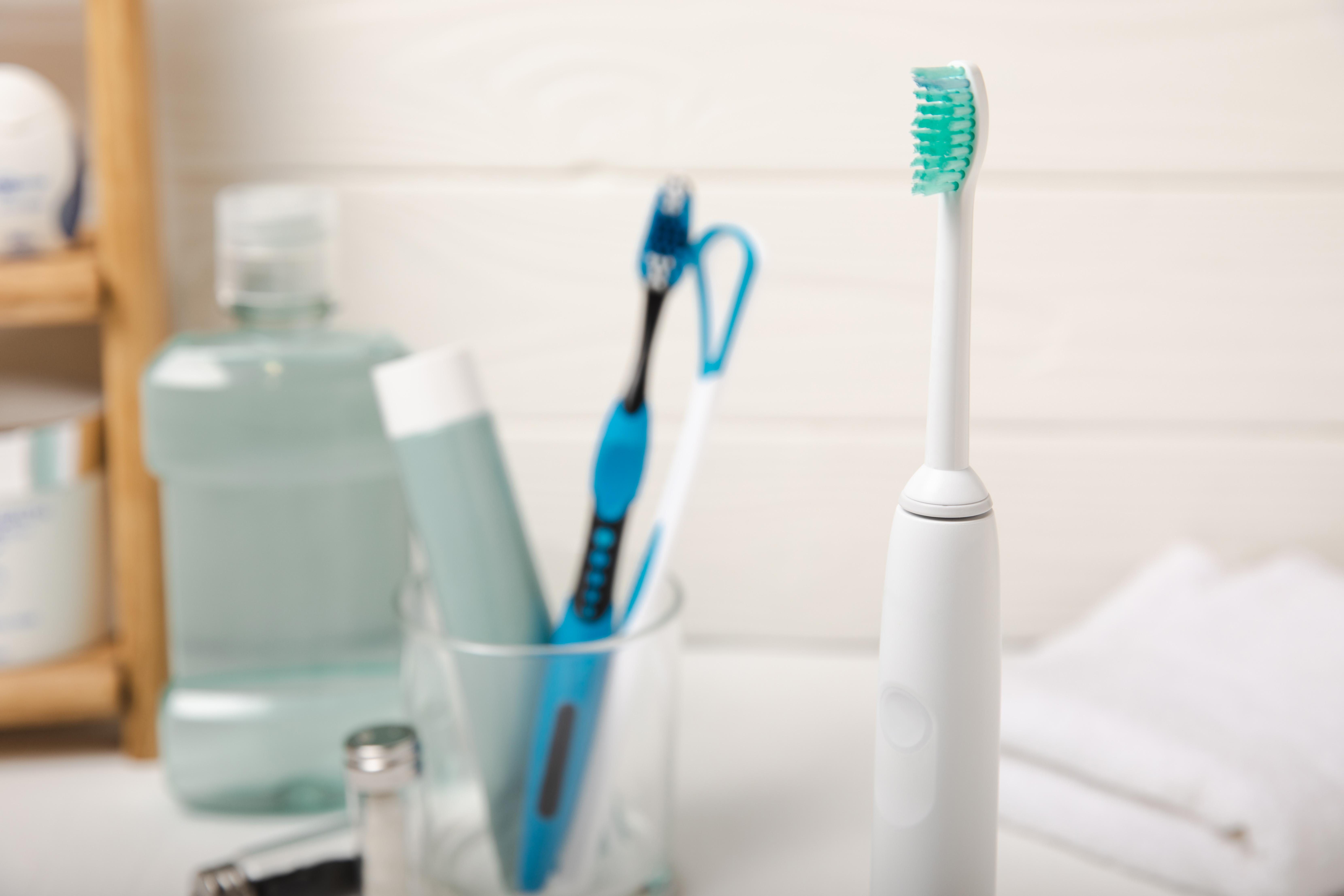
Storage is another factor. Rinse your brush head after use and let it air-dry upright. Avoid covering it while it's still wet.
Choosing the right replacement brush head
Choosing a replacement toothbrush head is pretty easy. Check that the head is compatible with your toothbrush, then choose the type that suits you best - whether that's soft bristles or tougher ones for stain removal. Here are three options for the most popular electric toothbrushes.
Oral-B Pro Cross Action replacement toothbrush head

The ORAL-B Pro Cross Action Replacement Toothbrush Head has CrossAction bristles angled at 16° to fit around individual teeth. The green bristles turn yellow when it's time to replace the head, thanks to CleanMaximiser technology.
ORAL-B iO Ultimate Clean Replacement Toothbrush Head
If you've got an Oral-B iO toothbrush, the ORAL-B iO Ultimate Clean Replacement Toothbrush Head is made specifically for it. Its round head is designed to surround each tooth, while dual-length bristles clean teeth and gums.
PHILIPS Sonicare C3 Premium Plaque Defence Toothbrush Heads
The PHILIPS Sonicare HX9045/87 C3 Premium Plaque Defence Toothbrush Head features soft-touch bristles and BrushSync technology. This reminds you when it's time to replace the head, with the blue bristles turning white.
You can browse more electric toothbrush heads to find a compatible match for your toothbrush.
Can new brush heads improve your oral care routine?
Yes. Replacing worn brush heads regularly keeps the bristles fresh, which can make brushing feel more comfortable and help you remove plaque effectively. It’s a simple little switch that can give your everyday brushing routine a refresh.
For the best results, pair a fresh brush head with good brushing habits. The NHS recommends brushing twice a day for around two minutes with fluoride toothpaste, as well as cleaning between your teeth regularly.
Need more help?
For more advice on looking after your dental health, check out our articles on the best electric toothbrushes and how to use an electric toothbrush. Or pop in-store and ask one of our colleagues for help.
FAQs
How often should I replace my electric toothbrush head?
NHS guidance recommends changing your toothbrush or brush attachment every three months, or sooner if the bristles become worn. You might need to replace yours more frequently depending on your brushing habits.
Does replacing a toothbrush head really make a difference?
Yes. Bristles gradually lose their shape as they wear, which can affect cleaning performance. Replacing the head regularly keeps the bristles in better condition, which helps with plaque removal.
Can I keep using a brush head after four months?
It's better to replace it rather than keep using it indefinitely. NHS guidance recommends changing your toothbrush or brush attachment every three months - or sooner when the bristles become worn. If yours has been used for more than four months, it's time for a fresh head!
What are the signs that I need a new toothbrush head?
Look for bristles that are frayed, splayed, flattened or matted. Some replacement heads also have indicator bristles that fade or change colour when they need replacing. If brushing becomes uncomfortable or your teeth don't feel as clean afterwards, check the condition of your brush head and consider changing it.
How often should I change my toothbrush?
There’s no set time when you need to replace the toothbrush itself. If it’s still working properly, you can carry on using it. It’s worth replacing if it becomes damaged, stops working as it should, or the battery starts to lose its charge.
What is the most sanitary way to store a toothbrush?
Rinse your brush head after use and store your toothbrush upright somewhere it can air-dry. Avoid covering it while it's still wet.
Are replacement brush heads universal?
No. Replacement heads are designed for particular toothbrush handles or ranges. So check compatibility before buying. For example, standard Oral-B heads don't fit Oral-B iO handles, while Philips Sonicare click-on heads are designed for compatible Sonicare toothbrushes.
Should I replace my brush head after being ill?
You don't normally need to replace your toothbrush head automatically after an ordinary illness. If you're concerned about your oral health or have had a particular infection, ask your dentist for advice. Keep following good hygiene habits, including rinsing your brush after use and allowing it to air-dry.
~
Dental health disclaimer: This article is for general information only and isn't a substitute for professional dental advice. If you have concerns about your teeth, gums or oral health, speak to your dentist. The NHS advises contacting your dental surgery if you have problems