

Face steamer, face care or foot & nail files?
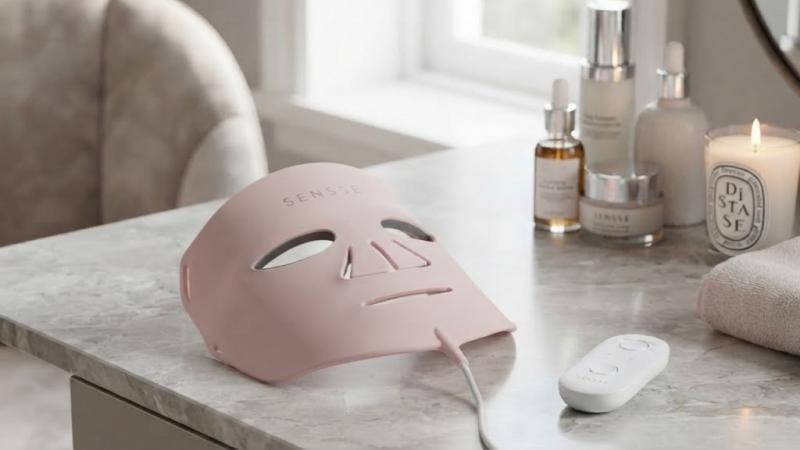
LED face masks produce red, blue or near-infrared light to target specific skin concerns.
Reducing fine lines, calming redness and helping manage blemishes. Ideal for hands-free treatments you can use while relaxing.
Shop LED face masks →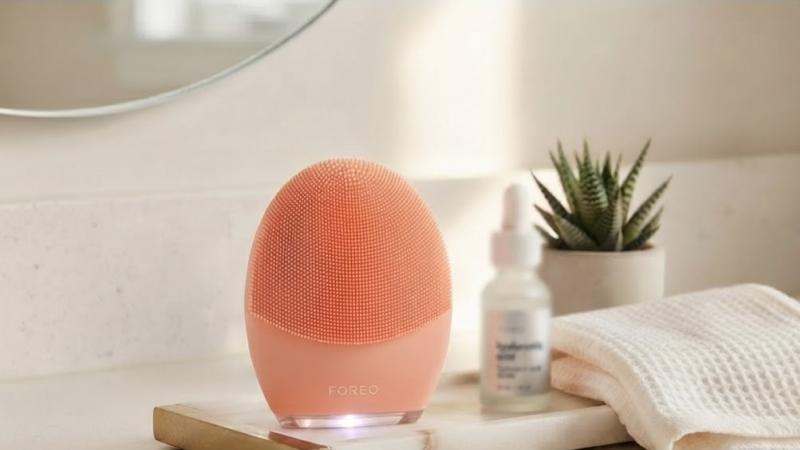
Face cleansing brushes are powered brushes or silicone scrubbers that removes dirt, oil and make-up more thoroughly than manual cleansing.
Daily deep cleansing, removing make-up residue and preparing skin for serums and moisturisers.
Shop face cleansing brushes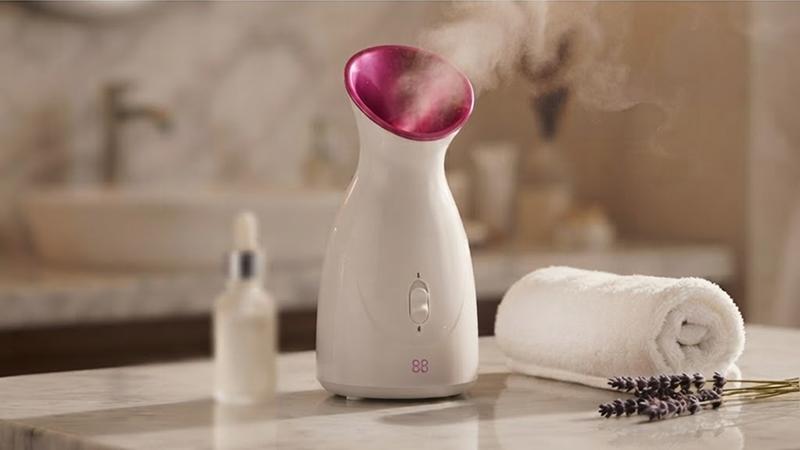
A face steamer emits warm mist to soften skin and loosen debris before cleansing or treatment.
Preparing skin for cleansing, boosting hydration and helping skincare products absorb more effectively.
Shop face steamers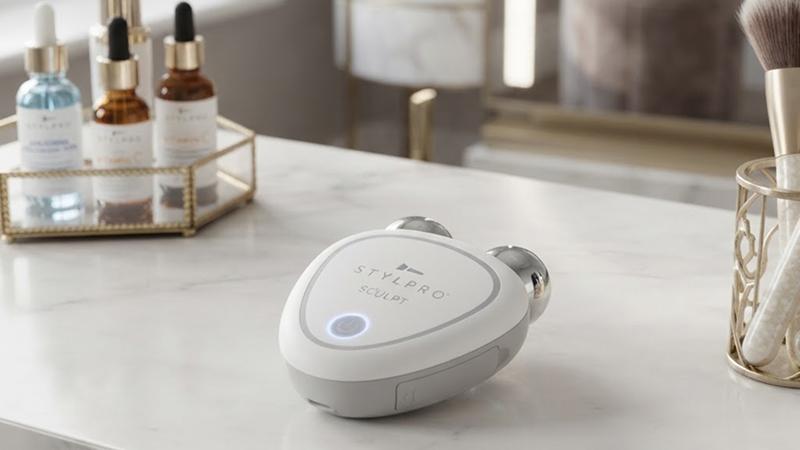
An at-home facial device that uses a low-level electrical current to stimulate facial muscles.
Improving the appearance of facial tone and lift with consistent use. A popular choice for non-invasive anti-ageing routines.
Shop face toning devicesA device that uses electrical pulses to contract facial muscles, often alongside microcurrent technology.
Sculpting and defining facial contours. Suitable for those wanting a stronger muscle-stimulation treatment.
Shop face toning devices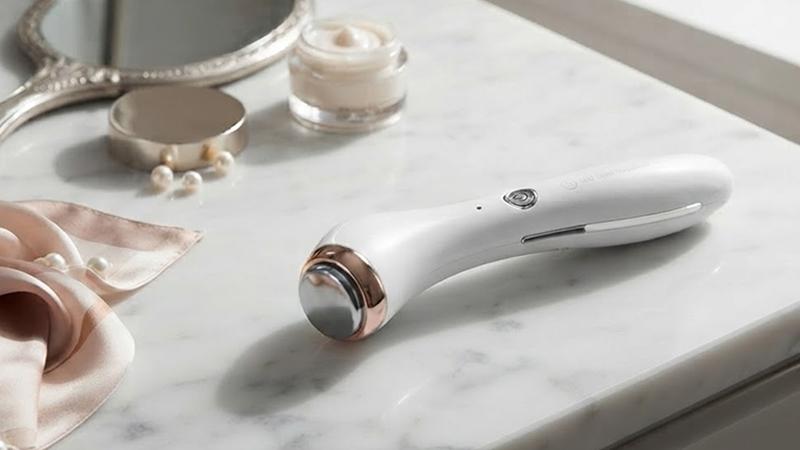
A handheld beauty tool that massages the face using vibration, warming, cooling or other gentle techniques.
Reducing puffiness, especially around the eyes and jawline, while supporting a more defined appearance.
Shop face massagers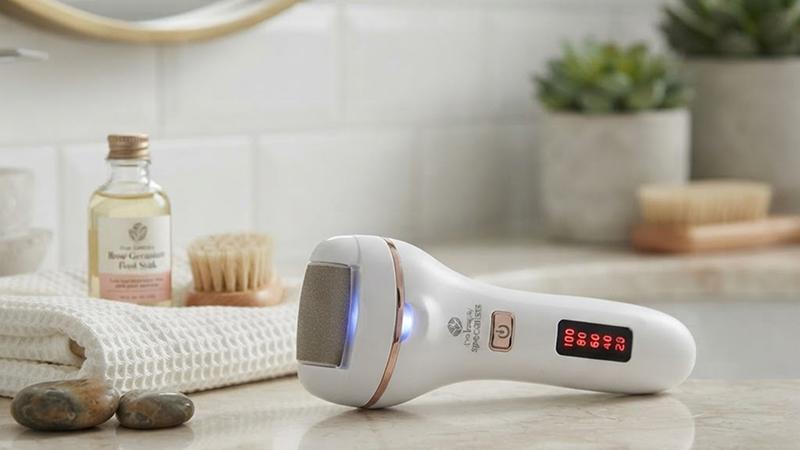
A powered file that removes hard, dry and callused skin from the feet.
Keeping feet smooth between pedicures, particularly if you're prone to dry heels or calluses.
Shop footcare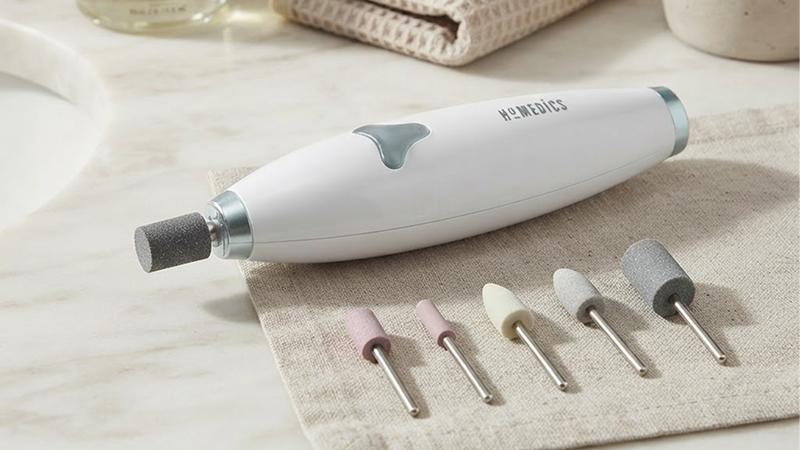
Electric nail files have interchangeable attachments for shaping, buffing and maintaining nails.
Maintaining fingernails and toenails with less effort than manual filing, especially if you have thick nails or reduced hand strength.
Shop nail toolsHow to choose the right electrical skincare device
The right electrical skincare device depends on your skin concern, your budget and how often you’ll actually use it.
| Goal | Best device type | Why |
|---|---|---|
| Improve skin texture, reduce dullness and appearance of fine lines | LED face mask (red light) | Stimulates collagen production over time with consistent use |
| Treat acne and reduce breakouts | LED face mask (blue light) or cleansing brush | Blue light targets acne bacteria; cleansing brush removes pore-clogging debris |
| Tone and lift facial muscles | Microcurrent or EMS device | Low-level electrical current stimulates muscle contraction for a lifting effect |
| Deep-cleanse and improve product absorption | Facial cleansing brush | Removes dead skin and residue more effectively than manual washing |
| Reduce facial puffiness and define contours | Face sculpting tool | Lymphatic drainage massage reduces morning puffiness and defines the jawline |
| Add hydration and prepare skin for products | Face steamer | Softens skin surface and loosens pores for better product penetration |
| Calm redness or rosacea | LED face mask (red or yellow light) | Anti-inflammatory wavelengths reduce redness without irritating the skin |
| Remove hard skin from feet | Electric foot file | Motorised filing removes calluses without manual effort |
Quick rule of thumb: If you’re targeting skin concerns like the appearance of fine lines or acne, start with an LED mask. If you want to tone and lift, start with a microcurrent device. If you want to improve how your skincare absorbs, start with a cleansing brush or steamer.
| Effort level | Devices that fit |
|---|---|
| Low - hands-free, set and forget | LED face mask - put it on and sit for 10 minutes, no technique required! |
| Medium - requires a short routine and light technique | Face steamers, cleansing brush, electric foot file, electric nail file |
| High - technique and consistency matter significantly | Microcurrent and EMS devices need correct placement, speed and conductive gel. Daily commitment for first 60 days. |
| Tier | What you get | When to choose it |
|---|---|---|
| Entry level | Basic cleansing brushes, entry-level foot files, single-function steamers | Occasional use, first-time buyers and straightforward skin concerns |
| Mid-range | Multi-mode LED masks with multiple wavelengths, sonic cleansing brushes, basic microcurrent devices | Regular use 3 – 4 times per week; most skin types; best value for most buyers |
| Premium | Clinical-grade LED masks with verified wavelength accuracy and high LED count, multi-function microcurrent/EMS devices, combination devices (LED + EMS) | Daily use; specific skin concerns (ageing, acne, rosacea); users who want professional-comparable results at home |
Wavelength accuracy and LED count (LED masks)
Cheap masks may emit light at imprecise wavelengths with insufficient power to trigger cellular response. Look for clinical wavelength specifications (e.g. 630nm red, 415nm blue) rather than generic claims.
Conductive gel compatibility (microcurrent / EMS)
Microcurrent devices need conductive gel to reach the skin effectively. Check whether gel is included or needs to be purchased separately.
Skin type suitability
Cleansing brushes and steamers vary significantly by skin type. Bristle heads are not suitable for sensitive or acne-prone skin, but silicone heads are gentler. Steamers are not recommended for rosacea.
Treatment modes and personalisation
Multi-mode devices (multiple LED colours, multiple intensity levels) offer more flexibility as your routine evolves. Single-mode devices are simpler but less adaptable.
Safety certifications
For electrical skin devices, look for CE marking and manufacturer safety certifications. Premium LED masks should state clinical wavelength data, not just colour names.
Your skin type and the specific concern you’re targeting often matter more than the latest features. The best-selling device isn’t automatically the best device for you.
| Timeframe | What to expect |
|---|---|
| Immediate | Cleansing brushes will give you cleaner-feeling skin after first use. Face steamers soften skin immediately. Electric foot files make skin noticeably smoother in one session. |
| 2–4 weeks with consistent use | Microcurrent and EMS - initial toning effect and improved skin firmness. LED masks - early improvement in skin brightness and reduction in surface blemishes. |
| 8–12 weeks with consistent use | LED masks - meaningful reduction in the appearance of fine lines and improved skin texture. Microcurrent - visible toning and lifting effect in facial muscles. |
 NB: No device eliminates the need for a consistent topical skincare routine. LED masks require 3–5 sessions per week to be effective. Results vary significantly by skin type and starting condition.
Most people can narrow their options quickly by answering one simple question: Do you want to target a specific skin concern or improve your overall routine? From there, matching your skin type, budget and commitment level to the right device will help you get better results.
Is it worth it?
An electrical skincare device is worth it when matched to a specific skin concern and used consistently. The right device used regularly will outperform more expensive tech that’s only used occasionally.
 When it is worth it
- You have a specific, addressable skin concern like acne, redness or fine lines
- You’ll use it consistently: LED masks require 3–5 sessions per week. Microcurrent requires near-daily use initially.
- The device specs match your goal. Clinical wavelength accuracy matters for LED masks.
- People who use it daily will get significantly better cost-per-use value
 When it may not be worth it
- You’re buying a device without a specific skin concern in mind
- You expect results after a few uses. Most devices require 4–8 weeks of consistent use.
- You’re paying for features you won’t use
- You have a contraindication. People with rosacea are advised against using face steamers. If you’re pregnant or have metal implants, seek professional advice before using electrical devices.
Top picks from our experts
There’s so much choice when it comes to LED face masks, so our experts have selected these devices with specific goals in mind.
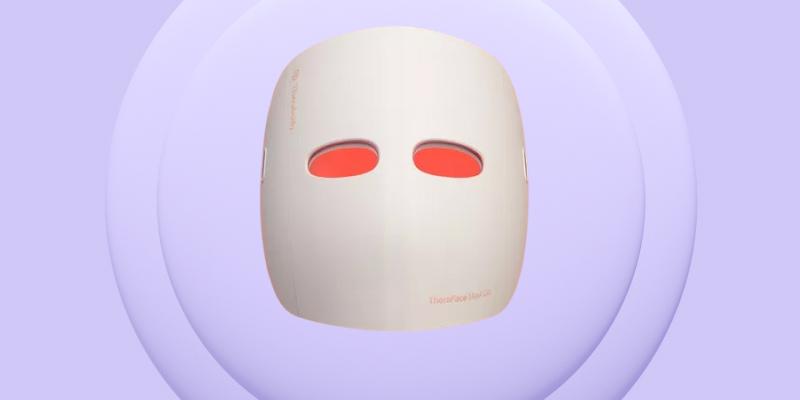
Therabody TheraFace LED Face Mask
Product code: 731975
Anti-ageing
Red and blue light therapy reduces fine lines, wrinkles and dark spots while you unwind.
Shop Therabody TheraFace LED Face Mask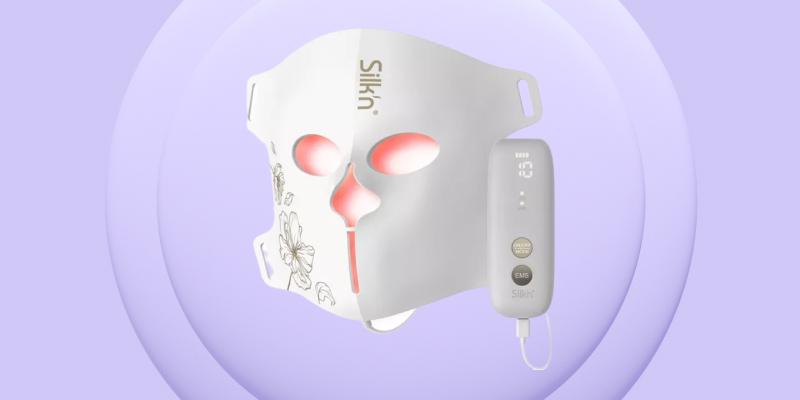
Silk'n LED EMS Face Mask
Product code: 781999
Skin tightening
EMS tech (or electro-muscle stimulation for short) lifts and firms up your facial muscles for a more youthful look.
Shop Silk'n LED EMS Face Mask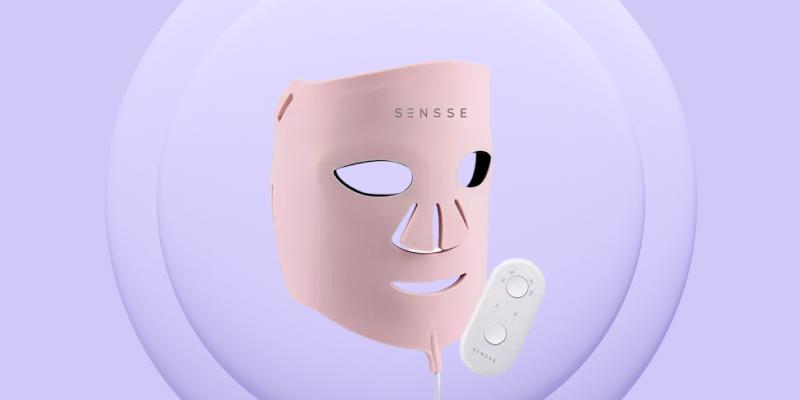
Sensse Pro LED Face Mask
Product code: 716185
Customised skincare
Flexible treatment settings (both automatic and manual) make it easy to control and customise your skincare routine.
Shop Sensse Pro LED Face MaskWhat to consider before you buy an electrical skincare device
Which skincare device is right for me?
Do expensive skincare devices work better?
How long does it take to see results?
Are electrical skincare devices safe for sensitive skin?
Do I need lots of different skincare devices?
Suggested routine
-
Step 1: Cleanse
Start with clean skin using a cleansing brush for a deeper, more thorough cleanse.
-
Step 2: Steam
Use a facial steamer to gently warm the skin and prepare it for the next steps.
-
Step 3: Apply serum
Apply your chosen serum and gently massage it into the skin.
-
Step 4: Tone
Use a microcurrent or EMS device to help tone and stimulate facial muscles.
-
Step 5: Treat with LED
Wear your LED face mask as directed to target specific skin concerns with light therapy.
-
Step 6: Moisturise
Finish with a moisturiser to hydrate the skin and complete your skincare routine.
Important: Some skincare products and medications can increase sensitivity to light and may not be suitable for use with LED treatments. LED face masks are not suitable for everyone. If you are pregnant, have an eye condition or experience light-triggered health issues, seek medical advice before use. Always follow the manufacturer's instructions for your device.Glossary
A semiconductor that emits light at a specific wavelength when electrical current passes through it. In skincare devices, different wavelengths target different skin concerns.
A form of LED therapy that typically uses wavelengths between 620-700nm to stimulate collagen production and support skin renewal. Often used to help improve skin texture and reduce the appearance of fine lines.
Light with wavelengths between 700-1100nm that penetrates deeper into the skin than visible red light. Commonly used for inflammation reduction and tissue repair.
A light therapy that uses wavelengths around 415nm to target acne-causing bacteria on the skin's surface.
The process by which specific wavelengths of light trigger cellular responses in the skin without generating heat. This is the mechanism behind LED light therapy.
A very low-level electrical current, typically 200-400 microamps, used to stimulate facial muscles and create a temporary lifting and toning effect.
A higher-intensity electrical pulse that causes stronger muscle contractions than microcurrent. EMS is typically used to stimulate and sculpt facial muscles.
A water-based gel applied before using a microcurrent or EMS device. It helps electrical current pass effectively through the skin.
An increased sensitivity to light caused by certain medications, medical conditions or skin concerns. People with photosensitivity should check device suitability before using LED treatments.
The process of encouraging the movement of excess fluid away from facial tissues to help reduce puffiness. Often associated with facial massage and sculpting tools.
A cleansing technology that uses high-frequency vibrations to help loosen dirt, oil and dead skin cells from the skin's surface.
A thickened area of skin that develops from repeated pressure or friction, most commonly on the heels and soles of the feet