


There’s something great about putting on a pair of headphones and getting lost in your favourite sounds. The big question is – which type of headphones are right for you?
There are lots to choose from, and two of the most popular types are over-ear headphones and in-ear headphones. Both come with their own set of benefits, so prick up your ears and we’ll give you a quick run-through of what to expect. We’ll look at the differences in sound quality, noise cancellation, comfort, portability and ear health. Then we’ll compare the two side by side to help you choose the right headphones for you.
What’s the difference between over-ear and in-ear headphones?

What’s the difference between over-ear and in-ear headphones?
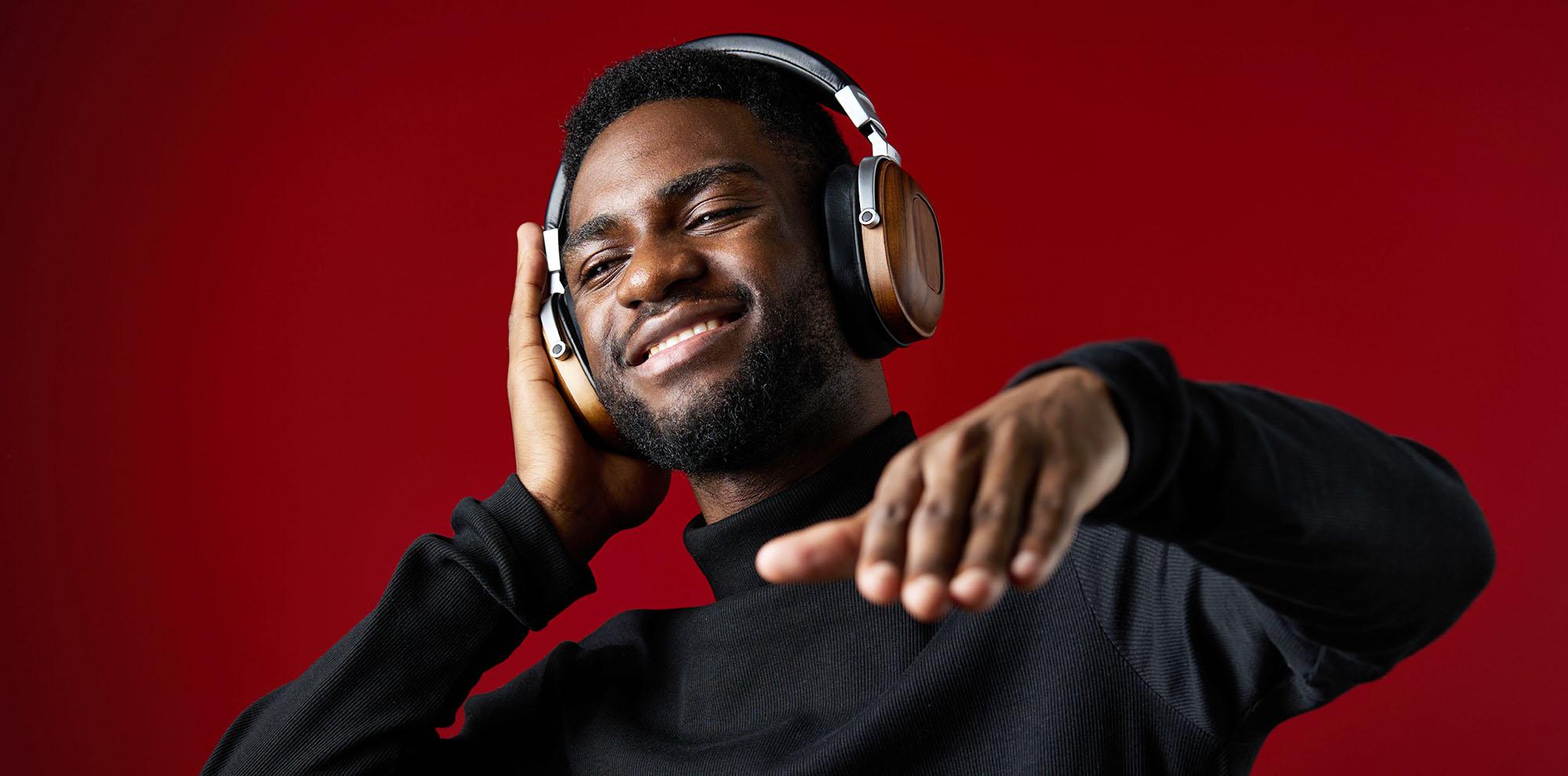
Over-ear headphones have large, padded earcups that completely surround your ears, giving you an immersive listening experience. They’re a great choice if you enjoy music, films or games and want to hear plenty of detail.
In-ear headphones sit inside the ear canal, usually with silicone or foam tips that create a snug fit. They’re small, lightweight and easy to take anywhere - making them handy for commuting or getting through a workout.
Other headphone types
In addition to in-ear and over-ear models, there are some other types of headphones worth knowing about:
On-ear headphones rest directly on your ears rather than going around them. Their smaller, lighter design makes them easy to carry around, while their more open fit lets in a little more of the world around you. If you want something compact without going for in-ear buds, they’re worth considering.
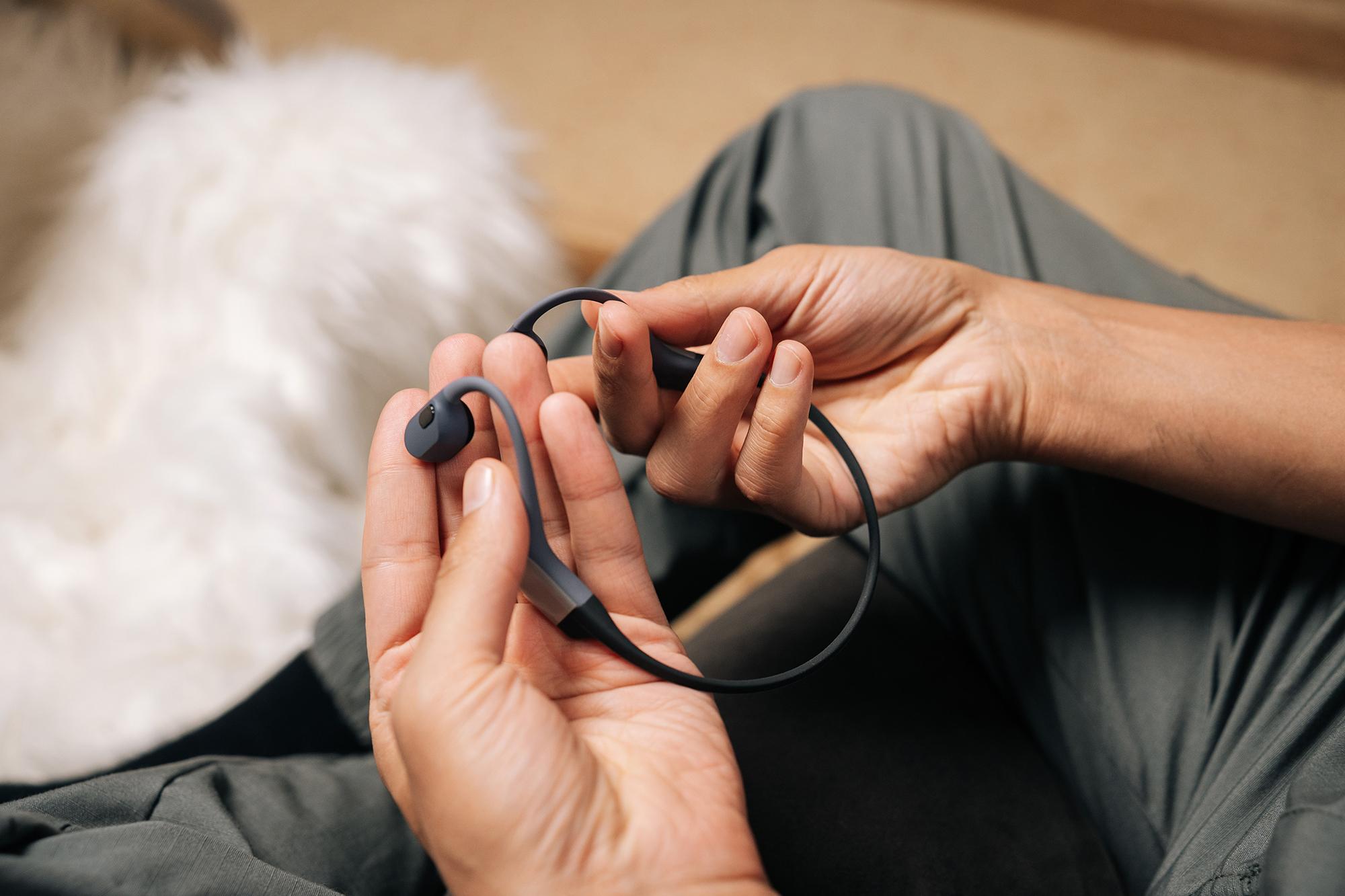
Open-ear headphones sit outside your ear canals, so you can enjoy your music while still hearing what’s happening around you. They’re good for walks and runs when you want to listen to your favourite tracks without tuning out traffic, people or announcements.
Wired headphones plug straight into your device, so there’s no Bluetooth to connect and no battery to charge. They’re ideal for listening at your desk or joining video calls. Just check your device has the right connection, as some phones need an adapter.
Sound quality and noise cancellation: do over-ear headphones sound better than in-ear?
Over-ear headphones can give you a bigger, more natural-sounding listening experience. Their larger earcups can accommodate bigger drivers, which helps produce a wider, three-dimensional soundstage and deeper bass. That can be great for music, films and gaming, where you want to feel more surrounded by the sound. They can also do a good job of keeping outside noise out. The earcups seal around your ears, helping block some background noise before the active noise cancellation (ANC) even gets to work. ANC then uses microphones and smart processing to reduce external sounds even more.
Good in-ear headphones can deliver excellent sound and powerful ANC. Their snug-fitting tips help create a seal in your ear, and microphones pick up sounds around you - which the headphones can then cancel out.
Comfort, portability and lifestyle: which style suits you?

Over-ear and in-ear headphones feel quite different to wear. Here’s what to look for when comparing comfort, fit, portability and battery life, so you can find a pair that suits how you listen.
Comfort for longer listening sessions. Over-ear headphones have padded earcups that sit around your ears, with a headband to spread the weight. In-ear headphones are lighter but rely on well-fitting ear tips for comfort.
Portability and storage. In-ear headphones slip easily into a pocket or small bag, usually with a charging case to keep them together. Over-ear headphones take up more room, although some fold down to make packing easier.
Fit and staying in place. Over-ear headphones should sit comfortably around your ears without feeling too tight. With in-ear headphones, the right ear tips help keep them secure, especially during exercise. Some models also come with wings or hooks to help prevent them slipping out.
Battery life. Over-ear headphones often last longer on a single charge, which is handy for long journeys or listening sessions. In-ear headphones usually have shorter playback times, but their charging case can top them up several times before it needs recharging. Check both figures when comparing models.
Are headphones better than earphones for ear health?
Neither over-ear nor in-ear headphones are automatically better for your ears. How loudly and how long you listen matters more than headphone type.
Keeping the volume at a comfortable level and taking regular breaks can help protect your hearing with either style. Noise cancellation can be useful here, too. If background noise is reduced, you might not feel the need to turn your music up to hear it.
With in-ear headphones, it’s worth keeping the ear tips clean and avoiding sharing them. If you experience ear pain, irritation, ringing or changes in your hearing, stop using your headphones and seek medical advice.
For more information about looking after your hearing, the NHS advice on hearing loss is a good place to start.
In-ear vs over-ear headphones compared
| Feature | Over-ear headphones | In-ear headphones |
|---|---|---|
| Sound quality | Bigger soundstage and deeper bass | Detailed sound in a much smaller design |
| Comfort | Can be very comfortable for long listening | Light and easy to wear, but fit varies |
| Portability | Larger and takes up more space | Small enough for a pocket or small bag |
| Noise cancellation | Excellent passive isolation and ANC | Strong ANC on lots of premium models |
| Battery life | Often plenty of listening between charges | Case sometimes provides exrra charge |
| Exercise | Larger and can feel warm | Light and easy to carry. Secure-fit models are available |
| Best for | Music, films, gaming and long listening | Commuting, exercise, travel and everyday use |
Over-ear or in-ear: which should you choose?
Over-ear headphones are the best choice if you want immersive sound for music, films and podcasts. Their larger earcups can create a more spacious listening experience, while active noise cancellation helps reduce background noise when you want to concentrate or lose yourself in an album. They’re well suited to listening at home, working at your desk or longer listening sessions.
In-ear headphones are smaller, lighter and easier to carry around. Slip them into your pocket before heading out, then use them for your commute, a walk, a workout or a phone call. Many true wireless models also offer noise cancellation, customisable sound and touch controls, giving you useful features in a compact design.
To make the right choice, think about where and how you listen. If sound immersion and longer listening sessions matter to you, over-ear headphones could be the ones to go for. If you want something compact that fits easily into your day, in-ear headphones make more sense. Comfort matters too, so think about how each style feels when you wear it for a while.
Top over-ear headphones
Bose QuietComfort Ultra (2nd Gen)
If you want over-ear headphones that can shut out the world, Bose QuietComfort Ultra (2nd Gen) headphones are up there with the best. Adjustable noise cancelling and CustomTune technology adapts the sound to your ears, while Bose Immersive Audio gives music and films a more three-dimensional feel. There’s up to 30 hours of battery life, too, so they’re good for long journeys.
Top in-ear headphones
Sony WF-1000XM5
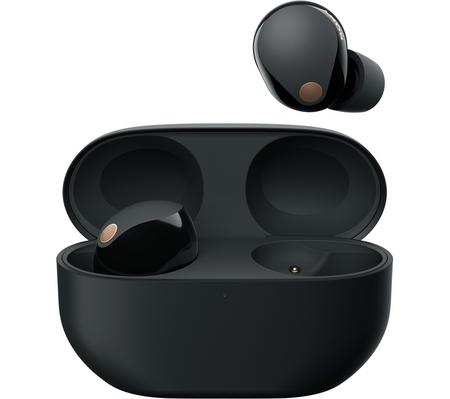
These Sony WF-1000XM5 earbuds gives you powerful noise-cancelling in a compact package. Sony’s Dynamic Driver X is designed to deliver sound that’s full of detail, and multiple microphones help with noise cancellation. They’re also IPX4 water resistant, so they can handle a bit of sweat and splashing.
Need more advice?
Still not sure about which headphones to go for? We’ve got lots of articles to help you decide. Check out what headphones to buy in 2026, what open-ear headphones are and how they work, and our guide to the best wireless earbuds around. We’ve also got an in-depth audio buying guide that covers headphones in detail.
FAQs
Are headphones better than earphones?
Headphones aren’t automatically better than earphones - it all depends on what you want from them. Over-ear headphones can give you a wider soundstage and comfortable long listening, while in-ear models are smaller and easier to carry. Both can deliver excellent sound and noise cancellation, depending on the model.
Are in-ear headphones good for gaming?
In-ear headphones can be good for gaming, especially if you want something lightweight and easy to wear. Good models can deliver detailed sound and directional audio, and wireless earbuds give you plenty of freedom to move. For longer gaming sessions, look for a comfortable and secure fit.
Are over-ear headphones good for running?
Over-ear headphones can be used for running, but in-ear headphones are generally easier to wear while exercising. They’re lighter, less bulky and a lot of models offer water or sweat resistance. For outdoor running, you might want to go for a design that helps you stay aware of surrounding sounds.
Are over-ear headphones more comfortable?
Over-ear headphones can be more comfortable for long listening because their padded earcups sit around your ears rather than inside them. But comfort is personal. Factors like your head shape, ear size, headband pressure and how the earcups feel can all affect how comfortable a pair is.