

Vibration plates have been creating a bit of a buzz over the last few years. According to a recent Statista report, over 500,000 were sold in the UK in 2023.
In this article, we’ll explain how vibration plates work, the benefits they offer, and what to keep in mind when buying one. If you want to get fitter without hitting the gym, here’s all you need to know…
What are vibration plates and how do they work?
Let’s start with the basics. What exactly is a vibration plate, and what’s the science behind it?
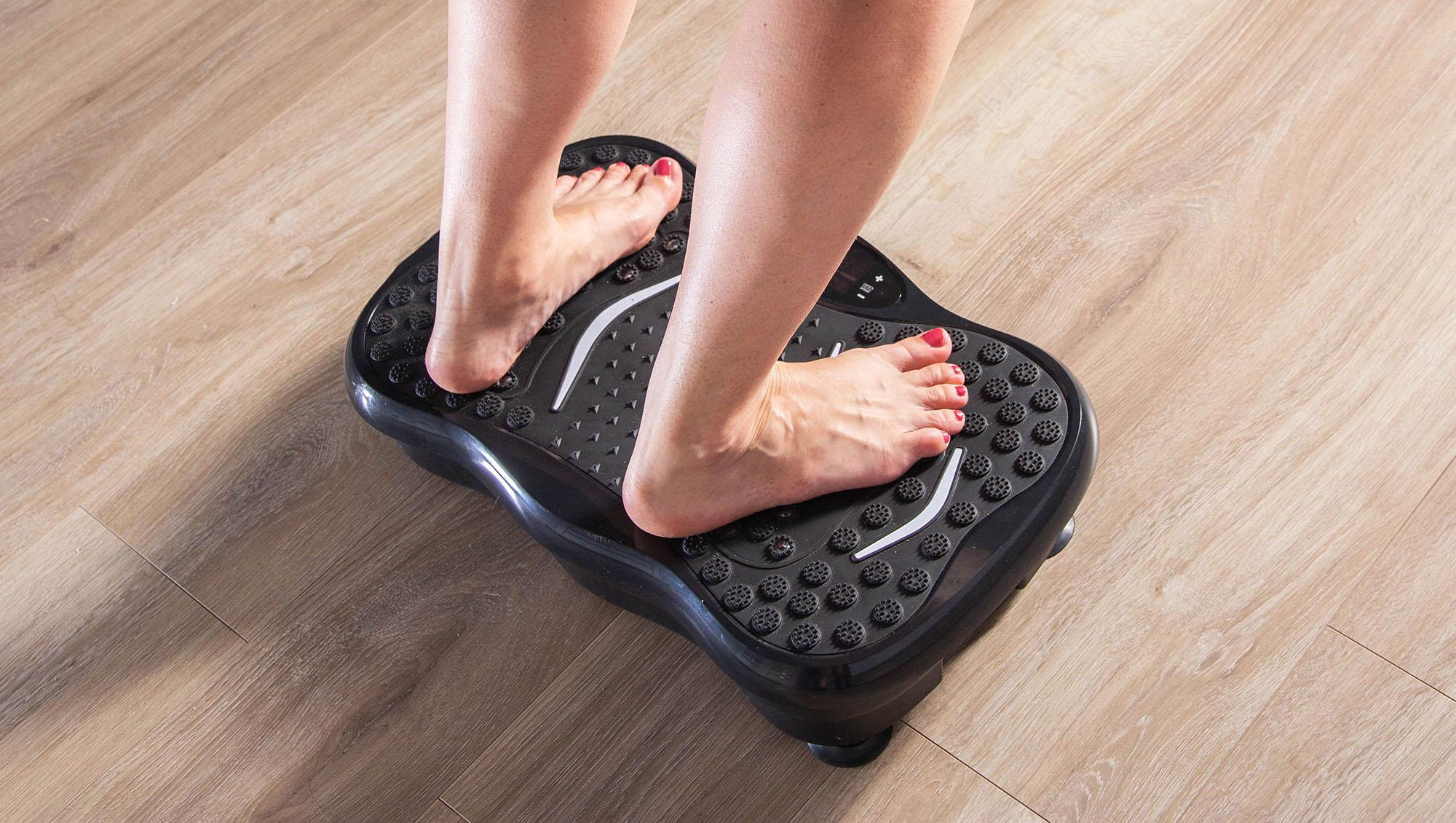
A vibration plate is a flat platform that moves rapidly (from side to side or up and down) to create tiny vibrations through your body. When you stand, squat or stretch on it, your muscles automatically contract and relax in response. Basically, it makes your body work harder without you even realising.
The idea comes from whole-body vibration therapy, which has been used for decades in sports training and rehab. The vibrations stimulate your muscles, circulation, and balance systems. Even a short session can feel incredibly effective.
There are two main types of vibration plates:
Oscillating plates rock gently from side to side. They’re great for beginners and low-impact training.
Linear plates move straight up and down for a stronger, more intense workout. If you’re used to gym training, these are the ones to go for.
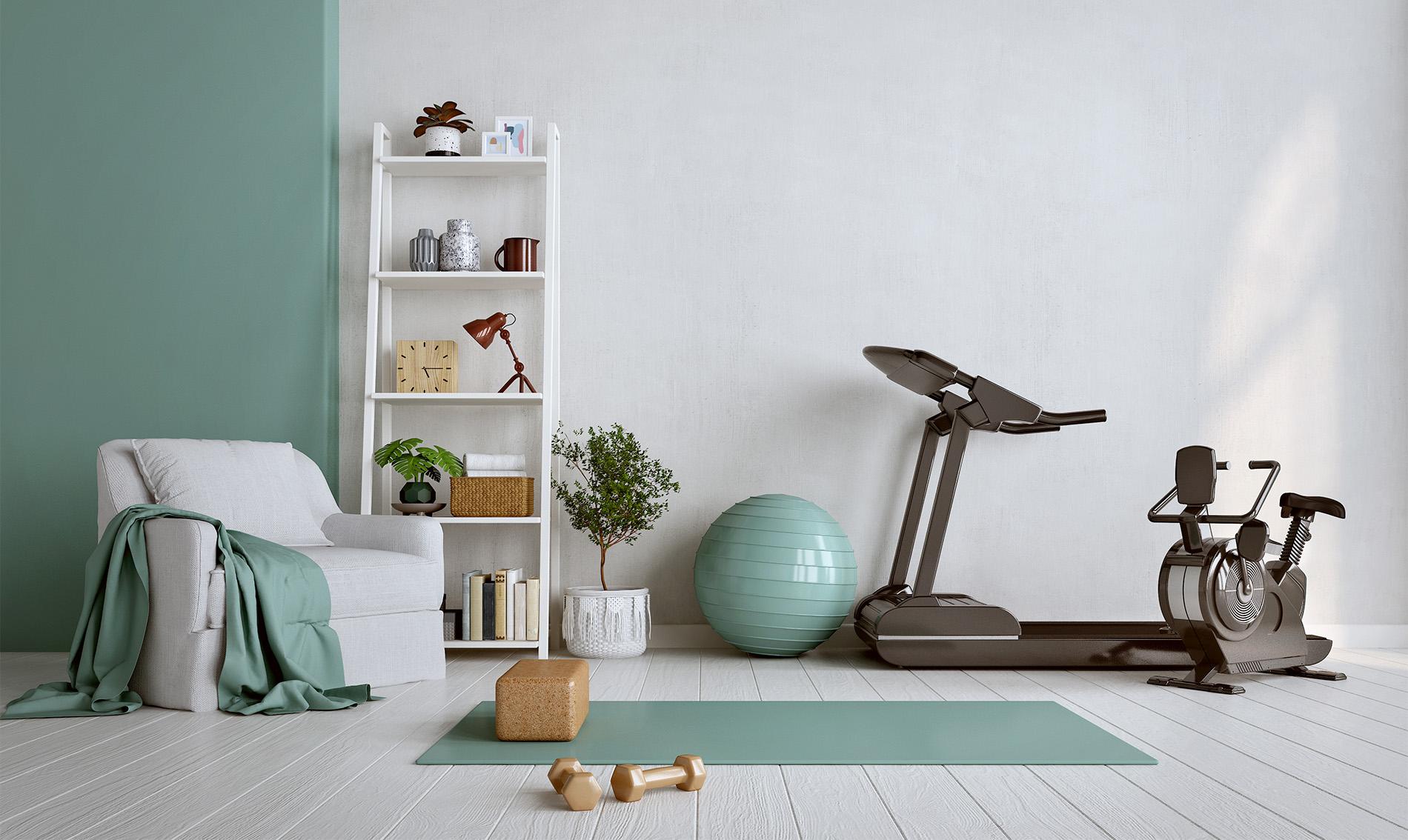
If you’re creating your own home gym or fitness space, vibration plates are easy to slot in alongside other exercise equipment. If you need some inspiration, check out our best home gym ideas.
Are vibration plates safe?
The key thing to remember is that you should always check with your GP before starting any new exercise routine. For most people, vibration plates are safe. But according to NHS advice on exercise safety, they might not be suitable if you’re pregnant, have a pacemaker, or have certain medical conditions like osteoporosis or heart-related issues.
Do vibration plates really work?

The research around vibration plates is actually pretty solid. Reputable studies seem to show they can help improve muscle strength, flexibility, bone density and balance - especially when you use them alongside regular exercise. For example, a 2004 study by the Medicine & Science in Sports & Exercise journal found that participants who used whole-body vibration training saw muscle strength improve up to 20%.
That’s because the constant vibrations activate lots of different muscles at once. Your core, legs and glutes work overtime to keep you stable, meaning even gentle exercises become more effective. There’s also growing evidence that vibration training can support bone health. Some studies even suggest it can slow bone loss in post-menopausal women and older adults.
What it won’t do, however, is replace traditional cardio. Yes, you’ll burn calories while using a plate. But you’ll still need to move, sweat and get your heart rate up elsewhere. Think of vibration plates as an easy way of making your training more efficient - rather than a replacement for traditional exercise.
Top health and fitness benefits of using vibration plates
If you start using a vibration plate regularly, you should soon notice a difference in how your body feels and moves. Here’s some detail on how vibration plates can help your health and fitness:
Improved circulation. Vibrations help stimulate blood flow, delivering more oxygen and nutrients to your muscles. This is great for post-workout recovery and reducing soreness.
Muscle toning. Regular use of a vibration plate can help tone muscles, especially in the legs, glutes, and core. The vibrations engage multiple muscle groups simultaneously, helping you get more out of your workouts.
Bone density. Research shows that vibration therapy can help increase bone density, which is especially beneficial for older adults or those with osteoporosis. A study published in Osteoporosis International found that vibration therapy increased bone mineral density in postmenopausal women.
Flexibility. If you’re feeling tight or stiff, vibration plates can help improve your flexibility over time by loosening up tight muscles.
Recovery. The increased blood flow from vibration therapy helps with muscle recovery. It reduces post-exercise soreness, and speeds up the recovery process.
Weight loss support. While vibration plates alone won’t make you lose weight, they can help you burn calories more efficiently and tone muscles when combined with other exercises.
Are vibration plates good for specific health conditions?
Important note: This section is for general information only and shouldn’t replace medical advice. As we said earlier, if you have a health condition you should always check with your GP before using a vibration plate.
Bone and joint conditions, circulatory and lymphatic conditions, neurological and muscular conditions, and metabolic & hormonal conditions are some health conditions where vibration plates have been studied, by reputable organisations such as Harvard Health Publishing.
While research is still ongoing and results vary, gentle vibration may help with things like flexibility, strength, and circulation - as well as general movement and body awareness. The rhythmic motion of vibration training can feel relaxing, and a lot of users say it helps reduce stress and tension, and even improves sleep when used before bed.
For circulation and pain relief support, you can also explore tools like massage guns or browse our muscle recovery range
How to use a vibration plate for the best results

To get the most out of your vibration plate, aim for 10–15 minutes per session, 3–4 times a week.
Start with basic moves like squats, planks, or stretches. As you get more comfortable, you can try more advanced exercises or increase the duration of your sessions. Just remember to listen to your body and start slowly if you're new to it.
As for when to use vibration plates, it depends on your goals:
Before a workout: Using a vibration plate as part of your warm-up can help activate muscles, improve circulation, and increase flexibility, preparing your body for exercise.
After a workout: Using the plate post-exercise can aid recovery by enhancing blood flow, reducing muscle soreness, and helping with relaxation.
How to choose the best vibration plate
Picking the right vibration plate comes down to matching it with your fitness goals and home set-up. Here are some key things to keep in mind:
Plate type. Beginners usually do best with oscillating plates. They’re steadier and easier to get used to. If you’re after something more intense, you’ll probably prefer the stronger and up-and-down vibrations that linear plates produce.
Vibration frequency. Lower frequencies are gentler and great for balance, while higher frequencies give a stronger muscle workout.
Size. Make sure the plate fits your space. Bigger plates give you the chance to do more exercises, compact models are handy for smaller rooms.
Features. Extras like resistance bands, preset programs, and adjustable intensity can make workouts more fun and varied.
FAQs
Do vibration plates really help you lose weight?
Yes, they can help. Regular use can tone muscles, boost your metabolism, and support weight loss - especially when combined with a healthy diet and regular workouts. Think of it as a helpful nudge, not a magic solution.
How long should I use a vibration plate each day?
Most people get good results with 10–15 minutes per session, 3–4 times a week. Short, consistent sessions can improve muscle tone and flexibility without eating up your day.
Can vibration plates replace exercise?
Not really. They’re a great supplement, helping tone muscles and improve circulation, but they work best alongside regular workouts like walking, strength training, or yoga.
Are vibration plates safe for older adults?
Yes. They can help improve balance, flexibility, and bone density. Starting on lower frequencies and shorter sessions is smart, and checking with a GP before you start is always a good idea.
Do vibration plates tighten skin?
They can improve skin tone by boosting circulation, but they’re not a miracle solution for sagging skin. They’re more of a small extra benefit, alongside regular exercise and skincare.
Who shouldn’t use vibration plates?
Pregnant women, people with pacemakers, or those with certain heart, joint, or neurological conditions should avoid them. Anyone unsure should consult their GP.
Can I use a vibration plate after eating?
You should wait at least 30 minutes after a meal before you use vibration plates, to avoid feeling any discomfort. Light snacks are probably fine, but heavier meals are best avoided.
Need more advice?
If you’re not sure which fitness tech to buy, pop into a store to chat with a colleague. They’ll help you compare products and answer all your questions. Curious about what else is trending in fitness right now? Check out the biggest fitness trends of 2025.