


The other night I watched Adolescence on Netflix. It’s an incredible drama that deals with a shocking incident, and highlights the challenges teenagers face with school, social media, and personal relationships. And as a father of young children, it really got me thinking.
One of the most unsettling parts was seeing how cyberbullying plays out. How a single cruel comment can spiral into something overwhelming, how social media can make it impossible to escape, and how even well-meaning kids can get swept up in it. And it made me wonder, how much do I know about my kids’ online world? Am I doing enough to keep them safe?
I did some research, found advice from expert organisations, and decided to create this guide for other parents who want to be more informed. I’ve split it into the questions I most wanted answered after watching Adolescence. This is just a starting point, and there are some amazing organisations out there (some of which I list below). But hopefully parents will find this useful if they’re not sure where to start.
How does screen time affect kids’ mental health and friendships?
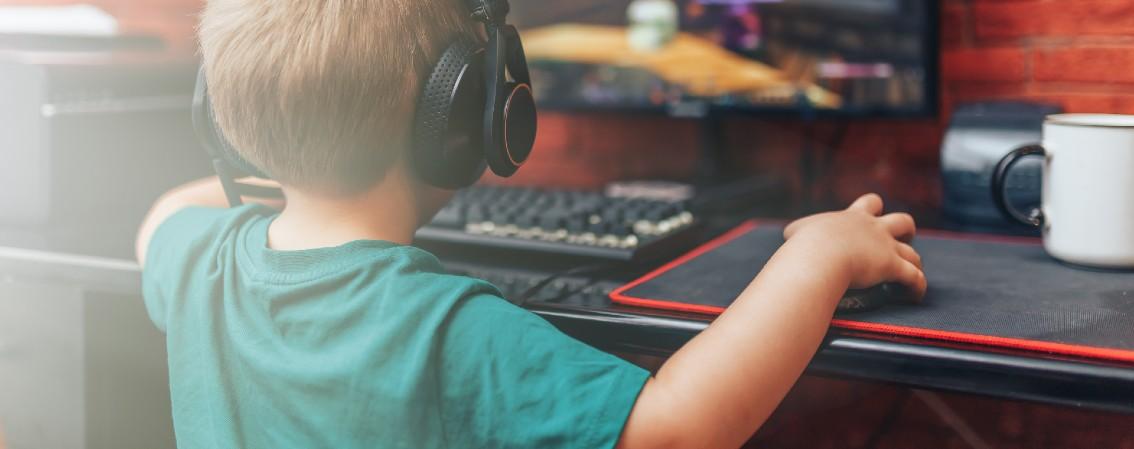
We all know kids spend a lot of time on their phones, but is it actually harming them? Well, it depends. According to YoungMinds mental health charity, too much screen time can contribute to anxiety, stress, and disrupted sleep. Especially if kids are constantly checking notifications or comparing themselves to others on social media.
Friendships are another tricky area. On the one hand, digital platforms help kids stay connected, especially if they struggle with face-to-face interactions. On the other, social media can create pressure and FOMO (fear of missing out) when kids see their friends hanging out without them.
The key takeaway? Balance is everything. Screen time itself isn’t the enemy, but how it’s used really matters.
Can social media make cyberbullying worse?
The biggest problem with cyberbullying is that it doesn’t stop when the school bell rings. Kids can be targeted anytime, anywhere. According to the UK Safer Internet Centre, 12% of young people in the UK are affected by cyberbullying.
Social media can make bullying worse because:
It's constant. There are no safe spaces. Hurtful messages can pop up day or night.
It's public. A cruel comment or embarrassing photo can be shared widely.
It's easy to hide behind a screen. People say things online they’d never say in person.
And because everything online feels instant, kids sometimes act before they think—sending messages or posting things they regret later. Social media can be an unforgiving place when you're still growing up.
What can I do to teach my kids online safety?

Experts at Internet Matters say open conversations are incredibly important when it comes to keeping your kids safe online. Instead of just setting rules, we need to talk to our kids about online life - what they enjoy, what worries them, and what they see happening. Here are three tips to help you get started:
Make online safety a normal conversation. No lectures, however tempting that might be. Just have casual chats.
Ask positive questions. “What’s the best thing you saw online today?” can lead to interesting and useful discussions.
Help your kids think before they post. A great rule to teach them is this - if they wouldn’t say it in person, they shouldn’t say it online.
What are some good ways to keep kids safe online?
There are some quick and easy ways to make online spaces safer for your kids without hovering over their shoulders all the time:
Set parental controls. Platforms like YouTube, TikTok, and gaming consoles have settings to restrict content. Internet Matters has step-by-step guides for all of them.
Use privacy settings. Help your child lock down their profiles so only friends can see what they post.
Keep personal info private. If your kids are posting on social media, teach them to avoid using full names, school names, or locations.
Set screen-free times. No phones at bedtimes is a good rule, despite what your kids might think. Late-night social media is where a lot of drama happens.
How can I tell if my child is experiencing cyberbullying?
Not all kids will come straight out and say they’re being bullied online, so it’s important to look for signs. Kidscape (help with bullying) says to watch out for:
Avoiding their phone or social media. If they suddenly stop using their favourite apps, something might be up.
Mood changes. Becoming more withdrawn, irritable, or upset for no clear reason.
Loss of interest in things they used to enjoy. A change in behaviour might mean they’re struggling with something.
What should I do if I find out that my child is being bullied online?
If your child is being bullied online, here are some things the experts at Childline recommend:
Staying calm. Reacting too strongly might make them shut down.
Listening first. Let them explain before jumping into problem-solving mode.
Saving the evidence. Take screenshots of messages, comments, or posts.
Report and block. Most platforms have options to report bullying. Schools can help too.
Offering support. Sometimes they just need to know you’re on their side.
What if my child is involved in cyberbullying?
This is tough to think about, but it’s important. According to the Anti-Bullying Alliance, sometimes kids don’t even realize they’re being bullies. So, if you’re worried your child might be part of the problem, here are a few things you can do:
Listen to them. Try to keep calm and take things slowly. Have a chat, and out what’s going on before jumping to conclusions.
Help them understand. Ask questions like, “How would you feel if someone said that to you?”
Set clear expectations. Make sure they know online actions have real consequences.
Remember – this shouldn’t be about punishment. Your focus should be on teaching empathy and respect, which is the best way to avoid this kind of thing happening again.
How can my kids have positive online experiences?

It’s important to remember that the internet isn’t all bad, so let’s end on a positive note. There are loads of positive ways for kids to engage online.
Encourage creativity. Whether it’s gaming, coding, or making videos, help them find things where they can use their imagination and learn new skills.
Look out for online learning resources. ‘BBC Own It’ is a great programme that teaches kids how to enjoy digital life safely.
Lead by example. If we’re constantly glued to our phones, we can’t expect our kids to be any different. So, it might be time to teach ourselves some good habits!
Organisations that can help
After looking into this subject, I feel a lot more prepared to help my kids navigate their online world. Cyberbullying is a serious issue, but with the right tools and conversations, you can protect your kids - and teach them how to protect themselves. If you need more support, these UK organisations are well worth checking out:
NSPCC Advice on child protection and online safety.
Childline A safe space for kids to talk.
Internet Matters Practical guides for parents.
Kidscape Help with bullying prevention.
Anti-Bullying Alliance Resources for tackling bullying.