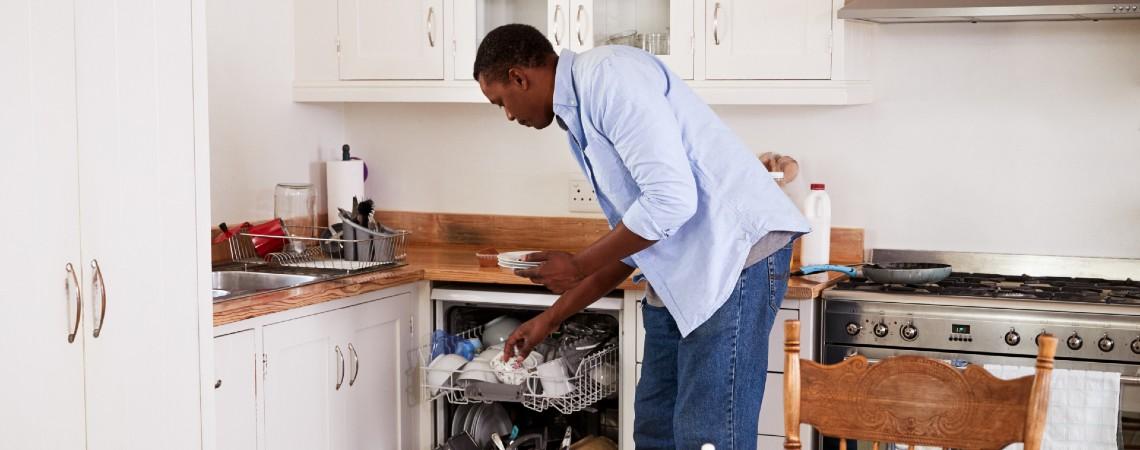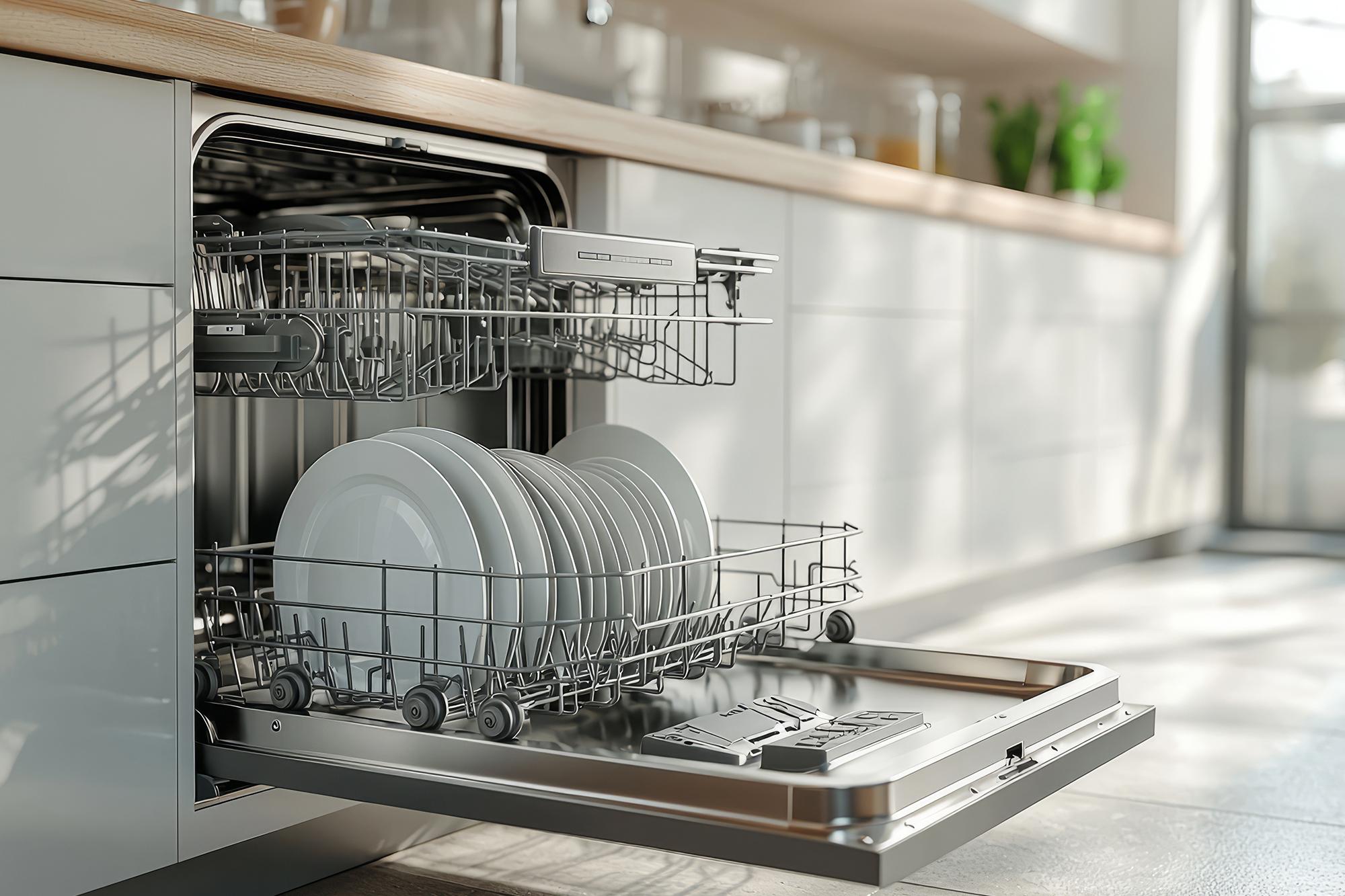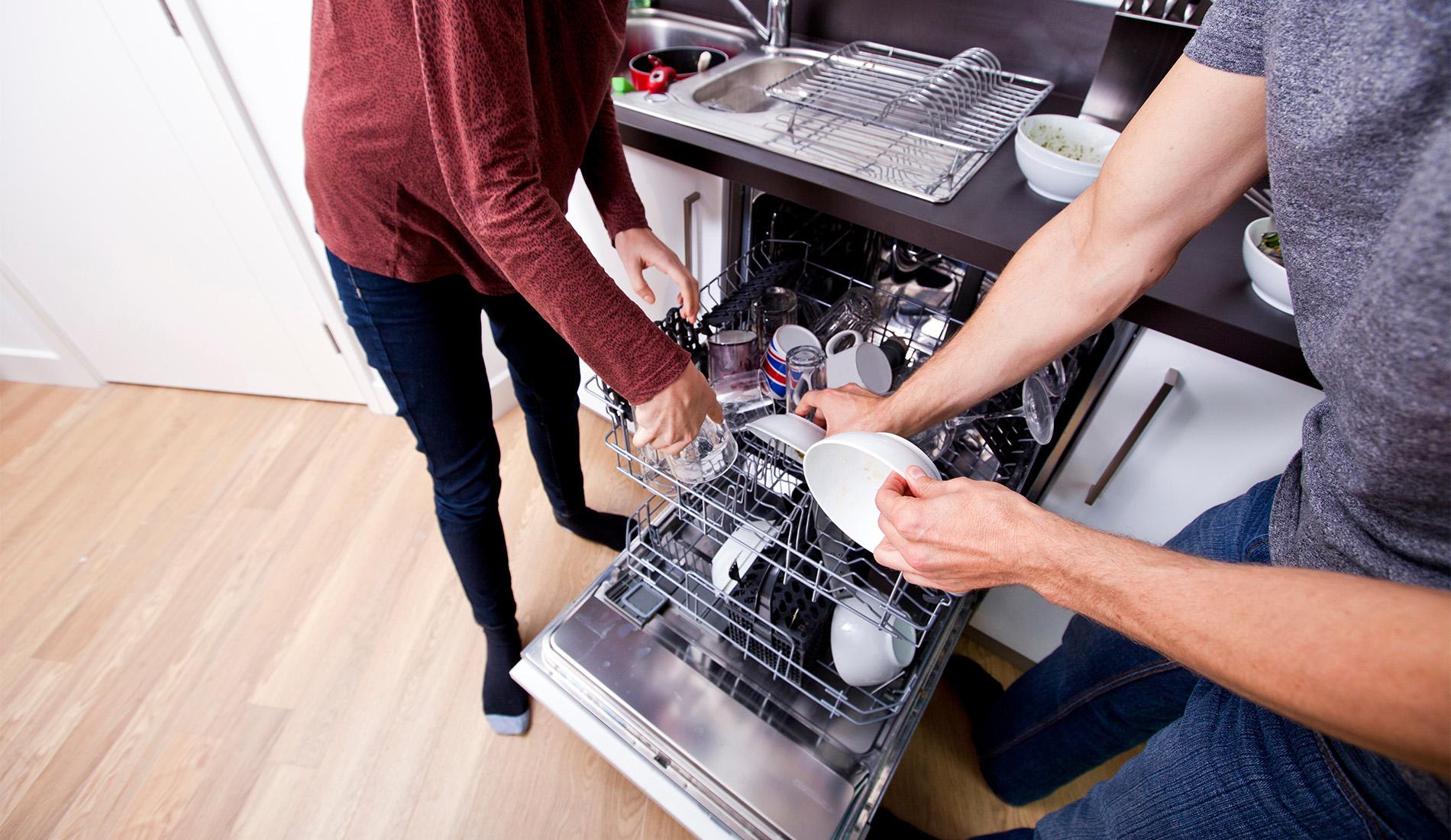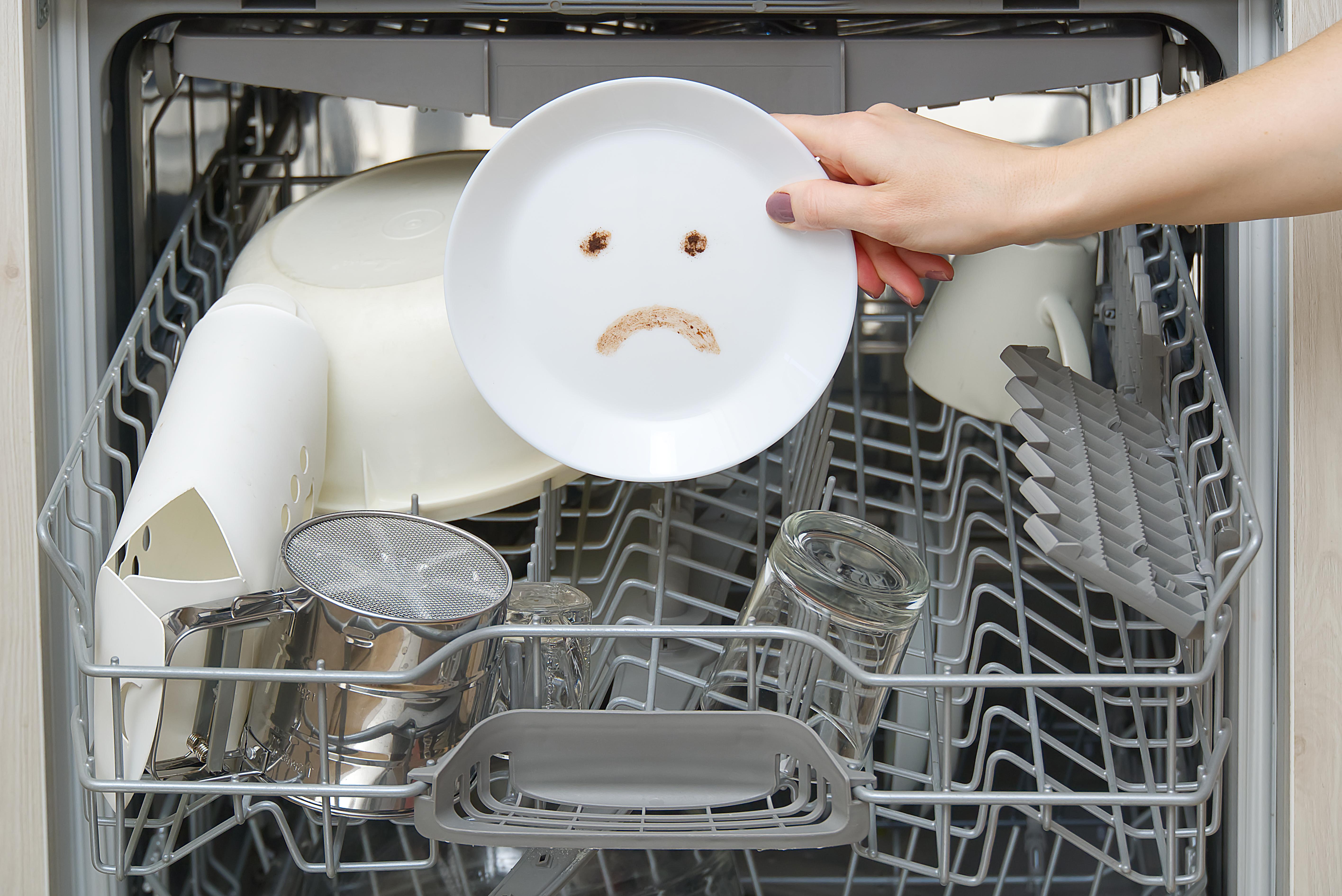


Ever wondered if your dishwasher is saving water or secretly wasting it? With water bills creeping up and sustainability on everyone’s radar, it’s a smart question to ask. The good news is that modern dishwashers are surprisingly efficient. In fact, they often use less water than washing up by hand - as long as you use them correctly.
Let’s dive into the numbers, compare dishwashers to handwashing and share practical tips to keep your water usage (and bills) as low as possible.
Average dishwasher water use
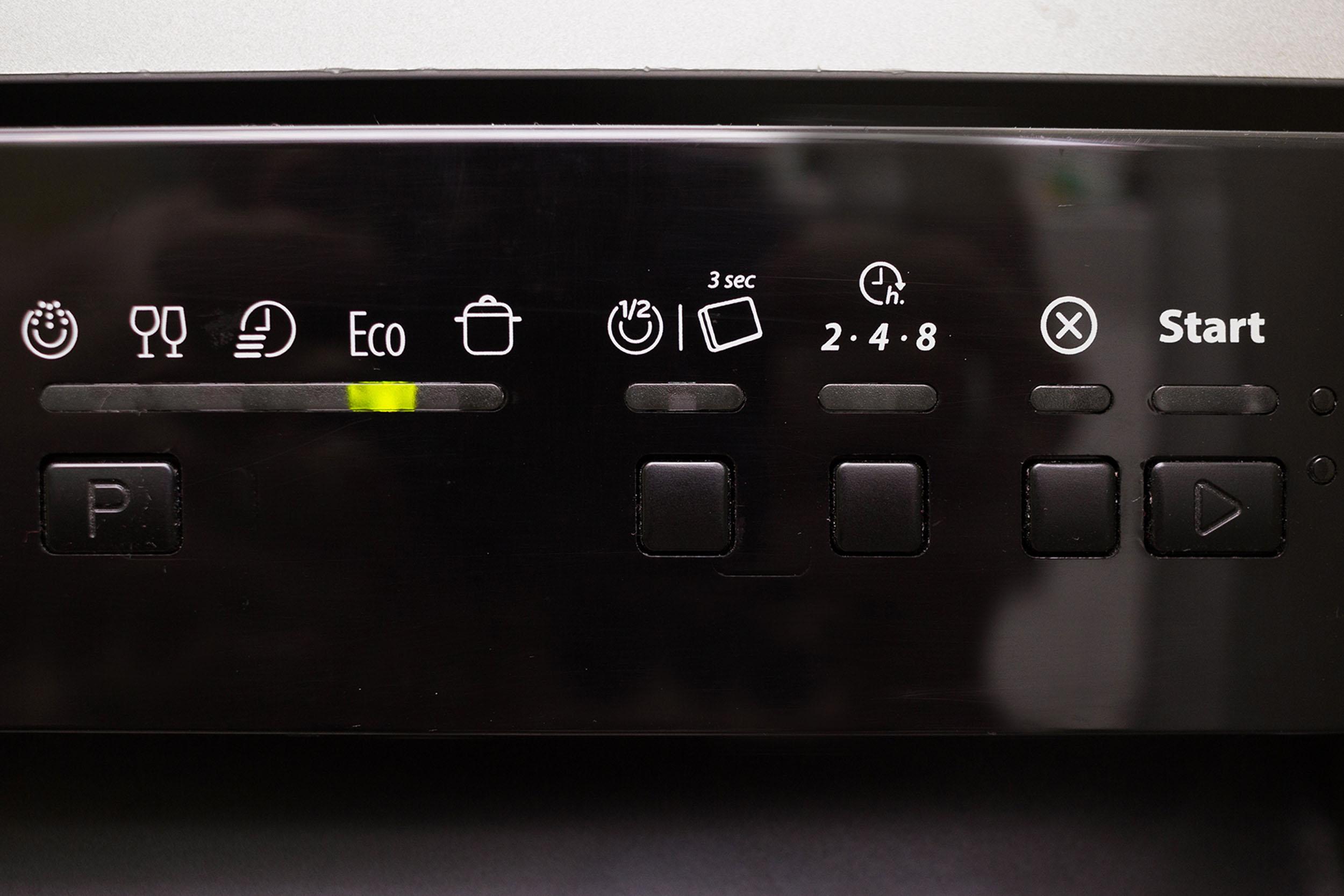
According to Householdinside.com, modern dishwashers in the UK typically use between 10 and 15 litres per cycle. That’s less than you might think - especially when you consider that older models could use up to 38 litres for the same job. If you choose an Eco cycle, you could use as little as 9 litres per cycle.
This efficiency is thanks to clever design improvements, like targeted spray arms and sensors that adjust water based on load size. If you’re thinking about upgrading, check out the latest Low water usage dishwashers - they’re built to save water without compromising on cleaning power.

Dishwashers vs handwashing
Here’s a stat that might surprise you: washing a full load of dishes and cutlery by hand can use up to 40 litres of water - sometimes more if you keep the tap running. Compare that to a dishwasher’s 9 - 14 litres, and the difference is clear. Even if you’re careful, filling and refilling the sink adds up quickly.
The key is to load your dishwasher fully. Running half-empty cycles wastes water and energy, so wait until you’ve got a full load before pressing start.
What affects dishwasher water use
Not all dishwashers are equal when it comes to water efficiency. Here are the main factors that make a difference:
Machine age – Older models are far less efficient.
Load size – Half loads waste water; full loads are best.
Cycle type – Intensive cycles use more water than eco programs.
Energy rating – Higher-rated machines are designed to save water and energy.
Ways to save water with your dishwasher
Want to cut water use even further? Try these practical tips:
Choose eco cycles – They take longer but use less water and energy. So if you’re not in a rush and want to save long term, eco cycles are the best.
Load it properly – That means loading the baskets carefully and using the space to its best. You’ll fit lots more in!
Skip pre-rinsing – Modern detergents don’t need it and rinsing under the tap wastes litres. As long as you wipe loose food off your dishes, that’s enough.
Maintain your machine – Clean filters and spray arms regularly to keep water flowing efficiently.
Need help with maintenance? Check out how to drain a dishwasher: a step-by-step guide.

How much water do older dishwashers use?
If your dishwasher is more than 10 years old, it could be using three to four times more water than a newer model. Upgrading could save thousands of litres per year – which will help you cut down on waste.
Eco settings explained
Eco programs work by using lower temperatures and longer cycles, which means less water and energy overall. Extra time doesn’t mean extra resources - these settings are designed for maximum efficiency. In fact, the longer cycle allows the detergent to work better, so you get sparkling dishes without wasting water and energy.
Impact on water bills
So what does this mean for your wallet? If you switch from handwashing to a modern dishwasher and use eco settings, you could save a lot of water.
Water usage per wash
Handwashing: Around 4.5 litres per place setting, or roughly 63 litres for 14 place settings (a typical full load). [which.co.uk]
Modern Dishwasher (Eco Mode): About 10 litres for 14 place settings (≈0.7 litres per setting). [which.co.uk]
Annual water use
Assuming:
An average UK household runs one full load per day (365 cycles/year).
Each load = 14 place settings.
That’s about 19,000 litres saved annually, or roughly 80–85% less water by switching to a modern dishwasher on eco mode.
Now let’s add in UK electricity cost in late 2025, energy use per load for handwashing and dishwashing.
Combining the cost of both the water (and more expensively) heating the water and you could save £227 a year!
Final thoughts
Dishwashers aren’t just about convenience - they’re often the smarter choice for water conservation. By choosing the right settings, loading efficiently and maintaining your machine, you can keep your dishes sparkling while saving water and money.
What’s next?
If you’re looking for a modern dishwasher loaded with efficient features, check out our Dishwasher buying guide.