

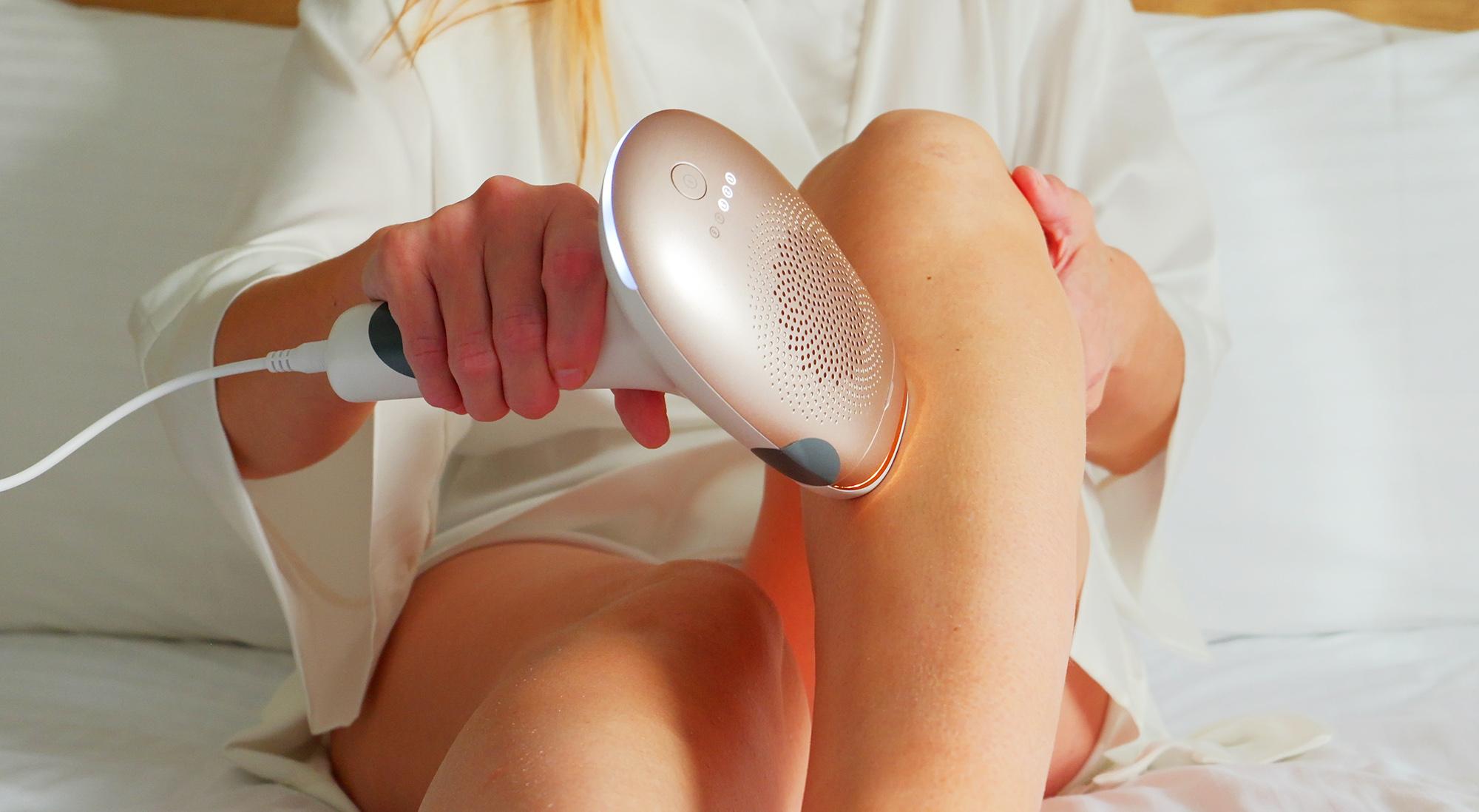
IPL (intense pulsed light) hair removal works best on dark brown or black hair. It’s not very effective on grey and white, because the treatment targets hair pigment – which darker shades have more of.
Thinking about trying IPL hair removal at home? According to the British Journal of Dermatology, it can reduce hair growth by 50-70% after a handful of sessions. But hair colour really matters. So in this guide, we’ll explain how IPL works, which hair colours see the best results, and the most important things to consider before you choose an IPL device.
How does IPL hair removal work?
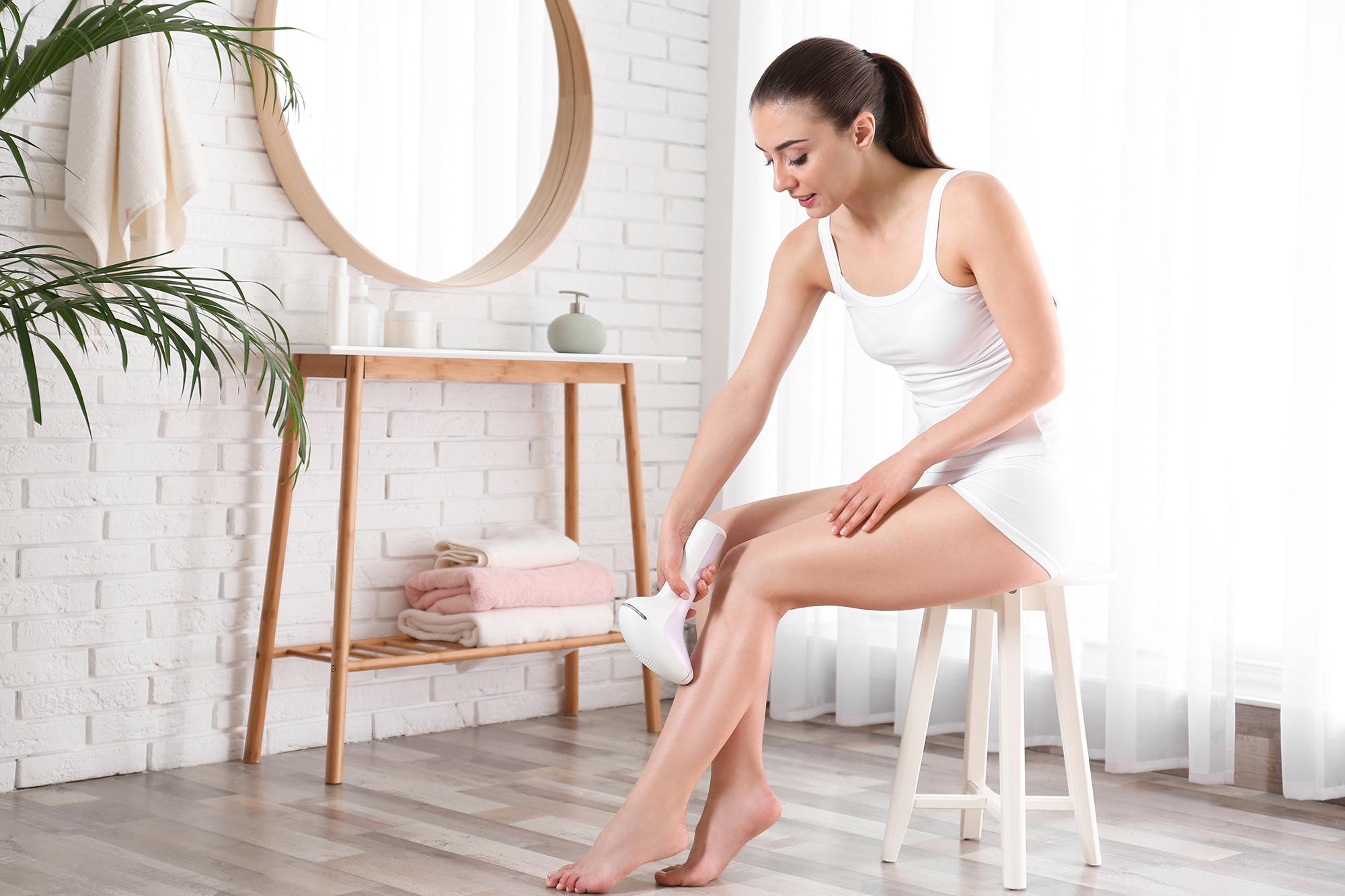
IPL uses gentle flashes of light to target the pigment (or melanin) in your hair. When the light is absorbed by the hair follicle it turns into heat energy. Which helps disrupt the hair’s growth cycle.
Unlike shaving, which only removes hair at the surface of your skin, IPL works by targeting the follicle itself. Over time, regular treatments can help slow down hair growth, leaving hair looking finer and less noticeable.

If you’re treating different areas, the Philips Lumea 8000 Series IPL hair removal system comes with attachments designed for your face, body and bikini line. It includes a face attachment with an integrated light filter, for safe treatment of your upper lip, chin and sideburns.
If you want to learn more about how treatments work at home, our guide to IPL hair removal covers all the basics.
How does IPL work on different hair colours?
Here’s a breakdown of how different hair colours respond to IPL treatment:
| Hair colour | How well does IPL work? | Why? |
|---|---|---|
| Black & dark brown | Usually the most effective. | High levels of melanin give the IPL more pigment to target. |
| Dark blonde | Might work, depending on the shade and device. | Contains some melanin, but less than darker hair. |
| Light blonde | Results are often limited. | Lower melanin levels mean less pigment for IPL to target. |
| Red | Can be difficult to treat. | Red hair contains a different type of pigment, so results vary. |
| Grey, white & very light | Generally not effective. | These hair colours contain little or no melanin, so IPL has very little pigment to target. |
How skin tone affects IPL results
Hair colour is only one part of the picture. Your skin tone also affects how IPL works. This is because the technology relies on the contrast between hair and skin.
A strong contrast (such as dark hair on lighter skin) makes it easier for the device to focus light energy on the hair follicle. If you have a deeper skin tone, check the manufacturer’s compatibility advice before using IPL. Not every device is suitable for every skin tone.
A lot of new IPL devices include smart sensors that can check skin tone. For example, the Braun Silk-expert Pro 5 IPL hair removal system uses Skin Pro 2.0 technology to automatically adjust light intensity, so you can be sure that you’re always on the right setting.
How to check if an IPL device is suitable for you
Before you choose an IPL device, it’s worth checking a few things to make sure it’s right for you.
Start with the manufacturer’s compatibility chart. This will show which hair colours and skin tones the device is designed for. It’s also useful to check:
Which areas of your body you can use it on
How often treatments are recommended
Whether it comes with different attachments
Safety guidance, including patch testing advice
IPL myths and misconceptions

There are plenty of myths around IPL, so let’s clear up the ones we hear the most:
“IPL works on every hair colour.”
We wish it were that simple! IPL needs pigment to work, which is why dark brown and black hair usually respond best. Lighter shades like blonde, red, grey and white hair can be more difficult because they don’t contain as much melanin for the light to target.
“You’ll see results after one treatment.”
IPL doesn’t happen overnight. Your hair grows in different cycles, and IPL only targets hairs that are in the right stage of growth at the time of treatment. That’s why it’s important to stick to a regular routine. The best results usually come from consistency, rather than one quick session.
“If I use IPL more often, I’ll get faster results.”
More isn’t always better. Using IPL more frequently than recommended won’t necessarily speed things up and could leave your skin feeling irritated. Follow the schedule that comes with your device and give your skin time between treatments.
IPL safety advice
Before you get started, check the manufacturer’s instructions for additional safety advice. Some medications can make your skin more sensitive to light, and certain skin conditions might mean IPL isn’t right for you. It’s also worth waiting if you’ve recently come back from a holiday with a tan, as your skin will need time to return to its normal tone.
If you have a skin or health condition, you should always speak to your GP before you use an IPL device. If you’re pregnant, healthcare experts recommend that you don’t use IPL.
Need more advice?
Looking for more advice on ladies hair removal or beauty tech devices? Check out our guide to the best hairstyling and hair removal tools, or pop in-store and speak to one of our expert colleagues.
FAQs
What hair colour does IPL work on?
IPL usually works best on black and dark brown hair because these shades contain more melanin. Dark blonde hair might also respond. But very light blonde, grey and white hair often doesn’t contain enough pigment for effective IPL treatment.
Why can’t you use IPL on grey hair? Is there an IPL that works on grey hair?
Grey hair contains little or no melanin, so IPL has very little pigment to target. Most IPL devices aren’t designed to remove grey or white hair effectively, so other hair removal methods may be a better option.
Can I use IPL if I’m blonde?
It depends on your shade of blonde. Dark blonde hair may respond because it contains more pigment, while very light blonde hair is less likely to. Always check your device’s compatibility guide before starting.
Can you see results after one IPL treatment?
Most people won’t see significant results after one session. IPL works gradually by targeting hairs during different growth stages, so regular treatments are needed before you notice a bigger reduction in hair growth.
What happens if I use IPL every day?
Using IPL more often than recommended won’t make results appear faster and might irritate your skin. Follow the treatment schedule provided with your device for the safest and most effective results.
How long does it take to see results from IPL hair removal?
Results vary, but a lot of people start to see less hair growth after a few treatments. Most devices suggest you should use them regularly for several weeks, and then just use them from time to time.