

Ah, the joys of a mouth-watering chicken - either roasted in the oven or butterflied for the barbecue! But if you’re going to dig that frozen chicken out of the freezer, you have to get the defrosting just right – and that can be unnerving if you haven’t done it before.
Fortunately, defrosting chicken in the fridge freezer is a safe and easy method that preserves the quality and flavour of your bird. In this guide, we'll walk you through the process, covering all your thawing questions – like how long it takes and how you can defrost chicken safely. So, let's get started!

How long does chicken take to defrost in the fridge?
Defrosting chicken in the fridge is a slower process than trying to defrost it in the microwave, but it ensures the chicken remains at a safe temperature throughout. The time it takes for your chicken to thaw will depend on its size.
Small chicken pieces - boneless breasts or wings take around 24 hours to defrost.
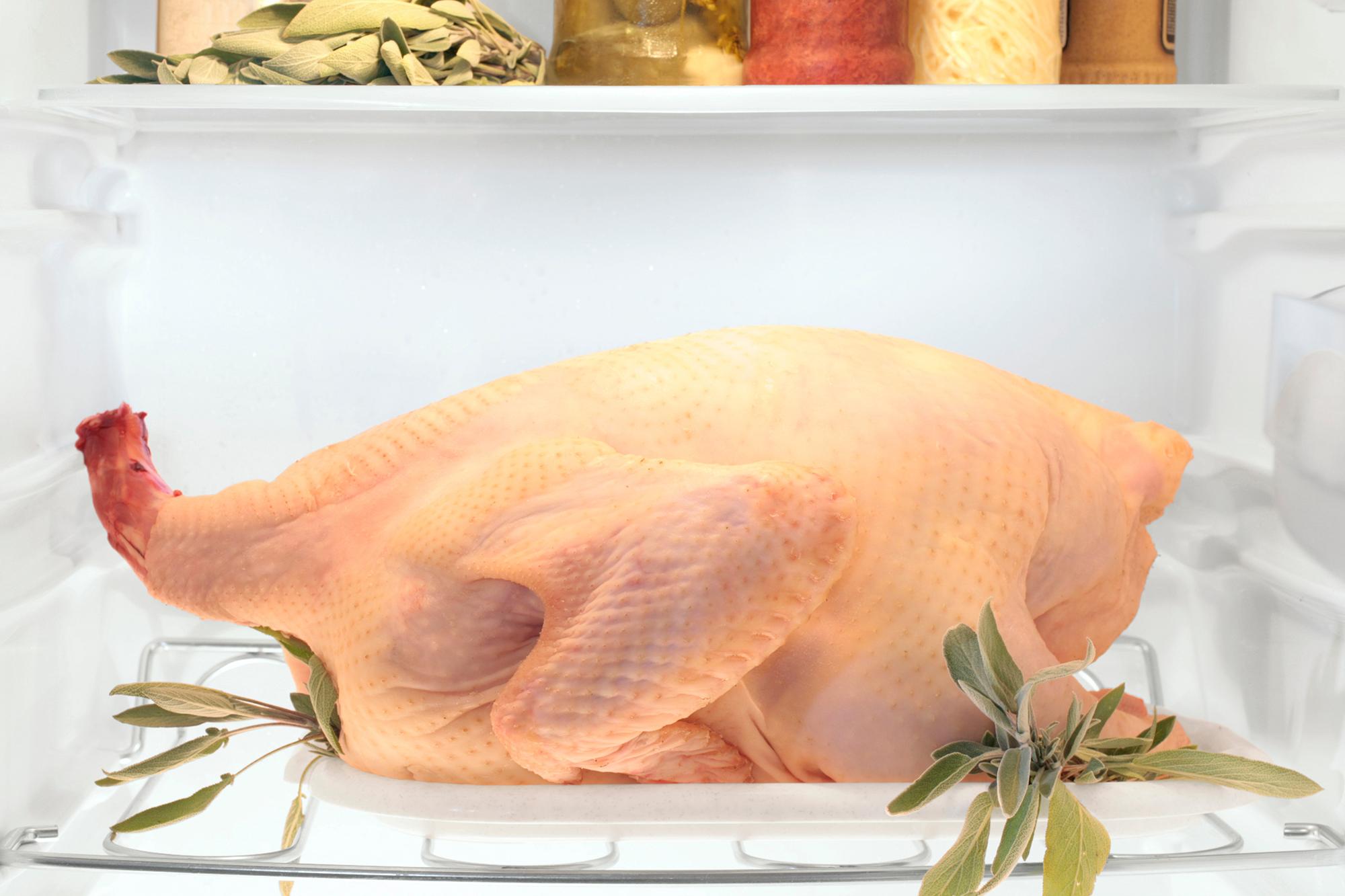
Whole chickens - allow 1 to 2 days to thaw completely.
Remember, patience is key! Avoid rushing the process by using methods like hot water, which can lead to uneven thawing and may not be safe. Most fridges are cooler at the top than at the bottom, so let the chicken thaw lower down and keep it in its packaging to avoid leakage. Yuck!
Defrosting in the fridge allows the chicken to thaw uniformly and keeps harmful bacteria at bay. So, plan ahead and give your chicken ample time to thaw.

How long does defrosted chicken last in the fridge?
Once your chicken has thawed in the fridge, you might be wondering how long you can keep it in there before it needs to be cooked. Generally, defrosted chicken should be cooked within 1 to 2 days of thawing. This keeps your chicken fresh and minimises the risk of harmful bacterial growing. You’ll want to make sure that your fridge stays at the right temperature to help it last longer.
If your plans are cancelled and it looks like you won’t be dining on chicken any time soon, you have some options. You can cook the chicken and then safely store the leftovers in the fridge for an additional 3 to 4 days. Alternatively, you can freeze the chicken again, but keep in mind that refreezing may affect the texture and taste of the meat. It's always best to use defrosted chicken as soon as possible for the tastiest chicken.
Can you put defrosted chicken back in the fridge?
While it's not recommended to refreeze raw chicken after it has been defrosted, you can put defrosted chicken back in the fridge for a short period. If you thawed the chicken in the refrigerator but don't have time to cook it immediately, you can store it in the fridge for up to 24 hours before cooking.
Just remember that every time you freeze and thaw a chicken, it can lose a bit of its texture and taste. Our best advice is to plan meals ahead of time to avoid having to refreeze defrosted chicken.

Tips for safe chicken defrosting
Want to keep things safe and simple while your chicken thaws? Here’s a few extra tips that’ll help…
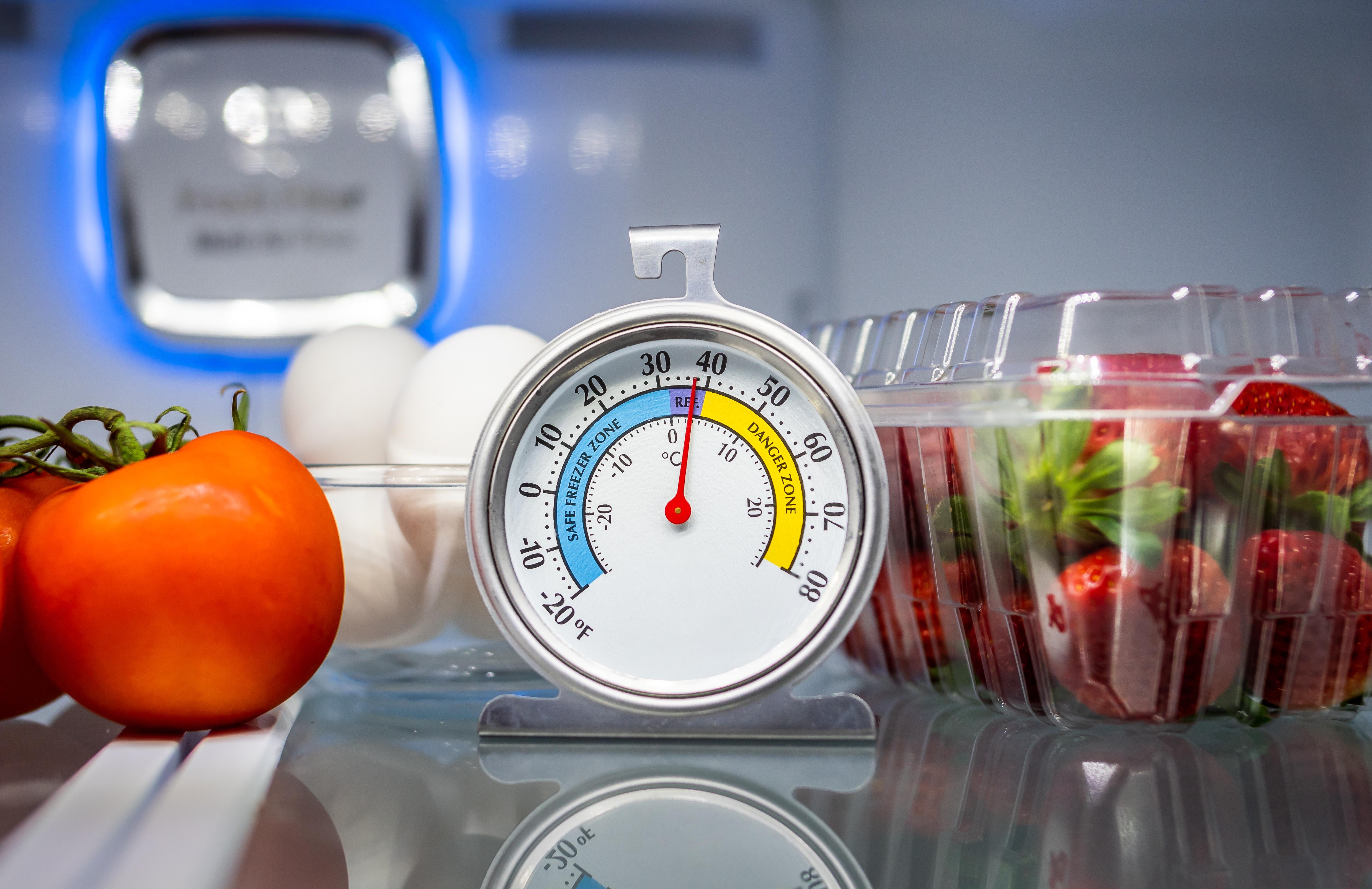
Keep your fridge cold enough – Make sure your fridge is set to 5°C or below. This stops bacteria from growing while your chicken defrosts. It can multiply faster than you think!
Use a leak-proof container or bowl – Pop the chicken in a dish or container to catch any juices. It’ll stop raw chicken liquid from dripping onto other food too.
Store it on the bottom shelf – Speaking of drips, always defrost your meat on the lowest shelf in the fridge. That way, if anything does leak, it won’t get over everything else.
Keep it wrapped – Leave it in its original packaging or wrap it up tightly in a freezer bag. You’ll prevent cross-contamination and keep things nice and tidy.
Label and date your chicken – If you’re defrosting more than one breast, thigh or an entire bird, a quick label helps you keep track and avoid mix-ups.
Common mistakes to avoid
It’s easy to have a kitchen nightmare when you’re defrosting chicken, especially if you’re in a rush. So, you’ll want to steer clear of this lot…
Don’t use hot water – It might seem quicker, but hot water will warm the chicken unevenly and create a perfect spot for bacteria to grow.
Don’t leave it out on the counter – Room temperature chicken is risky. Bacteria will thrive, especially on the surface of the meat.
Don’t try to cook it to defrost it – Starting with frozen chicken in the pan or your oven can end up with uneven cooking. Some thicker parts might stay raw, while others will be done – which obviously isn’t safe.
Final food safety checks before cooking
Once your chicken is fully defrosted, it’s time to cook. But make sure you don’t skip these final safety checks…
Feel for even softness – The chicken should be soft all the way through, with no icy patches or stiffness. If bits of it still feel frozen, give it some more time in the fridge.
Check for excess liquid – Lots of liquid swishing about the packaging? Carefully drain it away and wash your hands with warm soapy water. This’ll stop the spread of bad bacteria.
Smell it – Fresh chicken tends to have a very mild smell. On the flip side, if it smells sour or off to you, it’s best to play it safe and chuck it in the bin.
Keep it chilled until cooking – Don’t leave defrosted chicken sitting out. Leave it in the fridge until you’re ready to cook it.

Stay safe!
Always prioritise food safety and your health. We hate waste, but if in doubt you might have to throw out the chicken. To avoid that, keep your fridge at a temperature below 5°C and ensure proper hygiene during handling and cooking. When cooking, use a food thermometer to check that the chicken reaches a safe internal temperature of 74°C.
By following these simple tips and steps, you'll master the art of the fridge defrost, avoid food waste and be well on your way to creating mouth-watering dishes that’ll earn you serious brownie points with friends and family.
And now that your chicken is thawed – find out how to cook a whole chicken. You won’t even need to turn your oven on!