


What is RGB TV?
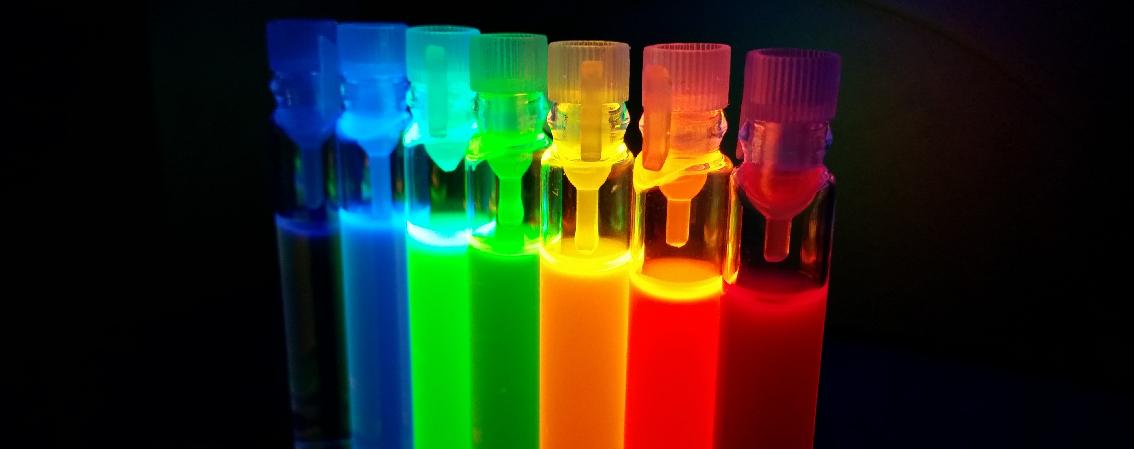
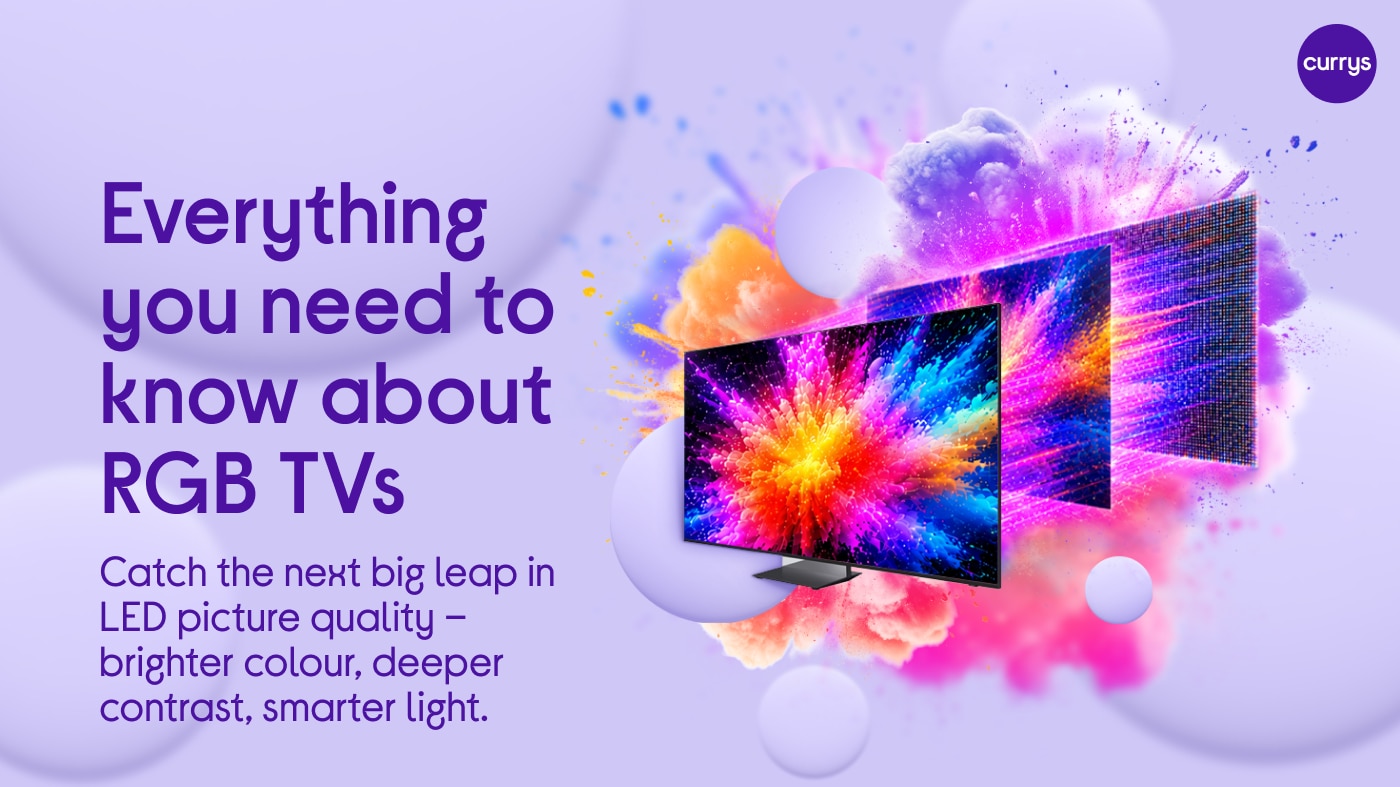
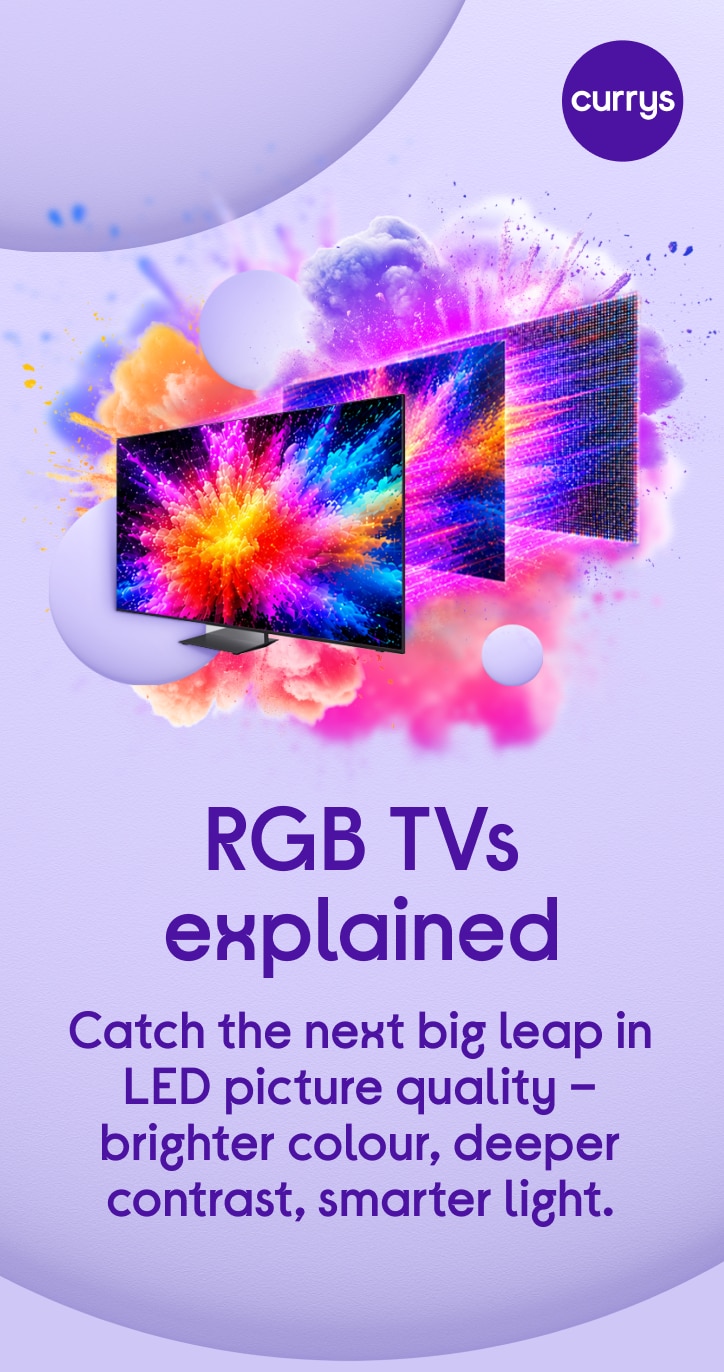
Most LED TVs start with a white or blue backlight, then filter it into colour. RGB TVs use red, green and blue LEDs in the backlight itself. That means purer colours before the image even reaches the screen.
Also known as: RGB Mini LED or Micro RGB - same idea, different names.
Explore RGB TVs
What is RGB TV?
Most LED TVs start with a white or blue backlight, then filter it into colour. RGB TVs use red, green and blue LEDs in the backlight itself. That means purer colours before the image even reaches the screen.
Also known as: RGB Mini LED or Micro RGB - same idea, different names.
Explore RGB TVsWhy RGB TVs improve picture quality

Colour
Richer, more realistic colour. More accurate reds, cleaner greens and deeper blues.

Brightness
More brightness, same power.
Higher peaks without cranking the energy use.

Contrast
Darker blacks, fewer halos. Better control around bright objects on dark scenes.
See the difference
RGB TVs don't just look different on paper. They look different in real scenes.
Meet the RGB TVs
First shown at CES 2025, RGB is being offered by the biggest names in TV.

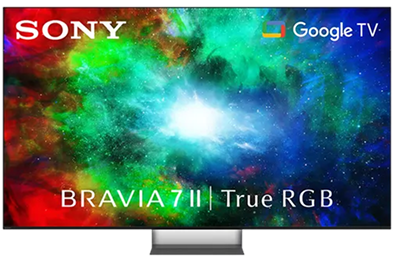
Sony
True RGB uses independent RGB control for precise colours and contrast

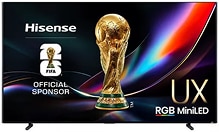
Hisense
Pioneer of consumer RGB Mini LED and massive sizes up to 116

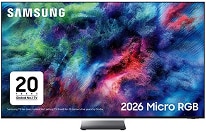
Samsung
Micro RGB with precision zones and boosted brightness

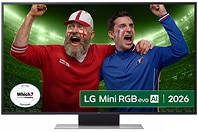
LG
Micro RGB evo - all about colour accuracy and processing

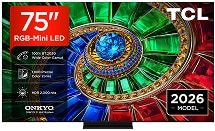
TCL
Micro RGB for high-impact home cinema, large screens and high nit brightness
RGB vs OLED vs Mini LED:
How RGB stacks up against other TV tech
Who should buy an RGB TV
RGB TVs are best suited if you're after high-impact picture quality with brighter colours and stronger contrast - especially on larger screens.
They're a great fit for:
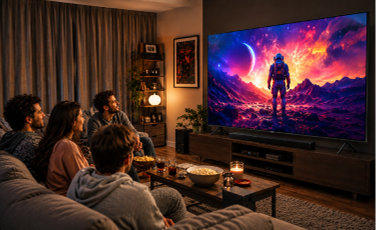
Home cinema fans
Who want vibrant visuals and improved brightness for movies and streaming
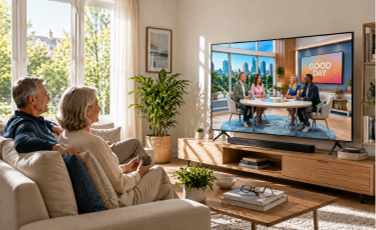
Bright room viewers
Where extra brightness helps maintain clarity during daytime viewing

Sports fans
Who benefit from more vivid colours and better highlight detail
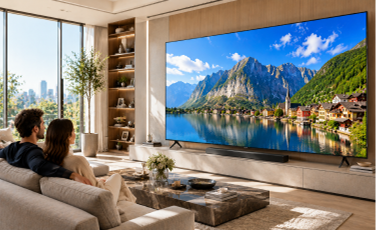
Big-screen buyers
Looking for a big, statement TV
RGB FAQs
Which brands make RGB TVs?
Right now, RGB TVs are a newer type of premium TV - so you'll mostly see them from a handful of major brands. Leading TV brands rolling out RGB TVs include Samsung, LG and Hisense, with more manufacturers likely to follow suit.
Are RGB TVs worth buying in 2026?
If you're looking for top-end picture quality, RGB TVs are one of the newest living room upgrades to consider. They're designed to deliver more precise colours, higher brightness and better contrast than standard LED TVs. So they're a great choice for films, sport and gaming on larger screens.
Do RGB TVs use more power?
Not really. Even though RGB TVs are designed for higher brightness, they're generally more efficient with the power they use. Energy use still depends more on things like screen size, picture settings and how you use the TV. Many models include energy-saving modes to help manage power consumption day to day.
Is RGB the same as QLED?
No. RGB and QLED aren't the same. QLED TVs use a quantum dot layer to enhance colour and brightness, while RGB TVs use a different type of backlight that produces red, green and blue light directly. This newer approach is designed to improve colour accuracy and control even further.