
Brush, style or straighten?
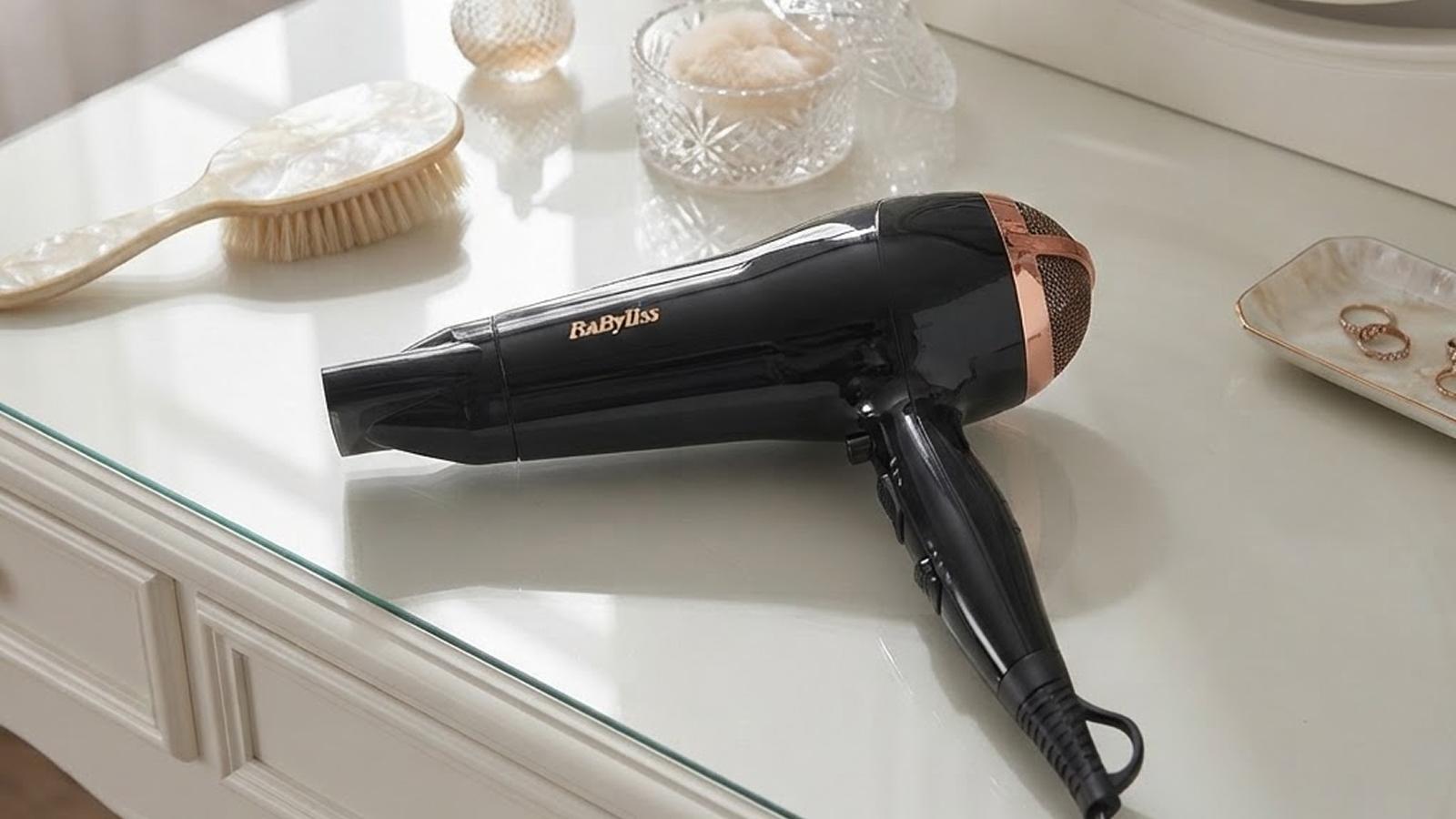
Hair dryer / Blow dryer
Hair dryers use a motor and heating element to direct hot air at your hair to dry and style. The heating element (ionic, ceramic) and attachments can affect the result.
Everyday drying and blowouts, adding root volume and defining natural curls with a diffuser. Handy across all hair types.
Shop hair dryers →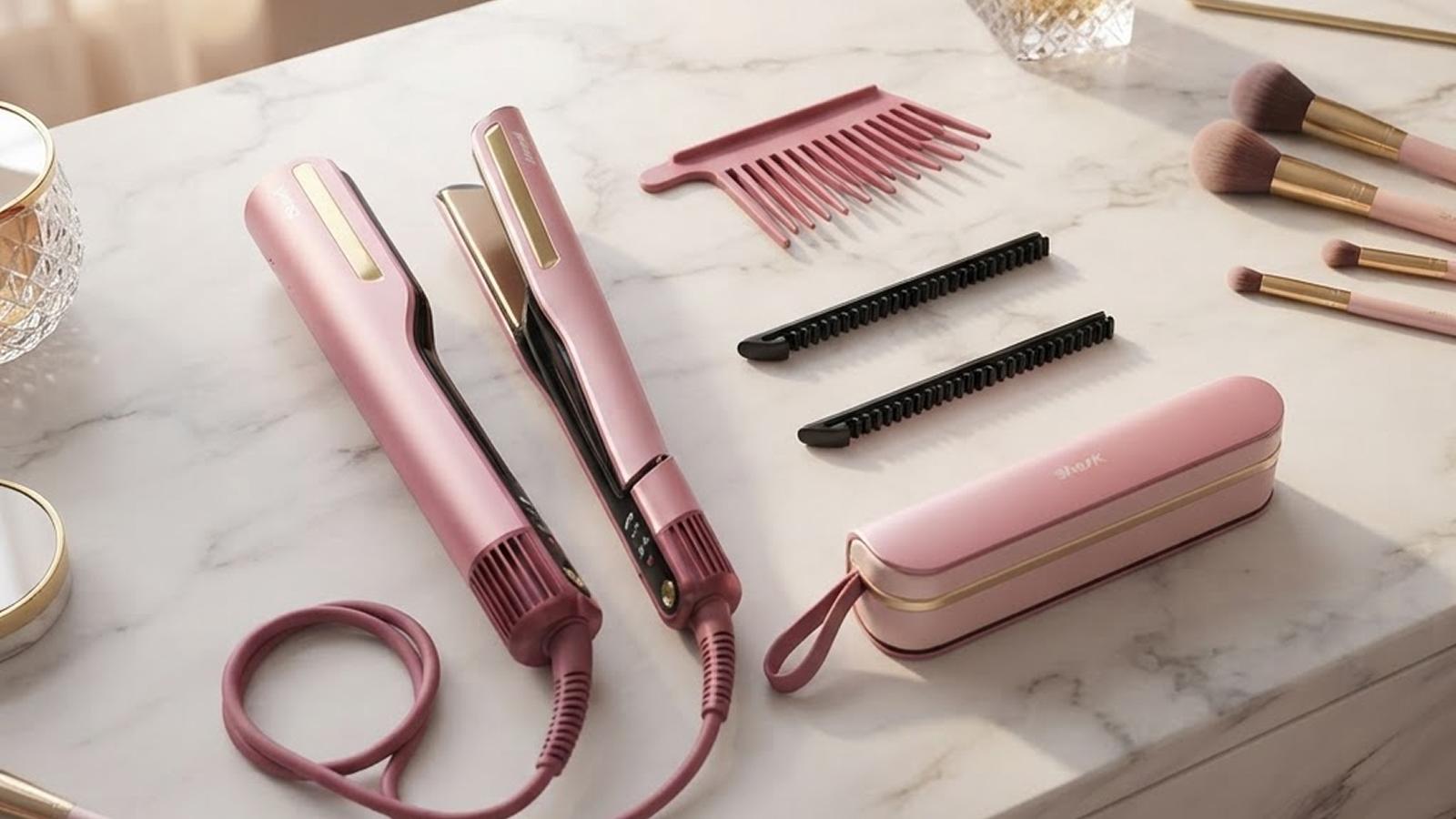
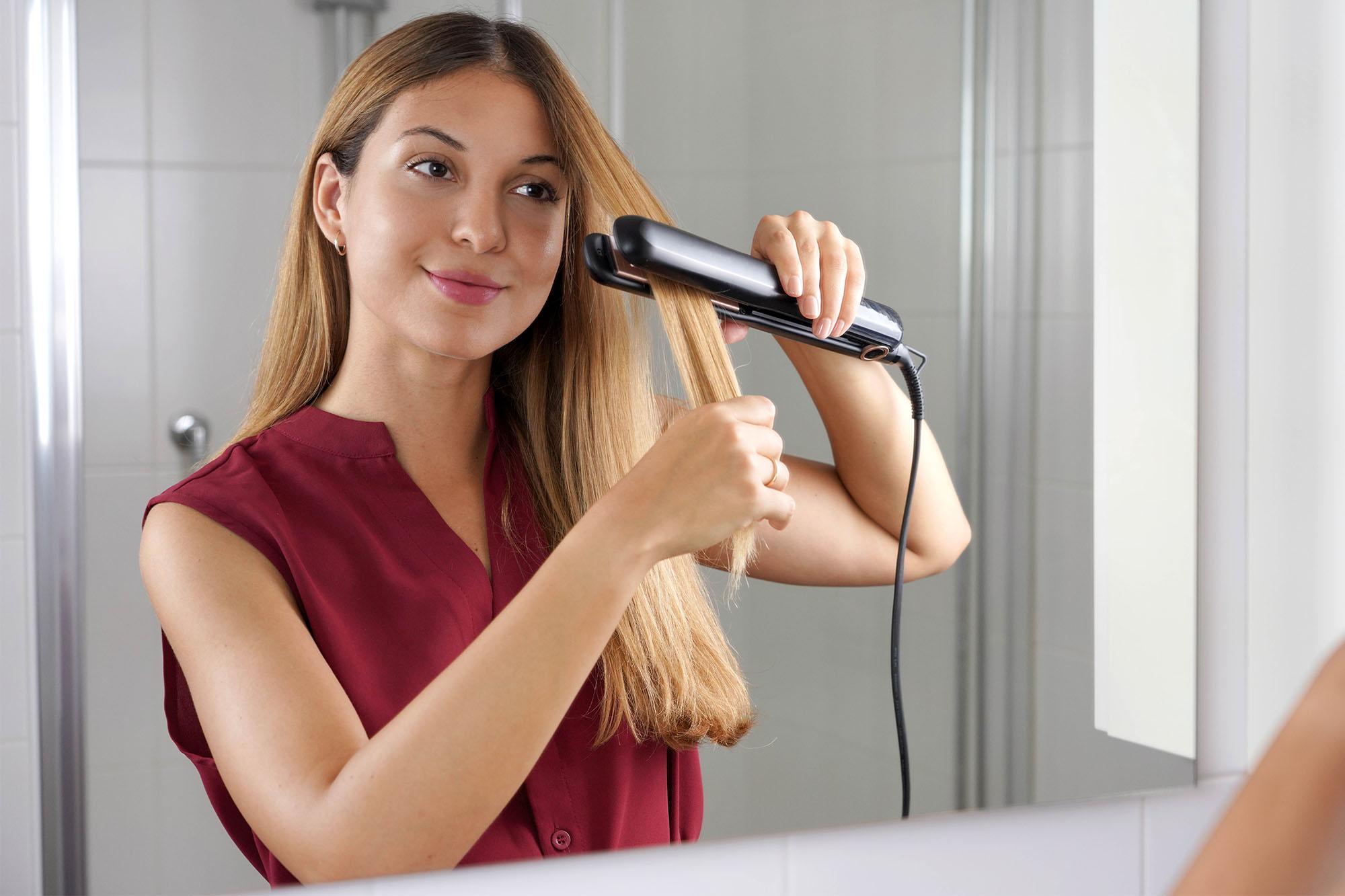
Hair straightener / Flat iron
Hair straighteners use two heated plates (ceramic, titanium or tourmaline) that clamp and glide through your hair to smooth and straighten. Plate material and temperature control are what matter most.
Straightening and smoothing frizzy or wavy hair. Plus creating curls and waves and a long-lasting smooth finish.
Shop hair straighteners →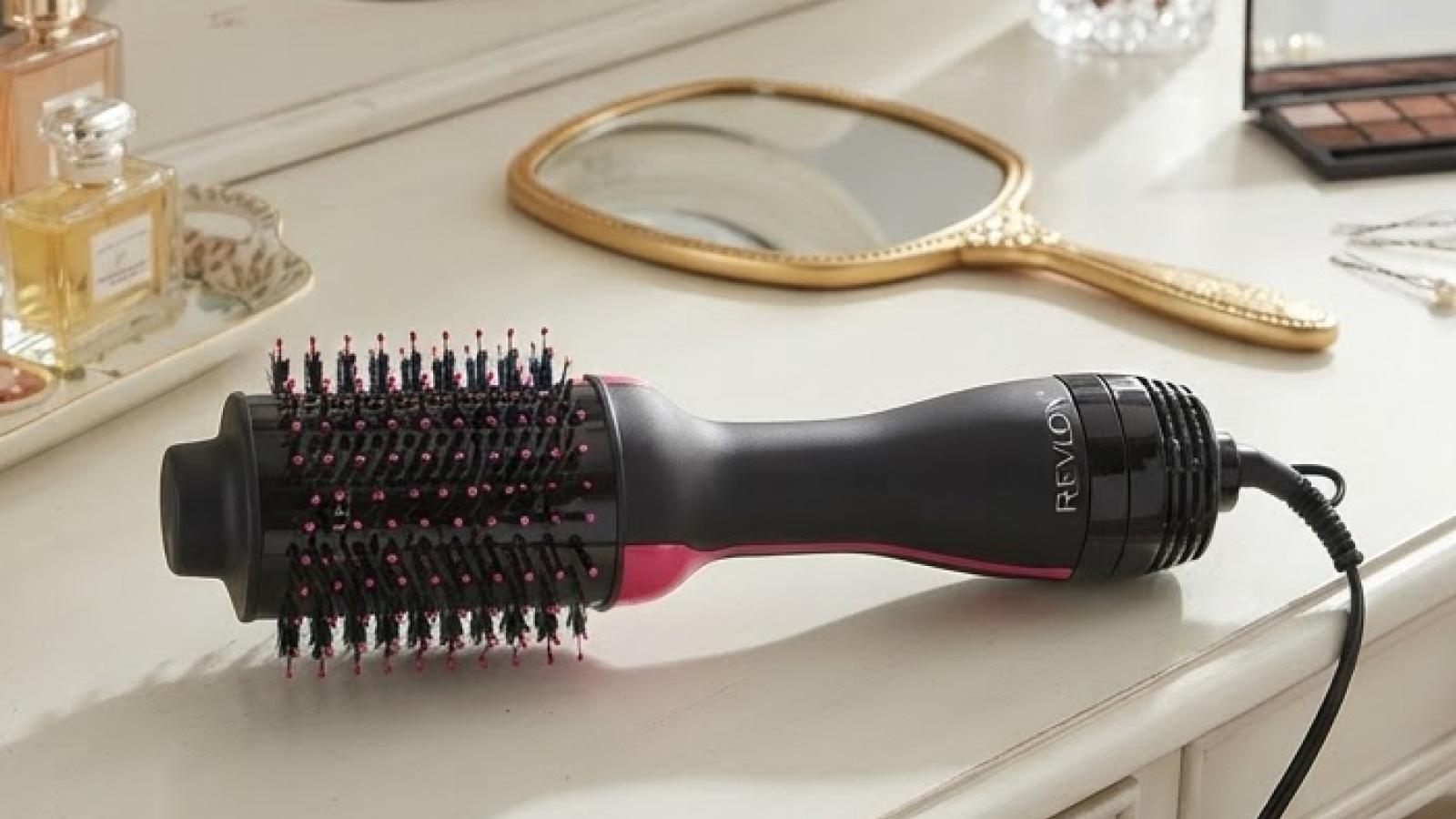
Hot brush / Heated brush
A hot brush has a heated barrel or bristles that smooths and styles your hair as you brush through it.
Adding volume and smoothness without fully straightening. A soft blowout look with less technique than a round brush and dryer. Works well for daily styling with minimal effort.
Shop hot brushes →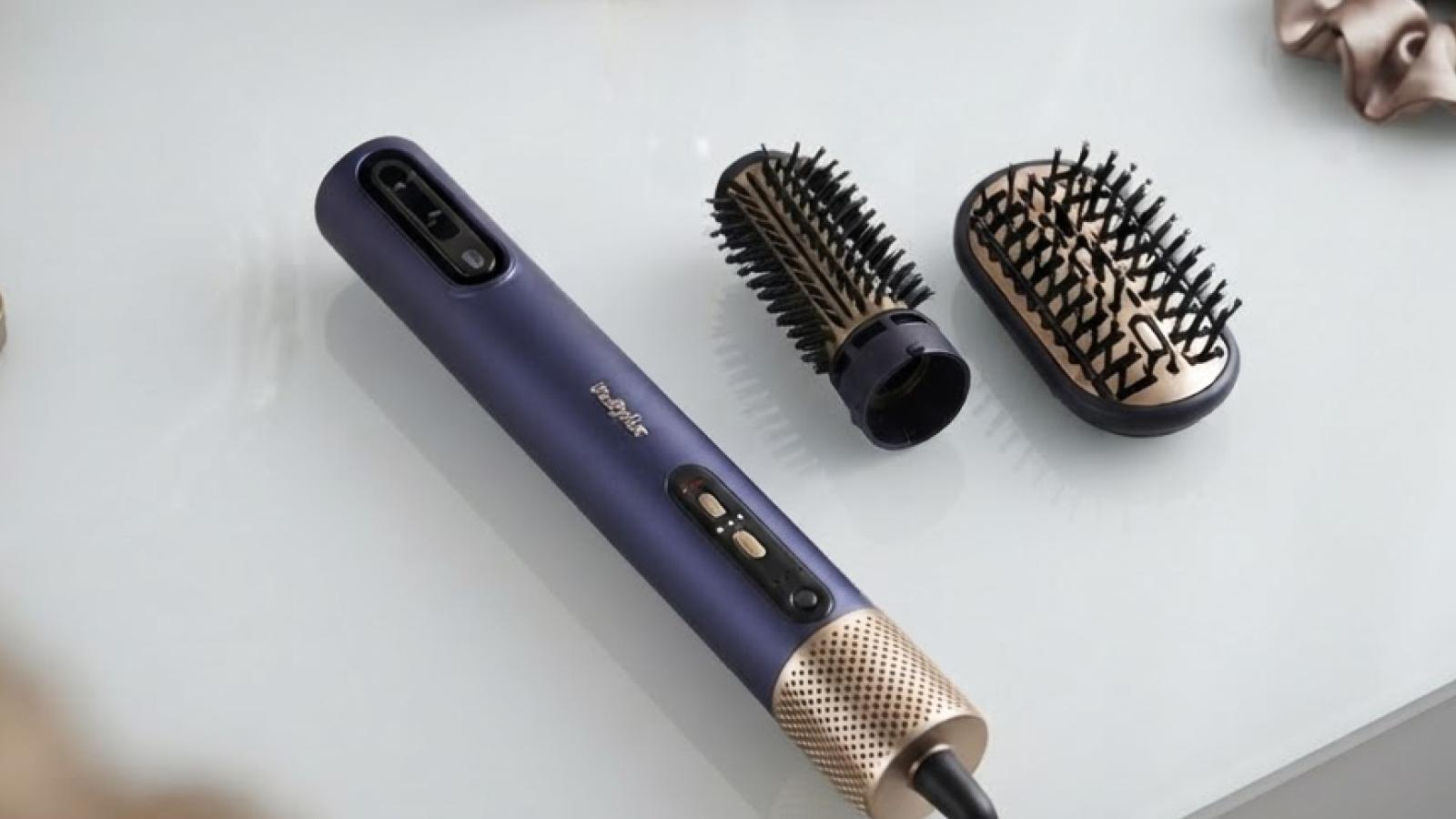
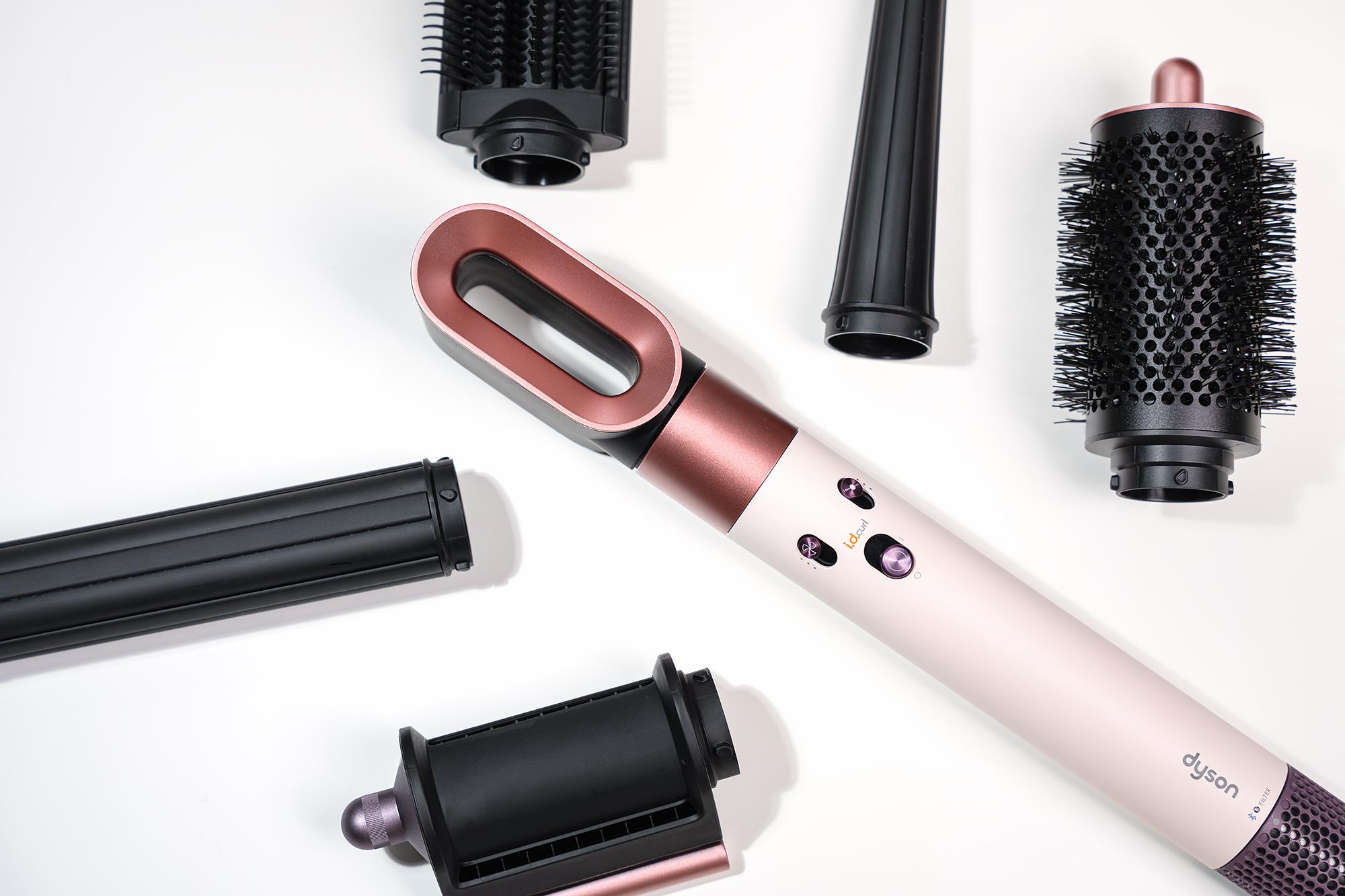
Air Styler / Multi-styler
Air stylers use a motor to channel airflow through interchangeable attachments (barrels, brushes, paddles) to dry and style at the same time, without direct heat plates. The Coanda effect on barrel attachments wraps and curls your hair using airflow.
Great if you want one tool to replace both a dryer and styler with less heat damage than direct-heat tools. Creates curls, waves, smooth blowouts or volume depending on the attachment.
Shop air stylers →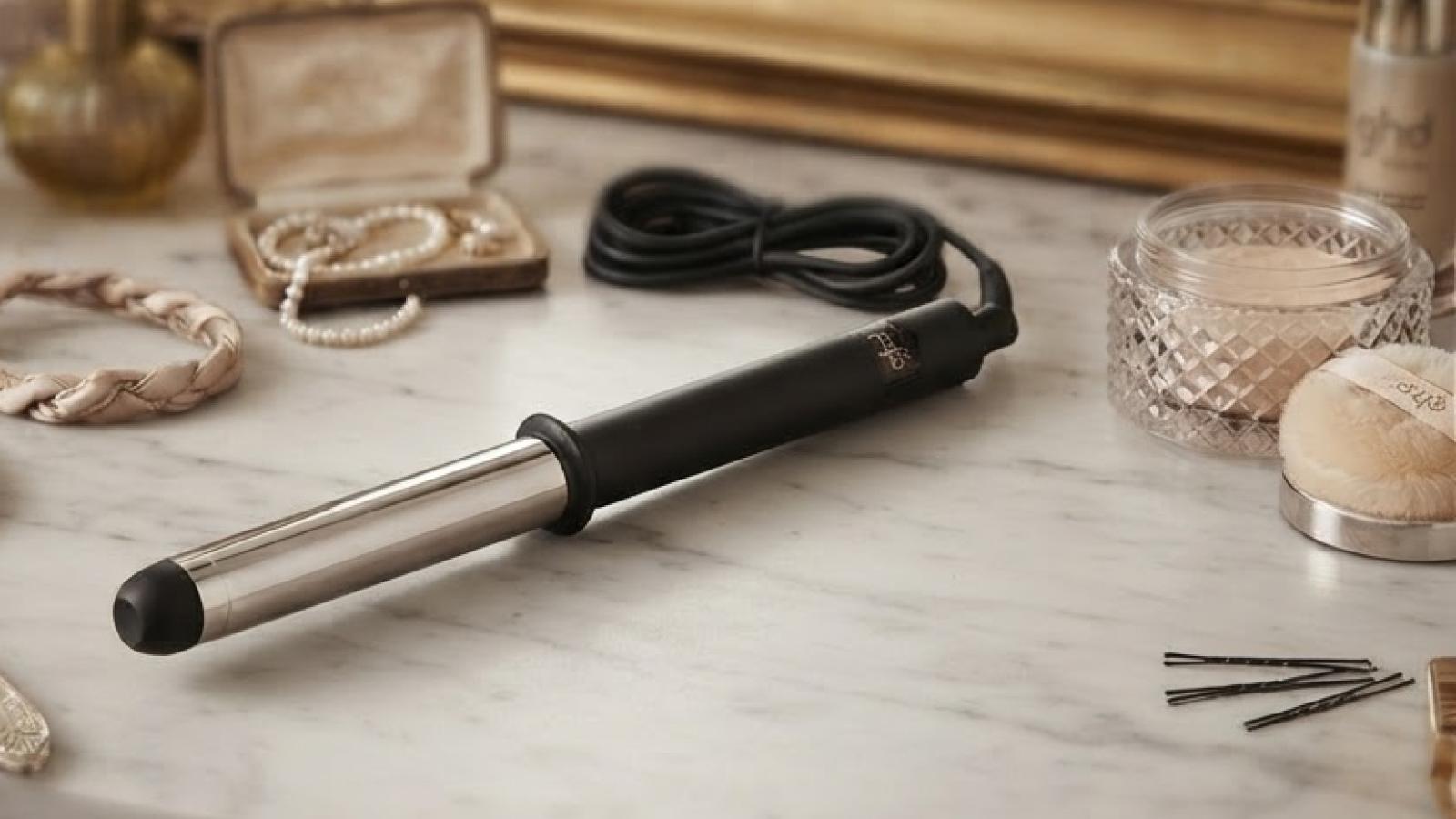
Curling tong / Wand
Curling tongs and wands use a heated cylindrical barrel (with a clamp it's a tong, without it's a wand) that you wrap hair around to create curls or waves. Different barrel diameters give different curl sizes.
Defined, long-lasting beach waves and natural-looking texture. Handy if you want to control curl size via barrel width.
Shop curling tongs and wands →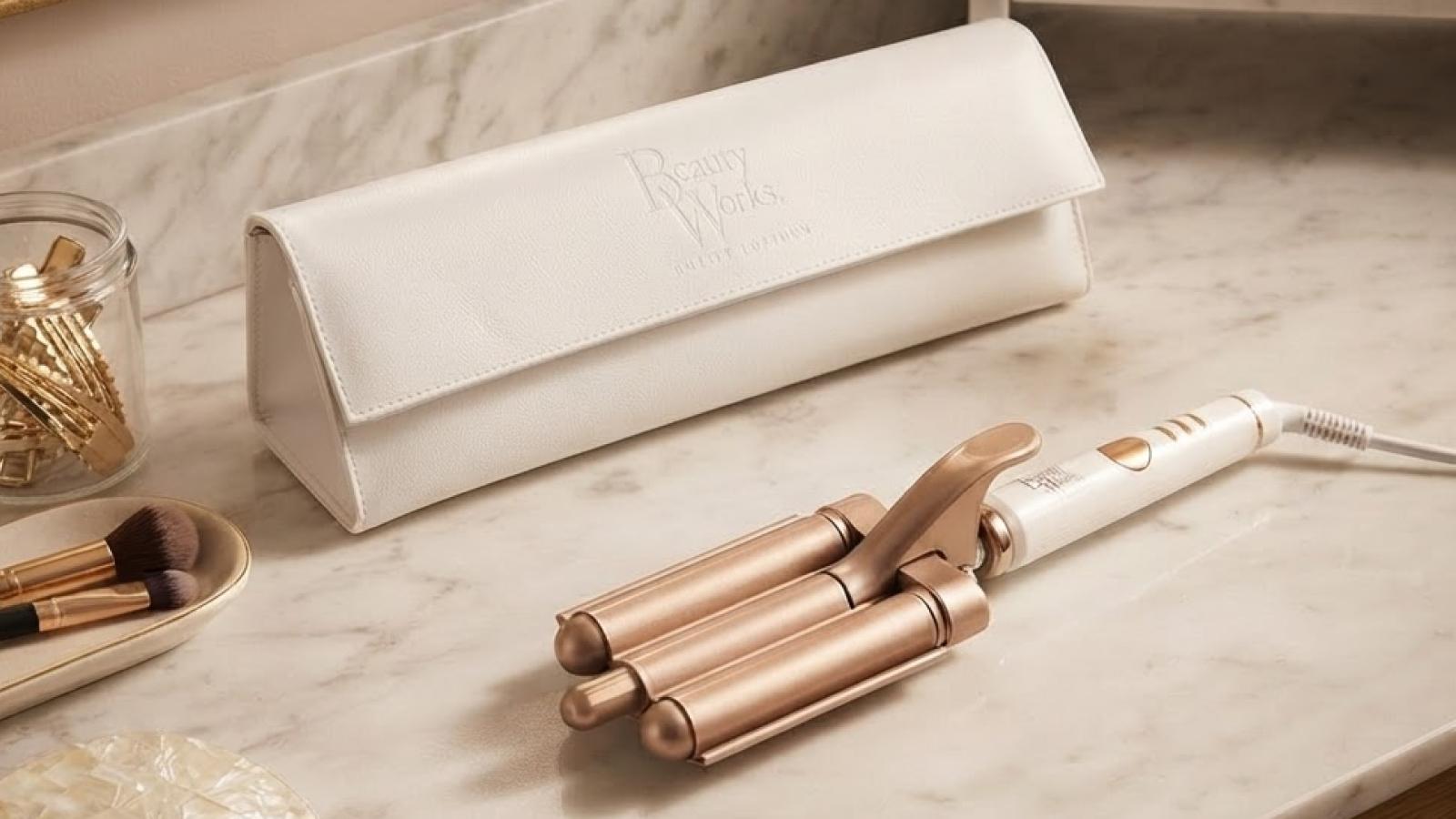
Hair waver
Hair wavers have multiple curved barrels that crimp your hair into S-shaped beach waves in a single pass.
Effortless beach wave texture without curling technique. A good choice if you're after a relaxed wave look with minimal effort.
Shop hair wavers →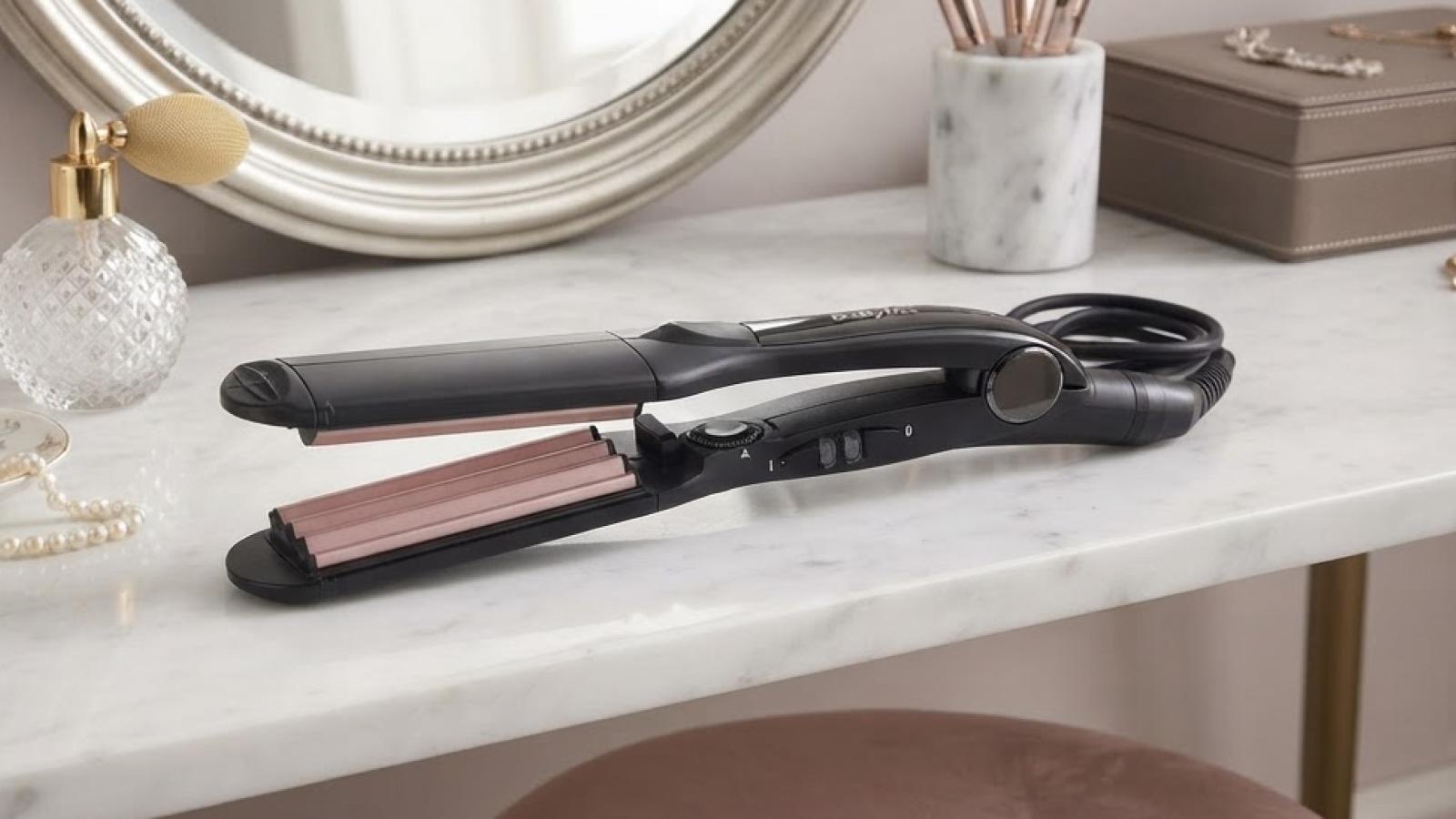
Crimper
A tool with ridged plates that presses a zigzag or crimped texture into your hair. It's mainly for volume and texture rather than an everyday essential.
Adding root volume and body and creating textured, high-volume styles.
Travel / Cordless styling tools
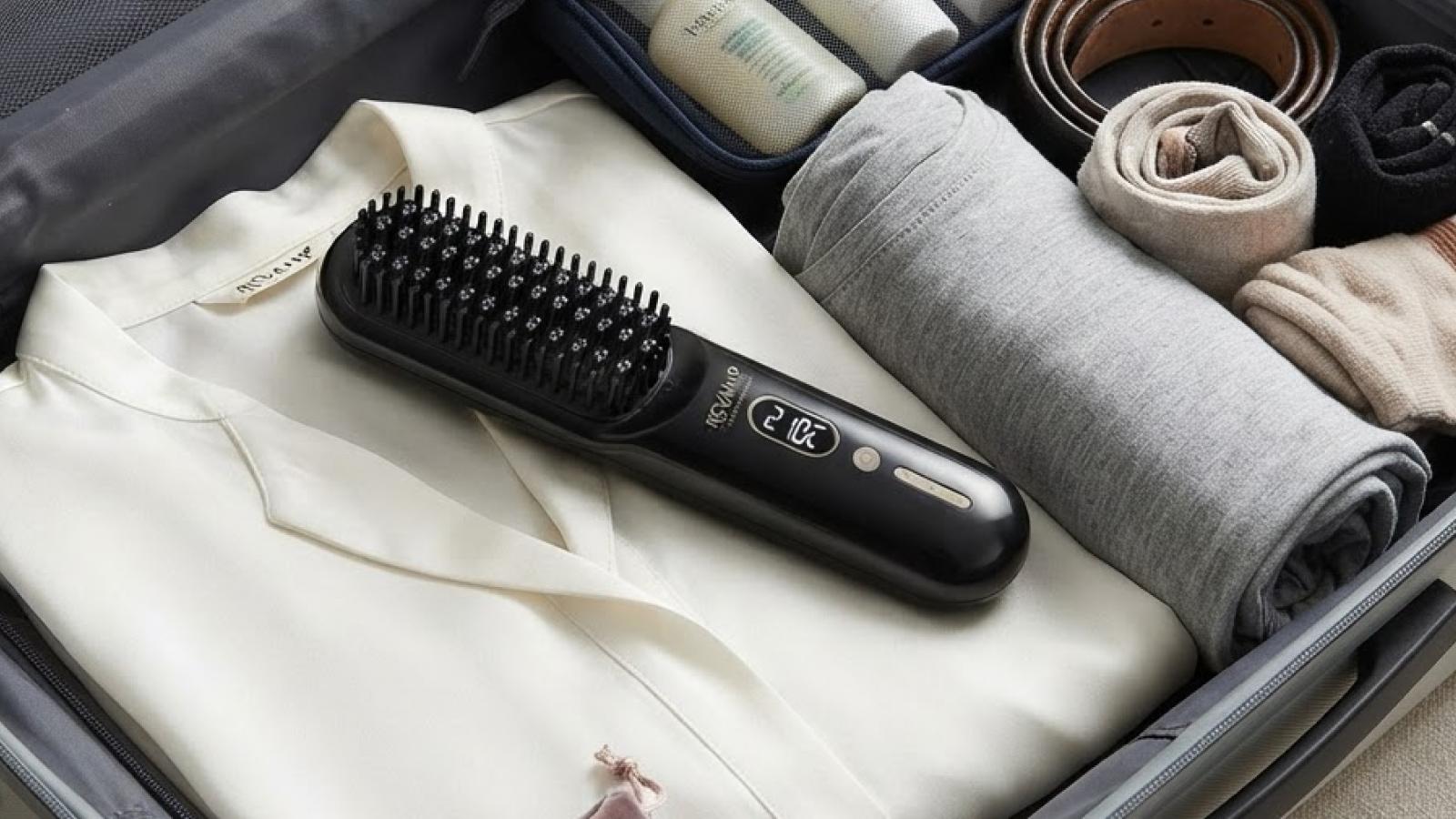
Compact or battery-powered versions of straighteners, dryers or curlers. Cordless models use lithium-ion batteries. Compact corded models usually offer dual voltage for travel.
Travel and on-the-go styling or as a handy backup for trips.
Shop travel hair dryers →"I always ask my hairdresser to talk me through how to style my hair with my chosen tool.
I sometimes film them doing it so that I can then copy their technique at home."
How to choose the right haircare tool
The best haircare tool depends on the result you're after, your hair type and how often you'll use it. Start with your goal and you'll narrow the options down quickly.
Your goal should drive your choice, not the other way around. A straightener, a hot brush and an air styler all style hair, but they give very different looks.
| Goal | Best device type | Why |
|---|---|---|
| Straighten and smooth frizzy hair | Hair straightener | Direct plate contact gives controlled, lasting results |
| Dry hair quickly and add volume | Hair dryer | It’s what it’s made for! Diffuser attachment needed for curly hair |
| Create curls or defined waves | Curling tong or wand | Different barrel sizes give different curl definitions |
| Style and dry simultaneously without hot plates | Air styler | Uses airflow rather than direct heat contact |
| Achieve blowout finish with less technique | Hot brush | Combines brush action with heat for volume and smoothness |
| Create beach waves with minimal effort | Hair waver | Single-pass wave tool — no wrapping technique required |
| Travel-proof styling | Cordless or travel straightener/dryer | Compact, dual-voltage, airline-safe options available |
Some tools need more technique than others. Pick one that matches how much effort you're willing to put in, or it may end up gathering dust.
| Effort level | Best fit |
|---|---|
| Low effort | Hot brush, air styler with round brush attachment, hair dryer for everyday drying |
| Medium effort | Hair straightener, curling tong with clamp, using a diffuser for curly hair styling |
| High effort | Clampless curling wand, defined ringlets and multi-step styling routines. |
The cheapest tool isn't always the best value. What matters is whether it suits your hair type and how often you'll use it.
| Tier | What you get | When to choose it |
|---|---|---|
| Entry level | Basic dryers and straighteners with standard or limited temperature settings | Occasional use, easy-to-manage hair, first-time buyers |
| Mid-range | Ionic technology, multiple heat settings, wider plate options, better build quality | Daily use across most hair types; provides best value for most buyers |
| Premium | Advanced heat distribution, faster heat-up, Coanda effect or sensor technology, longest warranties. Tools like air stylers and wet-to-dry straighteners sit here. | Daily use on fine, damaged, or textured hair. Anyone who wants professional results or to replace multiple tools with one. |
Most styling tools do the same basic thing — apply heat to your hair. The features that matter most are the ones that suit your hair type and styling routine.
Heat settings
More settings = more control. This can be useful for fine or bleached hair, which needs lower temperatures. Less important for thick hair, which can tolerate higher heat. Heat-protecting sprays can also help protect hair.
Ionic technology
Reduces static and frizz by emitting negative ions. More impactful on dry, frizzy or colour-treated hair. Less noticeable on already-smooth hair.
Plate or heating element material
Ceramic distributes heat evenly and suits fine to normal hair. Titanium heats faster and reaches higher temperatures - better for thick or coarse hair but potentially too intense for fine hair. Tourmaline adds ionic benefits on top of ceramic.
Diffuser attachment
Distributes airflow to enhance natural curl pattern rather than disrupting it. Essential for curly or wavy hair. Unnecessary for straight hair.
Cordless or dual voltage
Important only if you travel regularly. Cordless suits touch-ups but lacks power for full styling sessions. Dual voltage (100–240V) required for safe international use.
Discover more
Your ideal straightener temperature
Style with air, not heat
Different tools take different amounts of time to master. Knowing what to expect helps you avoid returning a device that's working fine but just needs more practice.
| Timeframe | What to expect |
|---|---|
| Immediate | Straighteners, hot brushes, and curling tongs — results visible in a single session. Hair dryers dry hair immediately. |
| With practice (3–5 sessions) | Air stylers and clampless wands. Most people get better results once they have learned the correct technique. |
Before you start:
- No styling tool eliminates heat damage without heat protection, however advanced it is.
- Hair type makes a big difference. A tool that's great on thick hair can cause breakage on fine hair.
- Most straighteners aren't good for wet hair unless they're rated wet-to-dry.
The right haircare tool depends less on price and more on your hair type, your styling goal and how much effort you're willing to put in. Start with what you want, match it to the device that gives that result, then weigh up your effort and budget. A mid-range tool used daily will usually outperform a premium one that sits in a drawer.
Is it worth it?
A good haircare tool is worth it if it suits your hair type and you'll use it regularly. The right tool can really cut down styling time and heat damage compared to a mismatched or low-quality one.
 When it's worth it
- If you style your hair nearly every day
- You have a specific styling goal or hair concern, such as frizz, curls or fine hair.
- You're currently using a tool that doesn't suit your hair type
- The long-term cost compares well to regular salon visits
 When it may not be worth it
- You rarely style your hair
- You’re paying for premium features you won’t use
- You're expecting a styling tool to fix underlying hair health issues, when you might need advice from a GP or trichologist
- You only need a tool for occasional trips. A compact travel model may offer better value.
Haircare glossary
A styling tool that uses airflow and interchangeable attachments to dry and style hair at the same time. Depending on the attachment, it can create curls, waves, volume or a smooth blowout finish.
A styling result that combines smoothness, volume and movement, traditionally achieved using a hair dryer and round brush. Hot brushes and air stylers are often designed to recreate this look at home.
A common material used in straightener plates and heating elements. It distributes heat evenly, helping to reduce hot spots and making it a popular choice for fine to normal hair.
An aerodynamic effect that causes airflow to follow a curved surface. Some air stylers use it to automatically attract and wrap hair around a styling barrel to create curls using air rather than direct heat.
A heated styling tool with a barrel and clamp that holds hair in place while creating curls or waves.
A heated styling tool without a clamp. Hair is wrapped around the barrel manually to create curls, often resulting in a looser, more natural-looking finish.
A hair dryer attachment that spreads airflow over a wider area. It's particularly useful for curly and wavy hair because it helps define curls while reducing frizz.
A feature that allows a styling tool to work on different electrical supplies, typically 100–240V. Useful for international travel.
A spray, cream or serum designed to reduce the effects of heat styling on the hair. Recommended whenever using heated haircare tools.
Technology that releases negatively charged ions while styling or drying hair. It's designed to reduce static and frizz while helping hair dry faster.
A styling tool that uses interchangeable attachments to perform multiple tasks, such as drying, curling, smoothing and volumising.
A plate material that heats up quickly and can reach higher temperatures than ceramic. Often preferred for thick, coarse or difficult-to-style hair.
A mineral coating sometimes added to ceramic plates. It enhances ionic performance and can help reduce frizz and static.
A feature that allows you to adjust the heat setting according to your hair type and styling needs.
A straightener specifically designed to be used on damp hair. Most standard straighteners are not wet-to-dry and should only be used on fully dry hair.