

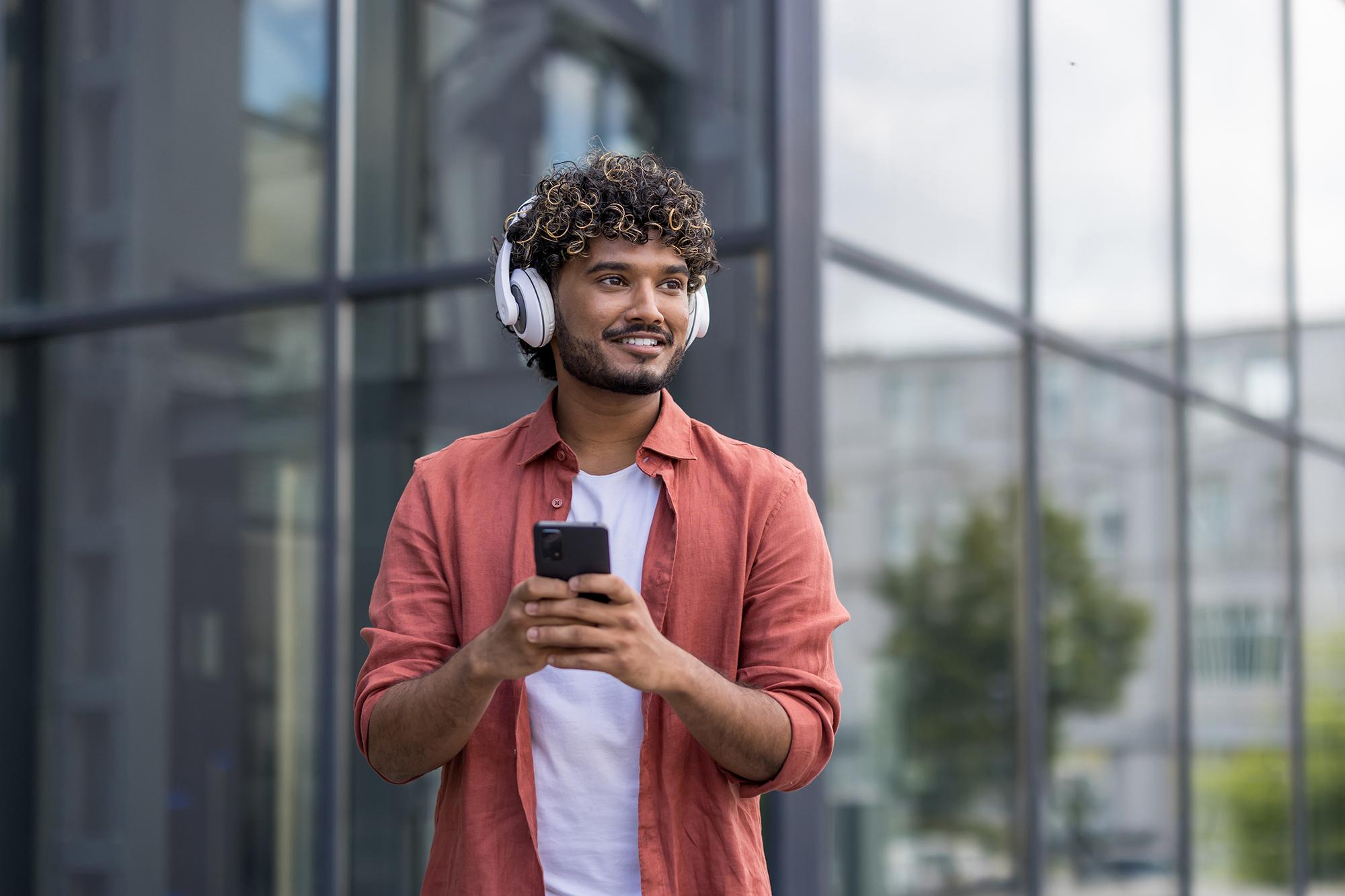
Choosing a new pair of headphones used to be pretty simple. You’d pick a pair that looked cool, plugged them in to see how they sounded, and that was about it. But in 2026? Things are a little more complicated – in a good way!
Today’s cans are smarter and sound better than ever. Whether you’re working from home, commuting on a busy train, gaming with your mates or just trying to block out the world for a bit of peace and quiet, there’s a perfect pair out there.
With so many options though – from noise-cancelling over-ears to tiny wireless earbuds and open-ear designs – it can be tough to know where to start. Do you really need spatial audio? Is battery life still an issue? And does spending more actually get you better sound? We’re here to break it all down, and then some…


What type of headphones should you choose?
First things first – what style suits you best? It’s not just about looks, it’s about how you’ll actually use them too.
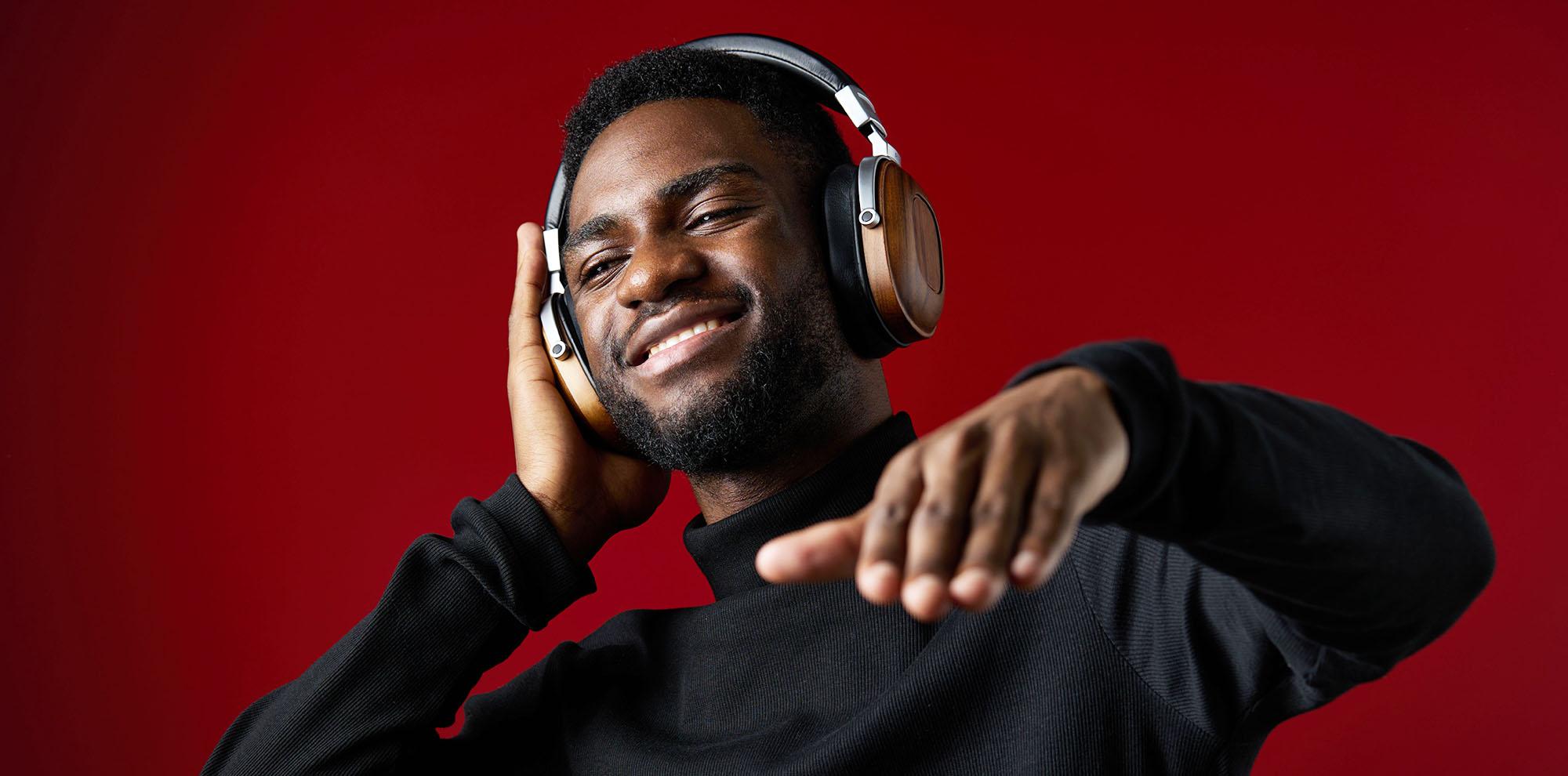
Over-ear headphones are the classic choice for a reason. They wrap around your whole ear, creating a comfy seal that’s brilliant for long listening sessions and even better noise cancelling. Because they’re bigger, they often pack in larger drivers too. And larger drivers mean deeper bass, a wider soundstage and more detail in your music.
On-ear headphones sit directly on your ears instead of around them. That makes them lighter and a tad more portable than over ears. There’s a catch though. They don’t block out outside noise as well, and the on-ear pressure can get a bit uncomfortable after a few years.
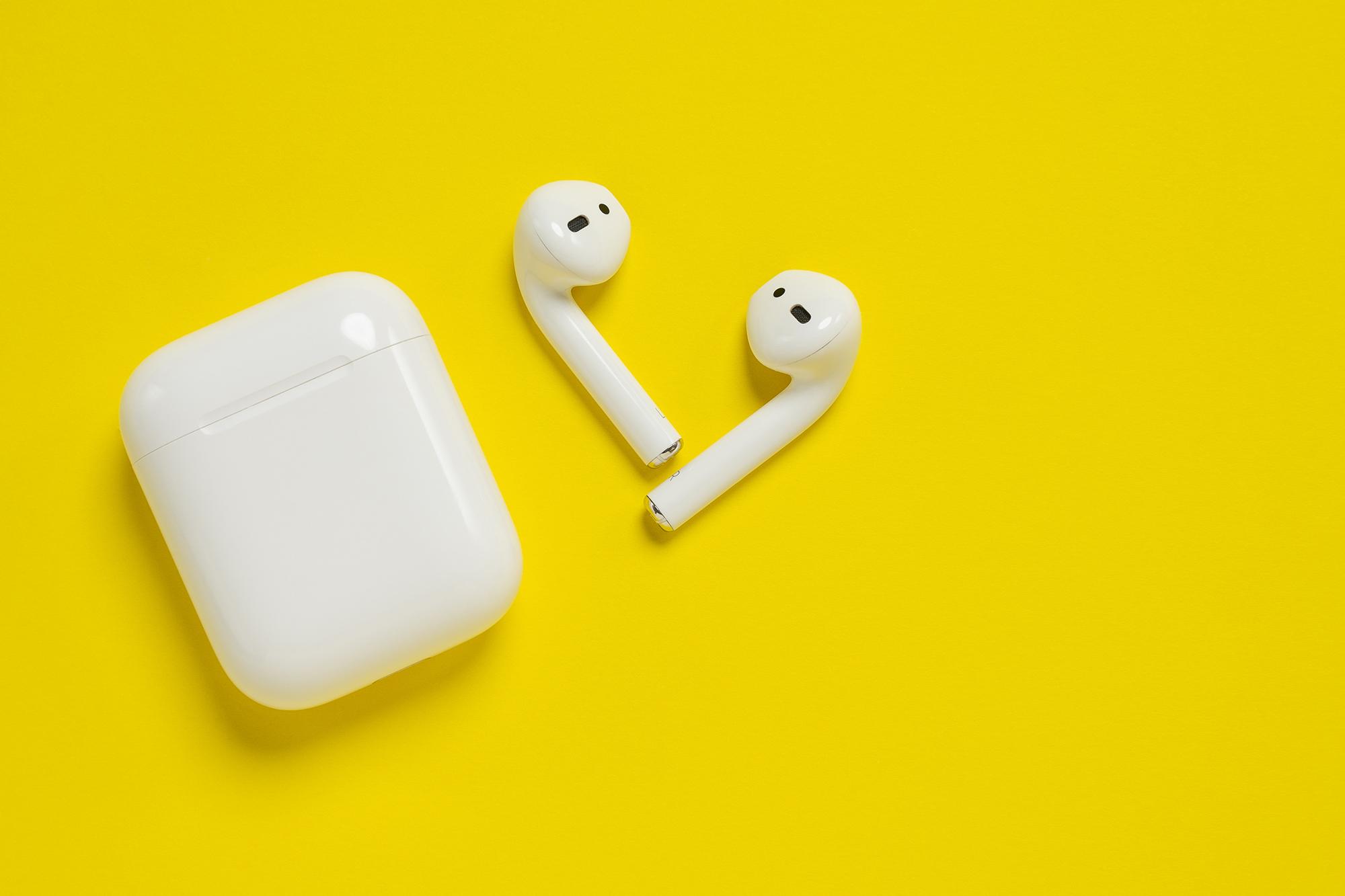
In-ear headphones (true wireless earbuds) are everywhere. They’re tiny and come in a charging case that fits in your pocket. This makes them ace for all sorts – from commuting to workouts down the gym. The trade-off? Battery life on the buds themselves is shorter than larger headphones.
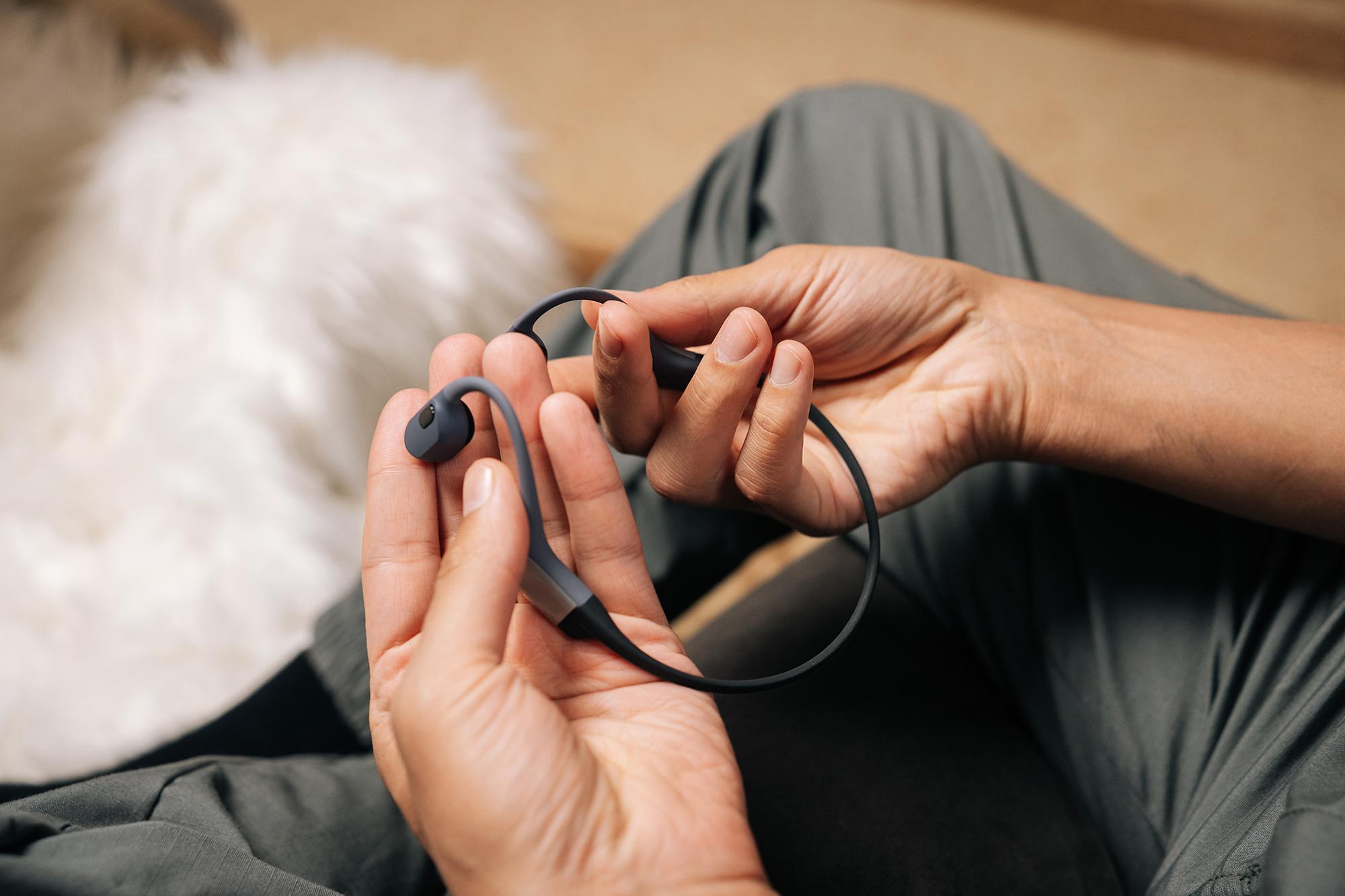
Open-ear headphones sit just outside your ear canal or use bone conduction, letting you hear your music and the world around you. They’re ideal for runners who need to hear traffic or office workers who need to hear colleagues. Just don’t expect them to block out the sound of a noisy train carriage.
Wired headphones might seem old-school, but they’re not dead just yet. If you hate compression on your tunes or you’re a gamer who can’t suffer a single millisecond of lag,
Gaming headsets are built specifically for, well, gaming. They come with a good mic – letting you speak clearly to your squadmates – and often use surround sound to help you hear footsteps behind you. Opponents won’t get the drop on you again!
How important is noise cancelling in 2026?
In a word, very. Active Noise Cancelling (or ANC for short) has gone from a nice thing to have to an essential feature.
Modern ANC doesn’t just block out the low hum of an airplane engine anymore. The latest tech uses AI to adapt it to your environment in real-time. It can silence the chatter in a café, the clatter of a tube train or even the wind when you’re walking home. And you don’t have to do a thing.
If you commute or work in a busy office, ANC is a genuine game-changer for saving your sanity. You’ll block out that shouty colleague sat on a Teams call. Plus, it lets you listen at lower volumes because you aren’t fighting against background noise, which is better for your ears in the long run. Nice.
It’s not just about the silence either. Transparency modes – sometimes called ‘Aware’ or ‘Ambient’ modes are just as important. With a tap, microphones pipe outside sound in, so you can order a coffee or hear a train announcement without taking your headphones off. The best models now do this so naturally, it feels like you’re not wearing headphones at all.
Does it drain the battery? Yes, a bit. But with how efficient batteries are nowadays, you’ll barely notice the difference. We’ve got loads of noise cancelling headphones to pick from right here.

Sound quality: what actually matters when buying headphones?
Headphones come with a whole lot of specs. Here’s what actually matters when you press play…
First off, bass mids and treble. Think of these as the ‘shape’ of the sound.
Bass is the thump and rumble. It’s great for hip-hop and action movies. Those explosions are going to sound BIG.
Mids are where the vocals and guitars live. It’s crucial for good sounding podcasts and acoustic music too.
Treble is the sparkle and detail. You know, the cymbals, the strings that sort of stuff.
Soundstage: This describes how ‘wide’ the music sounds. A good soundstage makes it feel like the instruments are spaced out around you instead of being all squished together. Over-ear headphones usually offer the best soundstage because of their larger drivers, but some earbuds are getting surprisingly good at it too.
Spatial audio: This takes the idea of a soundstage and ramps it up to 11. With spatial audio, tracks are mixed so sounds can come from above you, behind, or anywhere in between. This creates a sort of 3D bubble of audio around your head. It’s ace for movies and more music is being remastered for it every year. You’ll need headphones that support features like Dolby Atmos or head-tracking to get the full effect.
Hi-res audio: If you stream from services like Apple Music or Tidal, you might see ‘Hi-Res’ or ‘Lossless’ badges. This just means that the audio file has more detail than a regular MP3 does. To really hear the difference, you need headphones that support high-quality codecs like LDAC, LHDC or aptX Lossless – otherwise that extra detail won’t actually make it to your ears.
Battery life, charging & everyday convenience
You don’t want your music to die halfway through a workout. Luckily, today’s batteries are built different…
Over-ear headphones: These really go the distance, often lasting 30, 40 or even 60 hours on a single charge. You could genuinely fly around the world and still have some juice left.
True wireless earbuds: They usually offer about 6 to 10 hours of playback in the buds themselves, with another 20 to 30 hours stored in the case when you need a top up.
Fast charging: This feature’s a lifesaver. Most modern headphones will give you a few hours of playback from just a 5 or 10 minute charge. Plug ‘em in for a bit before you leave the house, and now you won’t have to sit in silence on the bus.
Multipoint Bluetooth: It lets your headphones connect to two devices at once, like your laptop and phone. You could be watching a video on your computer and if a call comes in on your phone, the audio switches over automatically. When you’re done, press play on that vid and you’ll pick up right where you left off.

Comfort, fit & build quality: what to look for
You can have the best-sounding headphones in the world. But if they hurt your ears after 20 minutes, they’re pretty much useless. So, here’s a few things you’ll need to think about before you buy…
Weight and clamping force: If you’re thinking about over-ears, lighter is usually better for longer listening sessions. And if you’ve never heard about clamping force, it’s how tight they squeeze your head. Too loose and they’ll fall off. Too tight and you’re going to get a headache real soon. Look out for memory foam ear cups, as they seal well and stay nice and comfy too.
Ear tips: For earbuds, the fit is everything. If the seal isn’t tight, you lose that booming bass and noise cancelling. To get around this, most come with different sizes of silicone tips so you can find the perfect fit. Some of the more premium models even use foam tips that expand to fit your ear perfectly.
Durability: If you’re tossing them in a bag, look for headphones that come with a sturdy travel case. For workouts, check the IP rating. IPX4 means they’ll easily handle sweat and rain. While IPX7 will help them survive a dunk in a puddle.
Best headphones for different lifestyles
Not sure which specific pair to pick up? Here’s some of our top picks for 2026, based on how you’ll use them…
Best headphones for commuting & travel
Why we love them: Noisy train carriage? No worries. Adaptive Sound control tweaks your sound automatically to match the environment. So, now you’ll actually be able to hear that podcast properly.
Best headphones for working from home & calls
Why we love them: You won’t have to fiddle with your phone to take a call. Simple button controls on the buds let you answer with a tap.
Best headphones for gaming
Why we love them: These headphones are Hi-Res certified. That’s just a fancy way of saying that you’ll hear every single little detail. Hear where that gunshot is coming from. Flank ‘em. Then eliminate your enemies!

Best headphones for Apple
Why we love them: There’s up to 2x more Active Noise Cancellation than Apple’s last set of AirPods. Sit back, block out the world and enjoy your tunes in peace.
Best headphones for Android users
Why we love them: You’ll get up to 24 hours of battery from a single charge. And when you do finally run out of juice, it only takes 15 minutes of charging for another 2.5 hours of listening.
FAQs
What headphones are best for everyday use in 2026?
For most people, a high-quality pair of wireless earbuds like the Sony WH-1000XM5 (earbuds version) or Apple AirPods Pro 3 are a great shout. They strike the best balance between convenience, sound quality and noise cancelling. Plus, they fit in your pocket and make hands-free calls easy.
Are wireless headphones better than wired?
For convenience, absolutely. You don’t have to deal with tangled cables for starters. And you can move around without accidentally yanking them out of your phone or laptop. For pure audio quality though? Wired still has a slight edge for you proper audio heads, but modern Bluetooth codecs have closed the gap so much that 99% of people won’t notice the difference.
Do noise cancelling headphones damage your hearing?
No, they actually try to stop that! Because they block out background noise, you don’t have to crank up the volume as high to hear your music. This’ll help to protect your hearing over time and stop you from getting that dreaded, high-pitched tinnitus whine.
Which headphones are best for phone calls & meetings?
Look for headphones with ‘beamforming’ microphones or bone conduction voice pickup. The Bose QuietComfort Ultra headphones and Apple AirPods Pro are excellent at isolating your voice from loud background chatter.
Are AirPods worth it if you don’t have an iPhone?
They still work, but you miss out on a lot of their cool features (like instant pairing, spatial audio and seamless switching between devices). If you’re on Android, you’re better off with some Samsung Galaxy Buds, Pixel Buds or a brand like Sony or Bose. That way, you’ll get more out of them.
How long should headphones last?
A good pair of headphones should last you about three to five years. The battery is usually the first thing to go. Over-ear headphones usually last longer than earbuds though, because they have larger batteries that go through fewer charge cycles.
Can I use the same headphones for work, travel & fitness?
You can, but it’s a compromise. Over-ear noise cancellers are great for work and travel but are going to get hot and sweaty in the gym. Proper wireless earbuds with ANC are the best ‘do it all’ option – just make sure they fit securely and have an IPX4 (or higher) sweat-resistance rating.

Need more advice?
Listen up. We’ve got loads more top audio tips for you to get your ears around. What are open-ear headphones and how do they work? Check out our piece for all the important answers. And if you aren’t sure how to clean AirPods, we run through the best ways to keep them squeaky clean.