


Modern TVs look great, and the built-in speakers are fine for everyday viewing. But if you’re into movies, sports, or gaming, you might want more from your sound. That’s when the question crops up: soundbar or home cinema system? So, let’s answer it for you.
This guide has all the info you need to choose the best soundbar or home cinema system, including:
What is a soundbar?
What is a home cinema?
Sound quality compared
Setup and installation tips
Commonly asked questions
What is a soundbar?

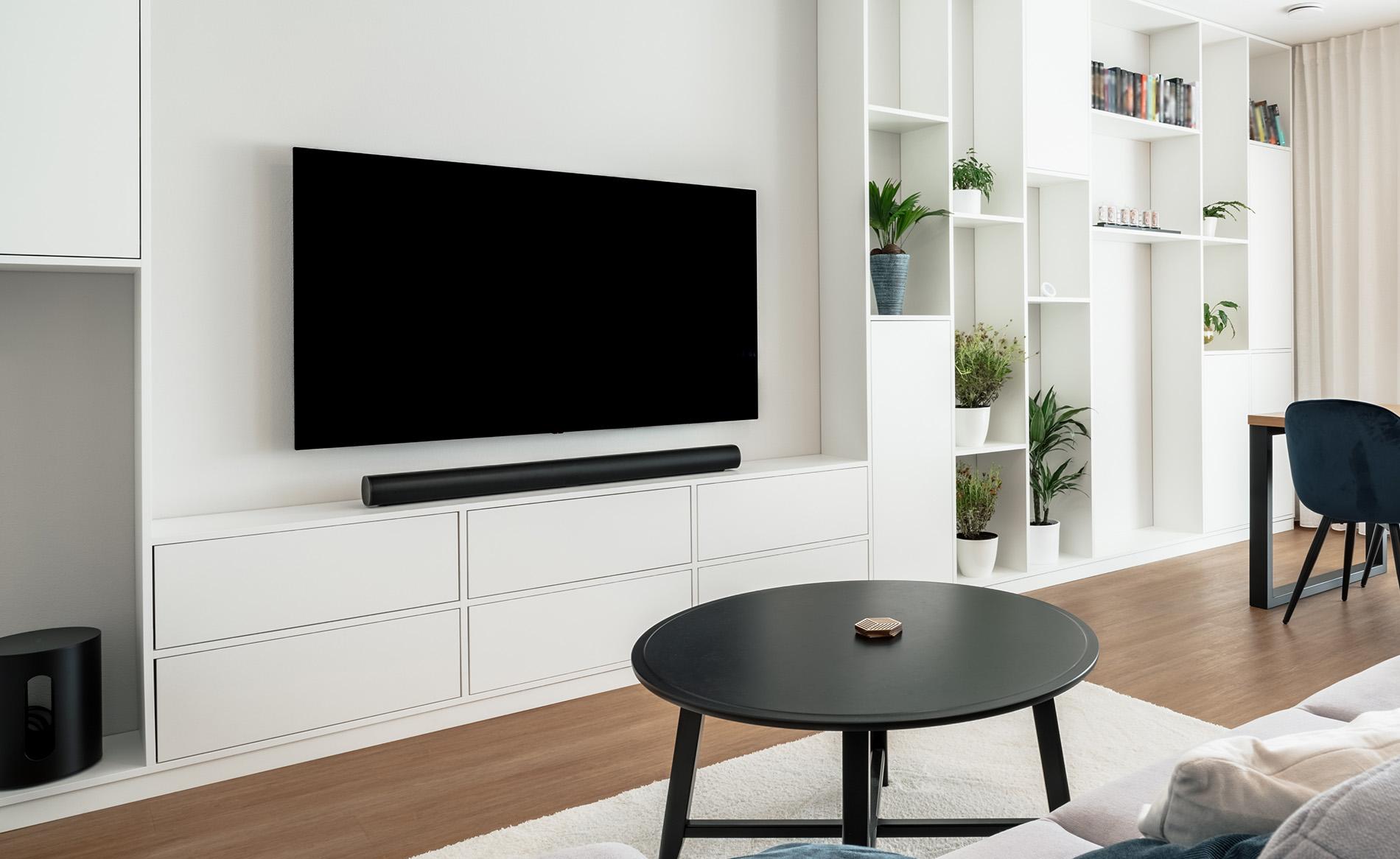
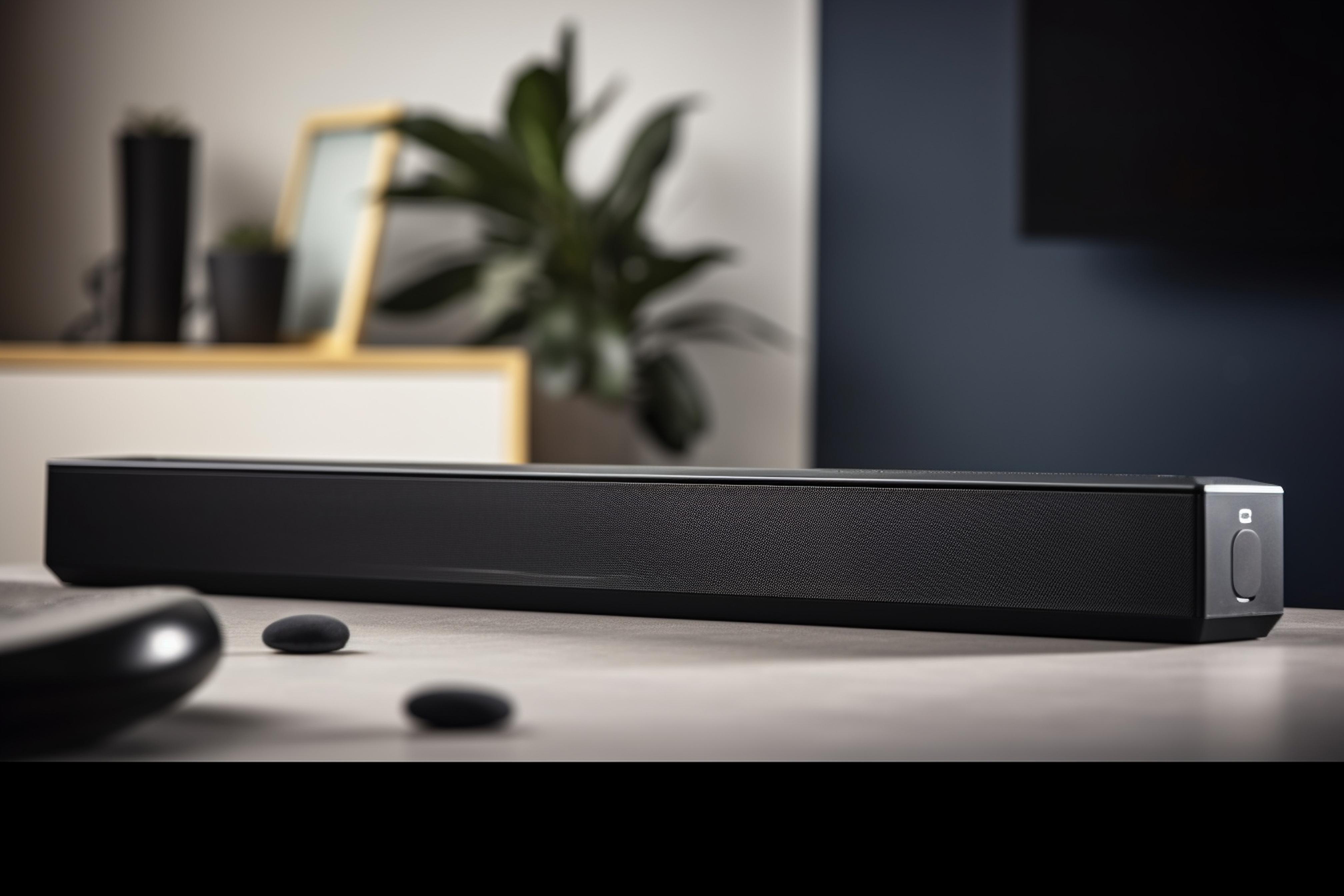
A soundbar is exactly what it sounds like - a long, slim speaker that sits under your TV (or mounts neatly below it). Inside, a few different drivers split things up, so dialogue, music and effects each get their own space.
The most popular soundbar setups are 2.0, 2.1, 3.1 and 5.1. Here’s what they mean:
Soundbar and home cinema system numbers explained: Soundbars use two numbers tell you how many speakers you get, and whether there’s a subwoofer for bass. For example:
2.0 is basic stereo
2.1 adds bass with a subwoofer
3.1 improves dialogue with a centre speaker
5.1 gives you more of a surround-sound feel
Some home cinema systems have three numbers, like 5.1.2 or 7.1.4. The third number tells you how many upward-firing speakers there are for height, which gives you sound from above, as well as all around.
Some soundbars also include Dolby Atmos, which tricks your ears into hearing sound coming from around and above you, rather than just from the TV. It makes you feel like you’re inside the scene instead of just watching it. A good example is the Sony Bravia Theatre Bar 60 3.1.2. It combines Dolby Atmos with up-firing speakers to place effects in different parts of the room. So sounds like rain, helicopters or crowd noise don’t all feel stuck to the screen.
If you’re always turning the volume up to hear what’s being said, the Samsung HW-S50B/XU 3.0 all-in-one sound bar is a good shout (no pun intended). Its dedicated centre channel gives dialogue its own clear lane, separating voices from background noise so you’re not constantly rewinding to catch missed lines.
Do you spend lots of time at your computer? Then go for a dedicated model like the Acer Nitro 2.0 Bluetooth PC soundbar. The dual-speaker design spreads sound wider than typical monitor speakers, so games, videos and music don’t feel like they’re coming from one tiny spot under your screen.


What is a home cinema system?

A home cinema system brings genuine and fully immersive surround sound into your living room. Instead of everything in a single bar, you’ll have separate speakers dotted around - front, centre, rear - plus a subwoofer for extra bass.
A typical entry-level home cinema setup is 5.1.0: five speakers (left, centre, right, and two rears), one subwoofer, and no upward-firing speakers. This gives you proper surround sound, so when a helicopter flies overhead in a film, you actually hear it swoop from front to back.
The Sony Bravia 6 5.1 Home Cinema System is great if you want sound coming from all around you, with separate rear speakers helping everything feel much bigger. It also features AI Sound Separation, which detects human voices and makes them sound clearer.
The JBL BAR 1000 7.1.4 System produces more flexible surround sound. The detachable wireless rear speakers can be moved behind you for movie nights, then docked back onto the bar when you’re done.


Sound quality comparison – which delivers better audio?
Here’s more detail on how soundbars and home cinema systems compare in key areas:
Dialogue clarity
A soundbar with a dedicated centre channel (3.1 and above) boosts voices so you can easily follow every line of dialogue, even in the middle of lots of other noise. It’s a real upgrade from your TV’s built-in speakers. A home cinema system steps things up with extra speakers, so even whispered dialogue and background chatter come through clearly.
Bass
Most soundbars include wireless subwoofers up to 300 watts, which makes them powerful enough to fill most living rooms with deep and punchy bass. Home cinema subwoofers typically feature large 8–12-inch speakers. This bigger surface area can move more air, making effects like explosions or music feel more like real life. You’ll feel the bass, rather than just hear it.
Immersion
Soundbars use clever processing and up-firing drivers to simulate surround. Home cinema systems use actual rear speakers. That physical placement creates more precise, wraparound sound. With real speakers behind you, sound truly moves around the room — so sounds like footsteps or car chases really are coming from every direction.
Dolby Atmos
Dolby Atmos works brilliantly on any good soundbar, especially in rooms with flat ceilings. But home cinema systems give you the most convincing overhead effect thanks to their dedicated height speakers. When thunder rolls or helicopters swoop overhead, you really notice!
Gaming
If you’re a casual gamer, a good soundbar equipped with Dolby Atmos should suit you fine. Dolby Atmos helps creates an immersive 3D sound bubble, making it easy to track footsteps, gunfire, and other in-game effects.
For serious gamers, adding proper rear speakers as part of a home cinema setup can make a big difference. With those extra speakers behind you, you pick up on sneaky opponents and subtle directional cues much more quickly.
Setup and installation – which is easier?
A soundbar is simple to set up simpler option. It’s mostly a case of plugging it in, connecting it to your TV with an HDMI cable, and pairing a wireless subwoofer (if one comes with it). After that, you’re pretty much set.
A full home cinema system takes a bit more time and thought. You’ll need to run a few cables, figure out where each speaker should go, and spend some time getting everything set up so it sounds right. It’s not difficult, but it takes a little more effort.
Space and room size considerations
Before choosing a soundbar or home cinema system, it’s worth thinking about the room you’ll put it in. Size and shape make a big difference.
Small rooms or flats
A soundbar is the best choice here. You get a quick and easy upgrade over TV speakers without extra speakers or cables taking up space.
Medium living rooms
Both options work well for medium sized room. A premium soundbar will do a great job, but a home cinema system will give you more separation and a wider soundstage. It mainly comes down to layout – for example, whether you’ve got a decent spot for rear speakers behind the sofa.
Large or dedicated cinema rooms
A home cinema system with full surround sound is the best choice for large rooms. In a bigger space you can spread the speakers out more, which means you actually feel those big, sweeping sounds moving across the room.
Soundbar vs home cinema system – which should you choose?
Choose a soundbar if:
You’re short on space or want something more compact
You want a setup that’s quick and easy
You like keeping things simple and tidy
You want a simple way to make gaming sound more immersive
You have a limited budget but still want an upgrade over your TV speakers
Choose a home cinema system if:
You want proper surround sound immersion
You like the idea of upgrading your setup over time
You’re happy adding a few extra speakers to get that full cinema-style experience at home
You want to feel the atmosphere during big sporting events
You play a lot of games and want more detailed, directional sound
FAQs
Is a soundbar better than a home cinema system?
Soundbars are best for an easy all-in-one setup, while home cinema systems give you wraparound sound that makes movie nights special. But it really comes down to what matters most to you. A soundbar is simpler, tidier and makes a big difference to your TV sound. A home cinema system gives you more immersive entertainment, with surround sound from speakers placed around the room.
Do soundbars support Dolby Atmos?
Yes, lots of soundbars support Dolby Atmos, especially mid-range and premium models. Some use up-firing speakers to bounce sound off the ceiling and create that “above you” effect. You’ll get the best results in a room with a flat ceiling and a bit of space for the sound to travel.
Do I need an AV receiver for surround sound?
With most soundbars you don’t. It’s all built in. However, most home cinema systems use an AV receiver as the hub that runs the show. Everything plugs in to it (TV, games console, streaming box) and it sends each audio signal to the correct speaker. It’s an extra piece of kit, but it lets you fine-tune your setup and get the best possible sound.
What size room is best for a 5.1 system?
A medium or larger room works best, especially if you can place the rear speakers behind your sofa. In a small flat or compact lounge, a soundbar is usually the better option.
Can I add rear speakers to a soundbar?
Some models let you add optional or detachable rear speakers, which is great if you want to upgrade later. Just check the specs first - not every soundbar supports expansion.
Is a soundbar good enough for gaming?
For most people, absolutely. A good soundbar with Dolby Atmos will give you immersive sound and clear direction cues. Full surround sound gives you more detail and lets you pinpoint exactly where sounds are coming from – so it’s great for competitive gamers looking for an extra edge.
Any more questions?
We’ve got lots more helpful info. Check out our articles on what is a soundbar, surround sound vs soundbar: what’s best for football fans, and tips for a great home cinema setup. For some shopping advice, here’s which soundbar is right for you.