


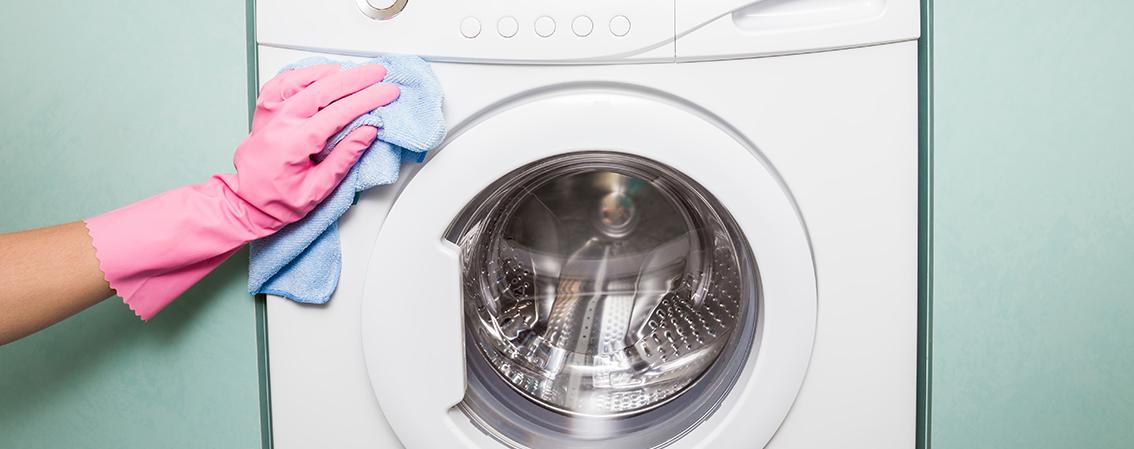
When was the last time you cleaned your washing machine? If the answer is longer than you’d like to admit, you’re not alone. One study found that the average washing machine is cleaned just once a year, making it the least cleaned appliance in our homes.
Knowing how to clean your washing machine is one of the easiest ways to get rid of musty odours and keep it running properly. In this guide, we'll show you how to deep clean your machine and stop smells from coming back.

Why does my washing machine smell?
There are a few factors that can make your washing machine smelly. The most common culprit is the door seal. Moisture gets trapped in the folds of the rubber, which encourages mould and mildew to grow. The detergent drawer can also collect soap residue and fabric softener build-up, creating the perfect environment for bacteria.
Inside the drum, detergent, body oils and dirt from clothing can leave an invisible film. Over time, this can make your machine smell, especially if you regularly wash at lower temperatures. And the drain filter often traps lint, hair, coins and debris, which can eventually create an odour if left unchecked.
If you live in a hard water area, limescale can build up inside your machine over time, affecting how well it runs and making it harder to keep it fresh.
Before you start cleaning your washing machine
Before cleaning your washing machine, switch it off and open the door to let it cool.
You'll need:
A microfibre cloth
Warm soapy water
White vinegar
Baking soda
An old toothbrush
A small towel or tray for catching water from the filter
Mild disinfectant spray (optional)
Always check the manufacturer's instructions before using any cleaning products, especially vinegar, as recommendations can vary between brands.
How to deep clean a washing machine: step-by-step guide
A thorough clean should cover every part of the appliance. By cleaning the seal, drawer, drum and filter regularly, you'll remove the build-up that causes smells and keep your machine running smoothly.
These cleaning steps work for most front-load and top-load washing machines, although the location of the filter and cleaning programmes may vary by model.
How to clean a washing machine seal and detergent drawer
The seal and the drawer are where most smells begin, so it’s a good idea to start there.
Cleaning the detergent drawer
Pull the drawer out fully and press the release catch to remove it.
Soak it in warm, soapy water for 10 to 15 minutes.
Use an old toothbrush to scrub corners and compartments.
Rinse thoroughly and dry.
Wipe and dry the area behind the drawer before putting it back into place.
If you're not sure what each section does, check out our guide to washing machine drawer compartments.
Top tip: Leave the detergent drawer open a crack after every wash. That little bit of airflow stops mould taking hold in the softener compartment, which is one of the most common causes of a smelly washing machine.
Cleaning the door seal
Open the washing machine door.
Gently pull back the folds of the rubber seal.
Spray with white vinegar or a mild disinfectant solution.
Use a microfibre cloth to wipe away dirt and mould.
Pay special attention to the bottom of the seal where water collects (this is where black mould loves to hide).
Dry the seal thoroughly before closing the door.

How to clean a washing machine drum and drain filter
Next, tackle the drum and drain filter to remove hidden build-up that can cause odours.
Cleaning the drum
Inspect the drum for visible residue.
Wipe the inside walls with a damp microfibre cloth.
Pay attention to the paddles and door glass.
Once wiped down, run a cleaning cycle or hot maintenance wash.
Cleaning the drain filter
Locate the filter access panel, usually on the lower front of the machine.
Place a towel underneath to catch any residual water.
Slowly unscrew and remove the filter.
Clear away any trapped fluff, hair, debris or loose objects, then rinse the filter under running water.
Wipe it clean before refitting the filter and closing the access panel.

How to clean a washing machine with vinegar and baking soda
White vinegar and baking soda are popular household cleaning products that can help remove odours and residue. White vinegar dissolves limescale and grease, and baking soda lifts grime and neutralises odours.
Here’s how to use them:
Empty the washing machine.
Add 500ml of white vinegar directly into the drum.
Sprinkle 100g of baking soda into the drum.
Select the hottest wash cycle available, ideally 60°C or higher.
Run the cycle with no laundry inside.
Once it’s done, wipe the drum, door glass and seal with a clean cloth.
And yes, it’s safe to clean a washing machine with vinegar. Just avoid using it on every single wash, as it can degrade the rubber seals over time.
Other useful products to clean a washing machine
Prefer a ready-made solution? Washing machine cleaners and descalers are specifically designed to dissolve grease, detergent residue and limescale.
Here’s what else you can use:
Soda crystals – Useful for breaking down greasy residue.
Commercial oxygen bleach – Effective for removing odours and stains.
Washing machine descalers – Particularly useful in hard water areas.
Dishwasher tablets – Sometimes used as a home remedy, however manufacturers generally recommend using actual washing machine cleaning products instead.
For stubborn limescale or odours that keep coming back, a specialist washing machine cleaner is usually the safest and most effective option.
What cycle to run to clean your washing machine
The best cycle depends on your appliance. Lots of modern washing machines include a self-clean or drum clean programme. These cycles tend to use higher temperatures and special drum movements that help remove residue and odour-causing build-up.
If your machine doesn't have a cleaning programme:
Use the hottest wash setting available.
Select a long cotton cycle.
Run the cycle without clothes inside.
Use either a washing machine cleaner or the recommended cleaning solution.
A 60°C to 90°C maintenance wash is generally most effective because high temperatures help break down detergent residue and kill bacteria.

Best self-cleaning washing machine
If you’re in the market for a machine that takes care of itself, the Samsung Series 5 AI Energy WW90CGC04DAEEU is a standout pick. It features Samsung's Drum Clean+ programme, which uses powerful drum movements and hot water to remove dirt and odour-causing bacteria without needing harsh chemicals.
Shop all Samsung washing machines to find similar models with self-cleaning features.
How to maintain a washing machine
A little routine maintenance can prevent most washing machine smells before they start.
Leave the door slightly open after each wash so moisture can escape.
Pull the detergent drawer open between washes to help it dry.
Clean the seal and drawer monthly.
Check and clean the drain filter every few months.
Use the correct amount of detergent and fabric softener to avoid excess residue.
Choose high-quality detergents designed for your machine type.
Remove wet clothes promptly after a cycle finishes.
Run a hot maintenance wash once a month.
These simple habits can help extend the life of your appliance and keep your laundry smelling fresh.

Need more info?
A clean washing machine means fresher clothes, fewer breakdowns and a longer-lasting appliance. Ready for an upgrade? Check out our guide to the best washing machines or find the perfect model with our washing machine buying guide.
FAQs
How often should you clean your washing machine?
You should clean your washing machine once a month to keep bacteria, mould and limescale at bay. The seal, drawer and drum benefit from monthly attention, while the drain filter should be cleaned every two to three months.
What can you use to clean a washing machine?
You can use white vinegar and baking soda, soda crystals, descaler tablets or even a dishwasher tablet. A microfibre cloth and old toothbrush are all you need for the physical scrubbing.
Is it safe to clean a washing machine with vinegar?
Yes, white vinegar is safe for occasional washing machine cleaning. It helps remove limescale and odours, but check your appliance manual first, as some manufacturers may recommend alternative cleaning products.
How much vinegar should I use to clean a washing machine?
Around 500ml of white vinegar added to an empty drum is usually enough for a maintenance clean. Run a hot cycle afterwards and wipe the drum and seal dry.