

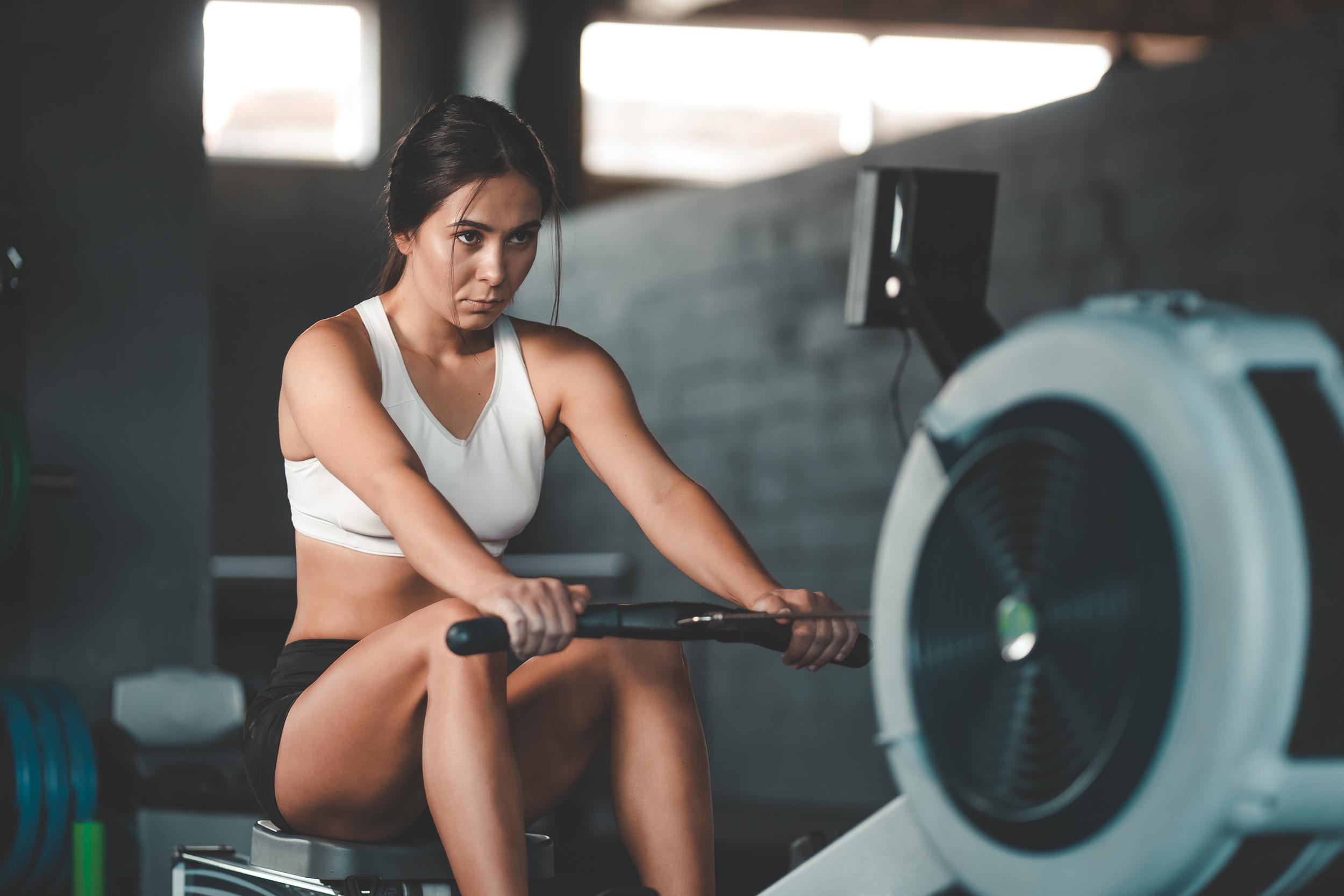
Rowing machines come in three main types: magnetic, air and water rowers. If you're looking for a quiet machine for regular home workouts, a magnetic rower is often the best fit. If you're training hard and want resistance that responds to your effort, an air rower could be the better choice. And if you want the closest thing to rowing on a river, it's hard to beat a water rower. Minus the ducks.
So, choosing a rowing machine isn't just about budget. The type of resistance system affects how the machine feels to use, how much noise it makes, how much maintenance it needs and whether it'll fit into your home.
What are the main differences?
All rowing machines work by creating resistance as you pull the handle and drive with your legs. The difference is how that resistance is generated.
Magnetic rowers use magnets to create resistance and are usually the quietest option.
Air rowers use a fan flywheel, with resistance increasing naturally the harder you row.
Water rowers use paddles moving through water, creating a realistic rowing feel and sound.
Here's how they compare at a glance:
| Feature | Magnetic rower | Air rower | Water rower |
|---|---|---|---|
| Resistance type | Magnetic resistance | Air resistance | Water resistance |
| Noise level | Quietest | Loudest | Moderate |
| Rowing feel | Smooth and consistent | Responsive and dynamic | Natural and realistic |
| Maintenance | Very low | Low | Occasional water changes |
| Storage options | Often foldable | Usually larger | Generally bulkier |
| Best for | Most homes | Performance-focused users | Realistic rowing experience |
| Typical price | Budget to mid-range | Mid-range to premium | Mid-range to premium |
Best home rowing machines: magnetic vs air vs water
Now we’ve covered the fundamentals, let’s find the rowing machines that work best for you.
Magnetic rowing machines: best for most homes
If you're buying a rowing machine for general fitness, there's a good chance a magnetic model will tick the most boxes.
The biggest advantage is how quiet they are. Because they use a magnetic braking system with no fan and minimal physical contact between moving parts, they’re typically much quieter than air or water rowing machines. That's ideal if you're exercising in a spare room, flat or shared home.
The rowing action tends to be smooth and consistent, with resistance controlled through preset levels rather than automatically increasing with your effort.
Many magnetic rowers are designed to be used at home. Foldable frames and compact footprints are common, making them easier to store when you're not using them.
What you'll like
Quiet operation
Often compact or foldable
Low maintenance
Usually offers great value for money
What to consider
Doesn't feel quite as responsive as air or water resistance
Can feel less immersive for experienced rowers
Good for: beginners, casual fitness users, smaller homes and anyone who prefers a quieter workout.

Air rowing machines: best for tougher workouts
Air rowers are popular with gym-goers, experienced rowers and anyone who likes to push themselves. They’re less about preset resistance levels and more about the effort you put in. So, the harder and faster you row, the more resistance the machine creates.
This means every workout feels dynamic. Gentle rowing remains comfortable, while high-intensity sessions become significantly more challenging. That's one reason air rowers are commonly found in commercial gyms and training facilities - although they’re also perfectly suitable for home use.
What you'll like
Resistance naturally adapts to your effort
Excellent for interval training
Dynamic, responsive rowing feel
Suitable for a wide range of fitness levels
What to consider
Fan resistance creates more noise
Often larger than compact magnetic models
Good for: regular exercisers, high-intensity training and people who want a more gym-style rowing experience.

Water rowing machines: best for realism
For many people, water rowers simply feel the most satisfying to use.
Resistance is created by paddles moving through a water-filled tank. Just like an air rower, resistance increases naturally as you pull harder. But the rowing motion feels slightly different.
Many regular rowers find water rowers offer the closest approximation to rowing on lakes and rivers. They also produce a distinctive swishing sound that many people prefer to the whirring of an air flywheel.
Water rowers are often chosen as much for the experience as the workout itself.
What you'll like
Natural rowing sensation
Resistance responds to your effort
Distinctive water sound
Often attractive furniture-style designs
What to consider
Usually more expensive
Heavier once filled
May need occasional water changes and tank maintenance
Good for: users who prioritise rowing feel, immersion and overall experience.

Which rowing machine should you buy?
Still undecided? Start with your priorities.
Choose a magnetic rowing machine if...
You want the quietest option
You live in a flat or shared home
Storage space is limited
You're buying your first rowing machine
For most households, magnetic rowers offer the best balance of convenience and value.
Choose an air rowing machine if...
You enjoy intense workouts
You want resistance that responds to your effort
You're looking for a more performance-focused machine
Air rowers are often the best choice for people who treat rowing as serious training.
Choose a water rowing machine if...
You want the most realistic rowing experience
You enjoy the sound and feel of rowing
You're prepared to spend a little more
For many enthusiasts, water rowers provide the most enjoyable and immersive workout.


Our rowing machine recommendations
So now we’ve gone through the pros and cons of different types of rowing machines, let’s work out the right one for your situation. Take a look at the picks below to decide which might be the best fit for your home.
Best foldable rowing machine for small spaces
If you're tight on room, look for a foldable rowing machine that can be stored away between workouts. They’re a practical choice for spare rooms and shared living spaces.
Recommended: Proform 550R Folding Rowing Machine weighs in at 33kg, making it much lighter than most. It folds from 182.1cm to 83.3cm, so it’s a great choice if space is at a premium.
Best rowing machine for quiet workouts
Noise can be a deciding factor if you're exercising early in the morning or living in a flat. Magnetic rowers are typically the quietest option because they don't rely on a fan or water tank to generate resistance.
Recommended: Sunny Health Magnetic Rowing Machine has 16 levels of silent magnetic resistance, allowing you to switch from a tough workout to a gentle recovery session.
Best rowing machine for beginners
First-time buyers don't necessarily need the most advanced machine. Look for a rower that's comfortable, easy to use and offers adjustable resistance levels as your fitness improves.
Recommended: Sunny Health Smart Compact Full Motion Rowing Machine has a compact design which makes it less intimidating than larger rowing machines. For some extra coaching, it's also compatible with the SunnyFit app for guided workouts and activity tracking.


Best rowing machine for tough workouts
If you enjoy high-intensity training, an air rower's resistance naturally increases with your effort, helping workouts feel challenging without constantly adjusting settings.
Recommended: Half Human Air Rowing Machine. As well as air resistance that responds to your effort, it comes with a Bluetooth progress monitor that pairs with the D-Fit, Kinomap and EXR apps. Real-time performance tracking can help keep training sessions focused and motivating.
Best rowing machine for realistic rowing
Water rowers are often chosen by people who want the closest feel to rowing on actual water, complete with a satisfying swishing sound.
Recommended: Sunny Health Water Rowing Machine. Alongside the realistic feel and sound of water resistance, its advanced digital monitor lets you know times and calories burned as you row.
Best premium rowing machine
If you're planning to row regularly and want advanced tracking, smart features or a more robust build, a premium machine could be worth the investment.
Recommended: NordicTrack RW700 Smart Bluetooth Rowing Machine. With a large touchscreen, 36 resistance levels and access to iFIT workouts, it's the pro rower’s choice.
There's no single best rowing machine for everyone. For most homes, a magnetic rowing machine strikes the best balance of quiet running and practicality. An air rower is ideal if performance is your priority. Meanwhile, a water rower delivers the most realistic rowing of the three.
The right choice comes down to how much space you have, how intensely you plan to train and which type of rowing experience you'll enjoy enough to keep coming back to.
Still working it out?
If you’re looking for more home gym & exercise equipment, check out our exercise bikes, treadmills, fitness trackers and loads more. Plus, our Sports and fitness buying guide takes the sweat out of decision making.
FAQs
How much space does a rowing machine need?
Most rowing machines need around 2 to 2.5 metres of floor space in length, plus some extra room around the sides and rear so you can get on and off comfortably. If space is tight, many models fold away or can be stored upright when not in use.
How long should you row for on a rowing machine?
If you're new to rowing, aim for sessions of 10-15 minutes and gradually build up to 20-30 minutes as your fitness improves. Consistency matters more than duration at first. If you're new to exercise or have any health concerns, it's a good idea to seek professional advice before starting.
What muscles does a rowing machine work?
A rowing machine works muscles throughout your body, including your legs, core, back, shoulders and arms. During the drive phase, most of the power comes from your legs, while your core helps with stability and your upper body finishes the stroke.
How do you maintain a water rower?
To maintain a water rower, keep the tank clean, top up the water level when needed and use water purification tablets as recommended by the manufacturer. It's also worth wiping down the frame regularly and checking for loose parts to help keep everything running smoothly.