

If your post-shave routine ends with a sore, red neck rather than a smooth finish, you're not alone. Razor bumps and shaver rash are two of the most common shaving complaints. In many cases they're avoidable with a few simple changes to your routine.
Whether you use a traditional razor or an electric shaver, this guide will help you shave more comfortably and keep irritation to a minimum.

What causes razor bumps and shaver rash?
Razor bumps and shaver rash look similar but they’re not quite the same thing.
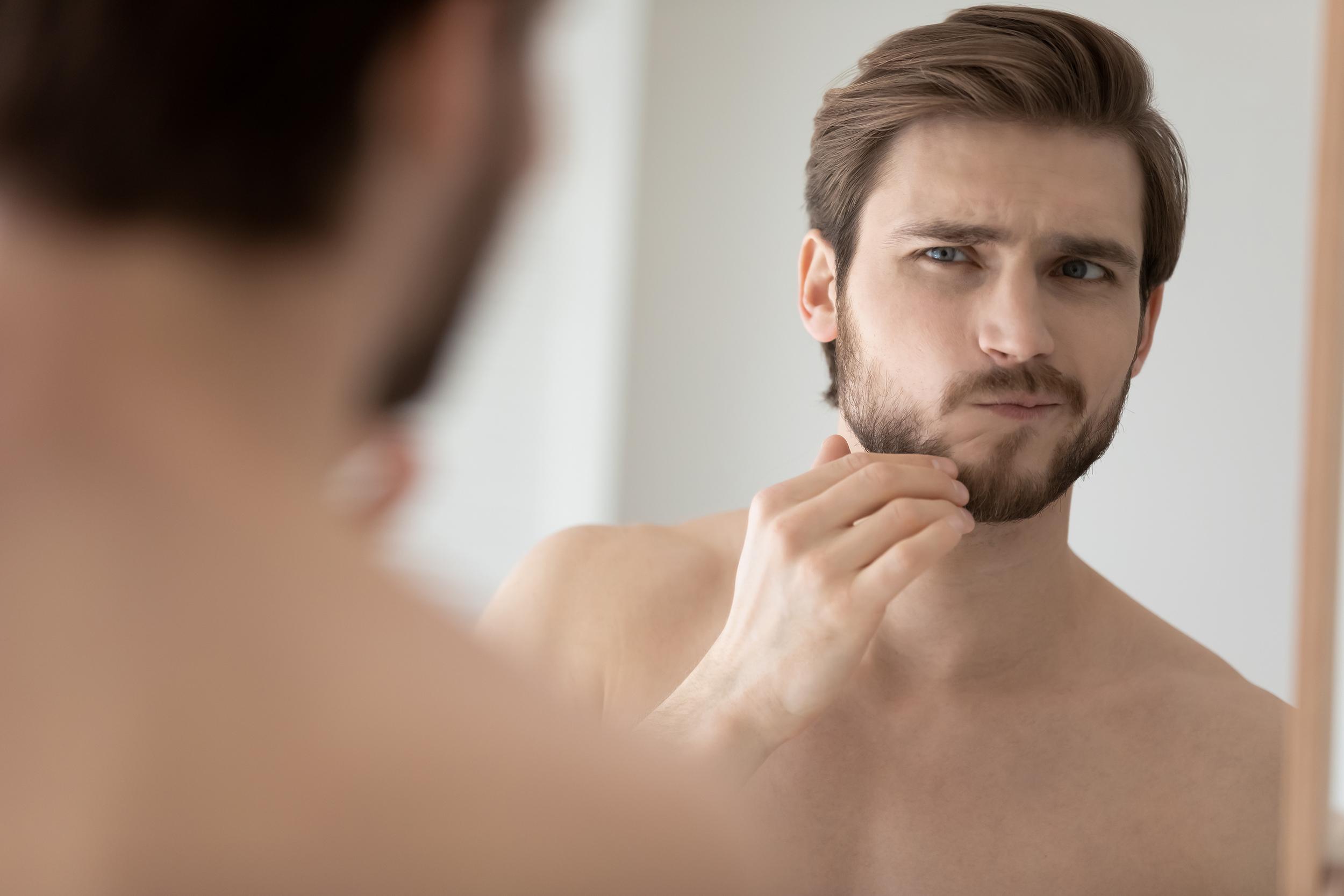
Razor bumps (sometimes called ingrown hairs) happen when shaved hairs curl back into the skin instead of growing out normally. This can lead to small, inflamed bumps, particularly around the neck and jawline. They're more common in people with curly or coarse hair, but anyone who shaves regularly can experience them.
Shaver rash is usually caused by irritation. Using a dull blade, pressing too hard, shaving dry or repeatedly going over the same area can all leave skin feeling sore and looking red.
The good news is that a few simple changes to your shaving routine can help prevent both.
How to prepare your skin before shaving
Preparation is the most underrated part of a good shave.
Warm water softens both skin and facial hair, helping your razor or shaver glide more easily and reducing the likelihood of irritation. That's why many people find shaving after a shower easier on their skin. If you shave at the sink, a warm flannel held against your face for 30 seconds achieves the same result.
If you shave every few days rather than daily, gentle exfoliation beforehand can reduce the chance of ingrown hairs forming.
The BRAUN All-in-One Series 7 AIO7560 Grooming Kit and the Philips Series 7000 Multi Grooming Trimmer are both wet-and-dry compatible, so prep and shave can happen together in the shower.
Shaving techniques that help prevent razor bumps
How you shave matters as much as what you shave with. A few small tweaks can go a long way:
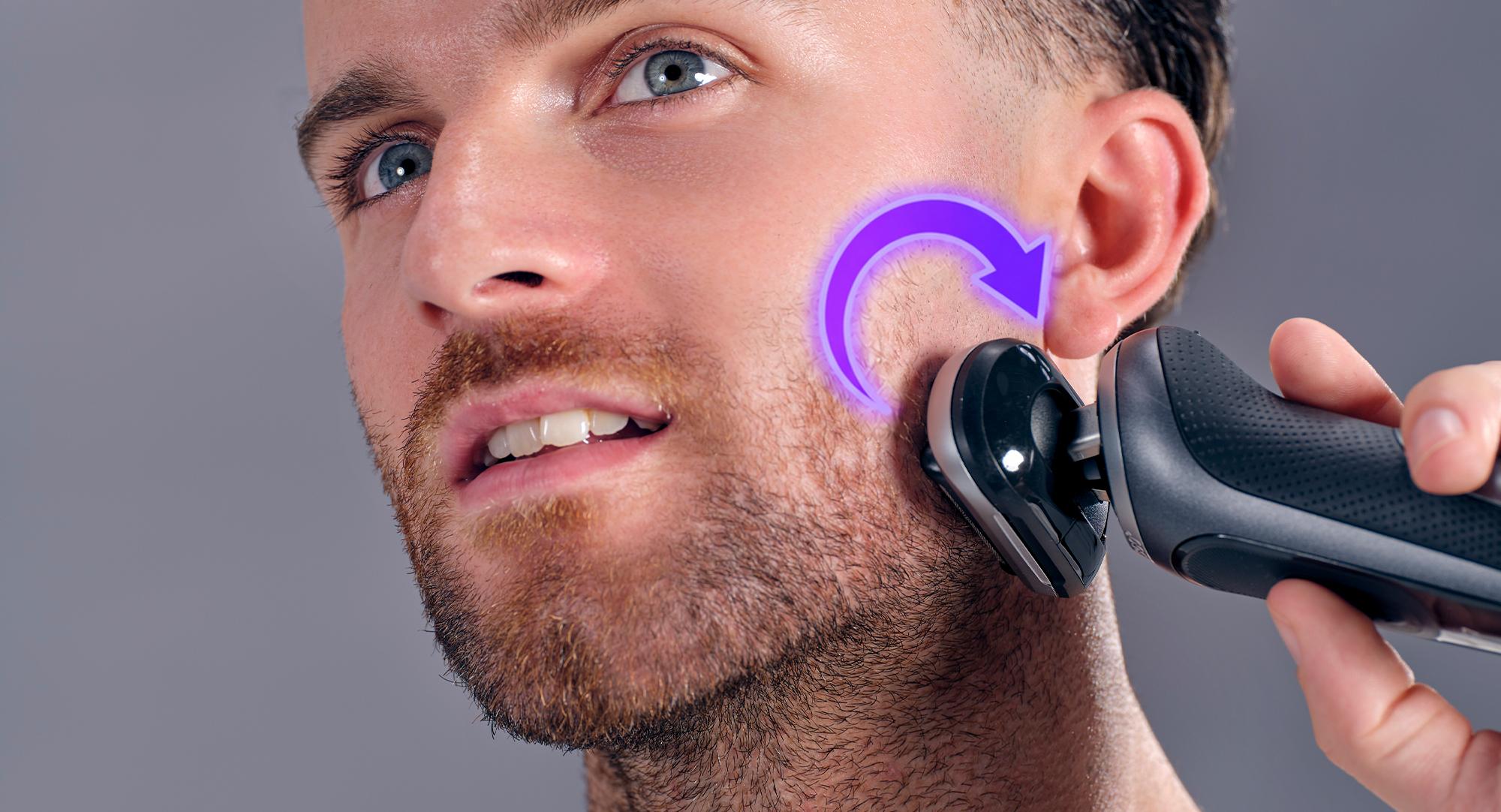
Shave with the grain. Especially on sensitive areas like the neck. It may not feel quite as close, but it can help reduce irritation and ingrown hairs.
Use light pressure. Let the shaver do the work. Pressing too hard is one of the most common causes of redness.
Avoid repeated passes. Going over the same area again and again increases friction without adding much benefit.
Take your time. A hasty shave rarely ends well for your skin.
Foil vs rotary shavers - which is better for sensitive skin?
If your skin is prone to irritation, the type of electric shaver you use can make a difference. People often find foil shavers the better pick. Rotary shavers are often a good choice for thicker growth. Check out our comparison guide for a clear breakdown of Foil vs rotary shavers.

Post-shave care to soothe irritated skin
What you do after shaving is just as important as the shave itself.
Rinse with cool water after shaving to help soothe the skin.
Pat dry rather than rubbing.
Applying a fragrance-free moisturiser while your skin is still slightly damp can help lock in moisture and support your skin barrier.
If you do experience irritation, avoid shaving over the affected area until your skin has had a chance to recover. Products containing aloe vera can also help calm redness while your skin settles down.
When should you replace your shaver?
If shaving has started feeling less comfortable than it used to, worn blades or shaving heads could be the reason.
As cutting elements become less effective, you'll often need more passes to get the same result. That means more friction and a greater chance of irritation.
Most manufacturers recommend replacing electric shaver heads every 12 to 18 months, although this can vary depending on the model and how often you shave. Some modern shavers include replacement indicators, making it easy to know when it's time for a refresh.
Our guide to the best electric shavers for men should help you make your next shave upgrade.
FAQs
How do I get rid of razor bumps fast?
Cool water, a gentle moisturiser and avoiding shaving over the affected area are your quickest fixes. Aloe vera gel helps too. Avoid picking at bumps as this can cause scarring.
What’s the difference between razor bumps and razor burn?
Razor burn is friction-caused irritation – a blotchy red rash that fades within a day or two. Razor bumps are ingrown hairs that can persist if the hair keeps growing inward.
Is an electric shaver better for preventing razor bumps?
Often, yes. Electric shavers cut hair at or above the skin surface, reducing the risk of hairs curling back. A foil shaver can make a significant difference.
Should I shave with or against the grain?
Shaving with the grain is the safer choice for sensitive skin, particularly on the neck. It greatly reduces the risk of ingrown hairs and shaver rash.
How can I stop shaver rash on sensitive skin?
Warm up the skin, use light pressure, shave with the grain and moisturise afterwards. Switching to a foil electric shaver can also help considerably.
Can moisturiser help prevent shaving irritation?
Yes. A fragrance-free moisturiser restores the skin barrier and reduces the dryness that makes irritation worse over time.
When should I see a dermatologist about razor bumps?
If razor bumps are persistent, severe or causing scarring, speak to a dermatologist. Prescription treatments may be needed.