

Robot vacuums promise effortless cleaning. And by “effortless” we mean you don’t really have to do anything! Just pop it on and put your feet up. Then they’ll go on dust patrol until they’re full – at which point many models will empty themselves too. Yep, having a robo vacuum still feels futuristic - even in 2026.
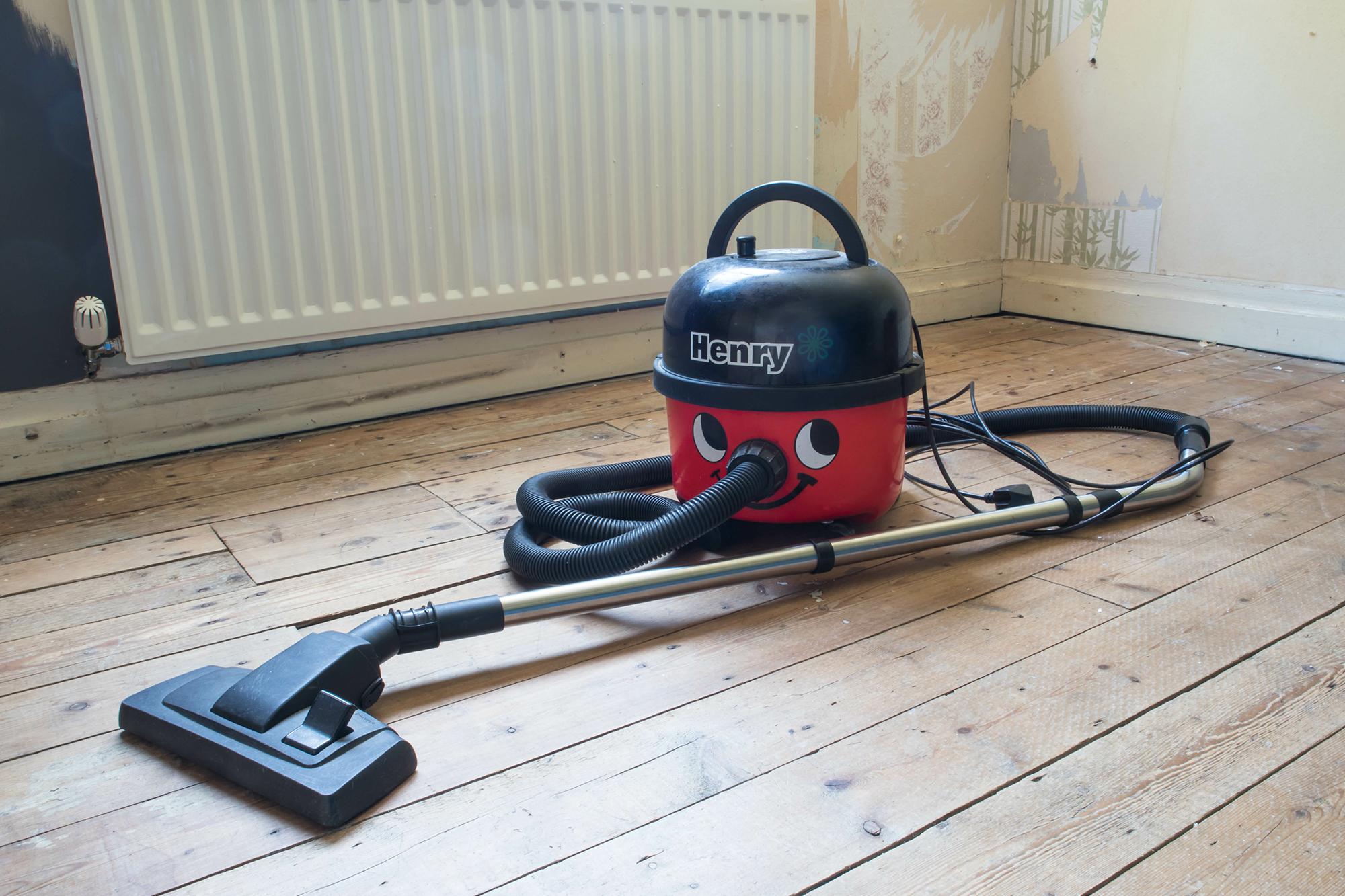
Traditional vacuums are maybe a bit less thrilling, but they can really get the job done. And while it does depend on which vacuum cleaner you go for, at their best they’re hard to beat in terms of power, accessories and flexibility.
So if you’re deciding between a robot vacuum cleaner vs normal vacuum, the real question isn’t just “which is better?” It’s which works best for your home, floor type, pets and schedule. And which does a better job. Here’s a clear, practical breakdown to help you choose.
How robot vacuums clean: smart navigation vs hands‑free convenience
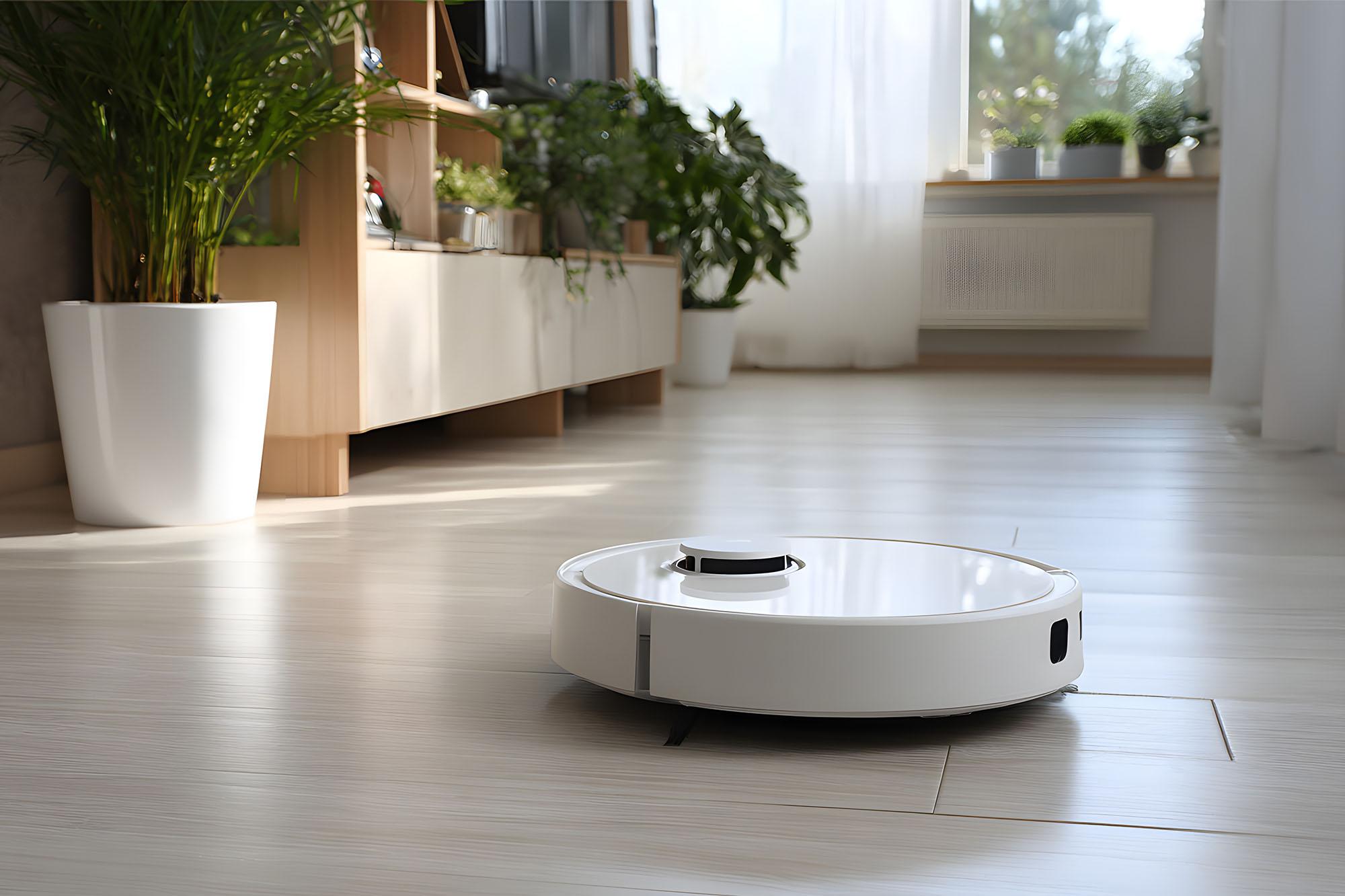
Robot vacuums are built around automation. They navigate your home using LiDAR, cameras or sensor‑based mapping. This helps them to move around furniture, avoid obstacles and clean in logical patterns rather than random paths.
Where they shine
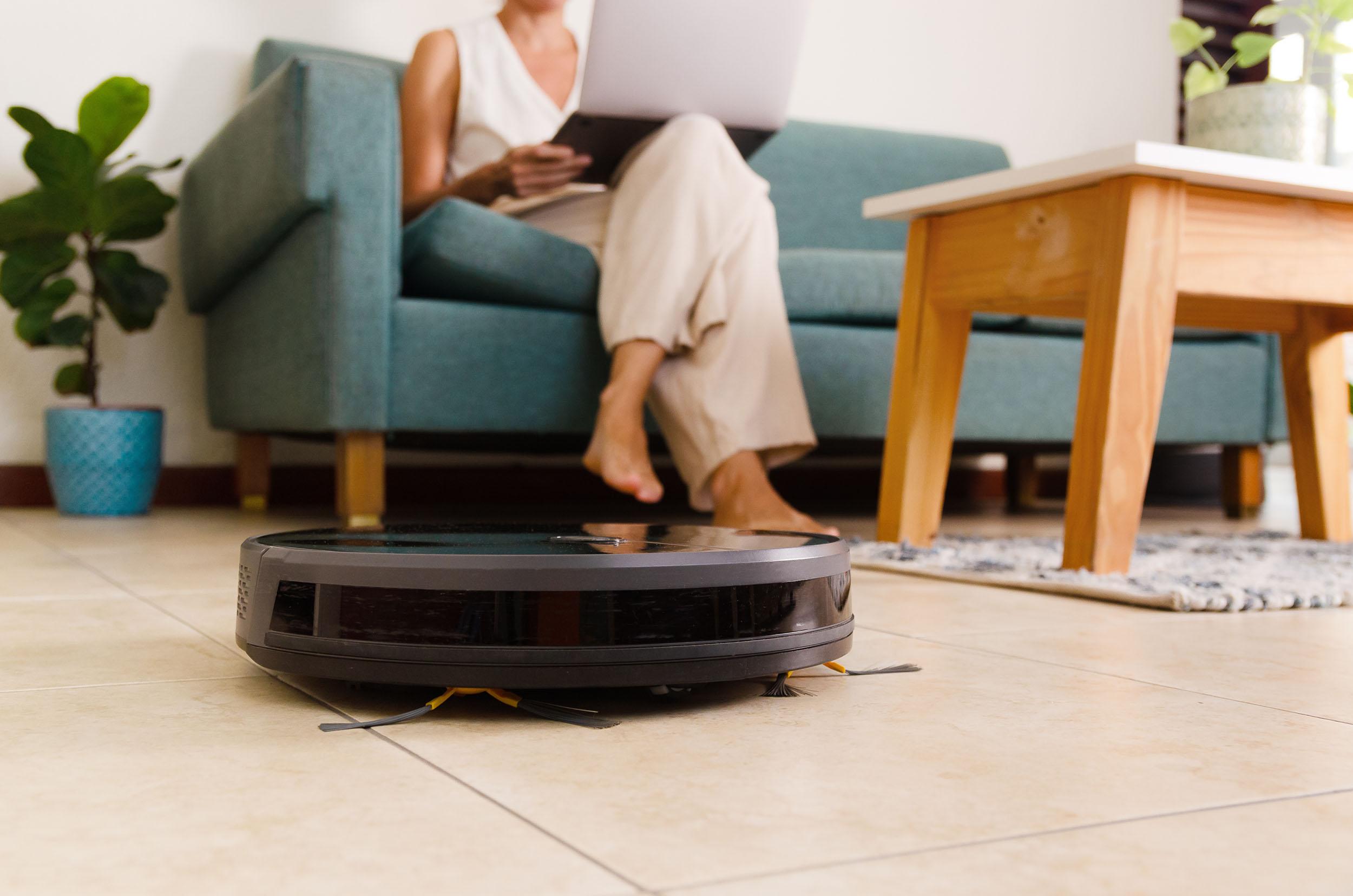
Set‑and‑forget cleaning: Schedule daily runs and keep dust under control without lifting a finger.
Consistent maintenance cleaning: Ideal for stopping dirt build‑up, especially in busy homes. This will keep your home cleaner over time.
Low‑profile design: They easily clean under beds, sofas and cabinets where larger manual vacuums often struggle.
Smart features: Being able to decide where they clean with Room zoning, no‑go areas and app control make them highly customisable.
So if you want a home helper that will be far more consistent and thorough than you, a robot vacuum cleaner might be just what you’re after.
Where they fall short
Lower suction power
Compared to traditional vacs, robo vacs struggle with deep‑set dirt. You can expect to get a mid-range robot vacuum cleaner with 5-20 AW (Air watts) of suction power. For similar money, even a cordless vacuum gives you far more real cleaning power - typically 150–250 AW.
Edge and corner limitations
Robo vacuums have round brushes. Corners are square. Brushes can miss tight corners or skirting edges that you can much more easily tackle with the accessories you get with a traditional vacuum cleaner.
Smaller bins
If you’re buying a robot vacuum cleaner without an auto-empty station, expect to be emptying the bin frequently.
Robot vacuums are brilliant for that little‑and‑often cleaning you won’t get round to. If you’re after deep cleaning where every nook and cranny is tackled, you’re still going to need a human!
Robot vs traditional vacuum on different floor types
Not all floors behave the same - and this is where the difference becomes obvious.
Hard floors (wood, laminate, tile)
Robot vacuums
Excellent for daily upkeep, dust, crumbs and fine debris that your eye may miss. Robo vacuum cleaners increasingly come with mopping abilities too – meaning they can tackle spills as well as dirt. For example, the Eufy X10 Pro has a mop that automatically lifts up when it detects adjoining carpeted areas.
Traditional vacuums
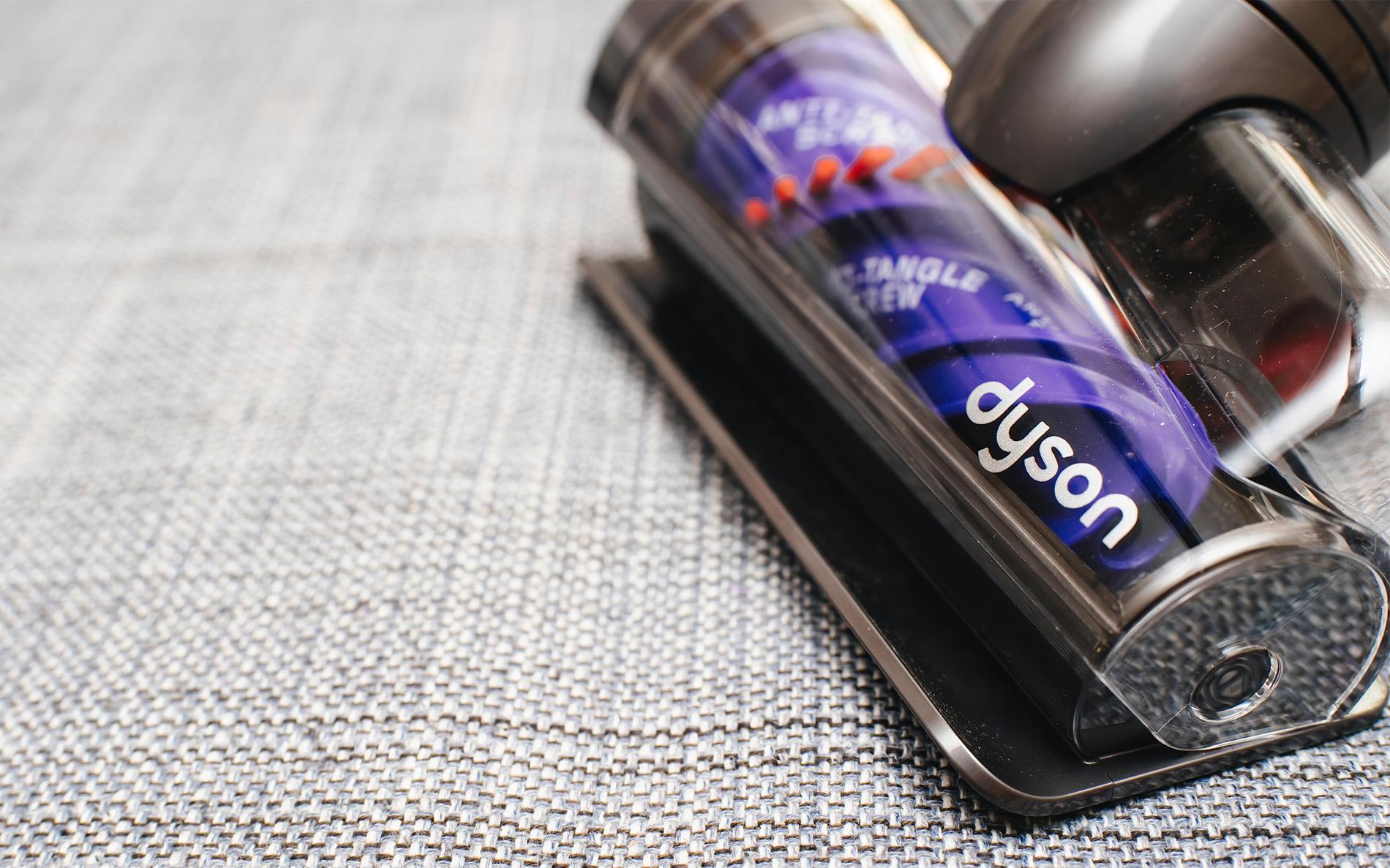
A combination of power and filtration means that upright vacs are great at really cleaning up. Many Dyson vacuum cleaners trap 99.97% of particles as small as 0.3 microns. You can also switch out different head types meaning you have more tools to do the job.
Carpets and rugs
Robot vacuums
Robo vacs do a good job on low to medium‑pile carpets but can struggle with deeply embedded dirt. That said, robo vacuums are increasingly using AI – and not just to stop bumping into plant pots!
For example the DYSON Spot + Scrub AI Robot Vacuum Cleaner detects when it hits carpet and uses 4x more suction.
Traditional vacuums
Provides deep agitation thanks to its brushes, which helps lift deeply embedded dirt. But the star of the show is the intense suction – which is the secret weapon on thick carpets.
Pets, hair and allergies: which vacuum is more effective?
Pet owners need more than basic cleaning. Pets shed lots of hair or dander, and this can be really unpleasant for people with allergies. So there’s no better cleaning tool that a vacuum. But which is the go-to?
Robot vacuums
Robot vacuums can manage daily pet hair shedding, which helps prevent build‑up. Robot vacuums can struggle with longer hairs, so there’s the possibility you’ll have to keep the brush rollers clean manually. On the plus side, some robo vacuums have HEPA filters.
The Shark RV2620WAUK Matrix has an Anti-Allergen Complete Seal which traps 99.9% of dust and allergens.
Traditional vacuums
Traditional vacuums remove deep‑embedded hair from carpets and upholstery. They can reach corners and clean under sofa cushions - areas that are off limit to robo vacs. Many vacuum cleaners now include anti‑pet hair features. These mainly come in the form of special brushes that keep hair from getting tangled and help it get sucked up cleanly.
Convenience vs cleaning power: which one actually cleans better?
Here’s the honest answer: traditional vacuums. They’ve got better deep cleaning performance, are more versatile and let you clean your home faster. But, as we all know, there’s a very specific reason for a robot vacuum. They’re way more convenience, they’ll save you time and housework and they’re consistent.
So yes, a traditional vac has more suction and can get in deeper. But if you have a robo vac running everyday and stopping dust from settling in, your deep cleans won’t have to be quite so deep.
So, can a robot vacuum replace a traditional vacuum? In most homes, no. But it can dramatically reduce how often you need to use one.
Robot vacuum: runs daily for maintenance
Traditional vacuum: used weekly for deep cleaning
Check out our Floorcare buying guide for more options - including lightweight vacuum cleaners, steam cleaners and much more.
FAQs
Do robot vacuums clean as well as traditional vacuums?
Not in terms of deep cleaning. They maintain cleanliness well but don’t match the suction power of traditional vacuums.
Are robot vacuums powerful enough for carpets?
They can handle low‑pile carpets, but struggle with deep‑pile or heavily soiled areas.
Can a robot vacuum replace a regular vacuum completely?
For most homes, it works best as a supplement rather than a full replacement.
Which vacuum is better for pet hair?
Robot vacuums manage daily hair; traditional vacuums remove embedded fur more effectively.
Are robot vacuums good for large homes?
Yes, especially models with mapping and long battery life. But they take longer to clean the entire space.
Do traditional vacuums clean faster than robot vacuums?
Yes. A manual clean is typically much quicker for full‑home coverage.