

Here’s the quick answer – neither sonic nor oscillating toothbrushes are better than the other. Let’s explain why.
Electric toothbrushes have quickly become a dental care staple, and for good reason. They make it far easier to brush for the right amount of time and with the right amount of pressure. And, if you use one properly, can help to get rid of more plaque than a manual toothbrush does.
If you’re shopping around for a new toothbrush, you’ll quickly run into two main kinds, sonic and oscillating. But which one should you choose? Both do an excellent job. The best one really comes down to how you prefer to brush and how sensitive your teeth and gums are. Right, let’s get set to protect those pearly whites!


What are sonic and oscillating toothbrushes?
Whenever anyone talks about electric toothbrushes, they’re usually referring to one of two technologies – sonic or oscillating. Both are designed to remove plaque and improve your oral hygiene. The main difference though is how the brush head moves while you brush.
Sonic toothbrushes
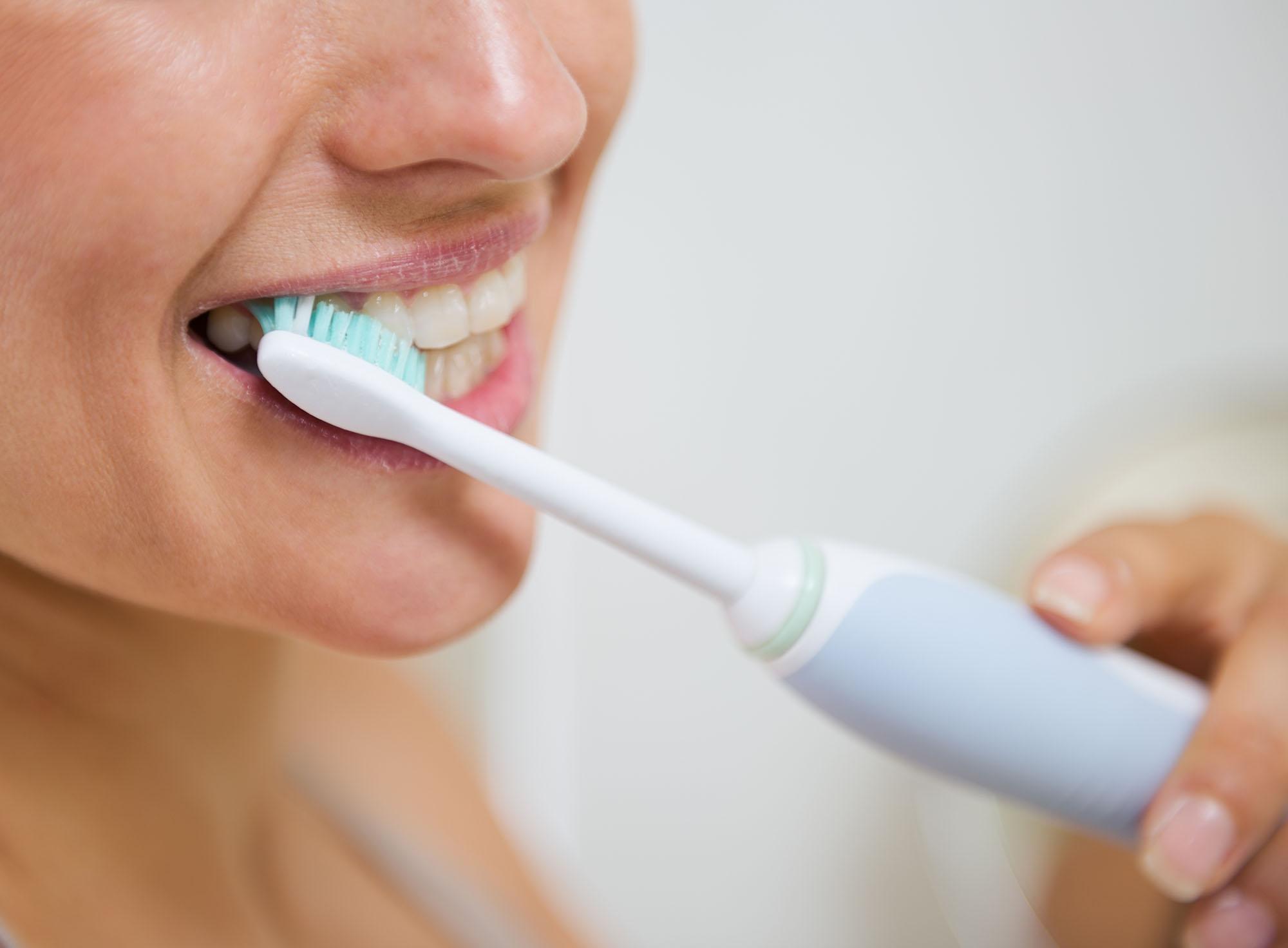
Sonic toothbrushes use a long brush head that looks similar to a manual toothbrush. Instead of rotating, the head vibrates rapidly from side-to-side thousands of times a minute.
These fast vibrations help to clean the surface of your teeth. They also create movement in saliva and toothpaste, which cleans around your gumline and any of those hard-to-reach spots.
Common features:
Long, traditional style brush heads.
High-frequency side-to-side vibrations.
A quieter brushing experience.
A gentler feeling on teeth and gums.
Oscillating toothbrushes
Oscillating toothbrushes use a smaller, round brush head. The head rotates one way and then the other while pulsing at the same time. Instead of sweeping the brush across several teeth, you’re encouraged to hold the brush on each tooth and let the brush head do the work.
Common features:
Small round brush heads.
Rotating and oscillating movements.
Tooth-by-tooth cleaning.
Detailed plaque removal.

What’s the difference between sonic and oscillating toothbrushes?
Here’s how the teethy tech stacks up…
| Feature | Sonic | Oscillating |
|---|---|---|
| Brush head shape | Long brush head | Small round head |
| Motion | Side-to-side vibrations | Rotation & oscillation |
| Cleaning style | Sweeping action | Tooth-by-tooth-cleaning |
| Typical brands | Philips Sonicare | Oral-B |
Neither type is automatically better. They just offer a different way to brush.
Which toothbrush removes more plaque?
According to the toothbrush brand Ordo, experts haven’t ever really come to an agreement. “There’s very little scientific evidence which technology is in fact more effective”. What they can agree on though, is that both are a lot better at tackling plaque than a run of the mill manual brush is.
Anyhow, your brushing habits matter just as much as the tech does. If you’re rushing through your brushing in 30 seconds, even the fanciest toothbrush won’t work miracles. Take your time and focus on cleaning each tooth properly. It’ll have a big, positive impact on your oral health.
Which is better for sensitive teeth and gums?
If you’ve got sensitive gums, you might prefer a sonic toothbrush, as they’re generally gentler on them. The vibrations create a smooth sensation that feels less intense than a rotating brush head. If you’re moving over from a manual toothbrush, a sonic one might feel like a more natural step.
That doesn’t mean oscillating brushes aren’t good for sensitive mouths though. A lot of the best models have…
Sensitive brushing modes.
Pressure sensors.
Soft-bristle brush heads.
Automatic speed adjustments.
Those pressure sensors are particularly handy as brushing too hard will irritate your gums. So, being told how much force to use means there’s zero guesswork. And, in theory, no gum pain.

Which toothbrush is easier to use?
That really depends on what feels natural to you. Sonic toothbrushes usually brush in a similar way to a manual toothbrush. You slowly glide the brush around your mouth while the vibrations handle most of the cleaning. Lots of people find this type of brush easier to use, because you don’t have to learn a new technique. And it feels a lot more familiar.
Oscillating brushes work a little bit differently. Instead of scrubbing, you hold the brush against each tooth for a few seconds before moving onto the next one. Some people prefer how precise it is. Others find it takes a bit of getting used to.
Tech tip: For kids and older adults, the design of the handle, weight and grip might matter more than the brushing tech itself.
What features should you look for in an electric toothbrush?
When you’re buying an electric toothbrush, the features it’s got can have a bigger impact than whether it’s sonic or oscillating.
Here are the key ones to look out for…
Pressure sensors – These warn you when you’re brushing too hard. They’re one of the most useful features for protecting your gums.
Built-in timers – The NHS recommends brushing for about two minutes twice a day. A timer helps to make sure you’re spending long enough on them and aren’t cutting corners.
Cleaning modes – Pick from different modes like daily clean, gum care, whitening or sensitive to customise your brushing. They can make it more comfortable too.
App connectivity – Some of the more premium toothbrushes connect to an app on your smartphone. On them, you can track your brushing habits and get tips on caring for your teeth. They’re not essential, but they might improve your brushing technique.
Travel cases – Protect your brush when you’re travelling for work or holidays. After all, there’s more moving parts to take care of here than a manual one!
Battery life – Sonic toothbrushes usually have a longer battery life than oscillating models. This’ll vary from brand to brand though.
Replacement brush heads – Check how easy they are to buy and how much they’ll cost. You’ll have to replace them regularly. If you don’t, your brush won’t be as effective.
Sonic vs oscillating: which toothbrush should you choose?
Still not sure? Here’s a quick (and easy) way to think about it…
Go for a sonic toothbrush if:
You want a gentler brushing sensation.
You’re switching from a manual toothbrush.
Gum health is a big priority.
You need a long battery life.
Pick an oscillating toothbrush if:
You like a more targeted clean.
You prefer smaller brush heads.
You want advanced guided brushing features.
A tooth-by-tooth brushing style works better for you.

FAQs
Is a sonic toothbrush better than an oscillating toothbrush?
Not necessarily. Both clean your teeth effectively. Sonic brushes often feel gentler, while oscillating brushes might give you slightly more targeted plaque removal.
Do dentists recommend sonic or oscillating toothbrushes?
Dentists recommend both. If you’re using them properly, manual toothbrushes are just as good too.
Which toothbrush is best for sensitive gums?
Sonic toothbrushes are generally gentler on gums. But an oscillating brush with a sensitive mode and pressure sensor is still a great choice.
Do sonic toothbrushes clean between teeth better?
Sonic toothbrushes move fluid around the gumline and your teeth, which may reach any spots that the bristles don’t directly touch. They should still be used along with interdental cleaning like flossing.
Are oscillating toothbrushes better for plaque removal?
Some research suggests oscillating-rotating brushes might have a slight advantage for removing plaque, but the difference is relatively small. Good brushing habits are still the most important factor.
Is it worth upgrading to a premium electric toothbrush?
It is. Especially if you’ve only ever used a manual brush. With multiple brushing modes, pressure sensors and an app for your phone, it’s a huge upgrade on one of those!
Which electric toothbrush is best for beginners?
Many first-timers find that a sonic toothbrush is easier to use because they feel similar to manual brushing. That said, beginner friendly oscillating models with timers and pressure sensors can be just as straightforward.
How often should I replace my electric toothbrush head?
The experts over at Oral-B suggest you should replace your brush head every 3 months. They say that “brush heads used for 6 months remove 50% less plaque vs 3 months of use”. So, remember to swap it out to make sure you’re cleaning as effectively as you can.

Need more advice?
We’ve got loads of other tips for protecting your teeth. We’ll show you how to use an electric toothbrush for the best brushing possible. And if you’re still not sure which model to go for, we’ve rounded up the best electric toothbrushes you can buy right now.