

If you’ve ever stood in the kitchen tapping your foot while waiting for the oven to heat up, you’re not alone. Preheating is one of those steps that feels like turning on an antique TV hours before you want to use it, but it’s essential for many recipes. So don’t skip the preheat! It ensures your food cooks evenly and at the right temperature from the start.
But how long do you actually need to preheat the oven for it to be effective? The answer depends on the type of oven, what you’re cooking and a few other factors. And there are certainly types of cookers and kitchen appliances that almost cut out pre-heating altogether.
Typical preheat times for different ovens
What recipes rarely tell you is that not all ovens heat up at the same speed. Here’s a quick guide to average preheat times for common oven types:
| Oven Type | Temperature | Estimated Preheat Time |
|---|---|---|
| Fan oven | 180°C | 5–7 minutes |
| Electric oven | 180°C | 10–12 minutes |
| Gas oven | 180°C | 10–15 minutes |
| Tip: Always check your oven manual for accurate preheat times. | ||
Fan ovens are generally the quickest because the circulating air distributes heat efficiently. In second place is electric cookers that need to heat up an element first. Gas ovens tend to take longer as they rely on radiant heat rather than forced air.
What factors affect preheating speed
Several things can influence how fast your oven reaches the right temperature:
Oven size and power: Rather unsurprisingly, larger ovens or those with lower wattage take longer.
Door seal quality: A worn seal lets heat escape, slowing the process. So, if your oven takes ages to heat up, it might be worth looking at getting your seals replaced.
Temperature accuracy: If your temperature dial isn’t precise, the oven may overshoot or lag.
Cold racks and trays: Adding cold metal inside before preheating can absorb heat and delay readiness. Though this is probably less significant.
How to tell when the oven is properly preheated
Don’t just rely on the clock. Here are better ways to check:
Indicator light or beep: Most modern ovens signal when ready.
Oven thermometer: A simple tool for accuracy - especially if your oven runs hot or cold. A Digital Infared Thermometer is extremely handy to have around.
Visual cues: In electric ovens, the heating element often cycles off when the target temperature is reached.
Does preheating always matter?
Not every dish needs a perfectly preheated oven. Here’s when it’s essential - and when you can relax:
Must preheat
Cakes and pastries: Baking is more science than art. It relies on precise heat for proper rise, texture, and even browning.
Bread and pizza: High initial heat helps dough spring up and develop a crisp crust.
Cookies and biscuits: For consistent shape and texture, preheat is essential. If the oven is cold, the butter melts too slowly, and they spread unevenly.
Delicate desserts: Soufflés, meringues and sponge cakes need stable heat from the start.
Roasting joints (beef, lamb, pork): Preheating is important if you want a crisp, browned exterior and a juicy interior. Starting in a hot oven helps seal the surface quickly.
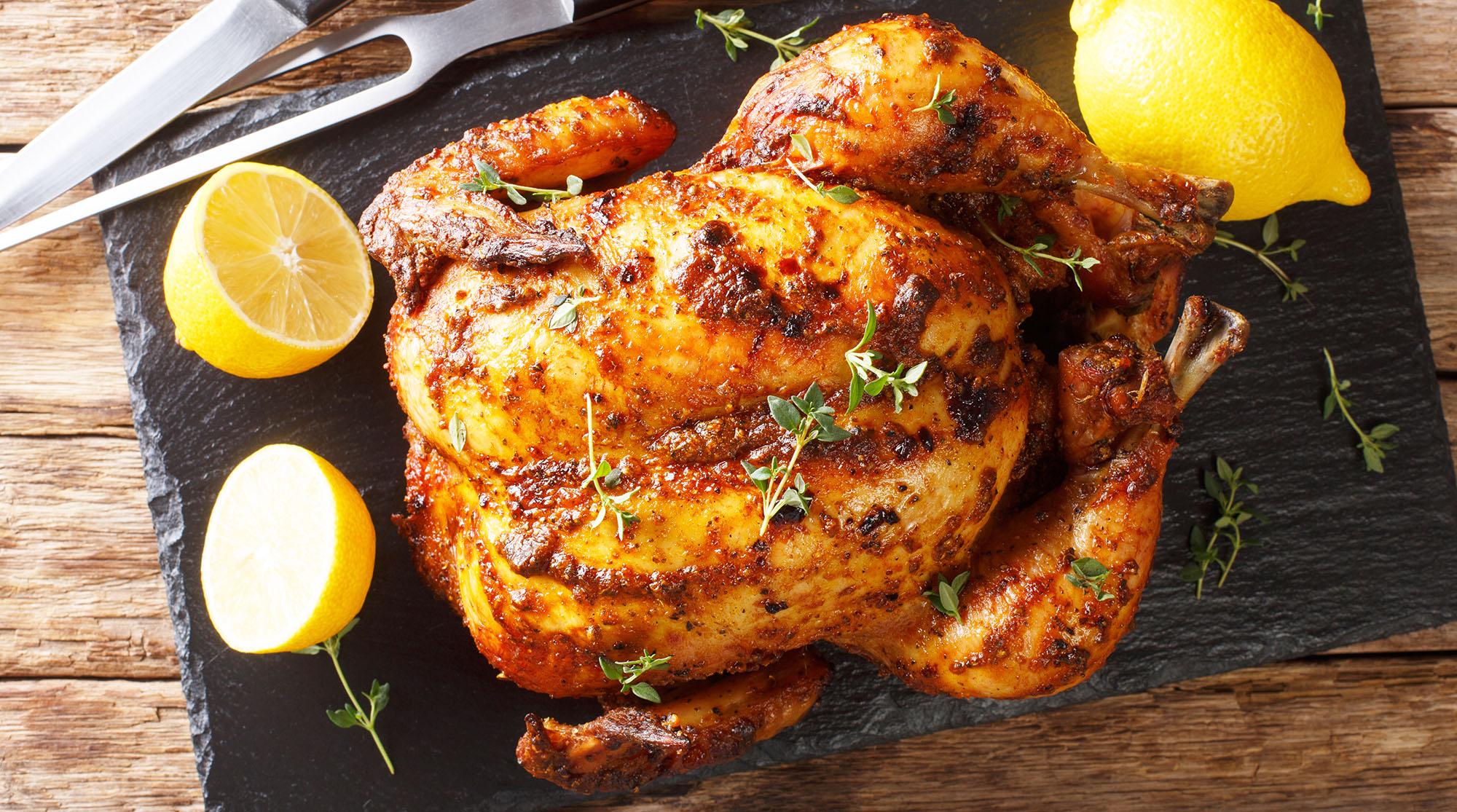
Chicken and poultry: Preheating ensures even cooking and helps achieve crispy skin. Without it, you risk uneven results.
Less critical
Reheating leftovers: These are already cooked, so gradual heating won’t harm them.
Casseroles and stews: They cook slowly and evenly over time, so starting in a warming oven is fine.
Roasting root vegetables: They’re forgiving and can roast as the oven heats.
Slow roasts: If you’re cooking low and slow (e.g., pulled pork or brisket), preheating is less critical because the meat cooks gradually over hours.
Situational
Frozen foods: Check the packaging - many recommend preheating for best texture.
Gratins and lasagne: If you want a golden, bubbling top, preheat is helpful. But if you’re cooking low and slow, you can start in a warming oven.
Skipping preheat for the wrong recipe can lead to soggy pastry or uneven cooking - so check your recipe before cutting corners.

Tips to speed up preheat and save energy
Want to cut down waiting time and energy use? Try these:
Keep the oven clean: Grime can affect heat distribution. If your oven’s spick and span, there will be less waiting around.
Avoid opening the door during preheat: Every peek lets heat escape.
Use fan mode if available: It speeds up heating and cooks more evenly. There will be recipes where you specifically don’t want to use it, but for day to day cooking it should be a go-to.
Start with a higher temperature briefly: Some cooks set the oven 20°C higher for the first few minutes, then reduce it once hot.
Common preheat times chart
Here’s a handy reference for popular temperatures:
| Oven Type | 160°C | 180°C | 200°C |
|---|---|---|---|
| Fan oven | 4–6 min | 5–7 min | 6–8 min |
| Electric oven | 8–10 min | 10–12 min | 12–14 min |
| Gas oven | 8–12 min | 10–15 min | 12–18 min |
| Tip: Preheat times vary by oven type and temperature—always check your manual. | |||
Ovens and appliances that preheat faster
Not all cooking appliances are created equal when it comes to preheating. Modern tech has made it possible to cut down waiting time significantly. If you want to skip the waiting game, here some kitchen game changers:
Smaller ovens: Compact ovens have less internal space to heat, so they often reach temperature in half the time of a full-size oven.
Modern electric ovens: Many electric ovens feature rapid preheat settings that use extra elements or fan assistance to speed things up.
Fan-assisted ovens: Circulating air in fan ovens distributes heat quickly, reducing preheat time compared to conventional ovens.
Air fryers: These countertop heroes often need little to no preheating. Air fryers have small cavities and powerful fans so heat up almost instantly.
Combination ovens: Steam ovens or microwave ovens can reach cooking temperature faster than traditional ovens.
Smart ovens: Some high-end models allow you to schedule preheating remotely, so the oven is ready when you are.
Final thoughts
Preheating might feel like a small step, but it can make a big difference to your cooking results. Knowing how long your oven takes - and how to speed things up - saves time, energy and waiting around. Next time you’re planning a bake, factor in those extra minutes so your dish comes out perfectly.
What’s next?
Our Cooking and baking buying guide has plenty of tips, tricks and tech that will help budding bakers and keen chefs.