

Cooking a whole chicken doesn’t need to be hard work. With a slow cooker, you can get tender, juicy meat with hardly any effort. It’s a great way to feed the family, and the leftovers go a long way too.
Ready to find out how to get some great roast chicken? Let’s take it slowly…
Why use a slow cooker for a whole chicken?

Cooking a chicken in the slow cooker is an easy way of getting maximum flavour with minimum fuss. And if that wasn’t enough, here a few more reasons why it’s worth taking your time:
Easy does it. Load it up midday, let your slow cooker do its thing, and get on with your day. Then at dinner time, it’s all done.
Oh-so tender meat. The slow, gentle heat gives you tasty chicken that falls off the bones.
Brilliant broth. The chicken makes its own stock while it cooks. That’s two recipes for the price of one!
Less cleaning. One pot, one lid, no mountain of trays and pans in the sink.
What you’ll need
Not much, really. Just a few basics and a chicken that fits in your slow cooker.
Ingredients
1 whole chicken (around 1.6 kg)
2–3 cloves garlic (optional)
Fresh or dried herbs (thyme, rosemary, oregano, or whatever’s knocking about)
1 lemon (halved)
1–2 tbsp butter or olive oil
Salt and pepper
1 onion, carrot, and celery stick (to act as your veggie trivet)
100–150 ml chicken stock (or water)
Equipment
Slow cooker, obviously
Meat thermometer (optional but reassuring)
Knife and chopping board
Step-by-step method
Got everything ready? Good. Here’s how to slow roast your chicken to perfection:
Prepare your trivet. A trivet is basically a bed of veg that your chicken sits on. It lifts the chicken off the actual slow cooker base to stop it from sitting in too much liquid. The veggies also soak up flavour, so you can serve them alongside the chicken or blend them into the broth. To make your trivet, chop the onion, carrot, and celery into big chunks. Scatter them in the bottom of the slow cooker. Trivet done.
Season the chicken generously. Pat the chicken dry with kitchen paper. Season it generously with salt, pepper, garlic, and herbs. Pop your lemon halves into the cavity.
Add liquid. Pour in about 100–150 ml of stock or water. No more than that – remember, your chicken will make plenty of liquid on its own. Too much, and you end up with chicken stew. Which is nice, but not what we’re trying to achieve here.
Get cooking. Place the chicken on top of the trivet. Put the lid on, set your slow cooker to LOW (5 hrs) or HIGH (3–4 hrs) and go about your day.
Check for doneness. The golden rule: the chicken should hit an internal temperature of 75°C. A meat thermometer is the easiest way to check, but you can also pierce the thigh -the juices should run clear. If they don’t, back in it goes.
Time for a rest. Not you, the chicken. Carefully lift it out (it’ll be falling-apart tender) and let it rest for 10 minutes before carving.
Top tips for best results
A slow cooker does most of the work, but these tricks will make your chicken even better:
Add butter under the skin. If you want an extra-rich flavour, slide a little butter under the skin of the breast before cooking. It keeps the white meat extra juicy. And if you know how to make your own herby butter, go for it.
Hands off the lid. Every time you peek, heat escapes and the cooking process slows down. So trust the process - it’s worth it.
Carve carefully. Because the meat is so tender, it might fall apart more easily than roast chicken. Use tongs as well as a knife to help serve neat portions.
How to crisp the skin after slow cooking
Slow cookers are brilliant, but they don’t do crispy skin. Luckily, it’s an easy fix:
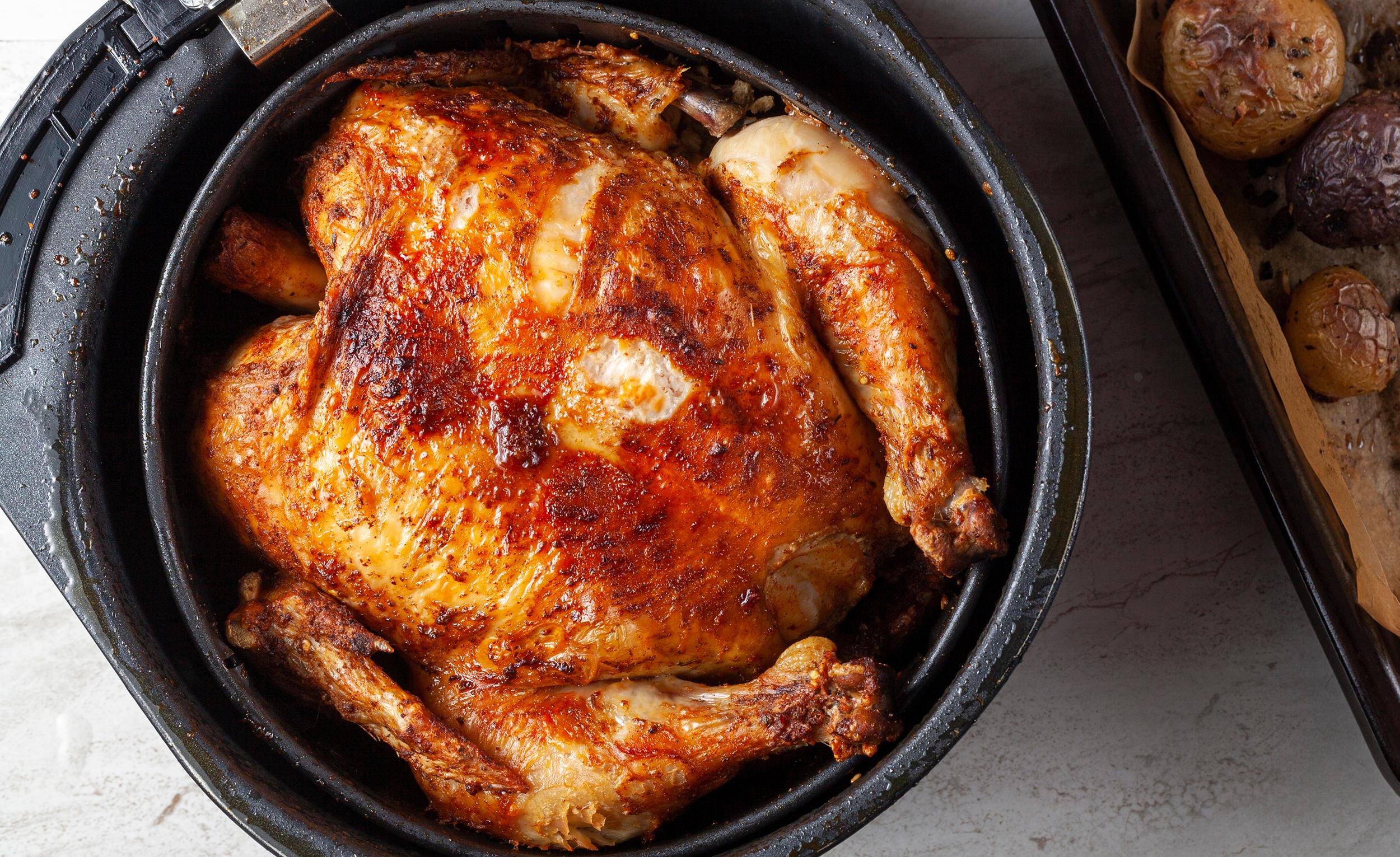
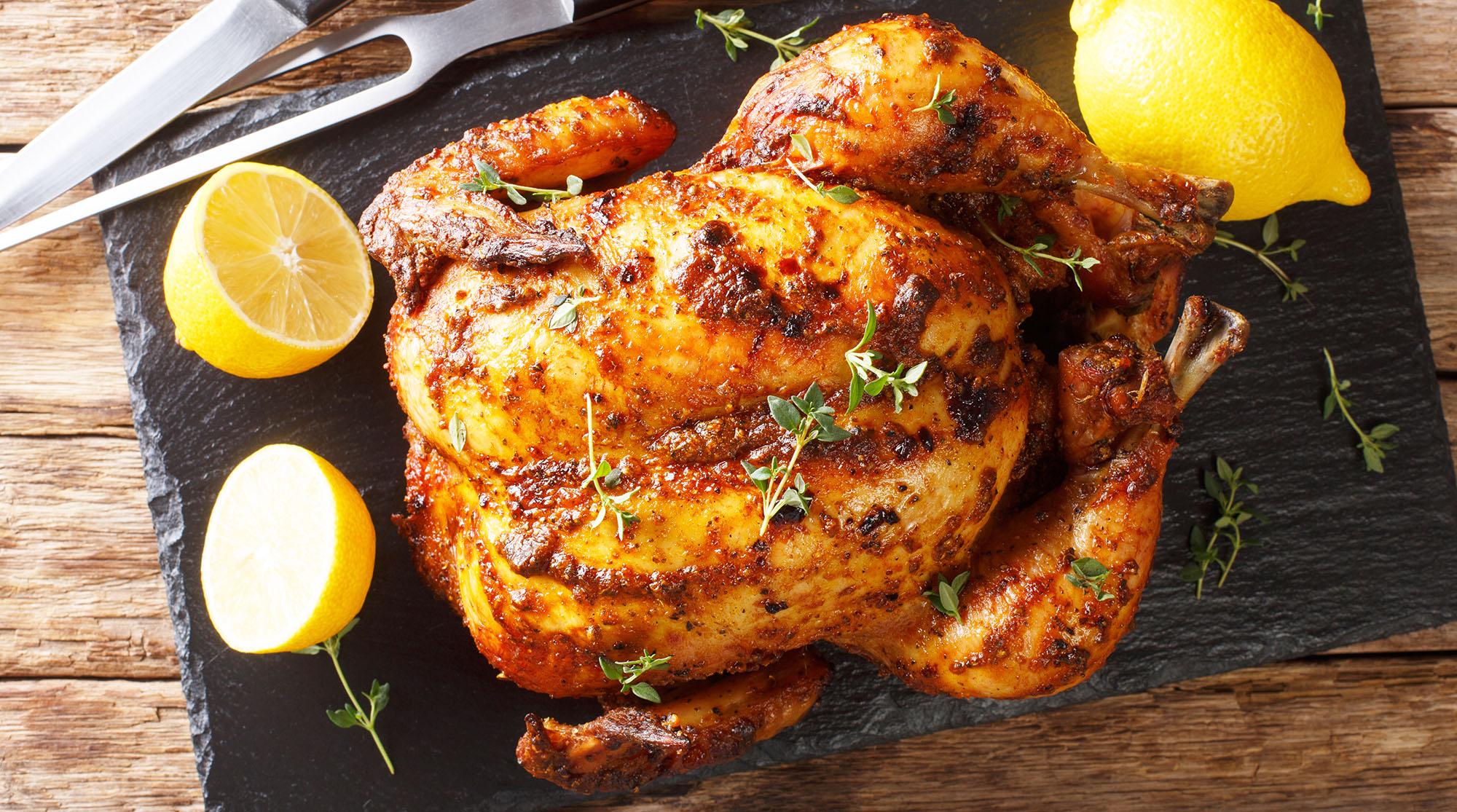
Pop the cooked chicken onto a baking tray and slide it under a hot grill or into a 220°C oven for 5–10 minutes. The skin will crisp up beautifully while the inside stays moist.
Ideas for using chicken leftovers and broth

One chicken can easily become several meals. Here’s how to stretch it further:
Shredded chicken. Use it in tacos, burritos, as a pizza topping, or a cheeky stir-fry.
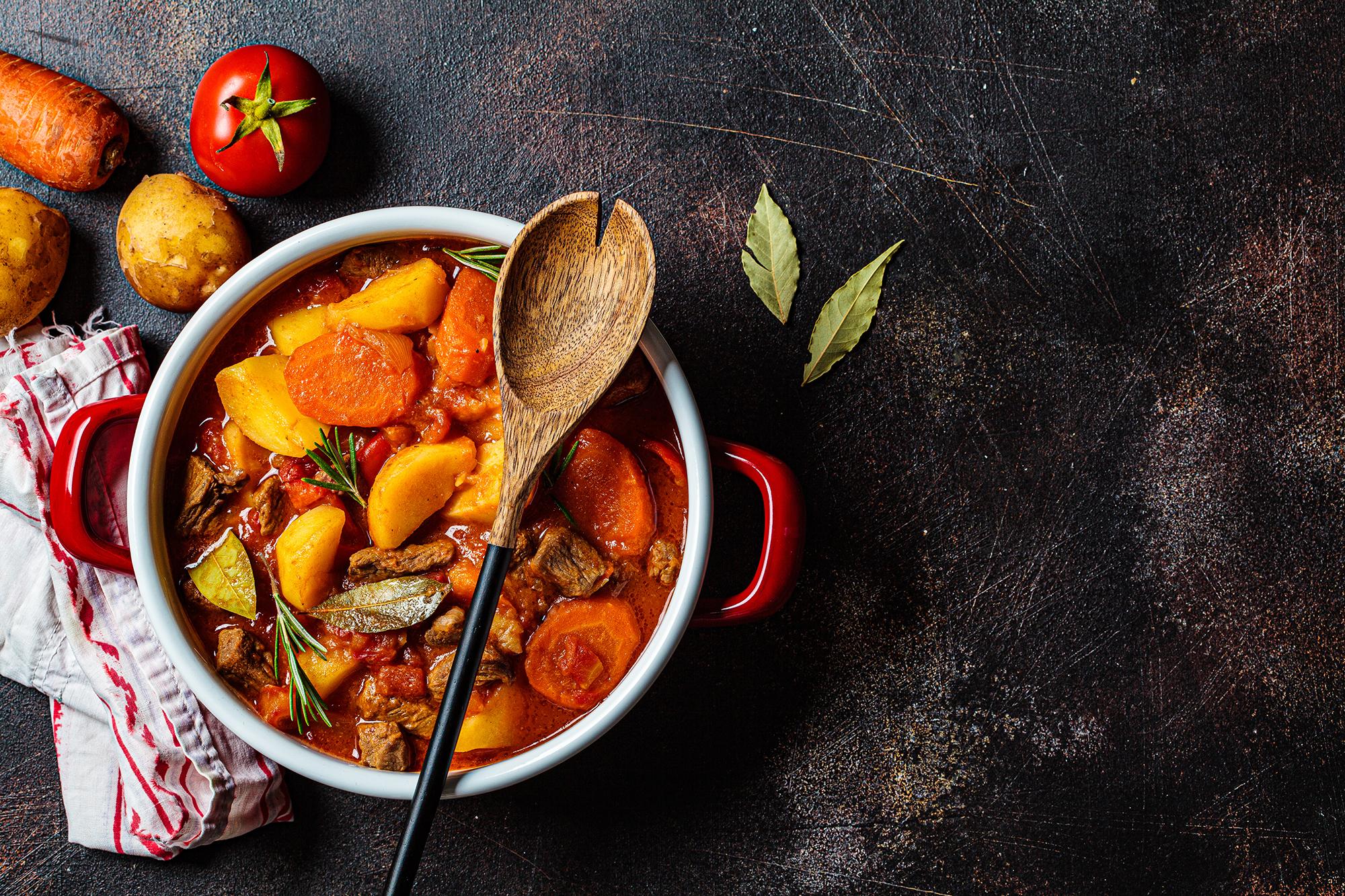
Soups and stews. Add chunks of chicken to noodle soups, vegetable broths, or creamy chowders. That leftover broth is perfect as a soup base or risotto stock too.
Salads. Cold shredded chicken is great for pasta salads, Caesar salads, or just tossed with crisp lettuce and dressing for a speedy lunch.
Sandwiches and wraps. Classic chicken mayo sarnies, spicy chicken wraps, chicken quesadillas - all simple but delicious ways to use up your leftovers.
Chicken pie. Combine leftover chicken with veg and creamy mustard sauce, top with puff pastry, cook until golden brown, and you’ve got a comforting dinner. For even more comfort, just add mash.
Slow cooker chicken FAQs

Do I need to brown the chicken before slow cooking?
No need at all! Your chicken will still come out juicy and full of flavour. But if you want a bit of colour on the skin, check out our ‘How to crisp the skin after slow cooking’ section above.
Can I cook a frozen chicken in the slow cooker?
It’s best not to. For safety, always defrost your chicken thoroughly before slow cooking. Otherwise, it might sit too long at unsafe temperatures.
How long does it take to cook a whole chicken?
Here’s our suggested timing for a chicken that weighs in at around 1.6kg:
On LOW: around 5 hours
On HIGH: about 3–4 hours
Got a slightly bigger or smaller bird? Just adjust the time by about 30 minutes for every extra 250g.
What’s the best way to store roast chicken leftovers?
Let the chicken cool, then pop it in an airtight container in the fridge for up to three days. The broth can also be frozen. Do it in portions, then use it to jazz up future soups and sauces.
Need more advice?
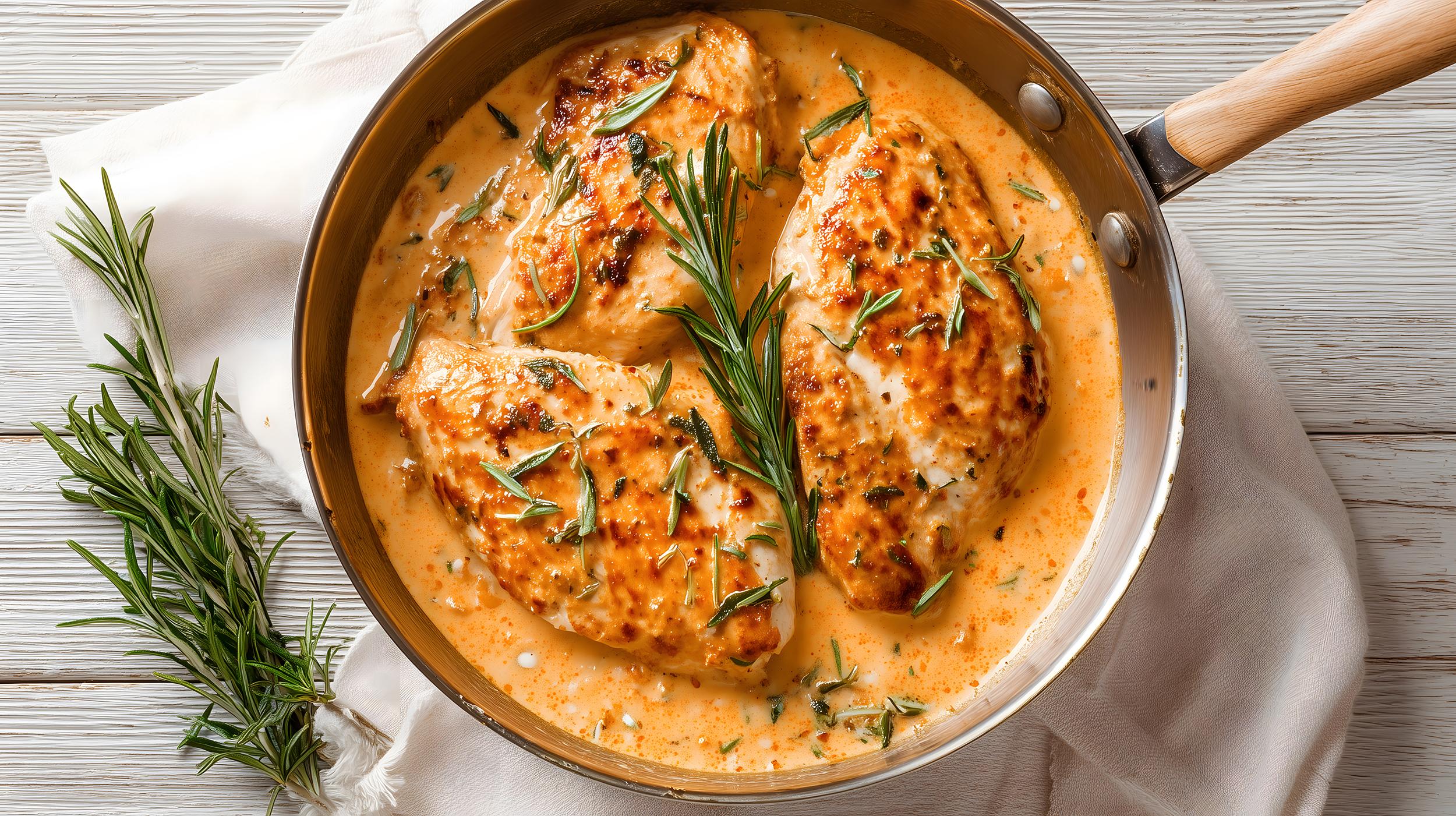
So, that’s how to slow cook the perfect roast chicken. Looking for more inspiration? Here’s a slow cooker marry me chicken recipe., and how to cook spag bol in a slow cooker. These slow ‘n low dishes are definitely worth the extra hours it takes.
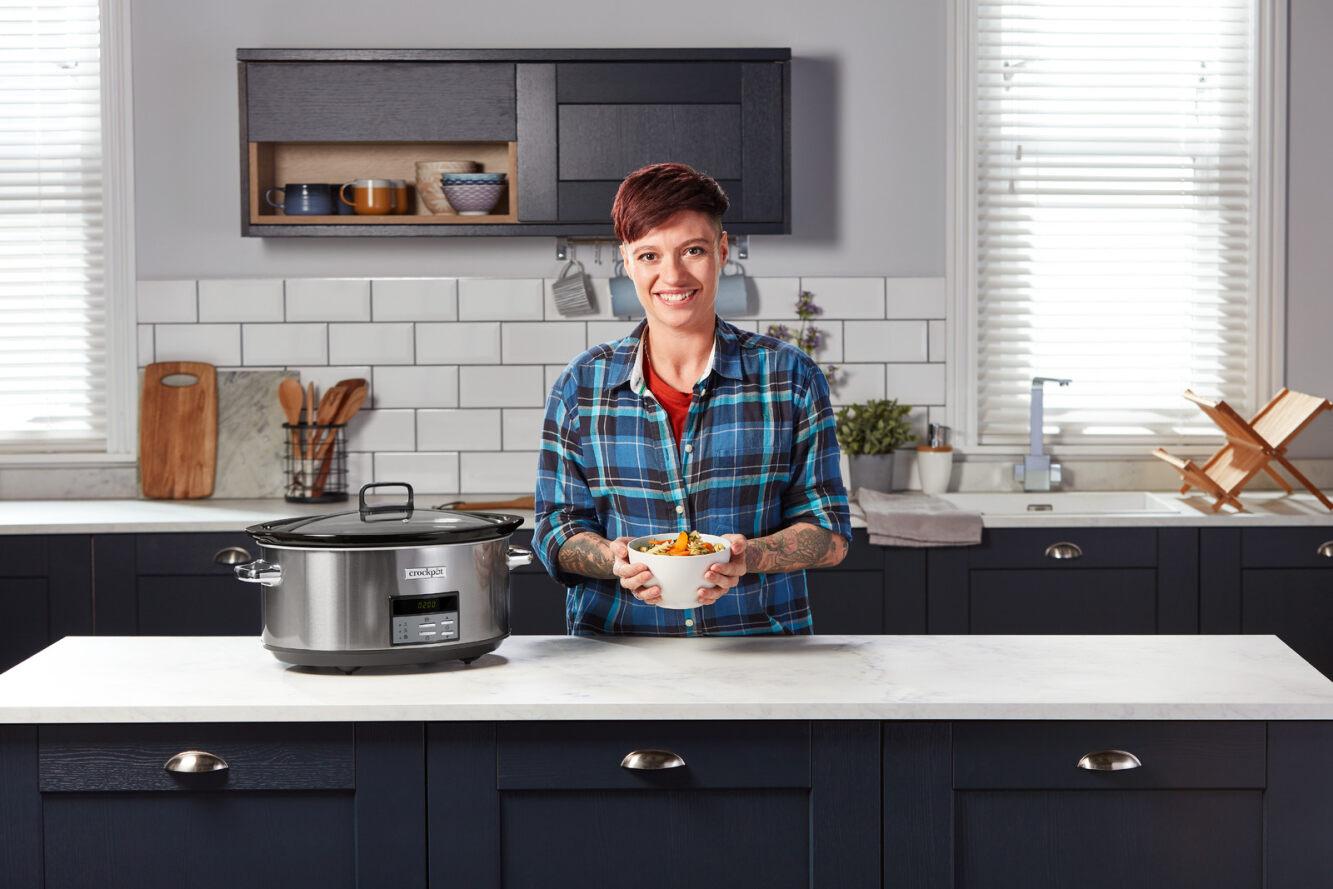
Looking to get cooking with a new appliance? Our cooker buying guide is packed with info the help you decide what you need. Then you can check out our range - we’ve got everything from slow cookers and multi-cookers to air fryers and ovens.