

Looking for a simple oven temperature conversion chart? Whether you're baking with Celsius, Fahrenheit or gas marks, this guide makes switching between them easy.
Whether you’ve got a built-in oven, a range or a mini-oven, making sure your oven temperature is just right is essential for recipe success. Following recipe steps can be a leap of faith at the best of times, so to get the best results, making sure your cooking temp is just right is crucial. Everybody wants that perfect roast dinner, or beautifully brown buns and not blackened bread.
But recipes use different measurements – cups instead of mls and grams. And Fahrenheit instead of Celsius. Trying to work out the difference mid-cook may leave you flustered.
How to convert oven temperatures
So that’s why we’re here to help you navigate the often-confusing world of oven temperatures. Whether you need to switch from F to C or vice versa, or if you're trying to tell gas marks from fan-assisted oven temperatures, here’s our handy cheat sheet.
Oven temperature conversion chart: Fahrenheit, Celsius, Gas Mark, and Fan Assisted Oven
Sometimes, you might find a recipe that uses different temperature scales, like gas marks or fan-assisted oven temperatures. Here's a handy conversion chart to help you make sense of it all.
Want a printable version of this chart? Bookmark this page or screenshot it for quick reference.
| Celsius (°C) | Fan Oven | Fahrenheit (°F) | Gas Mark |
|---|---|---|---|
| 130°C | 110°C | 250°F | 1/2 |
| 140°C | 120°C | 275°F | 1 |
| 150°C | 130°C | 300°F | 2 |
| 170°C | 150°C | 325°F | 3 |
| 180°C | 160°C | 350°F | 4 |
| 190°C | 170°C | 375°F | 5 |
| 200°C | 180°C | 400°F | 6 |
| 220°C | 200°C | 425°F | 7 |
| 230°C | 210°C | 450°F | 8 |
| 240°C | 220°C | 475°F | 9 |
And in case you’re wondering, yes it’ll work just the same for electric ovens and gas ovens!
How to convert Fahrenheit to Celsius
If you’re reading a recipe from the USA, chances are that the oven temperature will be on the Fahrenheit scale.
You can convert Fahrenheit to Celsius manually. Subtract 32 from the temperature in Fahrenheit, then multiply the result by 5/9. For example, if a recipe states 350°F, the Celsius equivalent is (350 - 32) × 5/9, which equals approximately 176.67°C. Simple, right?
Not really.
So, there are two ways you can do it. Either use an online calculator, or just use our conversion chart above. The fact is that most oven temperatures are pretty standard – so you don’t need to do any insanely complicated maths.
For example, lots of recipes will tell you to set your oven to 180°C which is roughly 360°F (actually 356°F). And because you will probably only need to know a few settings, you’ll soon get used to what they translate to.

How to convert Celsius to Fahrenheit
Now, let's reverse the process for those who measure in Celsius and want to convert to Fahrenheit. To do this, multiply the temperature in Celsius by 9/5, then add 32 to the result. For instance, if your recipe lists a temperature of 180°C, the Fahrenheit conversion is (180 × 9/5) + 32, which equals approximately 356°F.
Or you can cheat with an online calculator or use our conversion chart above.
Adjusting for convection (fan-assisted) ovens
Convection ovens circulate hot air using a fan, which speeds up cooking and promotes even browning. Because of this increased efficiency, it’s best to reduce the temperature by about 25°F (15°C) or shorten the cooking time by roughly 25% when using convection settings.
For delicate bakes like soufflés or sponge cakes, time adjustments are often safer than temperature changes because it’s a better way to preserve texture and rise. Always consult your recipe and keep an eye on your food when you make the switch.
Why oven accuracy matters
Precise oven temperatures are crucial for consistent results. Too hot, and your cake may dome and crack. Too cool and it might not rise properly. Browning is a real science, and browning reactions like the Maillard process depend on reaching specific heat thresholds - which affect flavor and texture. Even small temperature deviations can alter the outcome, especially in baking.
180°C may equal 160°C fan, but not when you’re baking a Victoria sponge. All that air circulation is very likely to dry out your cake, cook it unevenly and cause it to crack. If you’re planning to bake pastries like a patisseries pro, you have to keep things precise.
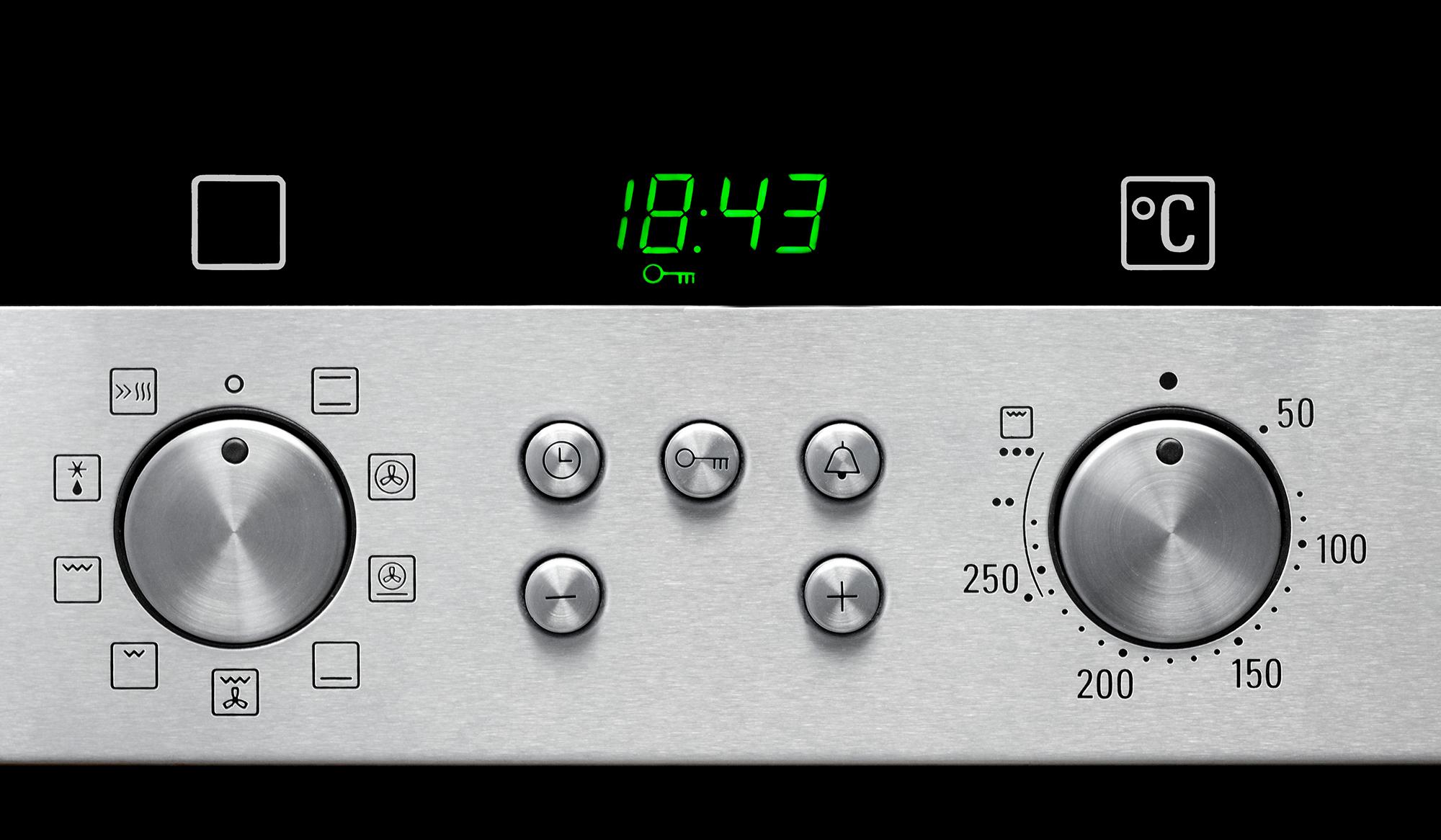
That’s why professional chefs and food scientists recommend using an oven thermometer to verify your oven’s actual temperature. That’s because you can’t trust what’s on the dial - especially if your oven’s old.
Other temperature scales
Not all recipes use Fahrenheit or Celsius. In the UK and parts of Europe, you’ll often see gas marks, which range from 1 (very low) to 9 (very hot).
German ovens may use the Stufe scale, typically from 1 to 8. Some older cookbooks refer to terms like “moderate oven” or “slow oven”, which correspond to approximate temperature ranges.
Moderate usually means 350°F (180°C), while slow is closer to 300°F (150°C). When converting, always consider the context and cooking method to ensure accuracy.
Understanding oven temperature conversions doesn't have to be a source of stress in the kitchen. Now you can convert Fahrenheit to Celsius to gas marks to fan-assisted oven temperatures, you're ready to get your recipes just right.
FAQs
What is 180°C in Fahrenheit?
180°C equals 356°F. It’s good to know because 180°C is a really common oven temperature used in recipes.
What gas mark is 200°C?
That equals Gas mark 6 - a gas mark tempertaure you should see a lot in older cook books.
How do I adjust for a fan oven?
Reduce the temperature by 15°C or shorten cooking time by 25%.
What’s next?
If you’d like to learn more about all things ovens, check out our Cooker buying guide.