

Most of us dry clothes indoors at this time of the year, when the weather’s wet and daylight hours are shorter. But it can take ages for clothes to dry on an unheated rack, and running a tumble dryer every time isn’t always ideal. That’s why heated airers and dehumidifiers have become two of the most popular low-energy ways to speed things up.
Both of these appliances can make indoor drying easier - but they work differently and suit different homes. So in this guide, we’ll go through how each one works, how much they cost to run, and which is the best fit for different types of home…
What is a heated airer and how does it dry clothes indoors?
A heated clothes airer is basically a drying rack with gently warmed rails or shelves. Instead of blasting heat, it gives clothes steady warmth. This helps moisture evaporate more quickly than it would on an unheated rack. There are a few designs to choose from.


Folding heated airers are light and simple to store.
Heated tower airers save floor space by stacking tiers upwards.
Winged heated airers open out to give you extra hanging room when you need it.
Heated airers with covers hold the warmth in and stops moisture escaping into the room as quickly.
Heated airers are popular because they’re gentle on clothes, don’t make any noise, and are cheap to run. A typical 300W model costs around 10p per hour, which is good news if you dry a lot of laundry indoors.
The main trade-off is time. A laundry load will usually take most of the day to dry on a heated airer. But if you usually tackle smaller loads - or want something simple and budget-friendly - a heated airer might be what you need.
How dehumidifiers help dry clothes indoors
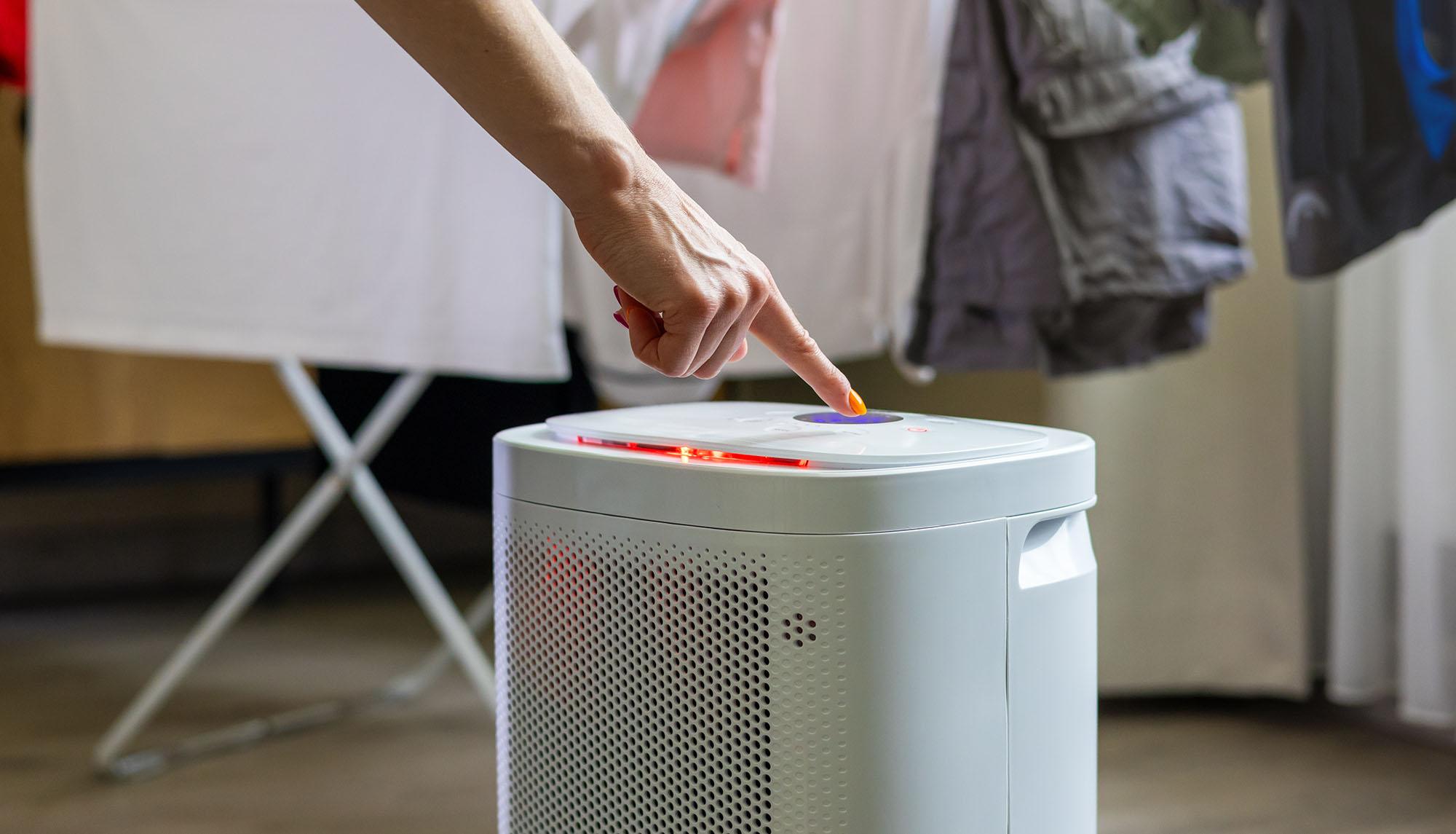
When the air indoors gets too humid, clothes take much longer to dry. A dehumidifier tackles this by pulling moisture out of the air and collecting it in a tank. Instead of heating clothes directly, the dehumidifier keeps humidity low and the air moving. This makes clothes dry quicker than they would naturally.
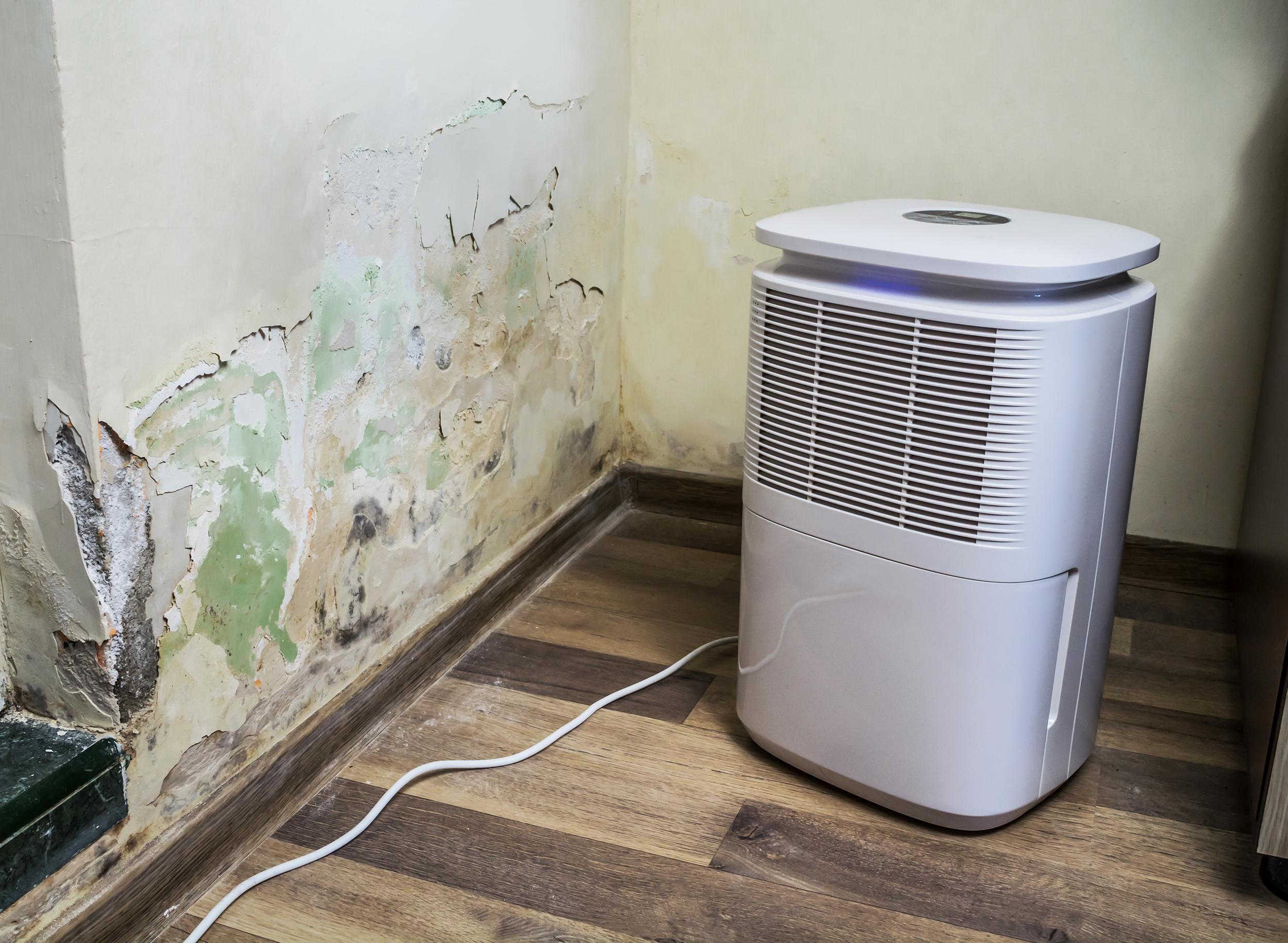
Dehumidifiers are a good choice for homes that struggle with condensation. Using one regularly can help manage indoor moisture and stop existing damp problems getting worse. Dehumidifiers are also more effective than clothes airers at drying big loads of laundry.
Heated airer vs dehumidifier: key features compared
| Feature | Heated Airer | Dehumidifier |
|---|---|---|
| Drying time | 6–10 hours for a mixed load (can be reduced with a cover) | 2–6 hours |
| Energy use | Approx. 10p per hour for a 300W model | Approx. 12p per hour for a 480W model |
| Prevents damp | No. May increase humidity indoors | Yes. Actively removes moisture from the air |
| Noise level | Silent or low hum | 38-48 dB depending on capacity |
| Moisture removal | Passive drying | Removes 2–25L per day depending on capacity |
| Safety features | Auto shut-off, low surface heat | Auto shut-off, overflow protection |
| Best for | Small loads. Lower running costs | All home sizes. Faster drying and improved indoor air quality |
Heated airer vs dehumidifier: which costs less to run?
A standard heated airer uses around 300W. That works out at roughly 10p per hour (source: Woman & Home), or about £1 for an eight-hour run. Some loads finish earlier (especially with a cover), but drying typically takes most of the day.
Most dehumidifiers use between 150W and 250W in ‘laundry mode’, which works out at around 8–12p per hour (source: Homebuilding & Renovating). Because they usually finish within three to five hours, the overall cost per load can be slightly lower than a heated airer. But there’s really not much in it.
If you want ideas for cutting back on home energy use in general, these energy saving tips can help.
Best drying option for small homes and flats

In smaller homes, space and moisture levels matter just as much as running costs.
A heated airer can be great if you’ve got a corner where it can stay up for a few hours, but it does release moisture into the room unless it has a cover.
Heated tower airers can work well in compact homes too, since they take up less floor space while still giving enough hanging area for a family load.
If ventilation isn’t easy (which is common in flats) a dehumidifier is a sensible choice. It keeps humidity under control while helping laundry dry faster – and your room will feel more comfortable and less stuffy.
Best heated airers and dehumidifiers you can buy in 2025
We’ve rounded up a few of the best heated airers and dehumidifiers you can buy right now:
Minky SureDri 3 Tier Heated Clothes Airer

The Minky SureDri 3 offers 21 metres of drying space across three tiers, enough for a full load without crowding. It heats evenly, and the cover helps warm air circulate which speeds up drying.
Black + Decker 63099 Heated Clothes Airer

This Black + Decker 63099 is another 3-tier design with 21 metres of drying space for larger loads and towels. Clothes can be hung separately for quicker and more even drying, and it folds flat for easy storage.
MeacoDry Arete One 12L Dehumidifier & Air Purifier

The MeacoDry Arete One removes up to 12 litres of moisture per day, helping clothes dry quickly and improving air quality at the same time. The HEPA filter helps reduce pollutants which is great for bedrooms and living areas, and the ‘smart laundry’ mode boosts extraction to speed up drying. Its low 38dB noise level also makes it easy to live with.
Woods MDK26 Dehumidifier

Here’s a good choice for larger homes or rooms prone to damp. The Woods MDK26 can remove up to 25 litres of moisture in 24 hours, and the 4-litre tank means fewer trips to empty it. The fan-assisted laundry mode helps clothes dry evenly, and it doesn’t use too much energy for its size.
How to dry clothes indoors without causing damp
A bit of airflow goes a long way when drying laundry indoors. Even slightly opening a window helps move humid air out, especially if you’re drying in a bathroom or spare room. Giving clothes more space on the rack helps too, as it reduces the time moisture sits on fabrics.
If you’re drying clothes close to an external wall, try shifting the rack a little further into the room to avoid cold surfaces where condensation might form.
Final verdict: heated airer or dehumidifier?
Both options do a good job of drying clothes. The best choice for you will depend on your priorities and type of home.
If you want something affordable with very low running costs, a heated airer is perfect.
If your home feels damp, or you want quicker drying without rearranging clothes constantly, a dehumidifier is usually the better fit.
And if you want the most consistent results with the shortest drying times, using both appliances together is definitely worth thinking about.
Other ways to dry clothes indoors
If you’re looking for more drying options, here are some laundry accessories worth considering:
Heated towel rails are handy for small items and can help take the edge off damp laundry in bathrooms.
Drying pods look a little like a zip-up tent on a stand. With a heater inside and rails for hanging clothes, they offer an enclosed warm-air environment. This helps laundry dry evenly and keeps moisture contained.
If you prefer something closer to a traditional tumble dryer but want lower running costs, heat pump tumble dryers use gentle, recycled warm air and don’t need external venting – which makes them suitable for flats or cupboards.
FAQs
Is it cheaper to run a heated airer or a dehumidifier?
Both are low-cost options, but a dehumidifier tends to work out cheaper per load because it dries clothes faster. Heated airers use around 7–10p per hour, and dehumidifiers around 6–8p - but the shorter drying time usually gives the dehumidifier an advantage.
Can a dehumidifier replace a heated airer completely?
Yes, a good dehumidifier can dry clothes on its own by lowering humidity and keeping air moving. Heavier fabrics might take a little longer without the direct heat of a heated airer, but dehumidifiers still get the job done.
Do heated airers cause damp or mould?
With good airflow, heated airers don’t cause mould. However, drying clothes indoors increases moisture in the room. And if that moisture settles on cold windows or walls, damp patches can form over time. Using a bit of ventilation or running a dehumidifier alongside a heated airer keeps humidity under control.
Is a dehumidifier faster than a heated airer for drying clothes?
Usually, yes. A dehumidifier in Laundry Mode can dry clothes in 3–5 hours, while a heated airer usually needs 6–10 hours. The dehumidifier works by lowering humidity and circulating air, which helps clothes dry more evenly and quickly. Covers, warm rooms and good spacing can help heated airers catch up a bit.
Is a dehumidifier better than opening windows when drying indoors?
In colder months, yes. Opening a window brings in cold, damp air, and that slows down drying and chills the room. A dehumidifier removes moisture without lowering the temperature, so clothes dry faster and the room stays comfortable. It also prevents condensation on windows.
Are heated airers safe to leave on overnight?
Most are designed for long drying times and run at low temperatures, so they’re generally safe to use for several hours. It’s still a good idea to keep them on a stable surface, avoid overloading them, and follow the manufacturer’s advice. If you prefer not to run appliances overnight, pairing an airer with a dehumidifier earlier in the day shortens drying time.
Can you use a heated airer with a dehumidifier?
Yes. Using both at the same time can speed up drying while keeping humidity steady. The warmth from the airer lifts moisture from your clothes, and the dehumidifier captures the moisture before it settles anywhere else.
As long as the dehumidifier has space around it for airflow (and cables are kept safely away from damp clothes), it can be a really effective setup.
Need more help?
Looking for more advice? Check out our articles on what a humidifier does, and why dehumidifiers are good for drying clothes . If you’re interested in improving the air quality in your home, our fans, heating and air treatment buying guide is a good place to start.