

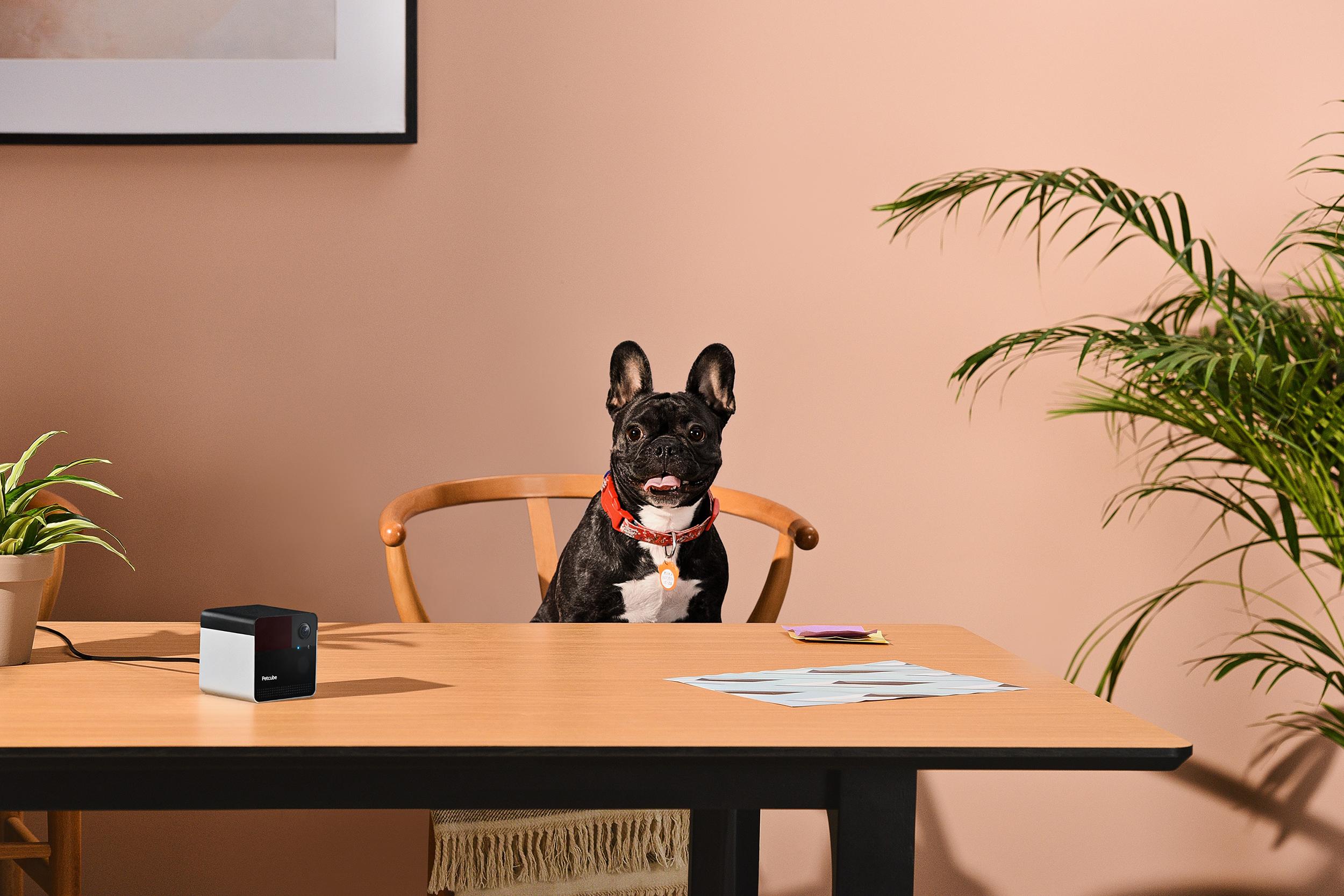
Leaving your dog at home is one of those things that never quite gets easier. You close the front door, and immediately the questions start: Are they okay? Are they barking? Have they got into the kitchen bin again? If that sounds familiar, you're far from alone. In fact a 2024 survey of thousands of pet owners by DogsTrust pinpointed their dog's separation anxiety as one of the most problematic issues. Given that most of us have to leave the house - some of us on a daily basis - what can we do?
Pet cameras won't cure separation anxiety. But used thoughtfully, a good dog camera for home can give you real visibility. You'll be able to spot patterns in your dog's behaviour and - crucially - have a little more peace of mind.
So here's what separation anxiety really means, how pet cameras can help and some recommendations on which pet cameras are worth your time and why.
What is separation anxiety in dogs?
Separation anxiety is one of the most common behavioural challenges in UK dogs. Dogs are social animals, so they often don't do well feeling isolation. According to the RSPCA, 8 out of 10 dogs find it hard to cope when left alone — and half of those won't show any obvious signs at all.
But for lots of pets the signs are clear: Pacing, barking, whining, scratching doors or destructive chewing. Some dogs start to show signs before you've even left — trailing you to the door and refusing to settle. Others take longer to for their anxiety to hit. Of course, every dog is different. And if your dog's distress is severe or persistent, it's worth speaking to your vet or a qualified animal behaviourist.
Why being able to see your dog matters
But separation anxiety doesn't just impact dogs. We worry too. Not knowing what your dog is doing while you're at work can lead to anxious guessing. And that's no good for us either.
A live pet camera breaks that cycle. When you can check in and see your dog snoozing on the sofa, it's much easier to leave the house more calmly. And calmer departures genuinely help anxious dogs settle faster. That's just another little way that smart tech for pets can make a big difference.

How pet cameras can help ease separation anxiety
Being able to check in and see what your dog is up to is a good start. But a quality pet camera does more than stream video. Here's how the features add up:
· Visual reassurance — confirm your dog is safe and settled
· Two-way audio — let your dog hear your voice during calm moments
· Treat dispensing — positively reinforce quiet, settled behaviour
· Motion and sound alerts — get an update when things change
· HD video and wide-angle lens — you want to cover the room, not just a corner
· Behaviour pattern tracking — review footage over time to understand your dog's routine
That last point is underrated. Over a week of recordings, you might notice your dog reliably settles within 15 minutes – or that they pace, bark or become distressed for much longer than you realised. That information can help you decide whether your dog is coping well when left alone or whether further action is needed.
For example, you might choose to work with a trainer on separation anxiety or arrange a dog walker for part of the day. You might also try doggy daycare or speak to your vet if the behaviour seems severe. Without seeing what happens when you're away, it's easy to assume your dog is fine when they may not be.
With all that in mind, let's look at few pet cams worth your consideration:
PETCUBE Play 2 Smart Pet Camera with Laser Toy adds an interactive laser for mental stimulation.
PETCUBE Bites 2 Lite Smart Pet Monitor is a solid all-rounder with a treat dispenser built in — a great pet camera with treat dispenser combo.
PETCUBE Cam 360 Smart Pet Monitoring Camera offers full room rotation so nothing goes unnoticed.


What pet cameras can't do
Let's be straight about this, because it matters. A dog camera for house use is a support tool - and there are real limits to what it can offer:
· It doesn't replace training, exercise or companionship
· Talking through the camera can be confusing for some dogs — hearing your voice but not seeing you
· Some dogs need gradual desensitisation work, which requires patience and consistency over weeks
If your dog is showing signs of severe distress, that's a conversation for a vet or behaviourist. Used sensibly, cameras are there as a tool to help you identify and then deal with any issues. They're not a magic fix.
When a pet camera is most helpful
Unless you work in a funky office that allows you to take your dog in with you, the reality is that you will have to leave their dog on tehri own. And while not ideal, many dogs will accept it as part of the routine over time.
But in the meantime, there are certain times when the best pet monitor camera makes a big difference:
· Puppies adjusting to time alone for the first time
· Dogs after a routine change — new job hours, a house move, returning to the office
· Short absences where you want to check in without being intrusive
· Owners who've recently adopted and don't yet know their dog's patterns
If you're unsure how your dog behaves during short absences versus longer days, a camera is one of the most straightforward ways to find out.
Tips for using a pet camera without increasing anxiety
Introduce the camera while you're still at home, so it doesn't become associated only with your absence
Use two-way audio sparingly — speak calmly and briefly, and only when your dog is already reasonably settled
Don't leap to the app every time an alert fires - let minor noises pass before intervening
Pair camera use with physical enrichment. e.g. a good walk before you leave, puzzle feeders etc.
For more ideas on gadgets that make life easier with pets at home, read the wildest smart tech for pets.

Is a pet camera right for your dog?
If your dog struggles to settle when left alone, if you've recently changed your schedule or if you simply want to understand your dog's behaviour better - a dog camera setup is genuinely worth exploring. As long as you go in with realistic expectations - reassurance and insight, not an instant fix - it can make a real difference to both of you.
For more helpful tips, check out our articles for pet lovers and owners: best gifts for pet lovers, which vacuum cleaner should I buy? and best robot vacuums for pet hair.
FAQs
Can pet cameras really help dogs with separation anxiety?
They can support it, yes. Cameras help you spot behavioural patterns, deliver calm reassurance and use treat rewards at the right moment. They're most effective as part of a wider routine, not as a standalone fix.
Is two-way audio good or bad for anxious dogs?
It depends on the dog. For some, a familiar voice is genuinely calming. For others, hearing you but not seeing you can increase frustration. Introduce it carefully and watch how your dog responds.
Should I talk to my dog through the camera?
Only when they're already calm or settling. Talking mid-bark can reinforce the anxious state rather than the relaxed one.
Do pet cameras work at night?
Most modern options include pet camera night vision. So yes — you'll get a clear picture even in low light.
Are pet cameras suitable for puppies?
Absolutely. They're particularly useful when puppies are first learning to be alone and you need to understand how quickly they settle.