

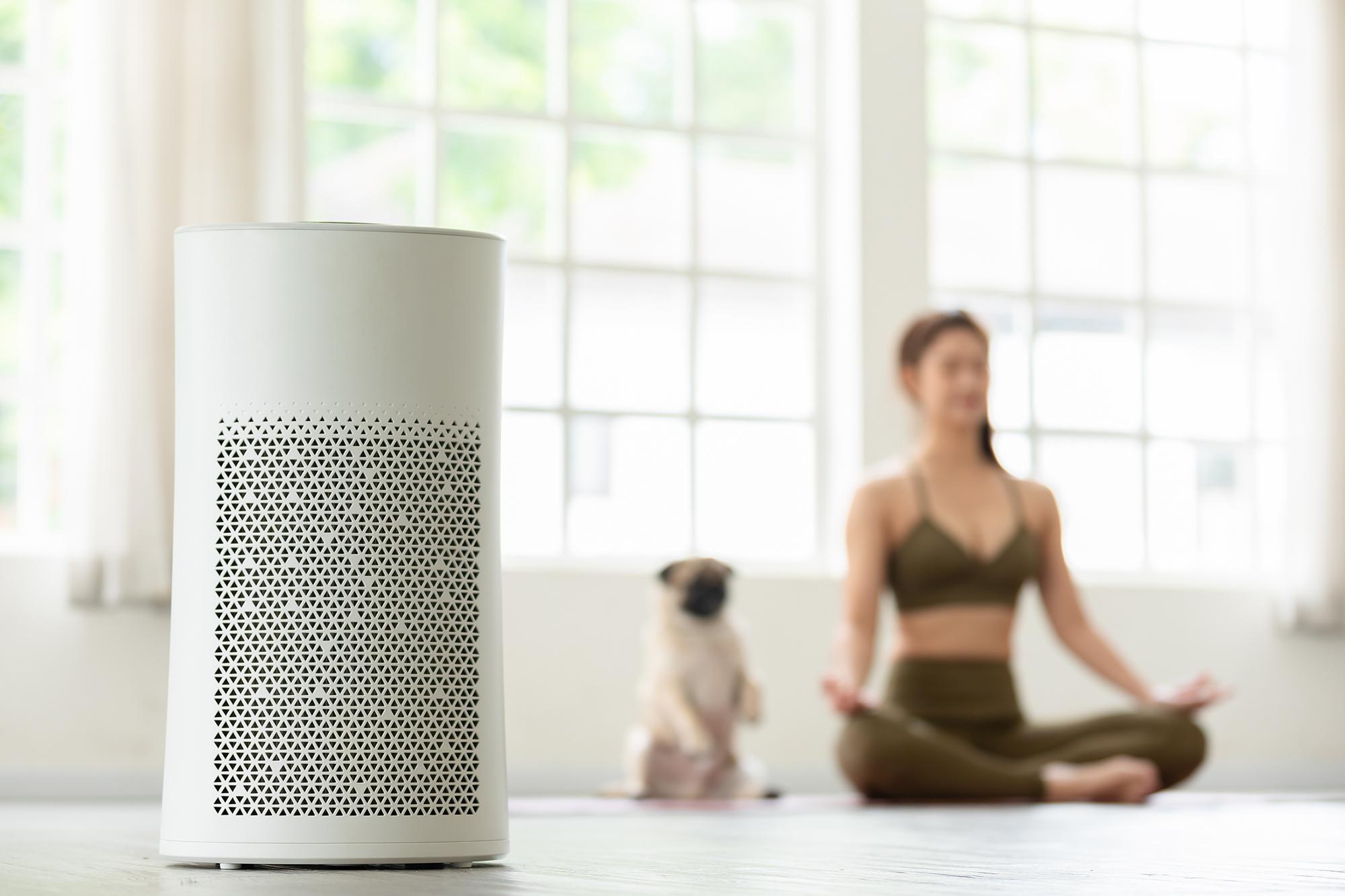
You may spend hours cleaning your home, but don’t forget about the air you breathe. While it’s difficult to tell, you might have lots of nasties floating around your house – whether that’s pollen, pollution, chemicals or dust mites. According to Asthma + Lung UK, breathing poor quality household air can lead to all kinds of health problems. It can also affect the quality of your sleep.
Air purifiers for your home are a great way to give household air a good clean. Get an air purifier with a HEPA (high efficiency particulate air) filter, and you’ll be able to trap all the tiny particles that you really don’t want to be breathing in. We’ll also talk your through air purifier benefits, answer common questions and help you find the best air purifier for you.

What do air purifiers do?
The main job of an air purifier is to clean the air you breathe. They do this by trapping harmful particles like dust, pet dander, and even viruses, which makes the air inside your home healthier. Think of it as a cleaning system that focuses on the things you can’t see.
Air purifiers are experts at catching all sorts of stuff that can make your indoor air less than fresh. These include things like dust, pollen, pet dander, smoke, mould spores, and even some bacteria and viruses. Some air purifiers can even filter out things like volatile organic compounds (VOCs), which are chemicals that come from things like paints and cleaning products.
By getting rid of these pollutants, air purifiers can help you breathe easier. They can reduce allergic reactions, keep asthma under control, and make your home feel more comfortable overall. Clean air means you get a healthier, more pleasant living environment.
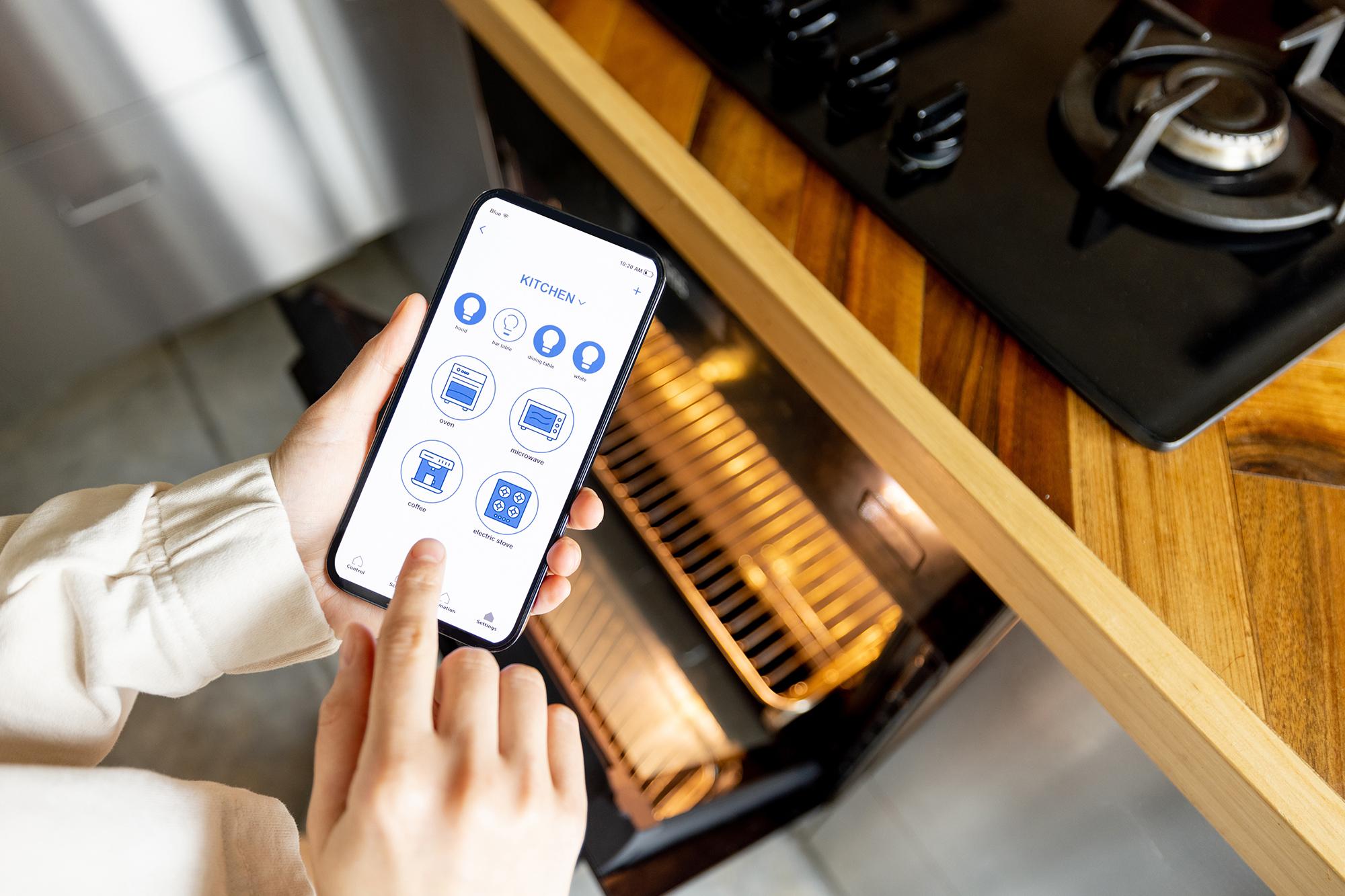
A lot of air purifiers now come with some impressive extra features. Some models can monitor the air quality and let you know how things are going, while others can even get rid of stubborn odours like pet smells or smoke. And if you're into tech, some models can connect to your smart home system.
How do air purifiers work?
Air purifiers pull in the air through a fan, then it goes through filters to trap the pollutants. Clean air is then pushed back into the room.
Air purifiers use different types of filters to clean the air. HEPA filters are great at trapping tiny particles like dust and pollen. Activated carbon filters are perfect for sucking up odors and chemicals like smoke or VOCs. Some purifiers also use UV filters, which help zap bacteria and viruses, making the air even cleaner.
Some of the newer air purifiers use smart sensors that adjust the settings based on the air quality in your room. Others might have built-in air quality monitors to give you a real-time report. Some even come with ionizers, which help to attract and trap tiny particles floating around.
The result of all this is that you get cleaner, healthier air with fewer allergens, bacteria, viruses, and bad smells floating around.
Do air purifiers help with allergies?
Yes. Because most air purifiers have HEPA filters, they’re able to trap tiny particles like pollen, pollution and dust mites – which are some of the main culprits when it comes to flaring up allergies.
The best air purifiers for allergies should have a clean air delivery rate that matches the size of the room where you plan to use it. Look for the air purifier’s CADR rating – it should be at least two thirds of your room size. For example, if you’ve got a room size of 120 square feet, look for a CADR rating of at least 80.
Tech tip:
Rather than having to buy lots of replacement filters, one option is to look for an air purifier with washable filter, like this Philips Series 800 air purifier. You’ll be warned when its time to clean the filter – which you can do with a vacuum or damp sponge. Another great thing about the air purifier is that it has an air quality monitor, so you’ll always be able to see how clean the air is.

What are the benefits of an air purifier?
Air purifiers are more than just gadgets for cleaner air—they offer real health benefits. By filtering out things like dust, smoke, and pet dander, air purifiers can really help people with asthma, allergies, or other respiratory issues. Less stuff in the air means less chance of an allergic reaction or asthma flare-up.
Purified air can also help you sleep better. By getting rid of airborne irritants, it can help you breathe more easily at night, which means a more restful sleep.
Air purifiers are also great at protecting you from pollutants like VOCs and mould spores. They help keep those things from floating around and causing trouble in your home. And if you’ve got lingering smells from pets, cooking, or smoke, an air purifier can help with that too. A lot of models are designed to remove those stubborn odours, leaving your home smelling fresher and cleaner.
How to choose the best air purifier
Not sure which air purifier is right for you? Here’s a quick guide to help you choose.
First things first: think about your room size. Make sure the purifier is designed for the space where you plan to use it. If you’ve got specific needs, like allergies or smoke in the house, you’ll want to pick a purifier with filters designed to tackle those issues.
Look for some extra features that could make your life easier. CADR ratings can tell you how well a purifier works at cleaning the air. Energy efficiency helps keep your bills low, and noise levels can matter if you don’t want your purifier to be a loud guest. Also, check out how long the filters last and if the model is easy to move from room to room.
Here are some air purifiers with impressive specs and features:
Dyson Purifier Cool TP11. A sleek and stylish model that’s great for larger rooms. It uses a HEPA filter to remove allergens and a carbon filter to tackle odours. Plus, it comes with smart features like app control.
Philips Pure Protect 3200. Perfect for medium-sized rooms, it uses a HEPA filter and has a real-time air quality monitor. Plus, its SilentWings technology runs quieter than a normal conversation, even on full power.
Shark Never Changes HP150UK. Designed to remove pet dander and dust, this purifier has a HEPA filter and is ideal for homes with furry friends.
Air purifier FAQs
Do air purifiers remove smells?
That’s one of the best things about air purifiers. Smells come from tiny particles, which air purifiers suck in and trap. So air purifiers can help remove smells, but to tackle the source of the smells, you’ll need more than an air purifier.
Does an air purifier cool the room?
That’s not their purpose. For one thing, air purifiers suck in air rather than blowing it out – so it’s not another form of air conditioner. However, there are a few exceptions. Dyson’s Pure Cool™ Fan is one of them. Not only does it create a cool breeze of filtered air, but it also removes irritants from your room too. It also comes with a screen letting you know fan speed and when the filter needs replacing.
Does an air purifier also dehumidify the air?
Air purifiers and dehumidifiers are generally two different things. While, air purifiers remove particles, dehumidifiers remove moisture. But again, there are always some exceptions. One example is the Russell Hobbs Fresh Air Pro. It sucks in air and removes both moisture (into its tank) and then filters the air through its HEPA filter. And because it’s so small, it’s a great portable air purifier that can be easily moved from room to room.
Do air purifiers remove dust?
Yes, air purifiers are great for dust. If you’ve got a HEPA filter, it’ll catch dust particles as small as 0.3 microns - way smaller than most dust particles. That means less dust in the air, and less dust settling on your furniture.
While air purifiers are great at removing dust from the air, regular dusting and cleaning are still necessary. A purifier can help keep airborne dust under control, but you’ll still need to wipe down surfaces to keep your space dust-free.
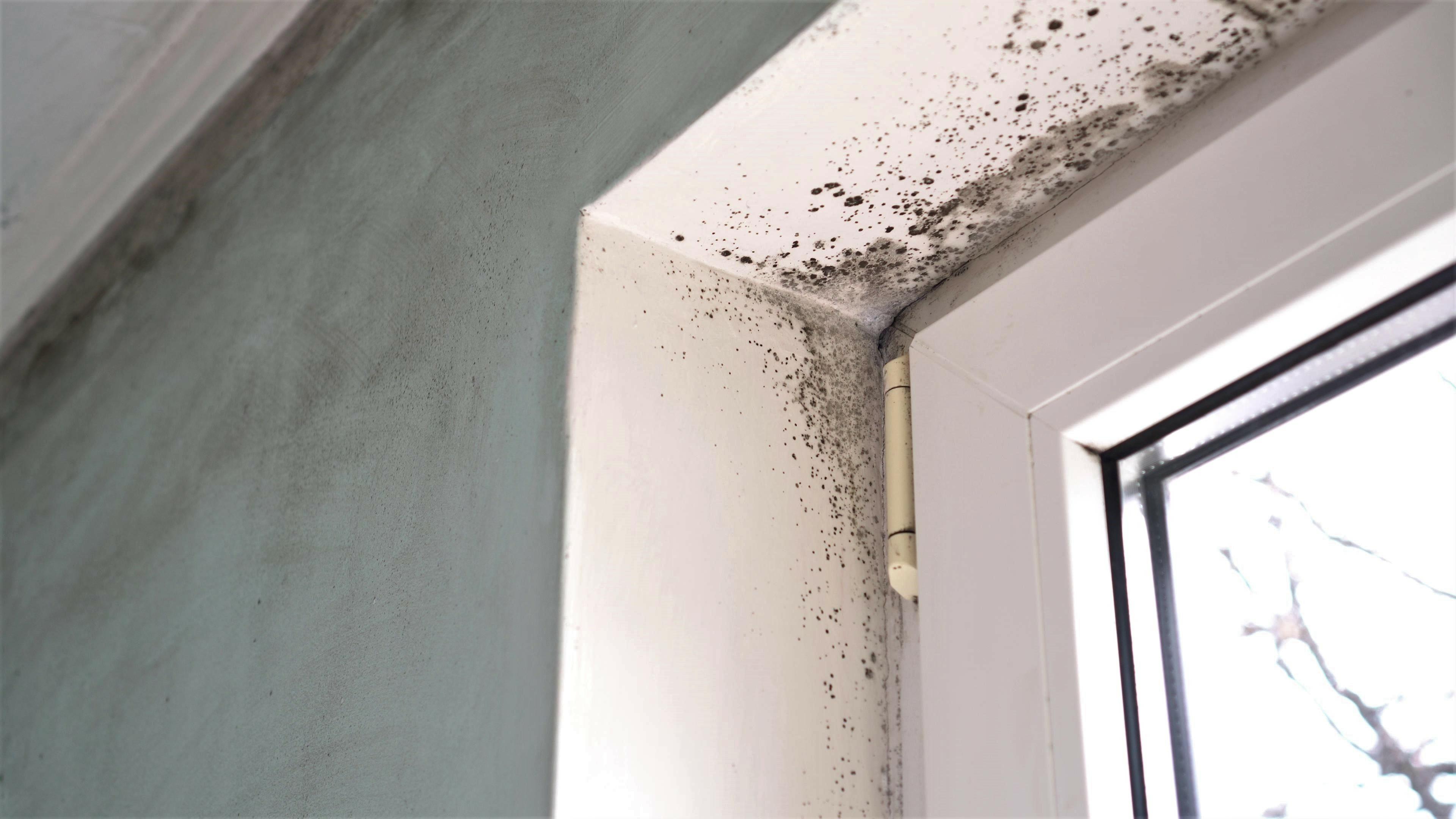
Will an air purifier help with mould?
HEPA filters can capture mould spores in the air, so they help stop the spread of mould throughout your home. It’s a great way to keep airborne spores at bay.
Keep in mind, air purifiers can’t get rid of mould that’s already growing on walls or ceilings. To really tackle mould, you need to address the moisture source (like leaks or humidity) and clean up the mould itself.
Where should I place my air purifier?
For the best results, place your air purifier in the centre of the room, away from walls or obstructions. If you know where the pollution is coming from (like near a window or vent), try putting the purifier nearby.
Bedrooms. Keep it near the bed but not too close to where you sleep. A good spot is on the floor or a side table.
Living Rooms. In the middle of the room, so everyone can benefit from the clean air.
Offices. Close to your desk, so the air around you is always fresh.
Top tips to improve your household air quality
While a home air purifier is a great help in keeping air quality good, it’s not the only thing you should rely on. Here are some other things you can do to breathe easier…
Open your windows every day
While we don’t want you to let the heat out in the colder months, opening your windows for just 5 minutes a day can help clear the air and reduces the risk of catching a virus. Just don’t do it during peak traffic times.
Don’t use cleaning sprays
While they’re convenient, sprays linger in the air. Stick to solid or liquid cleaners to keep chemicals out of the air.
Prevent condensation
Damp and mould thrives when there’s lots of condensation around the house. You can cut out condensation by not drying clothes inside (use an outside line or tumble dryer). Also, turn on an extraction fan when you’re cooking or showering.
Vacuum and dust regularly
If you’ve got carpets, it’s really important to vacuum your house often. And if you’ve got lots of wooden furniture, be sure to dust regularly. A slightly damp cloth is best – since it’ll trap the dust rather than just letting back into the air.