


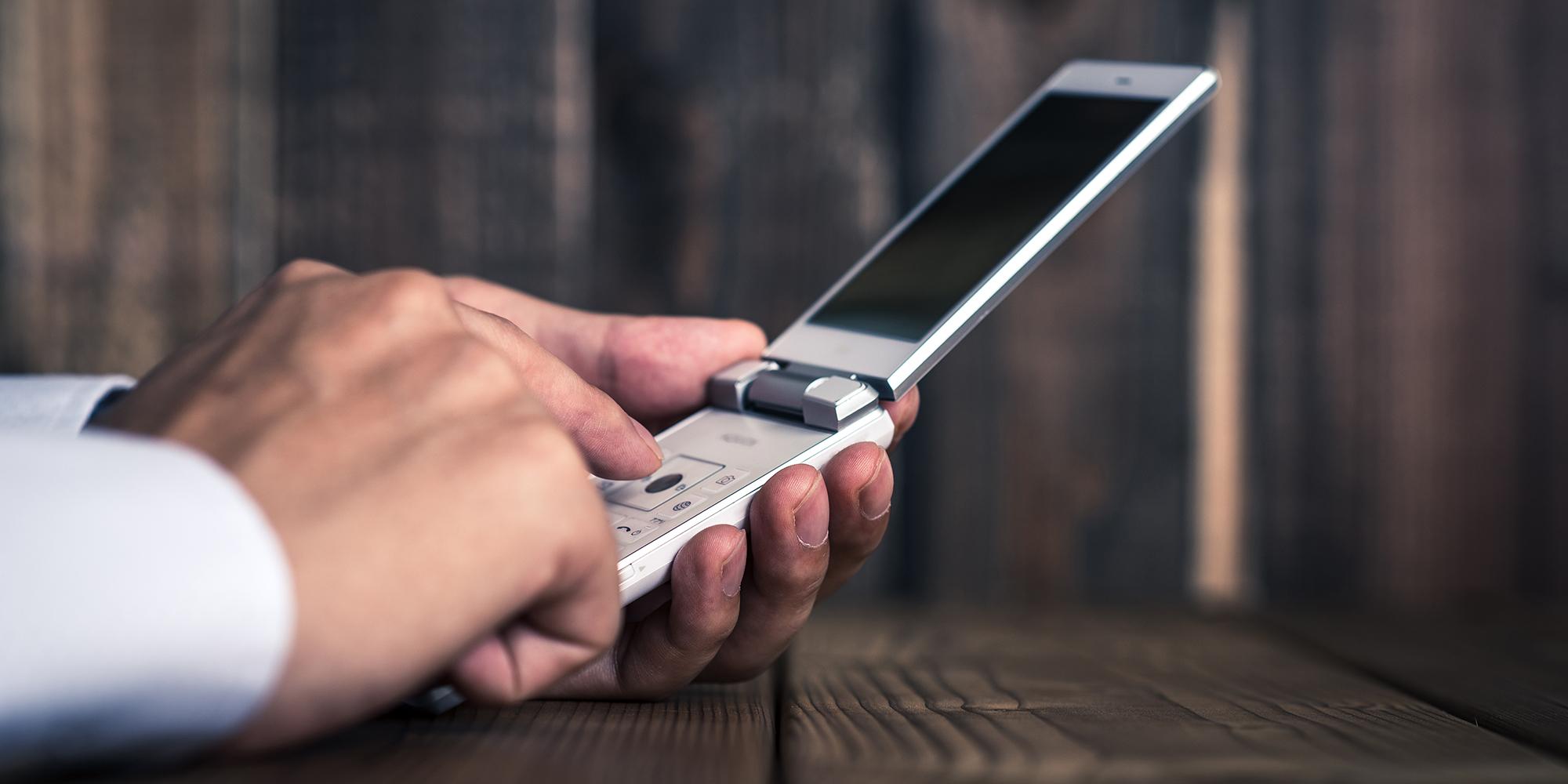
With all the buzz around the latest Ai-powered phones, you might think that non-smartphones - also known as ‘basic’, ‘feature’ or ‘dumb’ phones - are a thing of the past. But that’s not the case. In fact, Virgin Media O2 have seen sales in dumb phones double year on year. Not only that, but sales are strong among UK teens looking for a break from digital distractions.
In this article, we’ll break down what exactly basic phones are, why people are still using them, and who might benefit from owning one. We’ll also look at the best basic phones in the UK right now. So, read on if you’re interested in taking a step back from your smartphone…
What are basic phones?
Basic phones are mobile phones that don’t have advanced internet connectivity or functionality. Not an app in sight!
Basic phones are designed to do the basics like calling, texting - and sometimes even accessing the internet on a very basic level. And for a lot of phone users, the simplicity of a basic phone is exactly what makes it so appealing. Along with some surprisingly handy features…
Key features – what can you do on basic phones?
Basic phones actually have a few things that give them an advantage over their smarter counterparts. Here’s a quick rundown:
Physical buttons. Unlike smartphones that rely almost entirely on touchscreens, basicphones typically have physical buttons for dialling numbers and typing out messages. This can feel quite satisfying - especially for someone who misses the tactile feedback of traditional phones.
Longer battery life. One of the biggest perks of basic phones is their impressive battery life. Because they lack energy-draining apps and power-hungry processors, a lot of basic phones can last days on a single charge. Sometimes even weeks.
Durability. Basic phones are typically built to withstand more wear and tear than smartphones. Without a large, fragile touchscreen to worry about, they’re generally better suited to the rough-and-tumble of everyday life. Some models are even water-resistant and dustproof.
No distractions. Most basic phones allow for calling, texting, and a few extras like calculators, alarms, and FM radio. Perhaps even a bit of basic web browsing. These limited features make them a solid choice for anyone who just wants a phone to be, well, a phone.
Who needs a basic phone?

Basic hones have found new lease of life among certain groups of people:
Teens and kids. The UK government recently implemented new school rules aimed at reducing smartphone usage among students, in a bid to minimise distractions and encourage more face-to-face interaction. That’s why some parents are buying basic phones for their kids. With a few basic features on these school-safe phones, they can stay in touch with family members without being tempted by games or social media.
Seniors. For older users who might find smartphones too complex or overwhelming, basic phones are a simpler option. Senior-friendly phones have tactile buttons that are easy to use – and they’re a great alternative for anyone who finds touchscreens a bit too fiddly. And with limited phone features, there’s less chance of accidental taps or opening unwanted apps. Plus, the longer battery life means they won’t have to worry about charging every day.
Anyone looking for a digital detox. Lots of people are choosing to step away from the endless notifications and screentime of modern life. Switching to a basic ‘digital detox’ phone is one way of creating boundaries and enjoying a healthier relationship with technology.
Professionals who need a second phone. If you need to be reachable outside of work hours but don’t want to carry around an expensive smartphone, a basic phone could be a good option.
Best basic phones to buy
If a basic phone sounds like a smart choice for you, here are a couple of great options. Both are simple, affordable, straightforward, and have just enough features to keep you connected without any distractions.
Nokia 110

The Nokia 110 is simple and reliable, offering easy calling and texting. It has a long battery life, a bright display, and even comes with a few fun games. Perfect for those who want a no-frills phone that gets the job done.
Nokia 105

The Nokia 105 is a straightforward phone with all the essentials—clear calls, long battery life, and a sturdy design. It’s a great option if you need a basic phone without any distractions or complicated features.
Need more help?
Thinking about going back to basics with your next phone? Check out our mobile buying guide to help you decide. If you want to talk to an expert about buying a simple mobile phone, feel free to pop into one of our stores for a chat.