


eSIMs are changing the way we connect our phones. Short for "embedded SIM", an eSIM is a digital version of the plastic SIM card — and it’s already built into many of today’s smartphones. In 2025, eSIM adoption is booming, with major brands like Apple, Samsung, and Google making it standard across their latest devices.
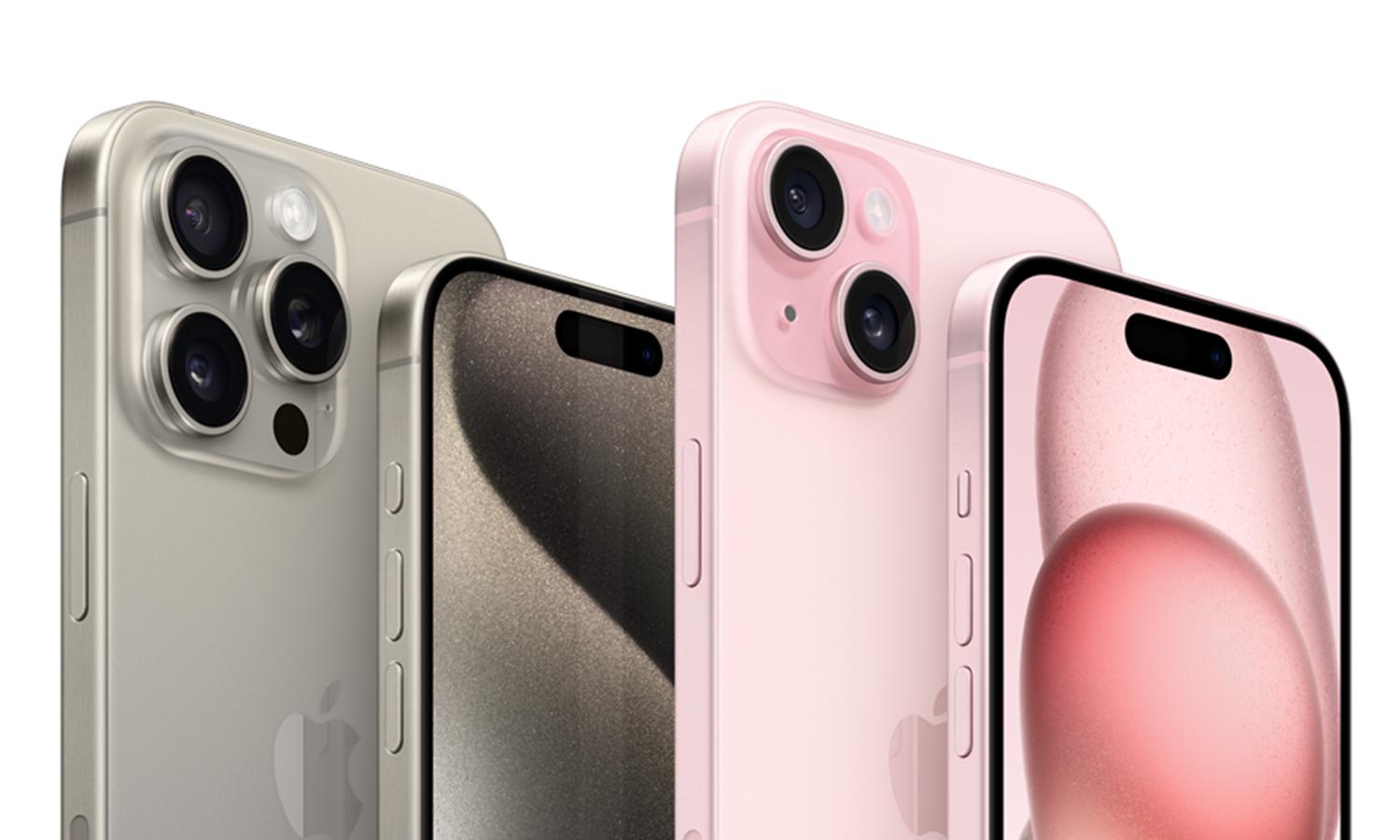
Whether you're upgrading to the new iPhone 16, Samsung Galaxy S25 or Google Pixel 10, here’s everything you need to know about eSIMs — how they work, why they have advantages over regular SIM cards and how to set one up.
What is an eSIM?
An eSIM (embedded SIM) is a tiny chip built directly into your phone. Unlike traditional SIM cards, you don’t need to insert or swap anything physically. Instead, your mobile plan is downloaded digitally — making setup faster and more flexible.
Modern phones with eSIM support can store multiple profiles, meaning you can switch between networks or numbers without juggling SIM cards. Many 2025 devices even support dual SIM or multi-profile setups, perfect for managing work and personal lines or travel plans.

How an eSIM works
Setting up an eSIM today is easier than ever. You can:
Scan a QR code from your carrier
Use a carrier app to download your plan
Transfer your eSIM from an old phone using Quick Transfer
Store 5–10+ profiles on supported devices
This digital provisioning is not only faster, but also more secure. No waiting for a SIM card to arrive in the post — just activate and go.
What are the benefits of an eSIM?
Okay, so you’ve got a new phone with an activated eSIM. But what exactly are the benefits of having this little chip inside your phone?
eSIMs offer a long list of advantages over traditional SIM cards. Here’s why they’re becoming the go-to choice in 2025 and beyond:
No physical SIM required – activate your plan digitally in minutes
Dual SIM flexibility – run two numbers on one device
Instant network switching – change carriers from your phone’s settings
Travel-friendly – download local eSIMs to avoid roaming charges
More secure – harder to lose, steal, or clone
Eco-friendly – no plastic SIMs or packaging
Space-saving – frees up room for bigger batteries or slimmer designs
Future-proof – compatible with global networks and upcoming tech
Supports multiple profiles – store several plans and switch as needed
Remote setup – ideal for online-only carriers and instant activations
Because eSIMs aren’t physical, they can be as temporary and as flexible as you need. And it’s not just about having multiple SIMs on one phone or cheaper calls on holiday. They’re a great choice, for example, if you need a SIM card for your child on a their first school trip but perhaps don’t want them to have their own mobile plan the rest of the time.
Switch between networks
Because an eSIM lets you store more than one network in it, you’ll be able to switch quickly between them. This could come in handy if you find yourself with no signal, in an area that your network doesn’t cover. If this happens to you now, you’re stuck. But in the near future you could simply switch to the network that offers the best coverage.


iPhone Air – The First eSIM‑Only iPhone
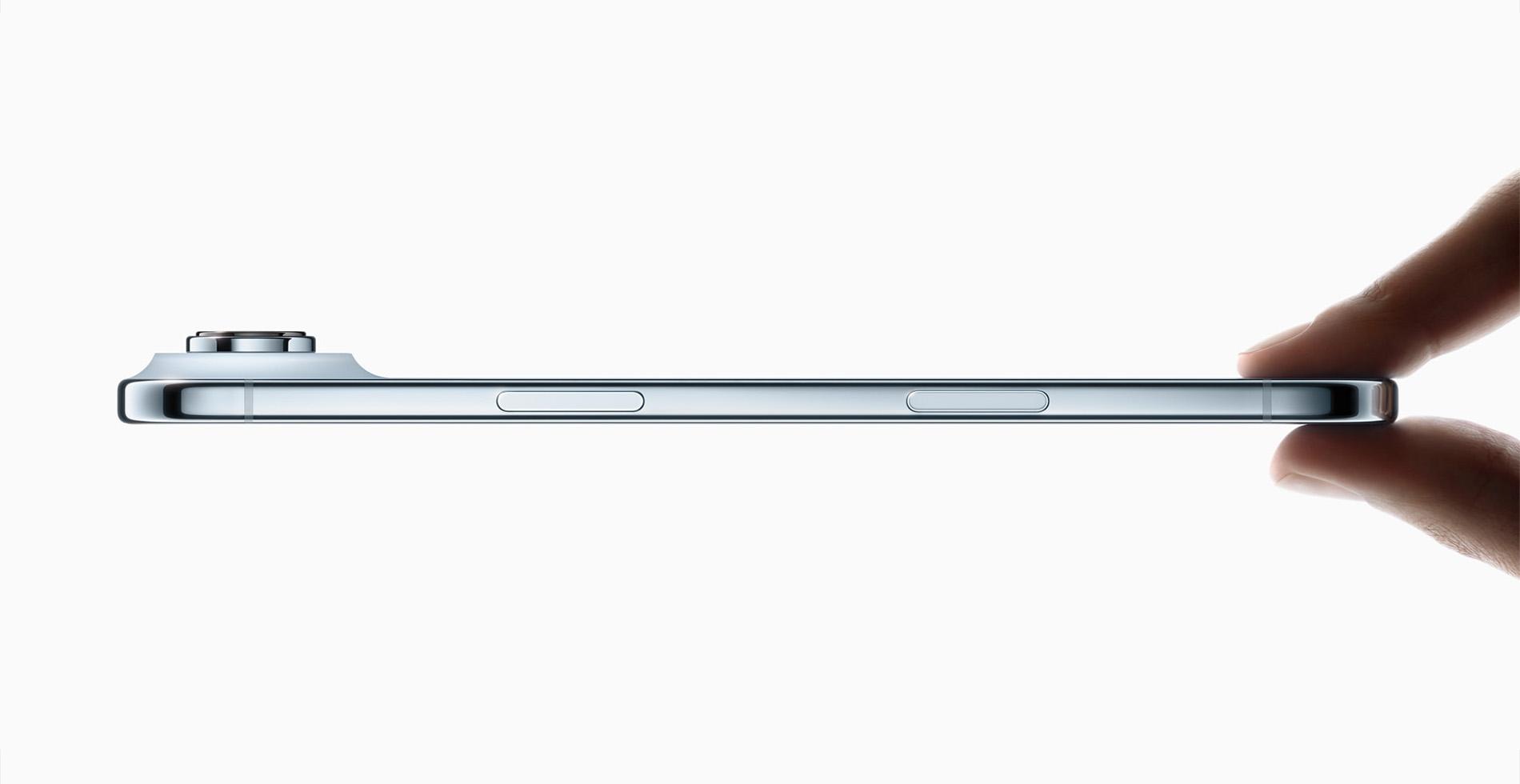
Apple’s iPhone Air is the first iPhone to go fully eSIM-only. That means no SIM tray at all — just digital activation. It’s sleeker, more secure, and future-focused.
Why is the iPhone Air eSIM-only?
Apple’s move to eSIM-only is all about streamlining. Removing the SIM tray allows for a thinner, more compact design, while also improving water resistance and security. eSIMs are harder to steal or clone, and they make switching carriers or plans much faster — no need to wait for a physical SIM to arrive.
How does setup differ from other iPhones?
Setup is simple: scan a QR code, use Quick Transfer or download your plan via your carrier’s app. While most major UK networks support eSIM, it’s worth checking compatibility before switching. Some of the other iPhones have a much more traiditional SIM set up.
Are there any carrier limitations?
Most major UK networks — including EE, Vodafone, O2, and Three — now support eSIM. However, not all smaller or international carriers do. If you're switching from a physical SIM, it’s worth checking with your provider to confirm eSIM compatibility and whether they support remote provisioning (some still require a QR code or manual setup).
Top eSIM-Compatible Phones in 2025
Looking for a phone that supports eSIM? Here are some of the best options this year:
Flagships:
iPhone 16 – Dual eSIM support, Quick Transfer, travel-ready
Samsung Galaxy S25 – Multi-profile support, great for international use
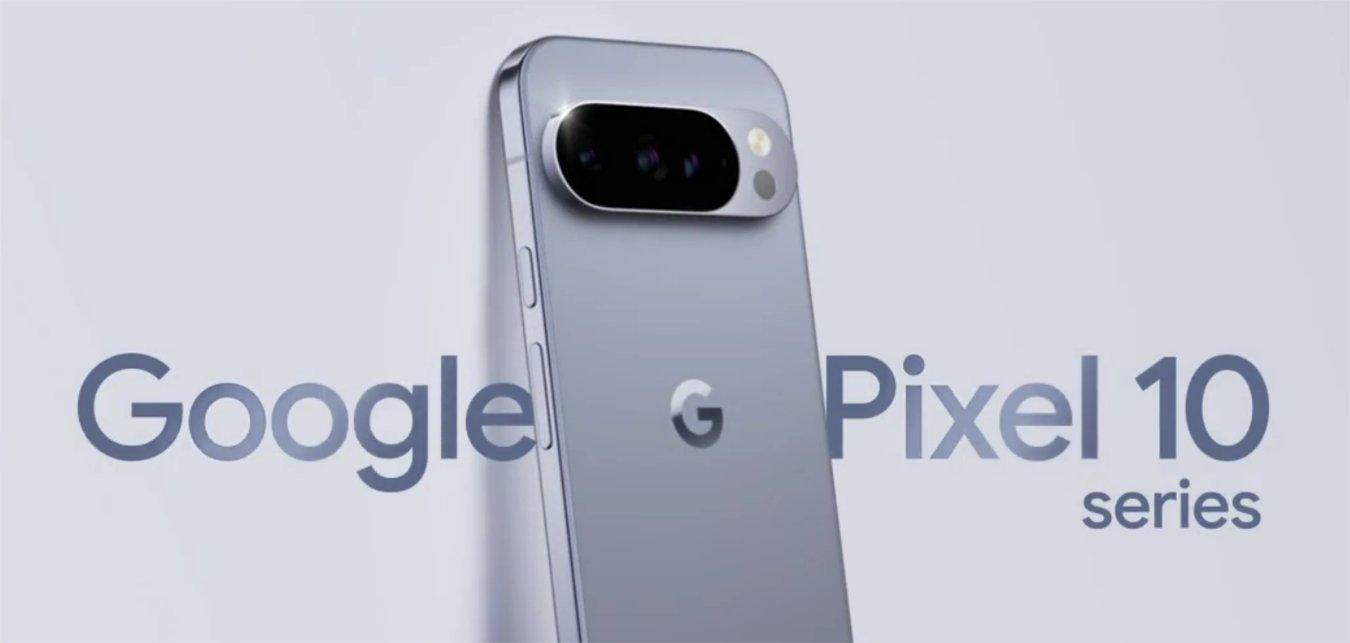
Google Pixel 10 – Clean Android experience, eSIM-first design
Mid-range/ last model:
iPhone 16e – Affordable with full eSIM support
Samsung Galaxy S24 – Great value, dual SIM ready
Google Pixel 9 – Compact and travel-friendly
Setting up eSIM in 2025 (iOS & Android)
Here’s how to activate and manage your eSIM:
On iPhone:
Go to Settings > Mobile Data > Add eSIM
Choose QR code, Quick Transfer, or Carrier App
Follow on-screen instructions
On Android:
Go to Settings > Network & Internet > SIMs
Tap Add eSIM
Scan QR or use carrier app
You can also manage multiple profiles, switch between them, or add travel eSIMs when abroad.

FAQs
Can I use eSIM and physical SIM at the same time?
Yes, many phones support dual SIM setups with one eSIM and one physical SIM.
Is eSIM safer if my phone is lost or stolen?
Yes — it’s harder to clone or misuse than a physical SIM.
Can I use a travel eSIM without affecting my main number?
Absolutely. You can keep your main number active while using a travel eSIM.
How many eSIMs can modern phones store and use?
Most 2025 phones support 5–10+ profiles, though only one or two can be active at a time.
What should I check before going eSIM-only?
Make sure your carrier supports eSIM and your phone is unlocked or compatible.
What’s next?
e-SIMs clearly have a big advantage in lots of ways, but lots of people still use them in combination with a traditional SIM. So if you’re after a physical SIM card, check out Carphone Warehouse’s SIM-only deals from iD Mobile and Vodafone.