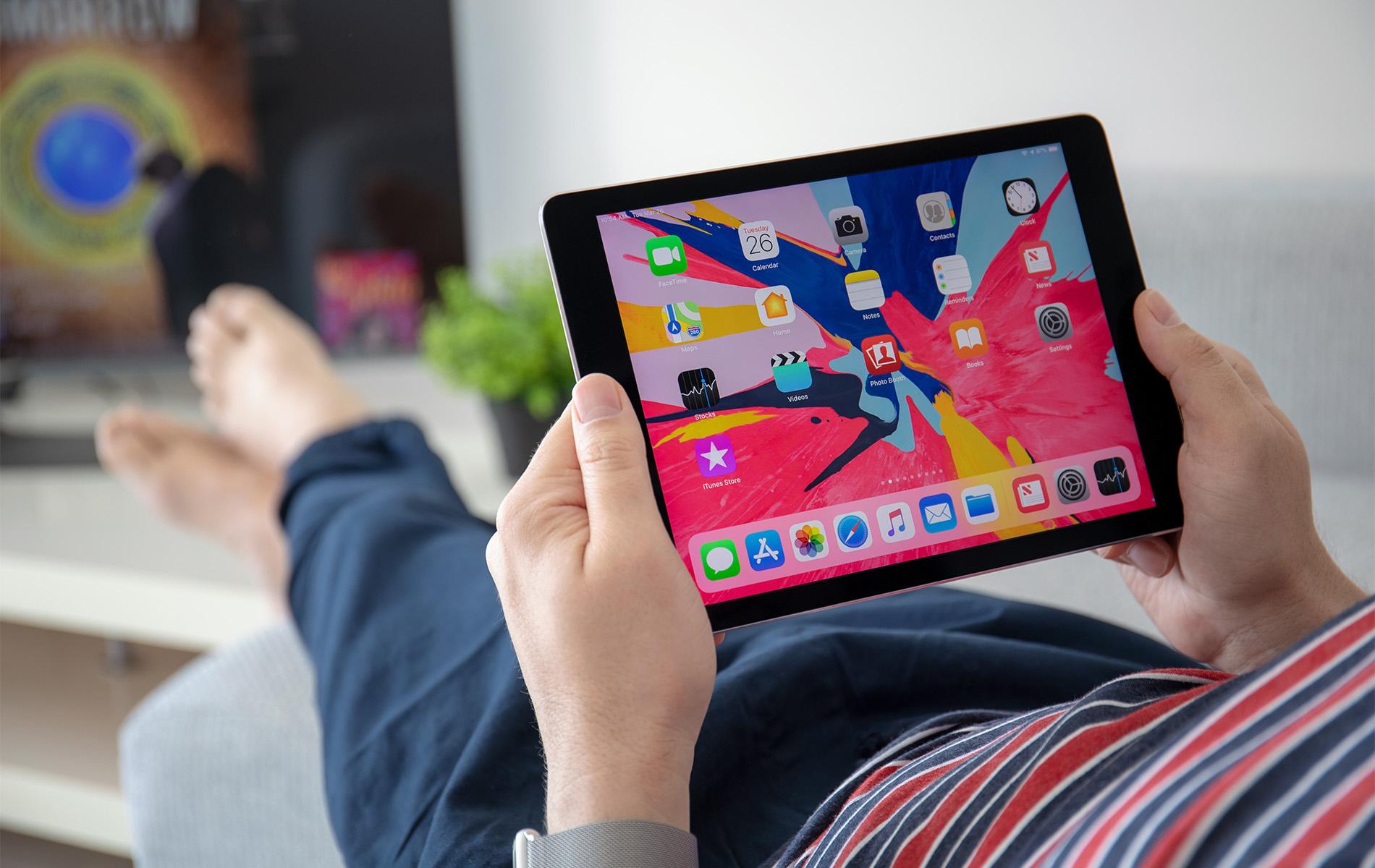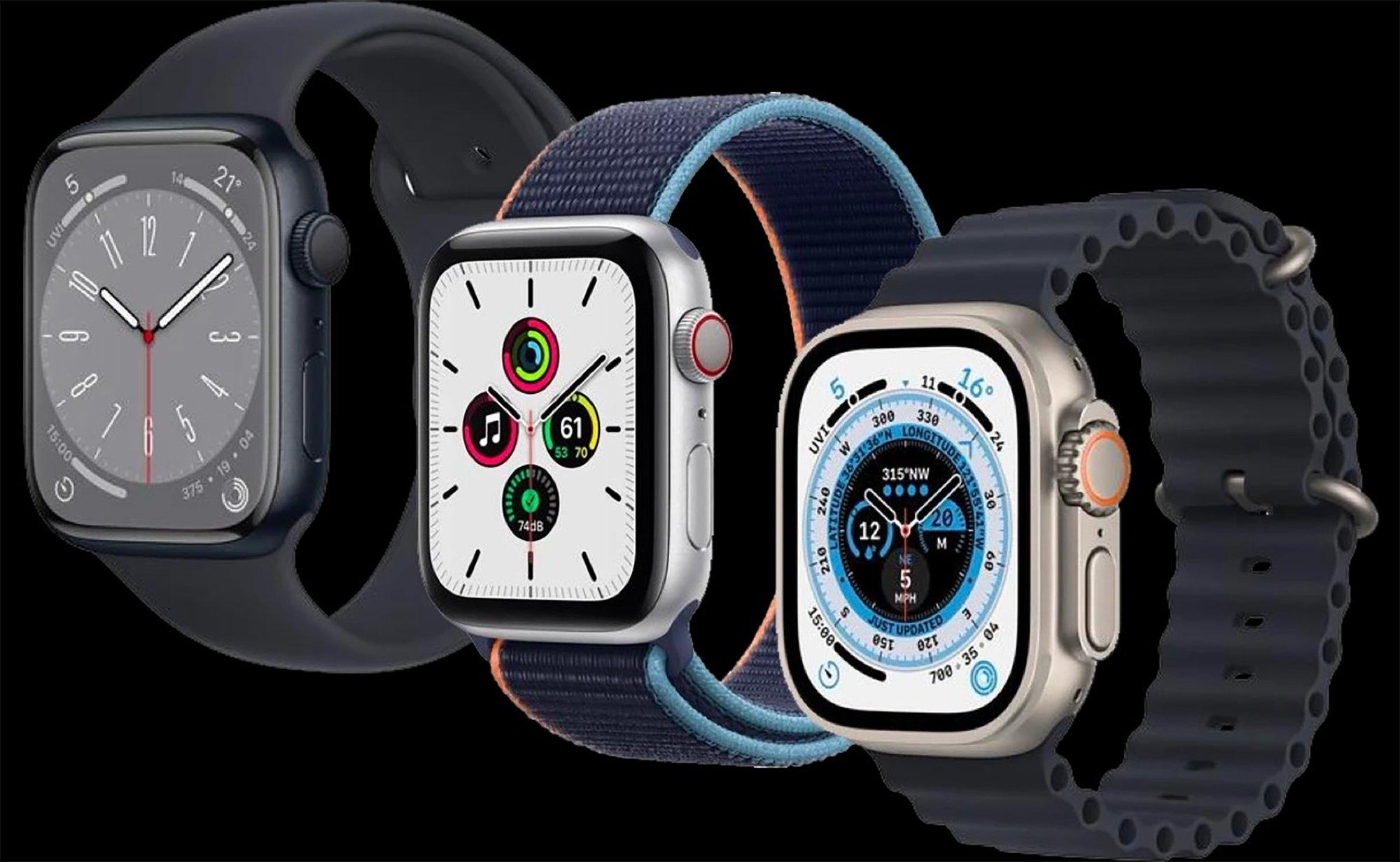


Your Apple ID is the main account you use to manage all your Apple gadgets. Whether that’s an iPhone, iPad, Apple Watch or a MacBook. And if you own two or more of those, your Apple ID login lets you sync them up so that your purchases, contacts, and more are shared across them. Neat!
Your Apple ID has to be linked to an email address just like most online accounts. But if you’re not using that email anymore or can’t access it — don’t worry. Swapping over to a different email address for your Apple ID is easy and only takes a couple of minutes. Here’s how to do it…

How do I change my Apple ID email?
When you change your Apple ID email, you won’t lose access to your data or other account info. Everything you had should stay exactly the same as it was before, as long as you do it properly.
Changing Apple ID email on a computer
Go to the Manage Your Apple ID page on Apple’s website and sign in.
Click on the ‘Sign-In and Security’ section and select the ‘Apple ID’ option.
Enter your new email address in the ‘New Apple ID’ box and click on ‘Change Apple ID’.
Check your email inbox for a verification code and enter it to finish the process.
Tech tip: If you use iCloud or Messages, then you’ll need to sign into those services again with your new Apple ID afterwards.

Changing Apple ID email on iPhone or iPad
Open the Settings App.
Tap on your account/name right at the top to open your Apple ID settings.
Choose the ‘Name, Phone Numbers, Email’ option at the top of the Apple ID menu.
Tap the ‘Edit’ button next to the ‘Email & Phone Numbers’ heading.
Delete your old email address, then choose ‘Continue’.
Enter your iPhone passcode and tap ‘Done’.
Type in your new Apple ID email address and tap on ‘Next’.
Check your email inbox for a 6-digit verification code and enter it to finish up.
What to do before changing your Apple ID email?
Before you dive into changing your Apple ID email, it’s a good idea to do a couple of important things first. That way, everything will go nice and smoothly. Just follow these steps…
Sign out of all devices – Log out of your Apple ID on each of your gadgets. This includes your iPhone, iPad, Mac and any other Apple gear you use. It’s basically the digital version of locking all your doors before you move to a new house.
Update your backup email – If you’ve got a backup email set up, update it to a new one that you can still access. This is super important, as Apple may send you a verification link or code to this email.
Make sure you can access old and new emails – Double check that you can still get into your old email address. You’ll need it to verify the change. Also, make sure you can access your new email too, as Apple will send another confirmation there as well.
Check your subscriptions – Subscriptions like Apple Music and iCloud storage are tied to your Apple ID. You might have to update your subscription settings after the change.

What happens after you change your Apple ID email?
Changing your Apple ID can impact some things straight away. Here’s what to expect:
Auto sign-outs – Your Apple ID will automatically sign out on all your devices. Don’t worry though, this is completely normal and helps to keep your account secure.
App access – You might need to log back into some apps that use your Apple ID, like the App Store, iCloud and Apple Music. It’s a bit of a pain but does mean everything will be up to date.
iCloud syncs – Your iCloud data will sync with your new email address. This might take a little bit of time, so be patient. Once it’s done, things should be back to normal.
FaceTime and iMessage effects – It’s possible that you’ll need to update your FaceTime and iMessage settings to use your new email address. This is really easy to do in the settings of your devices.
Re-login steps – After changing your email, you’ll have to sign back into your Apple ID on all of your gadgets. Just head to the settings, find your Apple ID, and enter your new email and password.

Can’t change your Apple ID email?
If you’re struggling to change your Apple ID email, here’s a few quick fixes:
Check your internet connection – Make sure you’re connected to the internet. Sometimes, a weak or unstable connection can cause issues.
Clear your browser cache – If you’re using a web browser to change your Apple ID, try clearing your cache and cookies. This might sort out any loading or error problems.
Use a different device – Try changing your Apple ID email from a different gadget. The glitch could be specific to the device you’re using.
Verify your new email – Check that you’re able to receive and open emails at your new address. Apple will send over a verification link, and you need to click it to complete the change.
Contact Apple support – Not having much luck with the above? It’s probably time to get in touch with Apple support. Their expert team can help you to troubleshoot the cause and get everything working properly.
FAQs
Is an Apple ID an email address?
Your Apple ID login is the account that you use to access Apple services (like iCloud and Apple Music) and keep your Apple devices in sync. And like most accounts you have for anything online, your Apple ID has to be linked to an email address. This email address is your Apple ID, which also becomes the contact email for your account.

What do I do if my Apple ID is showing an old email address?
If your Apple ID shows an old email address that you don’t use or haven’t got access to, follow the steps above and update it to your current email address.
If you’ve already done this — but your old email address still shows under your Apple ID account — you might just need to give it some time to refresh. And if this doesn’t work, try to update your sign-in information with any Apple services that you're using. Click here to learn more about that from Apple.
Can I create two Apple IDs with the same email address?
No, you can’t. As an Apple ID account is an email address, this means Apple won’t let two accounts share the same email.
Any more questions?
See, we told you it was easy! Now that you know how to swap out your Apple ID email, why not learn how to take screenshots and screen recordings on iPhone? Or really up your knowledge with our how to scan a QR code on an iPhone or Android guide. You’ll be an iPhone expert in no time!