

January can feel like a slog. The festive buzz fades, the weather turns grey and suddenly you’re waking up in the dark and finishing work in the dark too. It’s no surprise that energy levels dip and motivation takes a hit during the winter months.
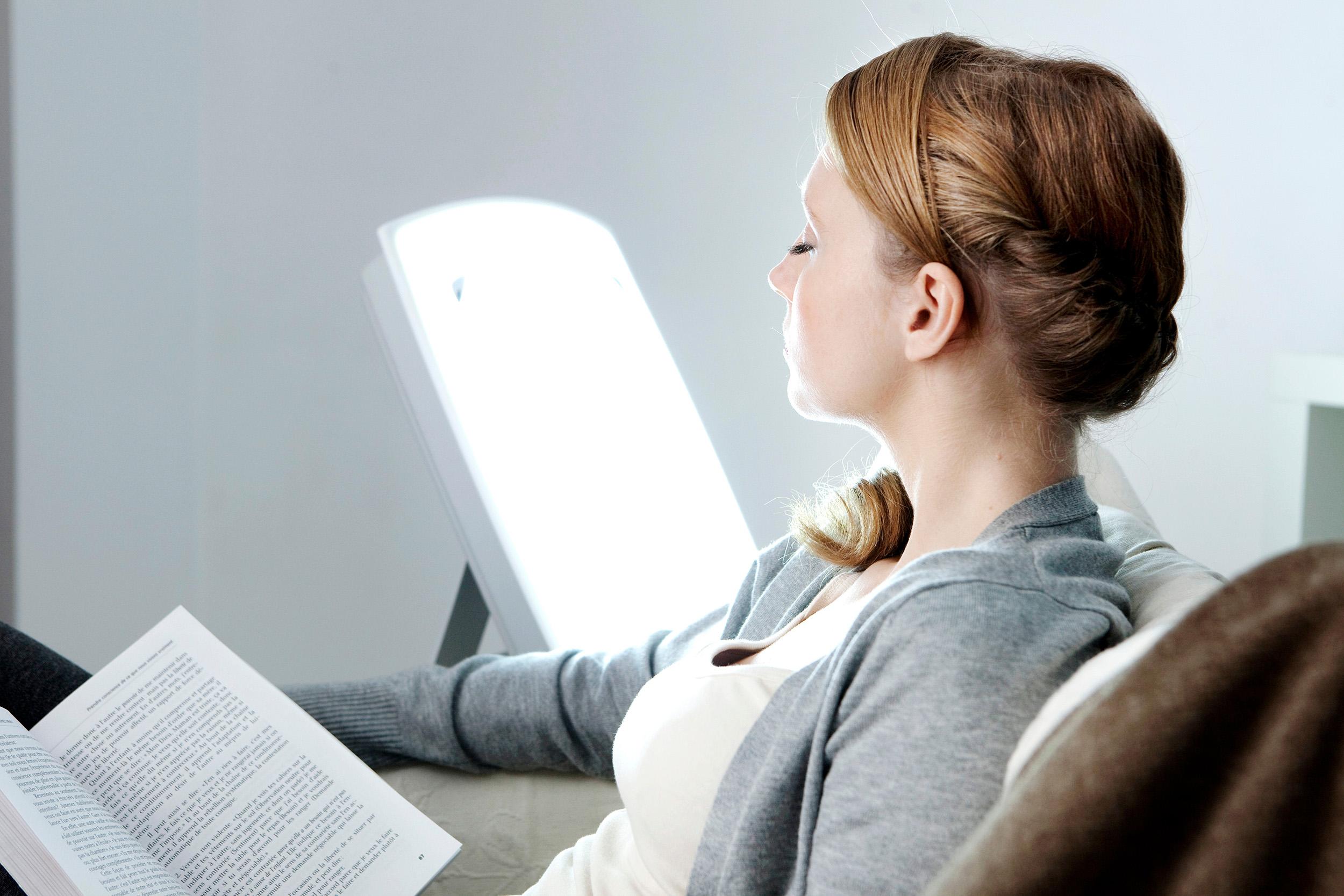
That’s where light therapy lamps and wake‑up lights come in. Designed to mimic natural daylight, these clever lights can help support mood, focus and sleep. Minus the caffeine. These are often referred to as Seasonal Affective Disorder lamps or “SAD lamps” - which is funny because they can have the opposite effect.
In this guide, we’ll explain how light therapy works, what features to look for when shopping and which SAD lamps and wake‑up lights are worth considering in 2026. We’ll also explore whether smart lighting like PHILIPS HUE Lighting can play a supporting role in beating the winter blues.
Whether you’re working from home, studying or just struggling with dark mornings, there’s light at the end of the tunnel….
What is light therapy and how does it help with seasonal affective disorder?
Seasonal Affective Disorder (often shortened to SAD) is a type of low mood that typically appears during autumn and winter. Common symptoms include persistent tiredness, lack of focus, disrupted sleep and a general dip in motivation. All linked to reduced exposure to daylight.
Light therapy works by simulating bright, natural daylight. When your eyes detect this light, it helps regulate your body clock (circadian rhythm) and can influence the production of hormones like sleep-regulating melatonin and mood-boosting serotonin.
There are two main types of light‑based products:
SAD lamps: Bright light therapy lamps used during the day, usually emitting up to 10,000 lux – a measure of how much light it emits.
Wake‑up lights: Alarm‑style lamps that gradually increase brightness in the morning, mimicking a sunrise.
Light therapy isn’t about instant fixes. It’s more about building a consistent routine that helps your body recognise when it’s time to feel alert and when it’s time to wind down. It can be especially helpful for remote workers, early risers, students and anyone spending more time indoors during winter.

How to choose the best light therapy lamp
Not all light therapy lamps do the same job, so it’s worth thinking about how and when you’ll use yours. Here’s what to think about before taking the plunge.
Brightness (lux levels)
For effective bright light therapy, look for lamps offering 10,000 lux. This is the level commonly recommended for daylight simulation.
Size and coverage
Smaller lamps are ideal for desks and home offices. If you’re looking to spread that feeling further, look for a larger light for more open spaces.
Settings and controls
Timers, adjustable brightness and alarm options can make daily use much easier — especially on those groggy mornings.
SAD disorder lamps vs wake‑up lights
Wake‑up lights are great for mornings but don’t typically reach full therapy brightness. Seasonal affective disorder lamps are better for daytime use.
Design and portability
Compact, lightweight designs are easier to move between rooms and pack away – especially once spring hits us.
Safety and comfort
Look for UV‑free light, anti‑glare screens and comfortable viewing angles.


Best SAD lamps and wake‑up lights for 2026
Here’s our expert selection of light therapy lamps and wake‑up lights.
Philips HF3519/01 SmartSleep wake‑up light
A premium wake‑up light designed to make mornings feel more natural and less jarring. The PHILIPS HF3519/01 SmartSleep Wake-up Light is like having your own source of sunshine.
Handy features:
· Sunrise and sunset simulation
· 20 light intensity levels
· Nature alarm sounds are an option
· Dual alarms
Best for: Improving morning routines and sleep habits
Pros: Smooth light transitions, highly customisable, stylish design
Philips HF3531/01 SmartSleep wake‑up light
The Philips HF3531/01 SmartSleep wake‑up light is like the HF3519/01 but with a few extra tricks up its sleeve.
Extra features:
· Coloured sunrise simulation
· Auto‑dimming display
· Midnight Light is a soft light that will let you see without disturbing your night’s sleep
Best for: Deeper winter months and users who want more personalisation
Pros: Extra sound choices, intuitive controls, calming wake‑ups
Beurer WL 50 wake‑up light
Part wake‑up light, part mood light and part Bluetooth speaker, the BEURER WL 50 Wake Up Light is a great all-rounder.
Handy features:
· Adjustable light intensity
· 5 LED colour options
· Alarm and snooze
· Mains and rechargable battery power – so can be used at home or away
Best for: Morning routines and ambient lighting
Pros: Versatile wake-up light, can take it anywhere
Beurer TL 30 Daylight Therapy Lamp
A dedicated light therapy lamp designed for daytime SAD support.
Great features:
· 10,000 lux LED daylight simulation
· Lights up a large area up to 20 x 12 cm in size
· Flicker free tech means it doesn’t distract you when working
Best for: Home offices and daytime light therapy sessions
Pros: High brightness, straightforward design, UV free
BEURER TL 50 Brightlight
The BEURER TL 50 Brightlight is a medically certified therapy lamp that can brighten up a whole room (as well as your day).
Top features:
· Energy efficient LED lighting with 20,000 hours lifespan
· 10,000 lux brightness
· Meets European Directives 93/42/EEC and 2007/47/EEC and the Medical Devices Act
Best for: All-day mood boosting tech
Pros: Super simple controls that anyone can operate
Can Philips Hue smart lighting help with seasonal affective disorder?
Smart lighting isn’t a replacement for SAD lamps, but it can be a useful addition to your winter wellbeing setup.
Philips Hue lets you adjust brightness and colour temperature throughout the day, helping you create energising mornings and calming evenings. You can also automate lighting schedules, which is ideal for work‑from‑home routines.
Recommended options include:
Try setting up scenes like an energising cool‑white morning light, a warm evening wind‑down, or a focused workday mode. You can follow this step‑by‑step guide on how to set up Philips Hue smart lightbulbs.
Other wellbeing tech to beat the winter blues
Light therapy works best as part of a wider self‑care routine. You might also consider:
Massage guns for muscle tension and stress relief
Electric diffusers to create a calming atmosphere at home
Used together, these can help support relaxation, comfort and overall winter wellbeing.
FAQs
Do light therapy lamps really work for SAD?
They’re widely used to support mood and energy during winter and are considered a helpful, non‑drug option for many people.
How long should you use a light therapy lamp each day?
Most people use them for around 20–30 minutes in the morning, depending on brightness.
What’s the difference between a SAD lamp and a wake‑up light?
SAD lamps are brighter and used during the day, while wake‑up lights gradually brighten to help you wake more naturally.
Can I use a light therapy lamp at night?
It’s generally best used earlier in the day, as bright light in the evening can disrupt sleep.
Are light therapy lamps safe for everyday use?
Yes — reputable lamps are UV‑free and designed for regular use.
Do smart lights help with seasonal depression?
Smart lights can support routines and mood, but they work best alongside — not instead of — dedicated SAD lamps.
What is the best light therapy lamp for mornings?
Wake‑up lights like the Philips SmartSleep range are ideal for creating gentler mornings.
What’s next?
Check our our Wellness tech for everything from electric diffusers to sleep tech.