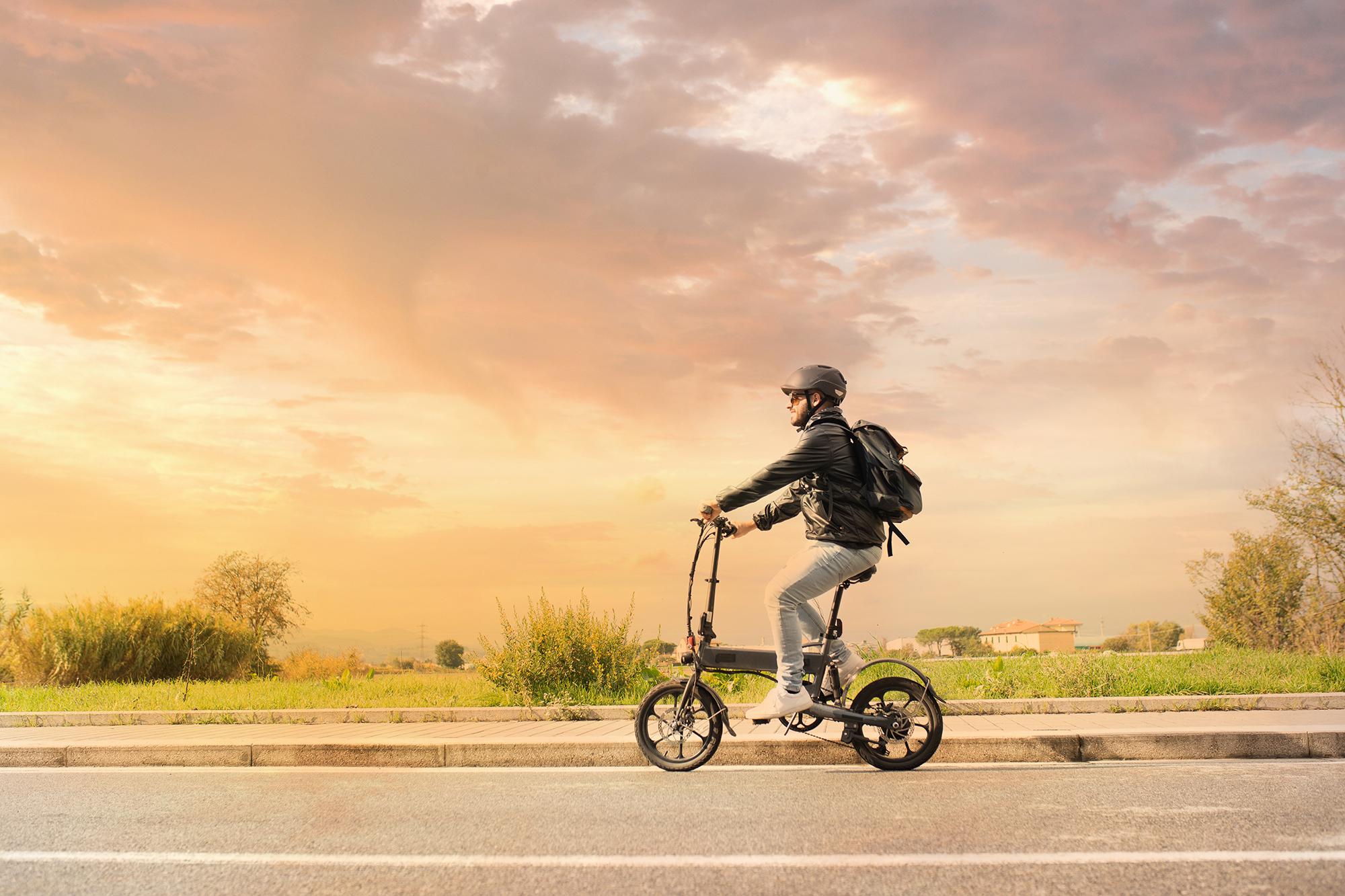


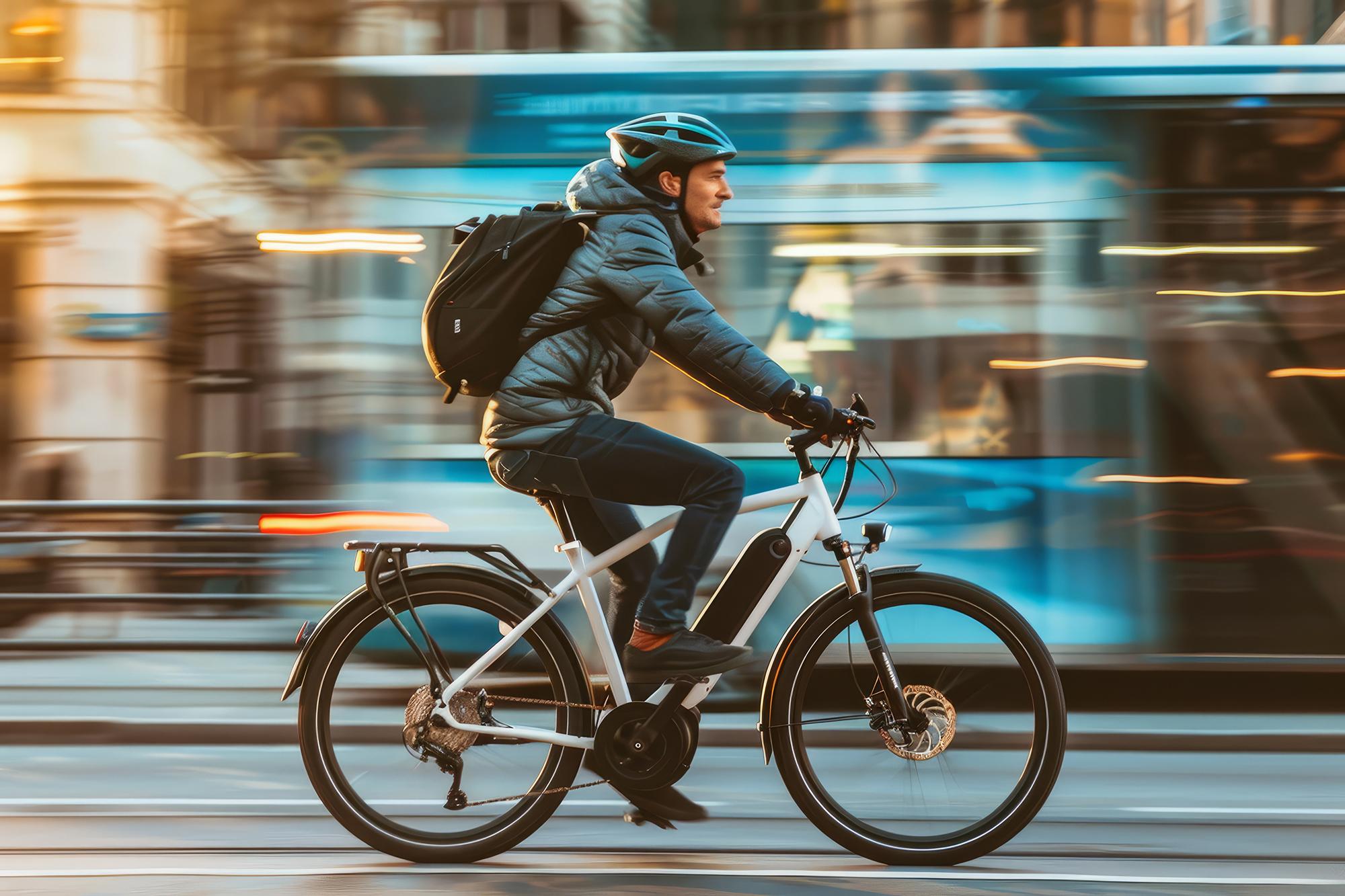
An electric bike (or e-bike) is like a normal pedal bike but with an electric boost. Start to pedal, and battery-power will kick in to spare your tired legs and help you whizz up that hill with ease. They’re rechargeable and don’t give out any exhaust fumes – so they’re great for a ride in unspoilt countryside.
There are lots of different types of electric bikes too – from folding electric bikes ideal for the daily commute to the beefy Knaap Generation 1 Electric Bike - with chunky tyres and a range of up to 87 miles. A great choice for those longer rides.
If you’re new to e-bikes and want to find out more, we’ve got you covered.
What is an e-bike?
An e-bike, short for electric bicycle, is a pedal-operated bike fitted with an electric motor and rechargeable battery. It gives you extra push while you ride - making journeys easier, faster and more accessible than a traditional bike.
Core components include:
A standard bike frame
An electric motor (mounted in the crank or wheel hub)
A removable lithium-ion battery
A handlebar-mounted controller or display
A torque or cadence sensor to regulate assistance
UK and EU legal requirements
In the UK and EU, electric bikes are designed to keep things simple and accessible for everyday riders. To be legally classified as a bicycle - which means you don’t need a licence, insurance or road tax - the motor must have a continuous output no higher than 250 watts. Plus, the electric assistance has to cut off once you reach 25 km/h (about 15.5 mph). The motor can only kick in when you pedal, so a throttle-style acceleration isn’t allowed. As long as you're riding a pedal-assist e-bike that sticks to these rules, you can use your e-bike in all the places you’d use on a regular bike.
E-bike types
City/commuter: upright ride with mudguards and rack
Folding: compact frame, ideal for public transport
Cargo: extended frame, which can carry up to 200 kg
E-MTB: trail-ready design with mid-drive motor
Battery basics
When it comes to power, most e-bike batteries range between 300Wh and 700Wh, storing enough energy to cover around 25-75 miles (40-120 kilometres) on a single charge. Your actual range depends on several things: the level of assistance you choose, the terrain you're riding and even how much weight you're carrying. So whether you’re cruising city streets or tackling steep country hills, having a decent battery means fewer charging stops and more freedom to ride wherever you like.
How do electric bikes work?
E-bikes are powered by an electric motor that helps you pedal. The motor is powered by a rechargeable battery that's usually located in the bike's frame. When you start pedalling, the motor kicks in and gives you extra power – great when you’re going uphill or the wind is against you.
But e-bikes don’t have to mean sitting back and missing out on exercise. Most e-bikes have different power modes, so it’s up to you how much help you want. Some models even have a throttle, which means you can control the speed without pedalling at all.

Electric bike components
E-bikes aren’t simple machines, and are crammed with all kinds of clever tech. But arguably the 3 main important components in an electric bike are:
Battery
No battery, no power. The battery’s voltage, type and capacity will determine how far your e-bike can go (range), its overall performance and its charging time.
Motor
The motor takes electrical energy from the battery and converts it into the mechanical power that makes your bike go. The motor’s power and efficiency help determine things like an electric bike’s top speed, acceleration and range.
Sensor
In many e-bikes, sensors detect when you’re peddling and turns on the motor to give you a boost. This means you don’t need a throttle to get a boost – but lots of e-bikes come with both throttles and sensors.
How fast does an electric bike go?
The speed of an electric bike can vary depending on a number of factors such as the power of the electric motor, the weight of the rider, the terrain, and the level of pedal assistance being used.
A fast electric bike can go between 20 to 28 miles per hour with pedal assistance. But the fastest electric bikes can reach speeds of up to 45 miles per hour or more. What’s more important is knowing the legal restrictions on the maximum speed of electric bikes. It's always a good idea to find out the laws and regulations in your area.
Are electric bikes legal in the UK?
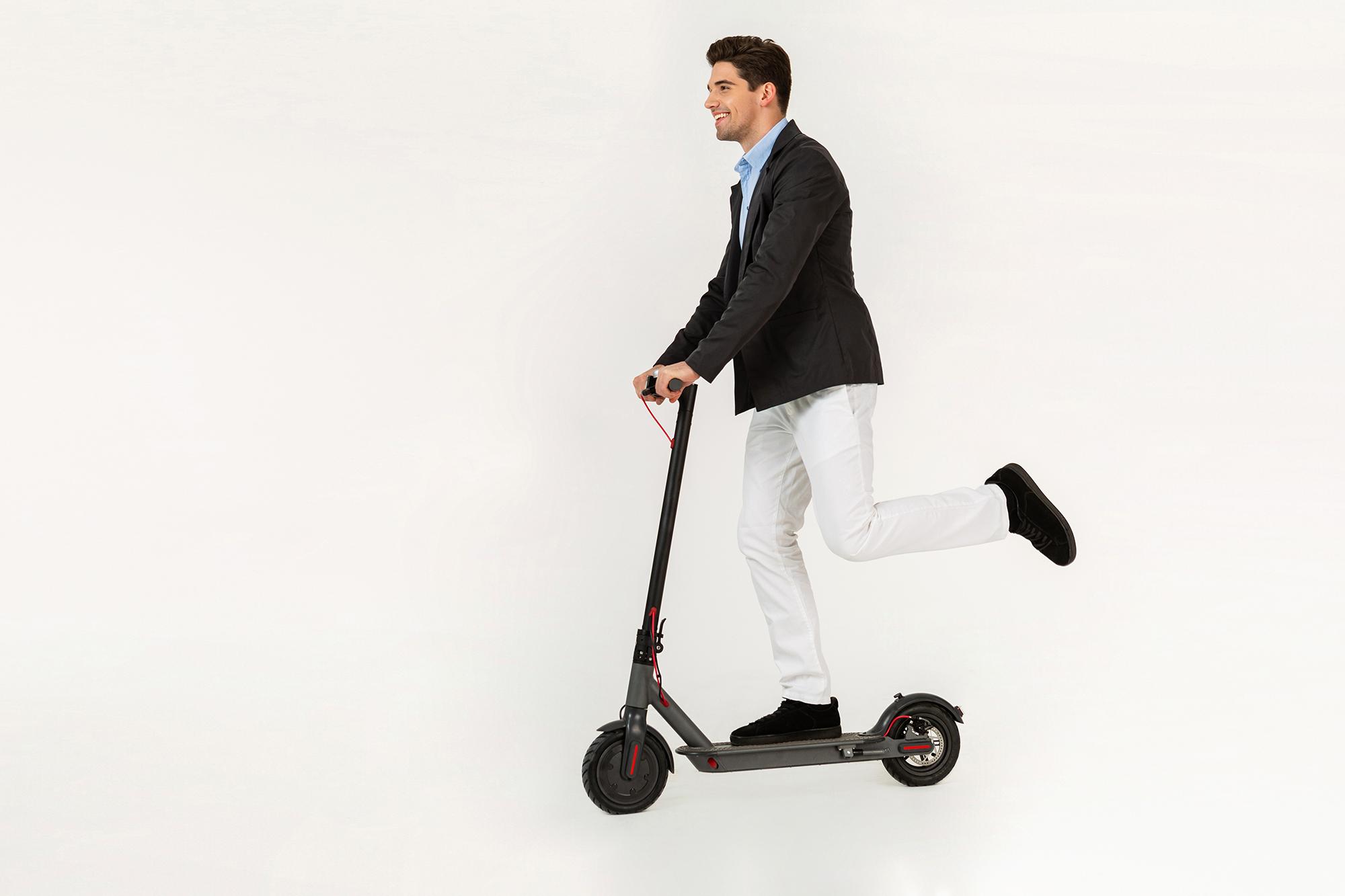
The speed limit for electric bikes in the UK is 15.5 mph, which is the same speed limit as electric scooters. The good news is that, unlike e-scooters, both pedal and throttle assisted electric bikes can be ridden on cycle lanes and on the road - as long as riders stick to the laws that apply to normal cyclists.
If you’re new to electric bikes and scooters and want to talk to someone who knows their stuff, why not have a chat with a friendly ShopLive expert.

Electric bikes FAQs
Do you need a licence for an electric bike in the UK?
Not usually! As long as your e-bike helps you pedal (no throttle) and cuts assistance at 15.5 mph (25 km/h), it’s classed as a regular bicycle. That means no licence, insurance, tax or number plate is needed—you just need to be over 14. If your bike has a throttle or a motor over 250 W, it's considered a moped and does require a licence, insurance and helmet.
Can you take an electric bike on a train in the UK?
Most train companies treat e-bikes like standard bicycles—if bikes are allowed, e-bikes are too. That said, bulky cargo models might be refused. Long-distance services often require you to reserve a free bike space in advance. Folding e-bikes are easiest to travel with—just bag them and carry them as luggage. Always check the train operator’s website, especially during peak hours when some routes restrict bike access.
Do you need insurance for an electric bike?
It’s not required by law, but it’s a smart idea if your bike’s valuable. With e-bikes typically costing between £1,000 and £4,000, they’re tempting to thieves. You can add your e-bike to your home contents insurance or get dedicated cycle cover for around £10 a month, which often includes theft protection, public liability, and even breakdown pick-up if the motor fails.
Do you have to pedal an electric bike?
Yes. UK-legal e-bikes only give you assistance while you’re pedalling, so you’ll still get some exercise—just with a helpful tailwind. Most bikes offer different assist modes, from gentle ‘Eco’ to zippy ‘Turbo’, and many also come with a walk-assist button to help push the bike uphill or along ramps.
How long does an electric bike battery last?
On a full charge, you’ll get around 25–70 miles of range depending on terrain, rider weight and assist level. In terms of lifespan, expect about three to five years of regular use before the battery starts to fade. You can extend its life by storing it indoors, avoiding full discharge, and keeping it topped up. Charging costs are low—roughly 15p per full recharge at current UK electricity prices.
What’s next?
Check out our full range of electric bikes. If you’re in shopping mode, find which electric bike you should buy where we talk a few e-bikes and suggest who they’re best for.