

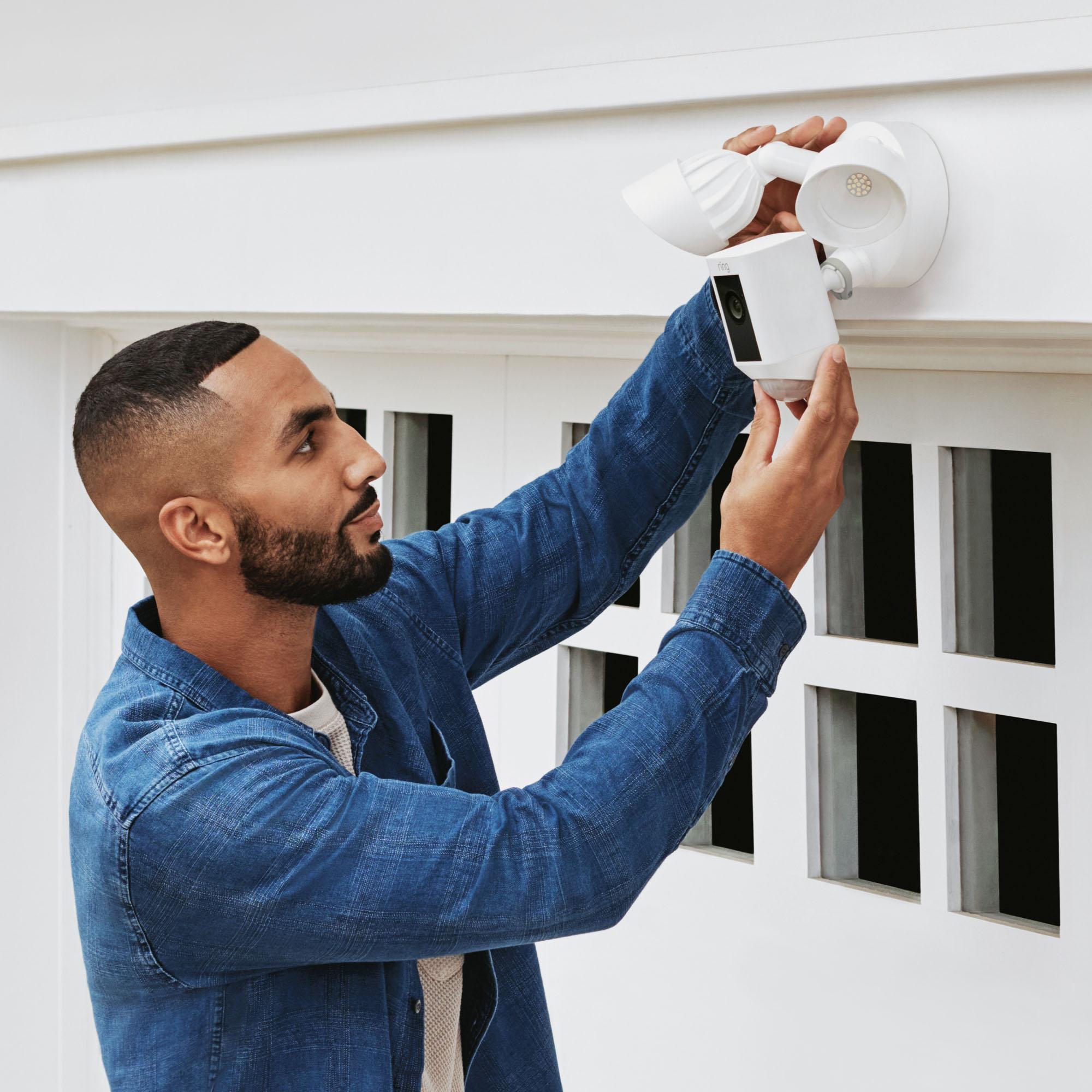
You can never be too prepared when it comes to your home. And with our schedules busier than ever, we could do without home security worries.
Which is why over 5 million UK homes have turned to home security cameras to put their minds at ease. Whether you’re protecting against parcel thieves or thinking, “what is my dog doing right now?” smart cameras are a no-brainer.
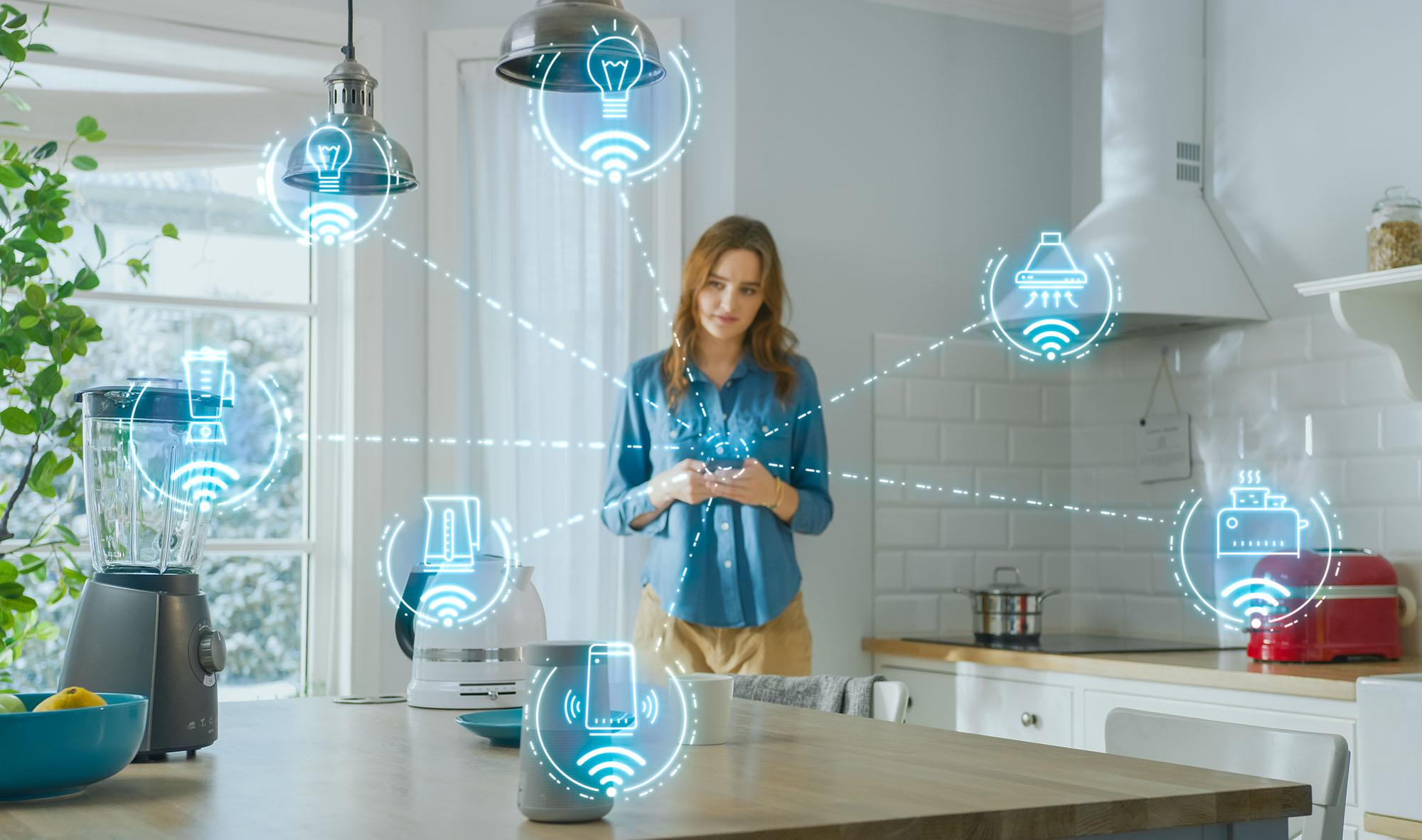
But security cameras aren’t one size fits all. There’s a huge choice of devices to capture images indoors, outdoors, or from your doorbell. Then there are loads of helpful features - from AI alerts to customisable privacy zones. You can even make them work with smart home assistants like Google Home, Alexa and Apple HomeKit.
So this guide will take you through the different specs and features to help you find the picture-perfect security camera for your home.
What to look for when buying a home security camera
Resolution – how does the image look?
Higher resolution devices will take your recordings from shabby to sharp, meaning you’ll have clearer images should you ever need to report anything suspicious.
Our cameras range from HD 1080p resolution, to 2K Full HD, up to 4K Ultra HD.
1080p cameras tend to be more budget-friendly and take up less storage, but might not give you the clearest images.
2K cameras have a nice balance of clear image quality and storage, making them a great option for general use.
4K cameras show you much higher detail, even when you zoom in – however, the price will be steeper, and you’ll need more storage.
AI detection – can it tell what’s what?
You don’t need to be alerted every time a car drives past or a cat walks by. With AI detection, these moments are filtered out, so you’re only notified of the things that matter.
The more advanced models can even recognise familiar faces and track their movements around the house. That way you can be sure your family are actually doing what they say they’re doing!
Field of view – can it see where you need it to?
There’s no use getting a camera that doesn’t show the full story. Whether you want it to cover a narrow angle inside a shed, or a panoramic view your garden, make sure your camera covers it all.
Security cameras measure field of view in degrees, which describes the angle it can see. Narrow fields of view are typically between 40° to 90° and are best for specific points like hallways or entry points to your house. Whereas wide-angle cameras cover over 100°, meaning they are better suited for larger areas like car parks or big outdoor spaces.
Battery, wired or solar – does it have the power?
Security cameras can be powered by different sources, so it’s key to work out which one suits you.
A wired camera is a great low maintenance option. Once it’s installed, you don’t need to worry about it running out of charge or accessing it again to replace batteries.
Wireless battery powered models aren’t connected to the mains so won’t add to your electricity bill.
Solar powered models are a great option, but you need to make sure the panel receives enough light during the day to function properly.
Local storage vs cloud subscription – does it pay to subscribe?
Ring and Nest cameras offer a subscription service which gives you access to a range of additional features at a monthly cost. This includes cloud storage, where you can save and easily access your recordings.
Alternatively, you can opt for a non-subscription model such as a Eufy which might be better if you don’t want to pay monthly. The trade-off is that you won’t get access to as many advanced features.
Waterproof ratings – can it weather the storm?
If you’re planning to put a security camera outside, you need to be prepared for all the unpredictability of UK weather. Outdoor cameras tend to be more robust and durable, and their waterproof ratings tell you what conditions they can handle.
Security cameras tend to fall within three weatherproof ratings.
IP65 provides light protection, so works best in sheltered areas.
IP66 is standard protection, and is safe in heavy rain.
IP67 has the highest protection, so can withstand storms, snow and dust.
Smart assistant compatibility – can it sync up to your system?
If you are already the owner of a smart home assistant such as Alexa or Google Home, some security cameras offer a compatible connection to help you create an intelligent home security system.
Use voice commands to check your cameras and set up responses to other areas of your home if an alert is triggered. Like turning on lights when motion is detected or working with your security system to lock doors automatically.

Night vision
When you’re asleep, make sure your camera is wide awake. Even in low light settings, night vision features deliver detailed images of the outside world. Cameras with night vision are usually able to see between 10 to 30 metres in the dark. They’ll also range from black and white images to colour night vision, so you won’t have to guess what you’re looking at.
Privacy zones & two-way audio
Lots of modern security cameras let you customise what you want to see and set up privacy zones for what you don’t. That way you only get smartphone alerts when movement is detected in certain places. And not when your neighbour is walking up their front drive. And with two-way audio, you can speak with visitors at your property at the touch of a button.
Our 2026 security camera picks
Best outdoor security cameras
If you want to monitor your garden or driveway, night vision will help you see what’s really going on. The TP-Link Tapo has 2K video resolution and colour night vision, so you’ll get a clear picture day and night.
The Ring Spotlight Plus is also a great option, with Full HD quality and colour night vision. Plus, it’s equipped with 2 LED spotlights which switch on when they sense movement. So you can greet the visitors you’re expecting, or use the siren to scare off the ones you’re not.
Best indoor security cameras
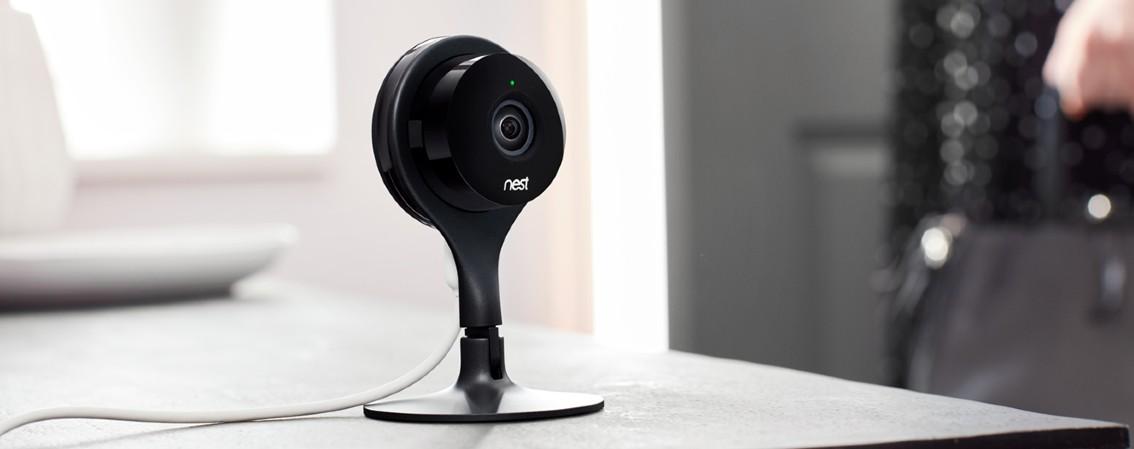
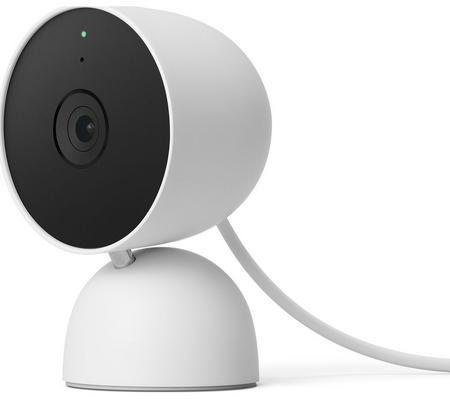
It’s important to know what’s happening inside your home. Whether you need to verify your family’s whereabouts or double check you switched the oven off. Smart AI motion detection sends updates straight to your phone, so you can always stay in the loop. The Google Nest Cam lets you customise what kind of updates you receive, so you’re only notified about the important bits.
Don’t fancy being on camera when you get back home? Enable privacy mode on the EUFY C220 to turn the camera away to a pre-set point. And when you’re away, take a look around with the 360-degree view without any blind spots.
Best video doorbell cameras
With doorstep parcel theft a growing concern across the UK, it’s no surprise more of us are investing in a doorbell camera. It’s good to always know who’s at your door with the two-way audio feature, which lets you talk directly to visitors from your phone. The Ring Doorbell Plus has a 2-way talk feature, so you can safely arrange parcel deliveries or let guests know you’re on your way.
Best wireless and battery-powered cameras
If you’re looking for a renter-friendly option, wireless and battery-powered cameras are a good idea. The Ring Outdoor Cam Plus is easy to install, without the need for an electrician or any deposit-damaging changes to your home. The camera is wall mountable, so no need for drills or an engineering degree. And the quick release battery pack means it’s simple to replace and recharge batteries when you need to.
Best budget friendly security cameras
There’s no need to compromise on your home security, even if you’re looking to spend a bit less. The Blink Mini is a small but handy option for inside your home. It includes HD night vision and two-way audio, which you’d likely see on pricier models. You can receive motion alerts and access the live view for free. But to save and share your recordings, you’ll need to opt for the monthly subscription.
What’s next?
For more smart home tips and tricks, check out our Smart home buying guide.
FAQs
Do home security cameras work without WiFi?
Yes. Some cameras record to local storage (like SD cards) or use wired systems (CCTV/DVR). You won’t get live remote viewing without WiFi though.
Are wireless security cameras reliable in winter?
Mostly yes, but cold weather can reduce battery life. Look for cameras rated for low temperatures if you’re in a colder area.
Which home security camera is best without a subscription?
Brands like Eufy and Reolink are popular because they offer local storage with no monthly fees.
How long do battery security cameras last?
Typically 1-6 months per charge, depending on usage, motion detection frequency and weather.
Can security cameras reduce home insurance costs?
Sometimes. Some insurers offer small discounts if you have a monitored security system, but cameras alone don’t always qualify.
Where is the best place to install home security cameras?
Key spots: front door, back door, driveway, and any blind spots or easy entry points. Indoors, place them in main living areas (not private spaces).
Are home security cameras legal in the UK?
Yes, but you must follow privacy laws. In the United Kingdom, avoid filming public areas or neighbours’ property without good reason, and follow Information Commissioner’s Office guidance.