
How to choose the right health & wellness tools

Health and wellness devices can help you monitor your health, improve your sleep, manage seasonal changes and support recovery at home. From blood pressure monitors and hearing amplifiers to SAD lamps, smart scales and massage devices, this guide explains how they work, who they're best for and what results you can realistically expect.

C
Written by Currys Health, Beauty & Wellness tech experts
Tried & tested tech
Updated September 2026

Blood pressure monitor, hearing amplifier, SAD lamp or massage device?

An upper arm blood pressure monitor with cuff
Upper arm blood pressure monitor

An electronic monitor that measures blood pressure using a cuff worn on the upper arm. It provides systolic and diastolic readings and is the most widely recommended format for home monitoring.

✦ Best for:

Home blood pressure monitoring, managing hypertension with GP guidance and tracking readings over time.

✦ Limitations:

Readings can be affected by cuff size, body position, stress and recent activity. It helps monitor blood pressure but doesn't treat high blood pressure.

Shop blood pressure monitors
A wrist blood pressure monitor
Wrist blood pressure monitor

A more compact blood pressure monitor worn around the wrist instead of the upper arm. It's useful for travel and easy to store because of its size.

✦ Best for:

People who find upper arm cuffs uncomfortable or difficult to use.

✦ Limitations:

Wrist position has a bigger impact on accuracy, so results can be less reliable than upper arm monitors if not used correctly.

Shop blood pressure monitors
A hearing amplifier worn in the ear
Hearing amplifier

A wearable device that makes surrounding sounds louder. Unlike a clinical hearing aid, it amplifies all sounds rather than being programmed to an individual's hearing profile.

✦ Best for:

Mild situational hearing difficulties, such as conversations or TV listening.

✦ Limitations:

Not intended to replace a medical hearing aid for diagnosed hearing loss. If you think your hearing is deteriorating, speak to a GP or audiologist.

Shop hearing amplifiers
A SAD lamp used for light therapy
SAD Lamp

A bright light therapy lamp designed to simulate natural daylight during darker months.

✦ Best for:

People who notice changes in mood, energy levels or sleep during autumn and winter. Symptoms associated with Seasonal Affective Disorder (SAD).

✦ Limitations:

Results vary from person to person. You'll need to use these lamps regularly to see any changes. Plus, lower-spec lamps may be less effective. NB: SAD lamps don't produce vitamin D.

Shop SAD lamps
A smart body composition scale
Smart body composition scale

A connected scale that measures weight and estimates additional metrics such as body fat percentage, muscle mass and hydration.

✦ Best for:

People tracking long-term fitness, health or weight-management goals.

✦ Limitations:

Body composition readings are best used to track trends over time rather than as precise clinical measurements.

Shop smart scales
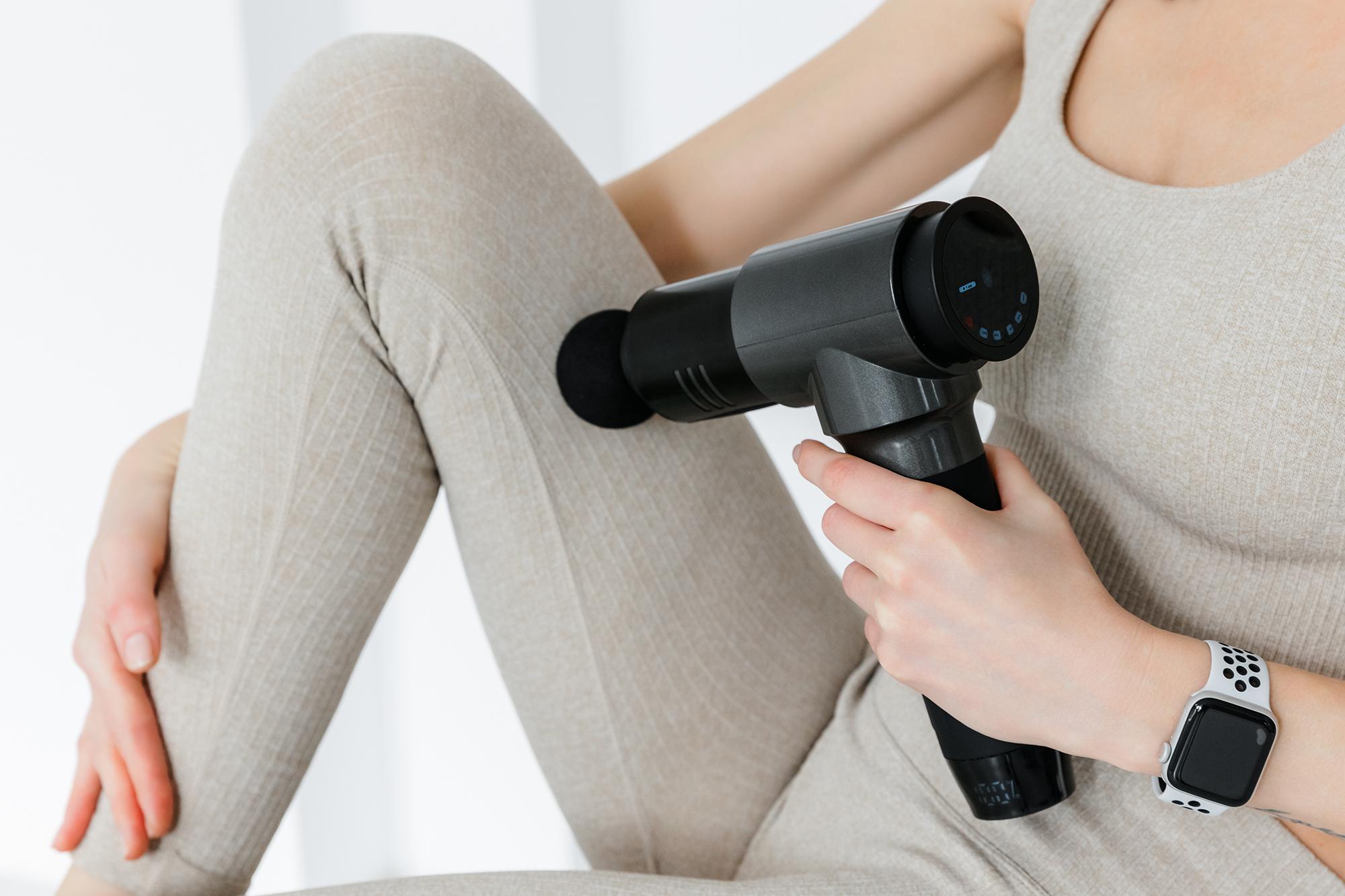
A handheld massage gun
Massage gun

A handheld device that uses rapid pulses to massage muscles and help reduce feelings of tightness after activity.

✦ Best for:

Exercise recovery, easing muscle soreness and improving pre- or post-workout routines.

✦ Limitations:

Not intended to treat injuries or medical conditions. Avoid use on joints, bones and the spine.

Shop massage guns
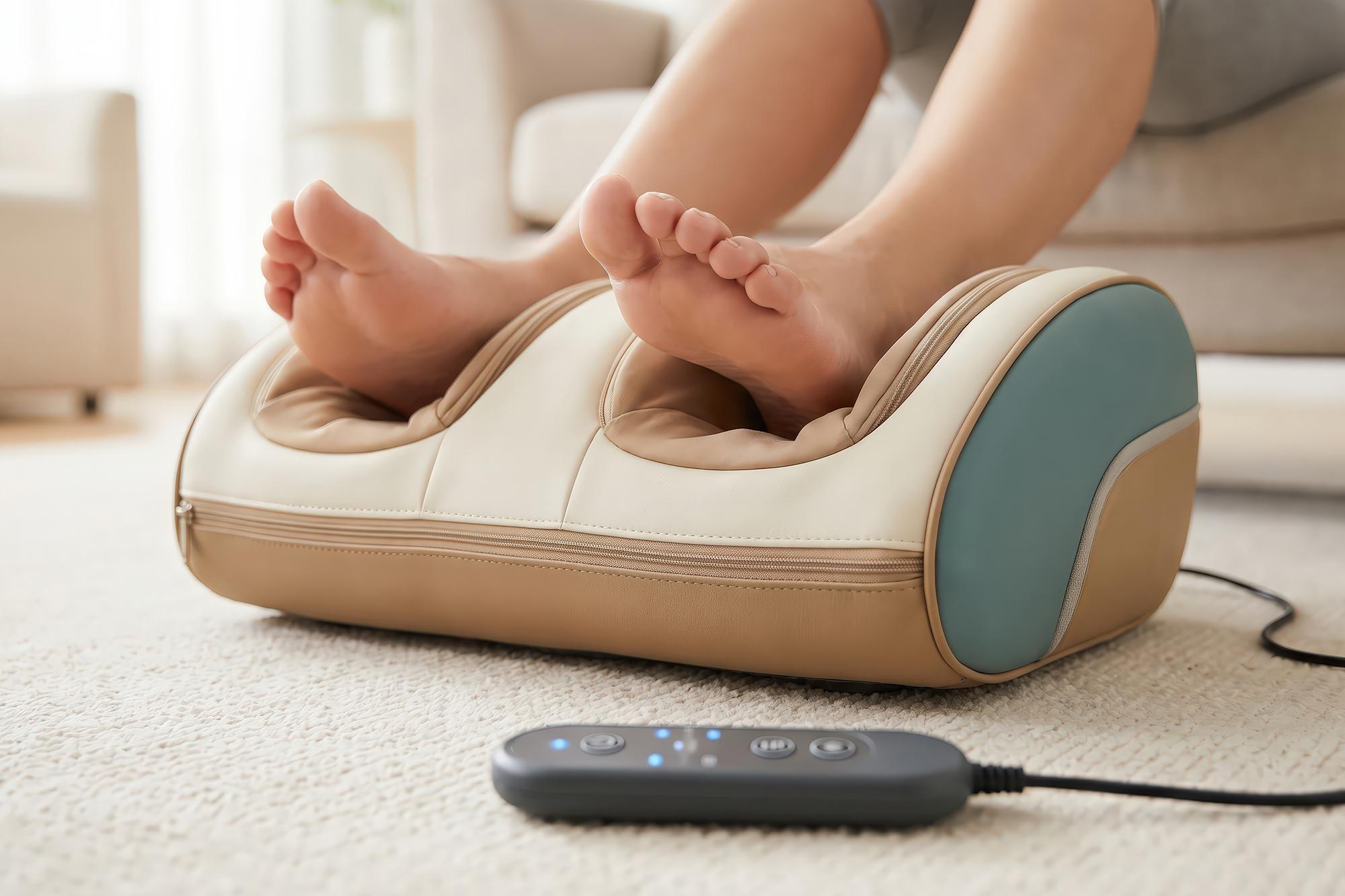
A foot and leg massager
Foot & leg massager

A powered massager that uses rolling, kneading, vibration, compression or heat to soothe tired feet and legs.

✦ Best for:

Aching feet, long days on your feet and post-exercise relaxation.

✦ Limitations:

If you have diabetes, neuropathy or circulatory conditions, seek medical advice before use.

Shop foot & leg massagers

"When it comes to health and wellbeing I always recommend seeking advice from a professional before purchasing a device. They can help you understand what is going on and what the most appropriate line of treatment is. From personal experience, when used correctly, consistently and for the right reasons, health and wellness products can make a real difference to quality of life."

How to choose the right health & wellness device

The best health and wellness device for you is all about the result you're looking for. Start with the problem you want to solve rather than the technology itself and you'll narrow your options down quickly.

1
What outcome are you looking for?
Goal Best device type Why
Monitor blood pressure at home Upper arm blood pressure monitor Generally considered the most accurate option for home monitoring
Hear conversations or TV more clearly Hearing amplifier Boosts surrounding sounds in specific situations
Manage winter low mood and low energy SAD lamp Delivers bright light therapy during darker months
Track weight and body composition Smart scale Gives weight data plus body-composition trends
Recover after exercise Massage gun Helps tackle muscle tightness and soreness
Soothe tired feet and legs Foot & leg massager Designed for comfort and relaxation

Expert tip: Think about when you'll use it, not just what it does. A blood pressure monitor that's easy to read, or a massage gun that's light enough to use comfortably, is more likely to become part of your routine.

2
How much effort are you willing to put in?
Commitment level Best fit
Low Foot massager, hearing amplifier
Medium Smart scales, massage guns
Higher Blood pressure monitors, SAD lamps used as part of a regular routine

The products that deliver the biggest long-term benefits are often the ones that become part of your routine. A great device used regularly tends to beat an advanced one that's rarely switched on.

3
Which features actually matter?

Every device has those key features that are well worth prioritising. Here's what we recommend...

Device Worth looking for
Blood pressure monitor BIHS validation, memory storage, cuff compatibility
Hearing amplifier* Noise reduction, comfort, rechargeable battery
SAD lamp 10,000 lux output, medical certification
Smart scale App compatibility, multi-user support
Massage gun Noise level, battery life, attachment variety
Foot massager Heat, kneading functions, air compression

Expert advice: Medical certification, something you find comfortable and easy to use generally matter most. If a feature won't change how you use the device, it may not be worth paying extra for.

*Hearing amplifiers aren't suitable for children, or people with severe or profound hearing loss, single sided deafness, hearing loss accompanied by pain, discharge, dizziness or sudden on-set or for those with a history of ear surgery or ear canal abnormalities.

4
What results should you realistically expect?
Device Realistic expectation
Blood pressure monitor Reliable readings when used correctly
Hearing amplifier Easier listening in some situations, not restored hearing
SAD lamp Potential improvements in mood and energy after consistent use
Smart scale Useful trends rather than perfect body-fat measurements
Massage gun Reduced muscle tightness and improved recovery comfort
Foot massager Temporary relief from aching feet and legs

Building a healthy routine

A good wellness device supports your routine. It doesn't replace professional healthcare, but it can make looking after yourself easier and more consistent. To build a lasting habit, start with one small change at a time. Decide exactly when you'll use your device, such as checking your blood pressure before breakfast. Aim to repeat the habit at the same time and in the same context whenever possible. The more consistently you use a wellness device, the more likely it is to become a natural part of your routine. Small actions repeated regularly are often easier to maintain than making lots of changes at once.

Are Health & Wellness devices worth it?

Health and wellness devices are worth it when they solve a specific problem and become part of your routine. A blood pressure monitor won't improve your health on its own. Just as a massage gun won't magically fix sore muscles. But the right device, used consistently, can make monitoring, recovery and wellbeing easier to manage at home.

Success icon When these devices are worth it

  • Blood pressure monitors: You've been advised to monitor your blood pressure at home and want reliable readings between GP appointments.
  • SAD lamp: You experience lower mood, energy or motivation during the winter months and want to try light therapy.
  • Massage gun: You exercise regularly and want help managing muscle soreness and recovery. To get the most out of it, check out our Massage gun technique demo.
  • Smart scale: You want to track long-term changes in weight and body composition rather than relying on guesswork.
  • Foot massager: You spend long hours on your feet and want a simple way to relax at the end of the day.
  • Hearing amplifier: You're looking for practical support with everyday hearing challenges, such as TV listening or conversations.

Warning icon When they may not be worth it

  • You're expecting a device to diagnose, treat or cure a medical condition.
  • You're unlikely to use it regularly once the novelty wears off.
  • You're buying a product because it has lots of features rather than because it solves a real problem for you.
  • You need professional medical support rather than home monitoring or wellness technology.
Info iconWhat determines value: Choosing the right type of device, buying the specification that genuinely matters and having realistic expectations about the results. There's a big difference between a consumer wellness device and clinical medical equipment. The kind of devices you can buy at a retailer are no substitute for professional grade medical equipment.
Infographic titled 'Light therapy - SAD lamp', showing an illustration of a person sitting at a desk in front of a light therapy lamp, with a plant, mug and notebook nearby. Text explains that a light therapy lamp emits bright light used for a set time in the morning to help regulate the body clock (circadian rhythm) and support mood through darker months. Three icons highlight bright light (~10,000 lux), use in the morning, and helping regulate the body clock. A note states this is not a substitute for medical treatment and to see a GP if low mood persists, with a disclaimer that the lux figure is provisional.

What to consider before you buy

Choosing the right health and wellness device is often less about the technology and more about how you'll use it. Before comparing products, think about these factors first.

What are you trying to improve?

Different devices are designed for completely different outcomes. Blood pressure monitors help you track readings, smart scales help monitor progress, while recovery devices focus on comfort and muscle relaxation. Knowing your goal will make choosing much easier.

How often will you use it?

Take SAD lamps for example. A cheaper product that's used every day often delivers more value than a premium model that's rarely switched on. Think honestly about how much effort you're willing to put in and how naturally a device fits into your routine.

Are certifications more important than features?

For some categories, they definitely are. Blood pressure monitors should prioritise accuracy and validation, while SAD lamps should meet appropriate light-therapy standards. Fancy features are great, but only after the fundamentals are covered.

Do you need tracking and app connectivity?

Apps can make it easier to spot long-term trends, especially with smart scales and some blood pressure monitors. But if you're unlikely to check the data regularly or share it with a physician, a simpler model may offer better value.

Are there any health considerations?

Some wellness devices aren't suitable for everyone. People with hearing concerns, circulatory conditions, diabetes, pacemakers or ongoing medical issues should always check with a healthcare professional whether a device is appropriate before use.

Will you use the features you're paying for?

Many people end up using only a small fraction of the features available. Focus on the things that will genuinely improve your experience rather than choosing the device with the longest list of features.

Common mistakes

Even the best health and wellness device can disappoint if it's bought for the wrong reason or used in the wrong way. These are some of the most common mistakes we see.

✕
Choosing a wrist blood pressure monitor for convenience alone
Wrist monitors are more compact, but they're generally more sensitive to positioning than upper arm models.
✓
How to avoid:
Choose an upper arm monitor wherever possible unless a wrist design is better suited to your circumstances. Check the BIHS validated device list before buying.
✕
Buying a hearing amplifier when you need a hearing assessment
Hearing amplifiers can help in certain situations, but they're not a replacement for a clinical hearing aid.
✓
How to avoid:
If you suspect hearing loss, speak to a GP or audiologist before purchasing.
✕
Expecting a SAD lamp to work immediately
Light therapy can be effective, but it usually requires consistent use over time. Studies suggest 10,000 lux at the correct distance for 20–30 minutes daily.
✓
How to avoid:
Follow the manufacturer's guidance and give the device several weeks before deciding whether it's helping.
✕
Focusing on body fat readings instead of long-term trends
Body composition measurements naturally fluctuate due to hydration, exercise and time of day.
✓
How to avoid:
Measure under the same conditions every time (morning, after the bathroom, before eating, same surface) and focus on trends across weeks and months.
✕
Using a massage gun on joints or bones
Massage guns are designed for muscle tissue, not hard structures like the spine, sternum, knees and elbows.
✓
How to avoid:
Use the device on soft muscle groups only and start on lower power settings.
✕
Buying for features instead of outcomes
It's easy to get distracted by impressive specifications.
✓
How to avoid:
Start with your goal, then choose the device type that best supports it.
✕
Taking blood pressure readings inconsistently
Blood pressure naturally varies through the day. Single readings taken at different times, positions or after exercise create unnecessary anxiety.
✓
How to avoid:
Sit quietly for five minutes, measure at the same time each day. Take two or three readings one minute apart and use the average. Share a log with your GP rather than individual numbers.
Infographic titled 'Massage gun safety areas', showing a massage gun beside a body diagram marking safe and unsafe zones for use. Safe areas (green tick) include the shoulders, traps, either side of the spine, quads, glutes, hamstrings, calves and forearms. Areas to avoid (red cross) include the throat and front of neck, kidney, lower back and directly on the spine. A side panel lists other areas to avoid — joints, directly on any bone, injured areas, inflamed areas and varicose veins — with a note to avoid the abdomen during pregnancy and check with a professional if you have a medical condition..

Health & wellness glossary

Amplitude

The distance a massage gun head travels during each pulse. Higher amplitude generally means deeper massage action.

BIA

Bioelectrical Impedance Analysis is the technology used by many smart scales to estimate body composition metrics such as body fat percentage. It's useful for tracking trends rather than producing clinical-grade measurements.

BIHS

The British and Irish Hypertension Society is an organisation that independently validates blood pressure monitors for accuracy. Choosing a validated device can give you greater confidence in your readings.

DOMS

Delayed Onset Muscle Soreness is the muscle ache that commonly appears a day or two after exercise. Massage guns are frequently used to help manage it.

Lux

Lux is a measurement of light intensity. For light therapy, the lux rating is one of the most important specifications to check.

Lymphatic drainage

The body's natural process of moving excess fluid through the lymphatic system. Some recovery and massage devices are designed to support this process through compression or massage techniques.

PSAP

PSAP stands for Personal Sound Amplification Product. It's the technical term for a hearing amplifier.

SAD

Seasonal Affective Disorder is a form of depression that follows a seasonal pattern, most commonly during autumn and winter. SAD lamps are designed to support light therapy routines during these periods.

Wake-up light

A device that gradually increases light before your alarm time to mimic a natural sunrise and make waking up feel more gradual.

White coat syndrome

A rise in blood pressure caused by the stress or anxiety of a clinical setting. This is one reason healthcare professionals often recommend home monitoring.
Health & Wellness FAQs

Blood pressure monitors

    Are arm or wrist blood pressure monitors more accurate?

    Upper arm blood pressure monitors are generally considered more accurate for home use. It's always worth checking with the BIHS blood pressure monitor list to be sure. They're less affected by positioning and are the format most commonly recommended by healthcare organisations. Wrist monitors can still be useful, but they require more precise positioning to deliver reliable readings.

    What does BIHS validated mean?

    BIHS validation means a blood pressure monitor has been independently tested against recognised accuracy standards by the British & Irish Hypertension Society. It's one of the strongest indicators that a monitor is suitable for home blood pressure monitoring.

    How do I use a blood pressure monitor correctly?

    Sit quietly for five minutes with your back supported and feet flat on the floor. Place the cuff on bare skin at the correct height (usually mid-upper arm). Keep the arm still and at heart level. Take two or three readings one minute apart and use the average. Measure at the same time each day for the most meaningful picture.

    My home reading is different from my GP reading. Is that normal?

    Yes. Stress, timing and environment can all influence blood pressure readings. Many people record higher readings in clinical settings, often referred to as "white coat syndrome".

    Can I take a blood pressure monitor on a plane?

    Yes. Most automatic blood pressure monitors are allowed in both hand luggage and checked baggage. If the device contains a lithium-ion battery, pack it in the cabin. Always check your airline's latest baggage policy before travel.

Hearing amplifiers

    What is the difference between a hearing aid and a hearing amplifier?

    Hearing aids are medical devices programmed to your specific hearing loss profile. They amplify only the frequencies where you struggle to hear, helping improve speech clarity and making conversations easier to follow. Hearing amplifiers (also known as PSAPs) make all surrounding sounds louder, including background noise. Currys stocks hearing amplifiers, which can be useful for mild situational hearing difficulties, such as following conversations in noisy places or hearing the TV more clearly. However, they are not suitable for diagnosed hearing loss, where a clinically fitted hearing aid from an audiologist is recommended.

    Will a hearing amplifier help my tinnitus?

    According to Tinnitus UK, a hearing amplifier may help some people notice their tinnitus less in certain situations by making external sounds, such as conversations or TV audio, louder. However, hearing amplifiers are not designed to treat tinnitus, and results will vary. If your tinnitus is linked to hearing loss, a clinically fitted hearing aid is often the better option. Hearing aids are programmed to match your hearing needs, which can improve access to everyday sounds and make tinnitus less intrusive. Some hearing aids also include dedicated tinnitus support features, such as sound therapy or sound generators.

    Can AirPods be used as hearing aids?

    Some newer AirPods Pro models have a hearing-aid style feature in recent iOS versions, but this is still distinct from a clinical hearing aid programmed to a full audiogram. It can help with mild amplification but is not a medical device for diagnosed hearing loss.

    Why do hearing aids whistle?

    A whistling or squealing hearing aid is usually caused by feedback. This happens when amplified sound escapes from the ear canal and is picked up again by the hearing aid's microphone, creating a loop. Common causes include an incorrect fit, earwax build-up, damaged tubing or domes. Or just setting the volume too high. If whistling persists, it's worth having the device checked and adjusted by an audiologist.

    Can you take hearing aids on a plane?

    Yes. Hearing aids can be worn throughout your journey and are safe to take on a plane. Most hearing aid wearers keep them in during the flight so they can hear announcements and conversations more clearly. If your hearing aids use rechargeable batteries, it's a good idea to carry charging equipment in your hand luggage and keep spare batteries with you if applicable.

SAD lamps

    Do SAD lamps actually work?

    Yes, bright light therapy has strong clinical evidence as a first-line treatment for Seasonal Affective Disorder. But only when the specification is right. The lamp must deliver 10,000 lux at the distance you sit from it, and you need to use it consistently for 20–30 minutes each morning. Cheaper lamps with lower lux ratings or no medical certification are the main reason some people see no benefit.

    What specification should I look for in a SAD lamp?

    Look for 10,000 lux at the recommended sitting distance (not a peak figure at an unrealistically close range) and look for MHRA registration. These two factors separate effective therapeutic devices from general bright desk lamps.

    Do SAD lamps help with vitamin D?

    No. SAD lamps use bright visible white light, not UV light. They do not stimulate vitamin D production in the skin. Vitamin D requires UV exposure or supplementation. If you are concerned about vitamin D levels, speak to your GP.

Smart scales

    Are body fat scales accurate?

    Body composition scales use bioelectrical impedance analysis (BIA), which provides useful directional data but is not as accurate as clinical DEXA scanning. Body fat readings can vary depending on hydration, time of day, temperature and recent exercise. They are best used for tracking trends over weeks rather than treating any single reading as a precise measurement.

    Why do my body fat readings change so much?

    Hydration, exercise, meals and even the time of day can influence measurements. Most of the variation is physiological, not a fault with the device. Measure under as identical conditions as you can every day for the most consistent trend data. Even then, small fluctuations are completely normal.

    Can people with pacemakers use body composition scales?

    It depends on the type of scale. Many body composition scales use a technology called bioelectrical impedance analysis (BIA), which sends a very small electrical current through the body to estimate metrics such as body fat, muscle mass and body water percentage. Because of this electrical current, manufacturers commonly advise people with pacemakers or other implanted medical devices not to use the body composition measurement function. The current is very low, but there is a potential risk of interference with the implanted device. If you have a pacemaker, it's best to follow the guidance provided by your doctor and the pacemaker manufacturer.

Massage & recovery

    Do massage guns actually work?

    For many people, massage guns can help reduce feelings of muscle soreness and tightness after exercise. There's evidence that percussive massage guns reduce delayed onset muscle soreness (DOMS) and improve local blood flow after exercise. Evidence for deeper therapeutic claims (like injury treatment) is more limited. But used correctly on soft muscle tissue, they can be a handy recovery tool.

    Can I use a massage gun during pregnancy?

    Most healthcare professionals advise caution, particularly in the first trimester and over the abdomen, lower back and legs. Consult your GP or midwife before using a massage gun during pregnancy. The safest approach is to wait until you have specific guidance for your situation.

    Can you use a massage gun anywhere on your body?

    No. Massage guns are designed for larger muscle groups and should generally be used on areas such as the shoulders, traps, forearms, glutes, hamstrings, calves and the muscles either side of the spine. Avoid using a massage gun on the throat, the front of the neck, directly on the spine, joints, kidneys, injured or inflamed areas and varicose veins.

    Are electric foot massagers safe for people with diabetes?

    People with diabetes, neuropathy or reduced circulation often have reduced sensation in their feet. This means thermal injury from heated massagers can go unnoticed. Always consult a GP before using an electrical foot massager if you have these conditions. If cleared, start on the lowest heat setting and check the skin after every session.

Travel

    Can I take these devices in hand luggage?

    Most health and wellness devices can travel in hand luggage, although battery-powered products may be subject to airline-specific rules. Always check with your carrier before flying.

More from TechTalk

How to use a massage gun

A step-by-step guide to using a massage gun safely, including the right attachments, speed settings and techniques for different muscle groups.

Read more
Electric foot massagers – good for circulation, neuropathy & tired feet?

A closer look at how electric foot massagers work, whether they can help with circulation or neuropathy symptoms, and how to choose the right type for tired, aching feet.

Read more

Find the right health and wellness tech for you

From blood pressure monitors and SAD lamps to massage devices, explore tech designed to support everyday wellbeing.

Shop health & wellness ›