

If you’re a regular Jamie Oliver in the kitchen (or you just love a home-cooked pizza) there’s no more important appliance than your oven. But there’s been a hot debate raging for years – which kind are better, gas or electric ovens?
With an electric oven you’ve got the ability to cook at a higher, more even heat than gas. There are benefits of a gas oven too though, from better energy efficiency to extra cooking control. But which is the right choice?
We’ll lay out the key differences between gas and electric ovens so you can pick the right one for you. Oven gloves at the ready!
Gas oven vs electric oven: the main differences
The clue is in the name. Gas ovens burn gas to create heat inside the oven. While most electric ovens use electrical heating elements, usually with a fan that moves hot air around the cavity. These differences change how they cook.
Gas ovens tend to be hotter at the top, as they don’t usually have fans to circulate the heat evenly. Electric ovens generally spread their heat more consistently, especially when they’re fan assisted.
Not sure which type you’ve already got? Check the connections. A gas model needs a gas supply and might have a visible gas pipe behind it. An electric one uses an electrical connection. Some higher-powered electric models also need a dedicated circuit rather than a standard plug.
Of course, you don’t have to stick to one fuel for the whole cooker. But more on that later.
Cooking in a gas oven vs electric: which has better performance?
For everyday cooking, electric ovens have one big advantage – even heat.
Lots of electric models are fan ovens. The fan moves hot air around inside the oven, rather than letting it gather at the top. This gives you more consistent results across the different shelves. And it also helps to cook food more evenly too.
Most gas ovens don’t have a fan. Instead, you’ll find that the top of the oven is hotter than the bottom. That’s not always a bad thing though. Once you get used to your oven, you can use those warmer heat zones for different kinds of dishes.
There’s another big difference too. Gas creates a more humid cooking environment, while electric ovens provide a drier sort of heat. That can really affect the way some foods brown, crisp up and bake.
Tech tip: Whichever type you have, it’s worth getting familiar with your oven symbols. They’ll tell you which cooking mode you’re using at any given time.

Difference between gas and electric oven temperatures
Gas ovens traditionally use something called ‘gas marks’. Electric ovens are usually set to degrees Celsius.
You’ll often see recipes list both. For instance, they might give one temperature for a conventional electric oven, another for a fan oven and a gas mark for gas ovens.
But you shouldn’t assume that the numbers are interchangeable. Fan ovens usually need a lower temperature than a regular oven does. That’s because their circulating air transfers heat differently.
Tech tip: Staring at a new recipe and wondering what Gas Mark 4 means? No worries. Our guide to oven temperature conversions is here to help!
Electric oven vs gas oven for baking: which yields better results?
Love to bake? An electric oven is usually the better option for unleashing your inner Nigella.
Because the fan moves hot air around the whole cavity, you get a more consistent temperature across the shelves. And that’s incredibly useful when you’re batch baking, whether that’s a tray of cookies or a dozen cupcakes. That’s because there’s less chance of one shelf cooking much faster than the another. So, they’ll all come out just as golden brown as each other.
Gas ovens also have a clever baking trick of their own. Burning gas creates water vapour, which makes the heat more humid. And that humidity is really good at stopping your dough from drying out too quickly. This means they’re ideal for making crusty bread and pizza, as the moist environment gives dough more time to rise before the outside forms its crust.

Running costs and efficiency: is a gas oven cheaper than an electric oven?
More often than not, yes. At the time of writing, gas costs much less per unit of energy than electricity does here in the UK. From 1 October to 31 December 2026, the Ofgem price cap average for customers paying by Direct Debit is 7.97p per kWh for gas and 26.32p per kWh for electricity. That’s quite a big difference!
But this doesn’t mean a gas oven will aways cost a set amount less than electricity. These costs are bound to go up and down. Plus, different ovens use different amounts of energy, and how often you cook matters too.
There are the upfront costs to think about as well. A gas oven needs the right gas connection and should be installed by a pro – ideally a qualified Gas Safe registered engineer. Then, for electric ovens (and their specific power rating), you might need to fit a dedicated 16- or 32-amp connection to get them up and running.
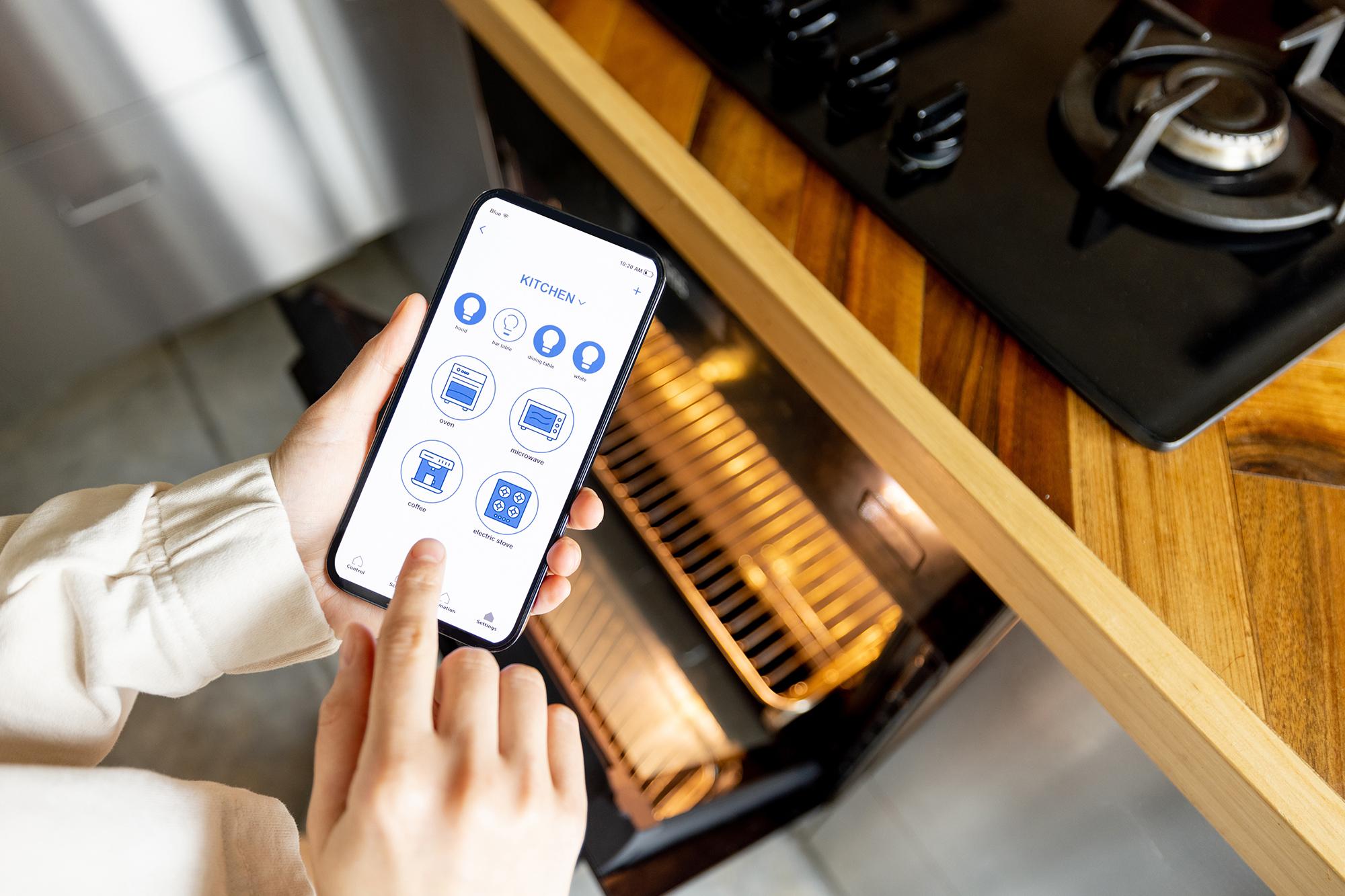
Tech tip: It’s also worth looking beyond the fuel type. Smart features that shorten or control cooking can affect your energy use. Sound interesting? Find out what a smart oven does here.
Gas oven vs electric oven pros and cons
Still weighing up your options? Here’s a quick side-by-side comparison…
| Gas oven | Electric oven | |
|---|---|---|
| Heat | More humid heat | Drier heat |
| Heat distribution | Can be hotter at the top | Usually more even, especially with a fan |
| Best for | Bread, pizza & cooks who know how to use different heat zones | Everyday cooking & dishes that need an even temperature |
| Baking | Moist heat can be useful for bread | Great for batch baking & delicate bakes |
| Fan assisted | Not usually | Common |
| Running costs | Gas currently has a lower unit price | Electricity currently has a higher unit price |
| Installation | Needs a suitable gas supply & professional installation | Electrical requirements depend on the oven |
| Main drawback | Less even heat can take some getting used to | Fuel can cost more per kWh |
Best of both worlds: gas hob and electric oven (dual fuel)
What if you like cooking with gas but prefer baking with electric? Simple. Combine them.
A dual fuel cooker pairs a gas hob with an electric oven. You get the visible flame and responsive controls of gas on top, plus the steady, even heat of electric cooking underneath. This makes dual fuel a handy middle ground if you like to cook lots of different dishes.
It isn’t right for every kitchen though. You’ll need the right gas and electrical connections. And, like a gas cooker, it needs a professional to come and fit it for you.

FAQs
What is a gas oven?
A gas oven uses natural gas as its main source of heat. The gas burns to heat the oven cavity, creating a cooking environment that’s very humid. Gas ovens generally don’t have fans, so the top can be hotter than the bottom.
What is an electric oven?
An electric oven uses electrical heating elements to cook your food. Many models also come with a fan that circulates hot air around the cavity. This helps to create a more even temperature, which is particularly handy for baking on several shelves.
Are gas or electric ovens better?
Neither gas or electric ovens are automatically better. Electric ovens pump out more even heat, which is useful for baking. Gas ovens produce more humid heat – and can cost less to run because gas currently has a lower unit price than electricity does.
How do I know if my oven is gas or electric?
To find out if your oven is gas or electric, check its connections and controls. A gas oven needs a gas supply pipe to work. On the flip side, an electric model uses an electrical connection. Higher-powered electric ovens might use a dedicated 16- or 32-amp circuit.
Are electric cookers safer than gas?
Electric ovens remove the need to burn gas in your kitchen. So, there’s no gas flame or gas supply to the oven to worry about. Gas appliances need to be installed properly by a qualified Gas Safe registered professional. Whichever type go end up going for, always follow the safety instructions that come with it.
Is a fan oven gas or electric?
A fan oven is usually electric. It uses a fan to circulate hot air around the cavity, giving you a more even temperature across the oven. Gas ovens usually don’t have fans, although the features available will depend on the model.
Does a gas oven take longer to cook?
Not necessarily. The cooking time depends on the model of oven, temperature, the recipe you’re rustling up and where the food is sat inside.
Need more advice?
Compare our best ovens or check out our buying guide for some extra guidance on all things ovens.