

Picking the best laptop for architecture students can feel a little daunting. Especially if you’re new to the subject. Compared to a traditional essay subject, architecture demands way more from a laptop. From running AutoCAD and Revit to handling huge 3D models and rendering visuals, you need a laptop that can keep up with the workload.
So, whether you’re off to do a course yourself or you’re buying for someone who is, this guide breaks down the top picks plus the must‑know specs.
If you want to explore more options, check out our range of the best student laptops.
What makes a great laptop for architecture students?
Architecture laptops sit in a strange spot. They need the colour accuracy and build quality of a creative workstation with the raw power of a gaming PC. So, if you’re studying for an architecture degree and you love gaming, it’s a bit of a two-for-one! But for anyone on a serious architecture course, this is what you’ll need:
High-level processing power for CAD and modelling
A dedicated GPU for real-time rendering
A colour-accurate display for presenting your work
Enough storage for massive project files
A build that survives daily studio use
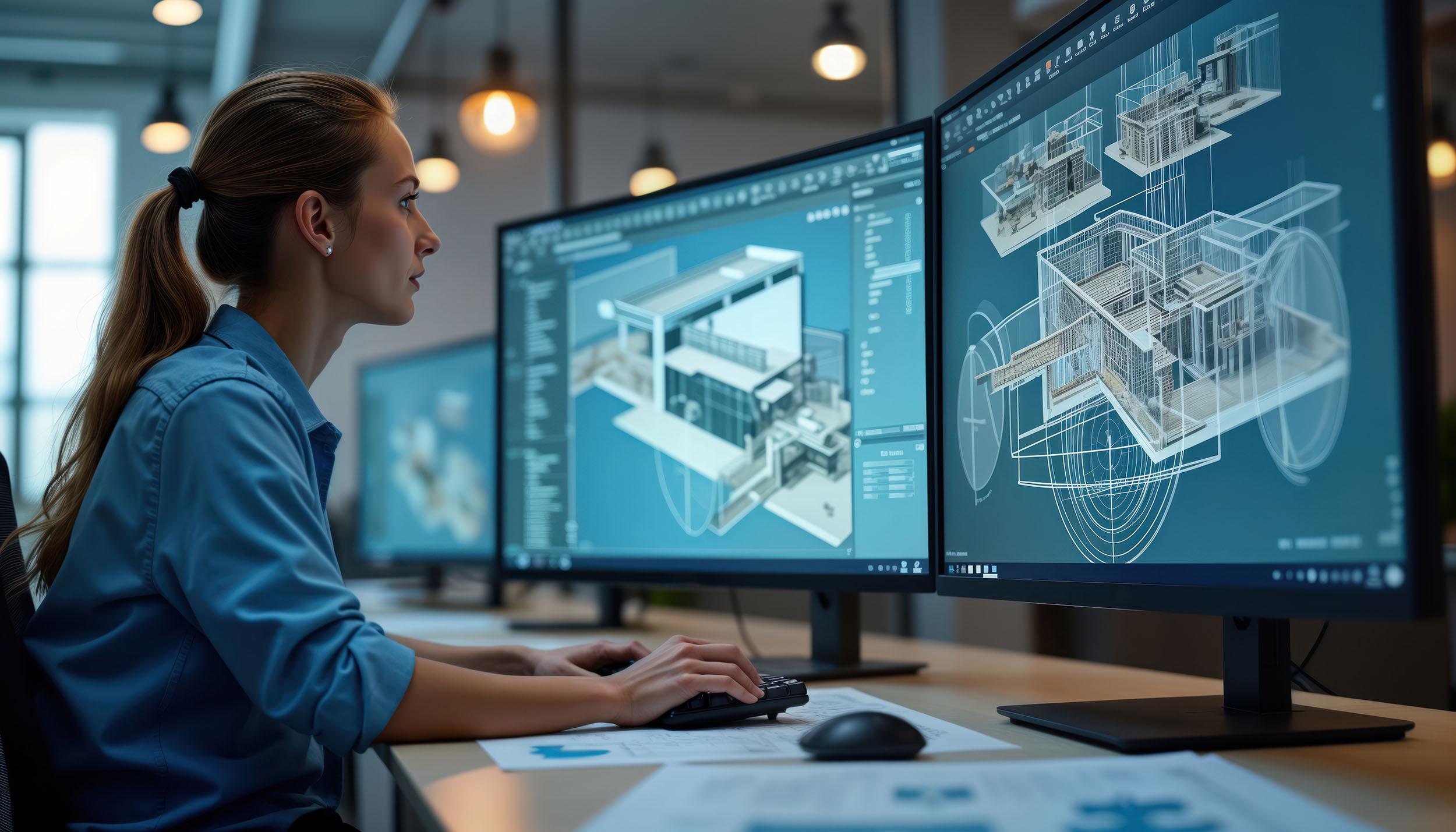
Architecture students can’t get by on just Microsoft Office! They’re required to run some really demanding software. That can include AutoCAD (for 2D drafting), Revit, SketchUp and Rhino (when you’re working in 3D). V‑Ray is a go-to for visualisation, and there are also rendering engines like Lumion and Enscape.
Plus, Adobe Creative Cloud or InDesign to make those presentations look pretty.
In short, you’re going to need some serious processing power. And this is why you need to consider CPU and RAM.
CPU and RAM
For architecture work, the processor and memory are where performance starts. Intel Core Ultra 7 or Core Ultra 9 or AMD Ryzen 7 / 9 chips are ideal for multitasking and handling complex models.
As for memory, aim for 16GB RAM minimum. Though 32GB or even 64GB is a safer long-term choice if you’re deep into rendering or juggling huge BIM files. If you need a tech refresher, check our guide to what is RAM.
GPU
A dedicated graphics card isn’t optional here. Architecture software uses the GPU for real-time walkthroughs, photorealistic rendering and handling high‑poly geometry. You’ll need a laptop with a capable GPU.
NVIDIA RTX graphics are the most common choice for students, so look for something from their 4000 or 5000 series.
In particular, look for VRAM, which is RAM just for the GPU’s use. 3D rendering requires loading large textures and models. 12GB-16GB VRAM is recommended to avoid render failures.

Best Windows workstation for architecture students
Model: ACER Swift X 14 AI 14.5" Laptop
Pros:
Runs all architecture software natively
Ryzen 7 & RTX 5060 is a great CPU/GPU combo
2.8K OLED screen perfect for accurate visuals
Cons:
- 11-hour battery life is lower than other models
A Windows workstation is the safest choice if your course leans heavily on Revit or 3ds Max. These laptops combine strong CPU performance with high‑end RTX graphics, making them perfect for rendering, computational design or large BIM workflows. They also usually offer great connectivity for external monitors and peripherals.
Check out more Windows laptops.

Best MacBook for architecture students
Model: MacBook Pro 16” (M5 Pro / M5 Max)
Pros:
Exceptional performance from M5 or M5 Pro chips
Stunning Liquid Retina XDR display
Up to 22 hours of battery life
Cons:
- Some Windows-only architecture apps don’t run natively
Apple’s top-end MacBook Pro continues to be a favourite for architecture students who love the display quality and smooth performance. The Liquid Retina XDR screen is brilliant for colour accuracy when you’re presenting concept renders or final boards.
While software like Revit still requires Windows (and therefore can’t run natively), the MacBook Pro handles modelling in Rhino, ArchiCAD, SketchUp and Adobe tools effortlessly.
Explore more MacBooks.


Other laptops for architecture students
These won’t be your machines for modelling or rendering, but they are great laptops for the more creative side of study. And as everyday laptops to carry around campus.
HP laptops
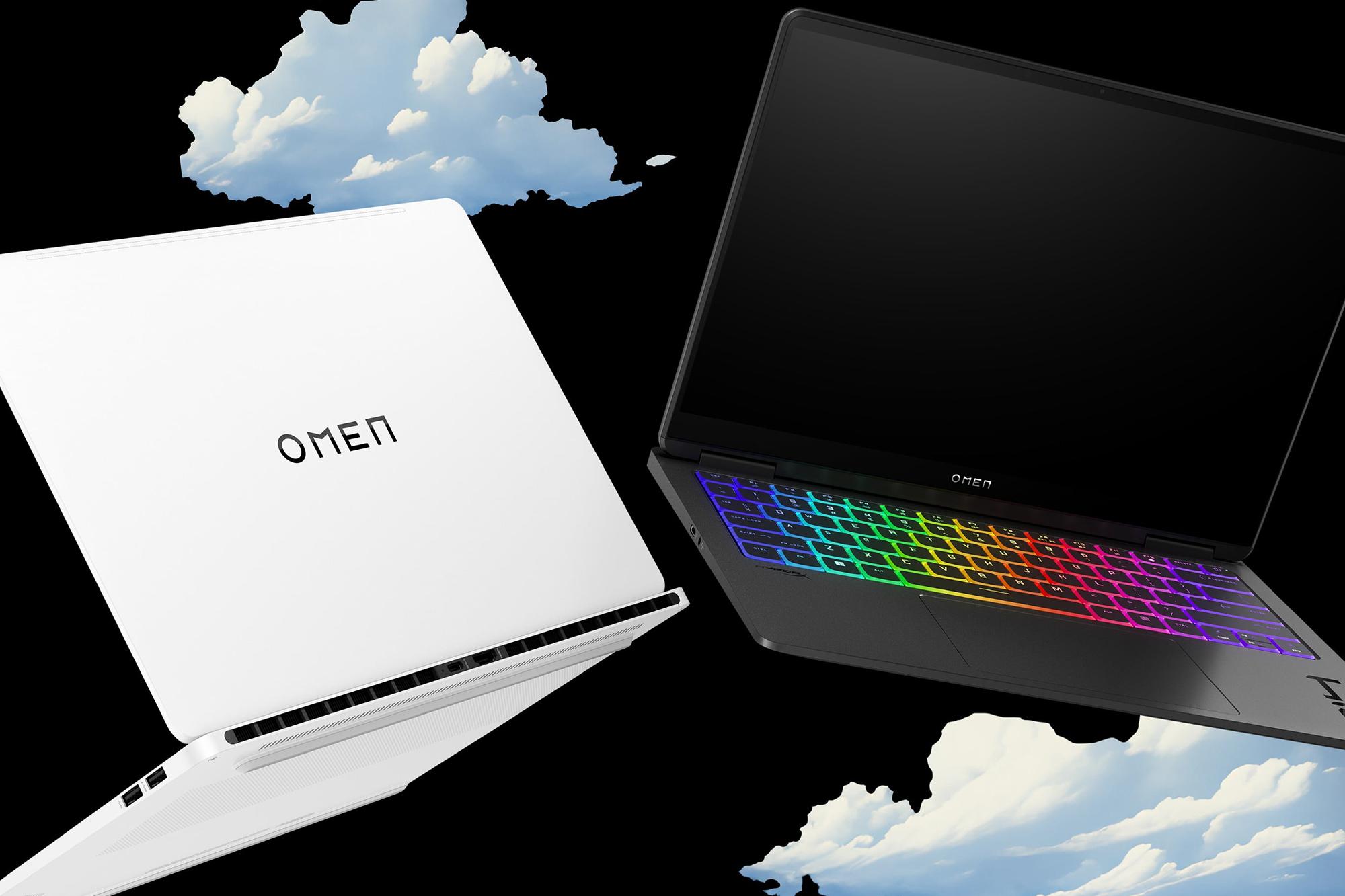
For a touchscreen display with a stylus for notes and sketches, check out HP OmniBooks. They have colour-accurate displays and sleek yet durable builds.
Check out our full range of HP laptops.
2-in-1 laptops
2-in-1 laptops shine when you’re creating concept sketches or working on the go. They may not be the best choice for rendering high‑poly 3D models, but for early design stages, digital sketching and reviewing plans during site visits, they’re incredibly versatile.
Learn more with our explainer: what is a 2-in-1 laptop?
Still thinking about it?
Finding the right laptop can genuinely transform your architecture workflow – from smoother modelling sessions to quicker render times and flawless presentations. If you’re still comparing options, explore our guide to the best student laptops or dive deeper into specs with our full Laptop buying guide.
FAQs
Which MacBook is best for architecture students?
The MacBook Pro with an M5 Pro or M5 Max chip is the strongest choice for architecture students, thanks to its speed, colour-accurate display and long battery life. It handles most modelling apps well, though some Windows‑only software won’t run natively.
How much RAM do I need for architecture?
Architecture students should aim for at least 16GB RAM, though 32GB is ideal if you’re working with large BIM files, detailed 3D models or doing a lot of rendering. More RAM keeps software running smoothly during heavy multitasking.
Which processor is best for architecture?
Intel Core Ultra 7/9 or AMD Ryzen 7/9 processors offer the best balance of power and efficiency for architecture workflows. They handle modelling, CAD tasks and rendering much faster than entry‑level processors.