

Cold therapy has officially gone mainstream. Once reserved for elite athletes, hardcore fitness enthusiasts and viral challenges, ice baths are now popping up in homes across the UK.
That’s all thanks to portable tubs, smart recovery pods and a growing wave of wellness tech. Whether you're chasing faster recovery, better sleep or just curious about the buzz, we’ll break down the science, the gear and how to get started safely.
What is cold therapy and why is it trending in 2025?
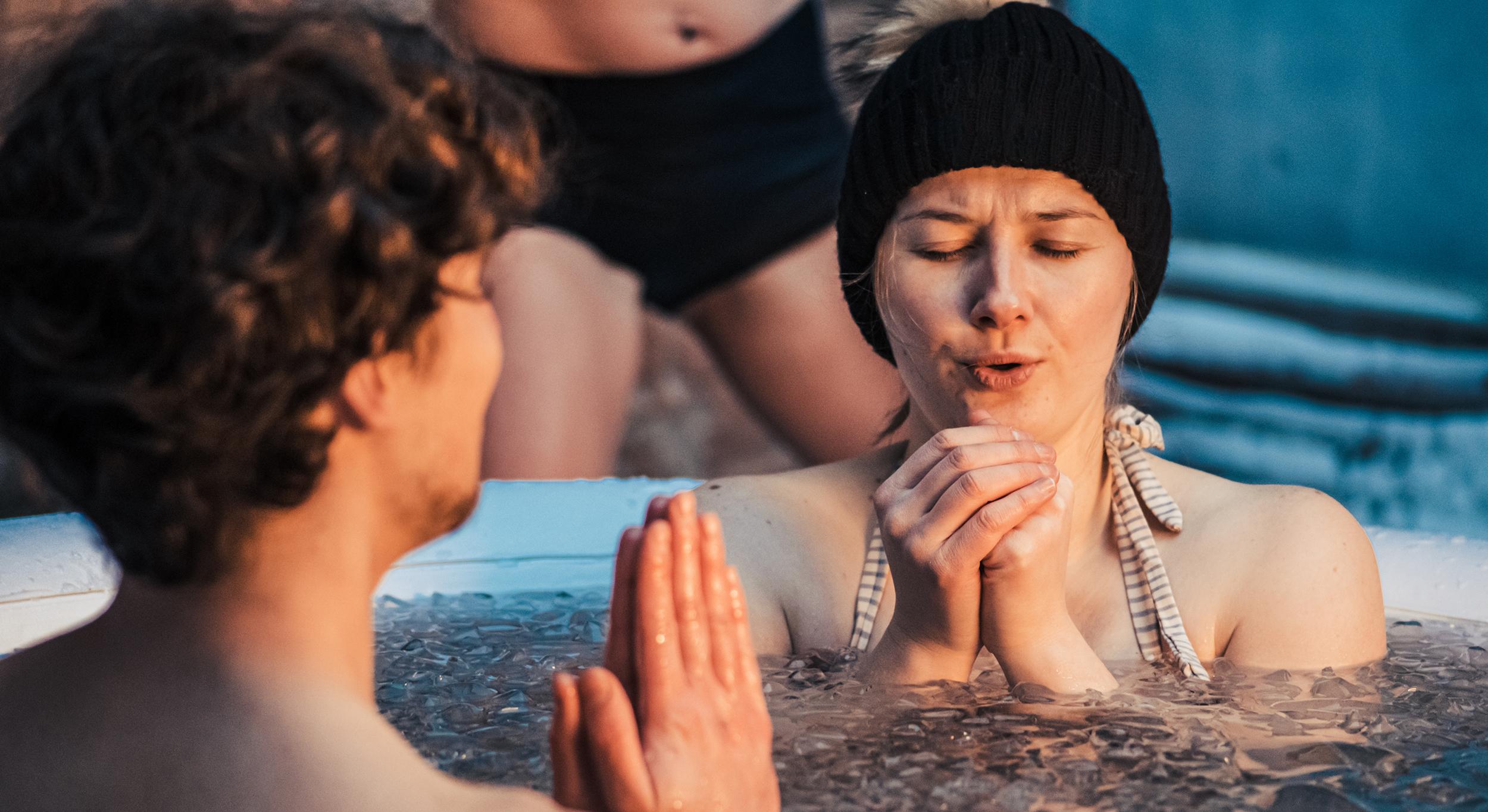
Cold therapy - also known as cold water immersion - is the practice of exposing your body to cold temperatures to trigger physical and mental health benefits. It started as a go-to recovery method for athletes, helping reduce inflammation and muscle soreness after intense workouts.
Now it’s a full-blown wellness trend. From track stars to TikTok influencers routinely plunging into icy tubs, cold therapy is everywhere. And it’s not just athletes and celebrities. People across the country are embracing the chill for its mood-boosting and energising effects.
Check out the latest ice baths available for home use.


Check out the latest ice baths available for home use.
The science-backed benefits of ice baths
So, what are the actual benefits of ice baths? Research shows that cold therapy can:
Reduce inflammation and muscle soreness
Speed up recovery after workouts
Improve circulation
Support better sleep
Boost mood and mental clarity
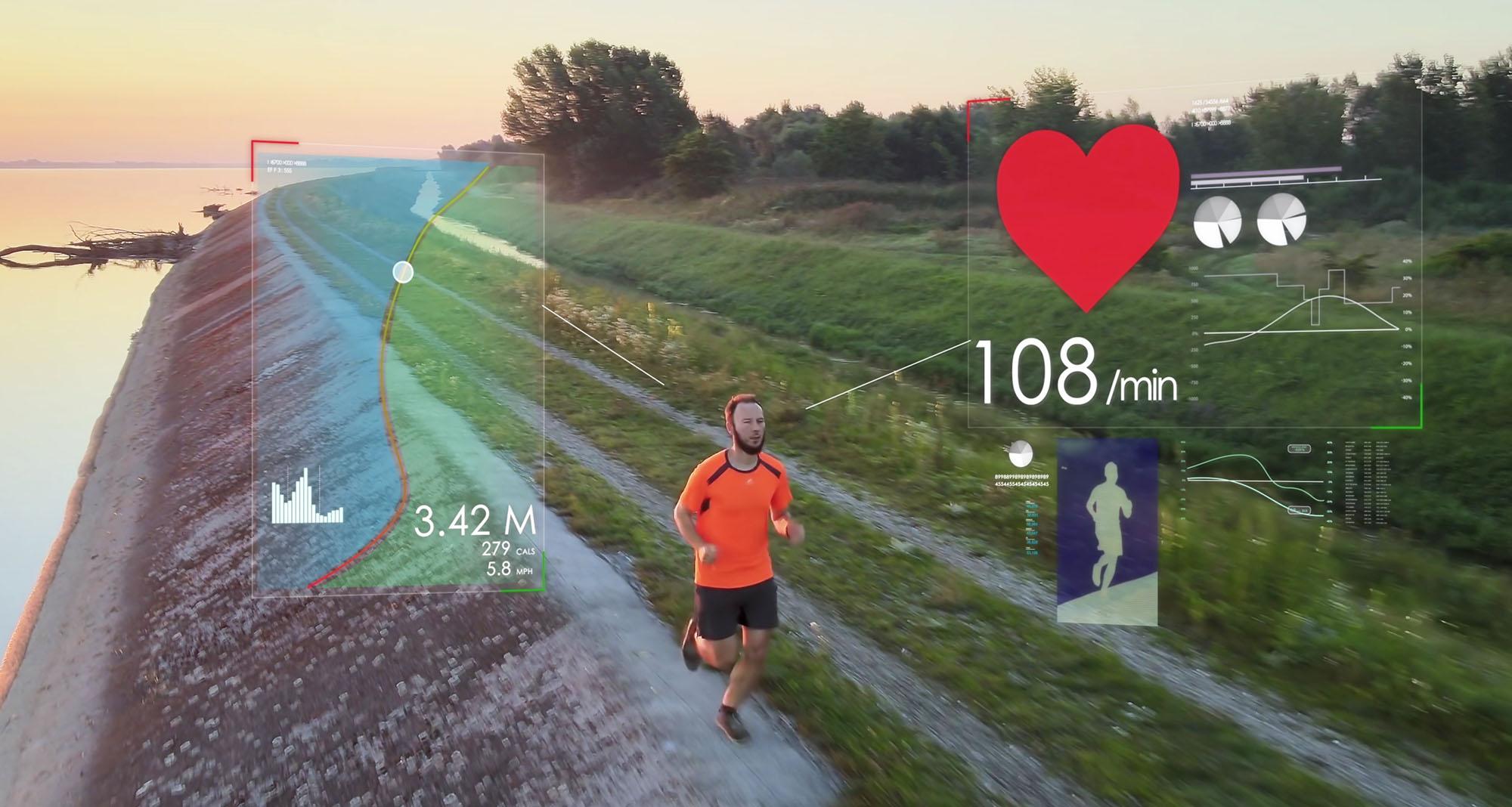
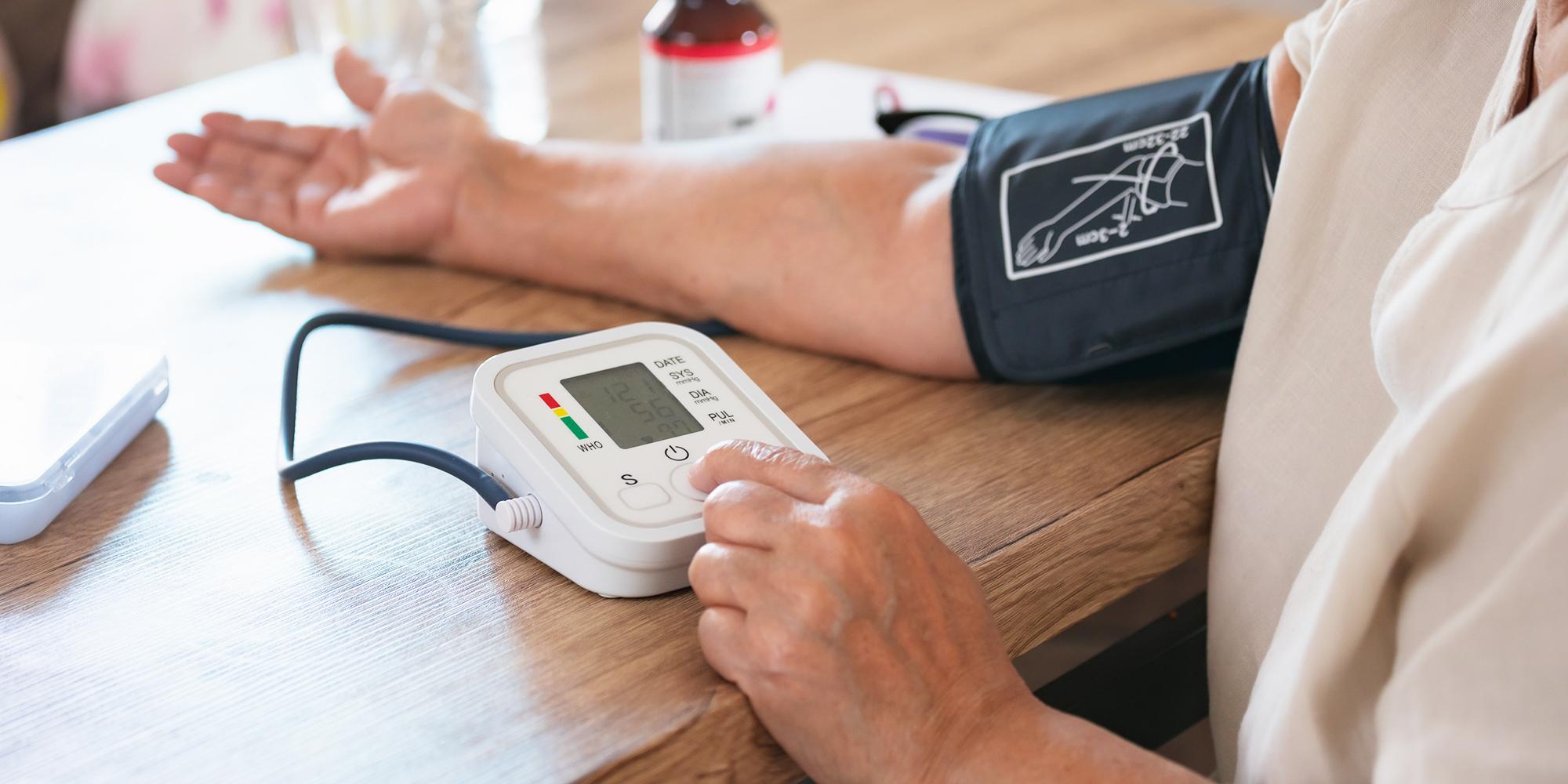
Experts also suggest that regular cold exposure may help regulate stress and even support immune function. If you're tracking your progress, pairing your ice bath routine with smart health tech like fitness trackers or sleep tech can help you monitor improvements over time.
How to safely try cold therapy at home
New to cold therapy? Start slow and safe. Here’s a beginner’s guide:
Water temperature: Aim for 10–15°C
Duration: Start with 5–10 minutes
Frequency: 2–3 times a week is a good starting point
Always listen to your body. If you have cardiovascular issues or other health concerns, consult a doctor before jumping in. And never go it alone - especially for your first few sessions. You don’t need to convince someone to jump in with you, but just to be on hand.
Portable ice bath tubs (inflatable & collapsible for indoor/outdoor use)
If you're short on space or just testing the waters, portable tubs are a great entry point. Lightweight and foldable options like the SHARPER IMAGE Foldable Ice Bath Plunge Pool or the GROOV-E Recovery Tub are perfect for balconies, bathrooms or gardens.
They’re affordable, easy to store, and ideal for beginners or casual bathers looking to try out ice bath benefits without committing to a permanent plunge pool.
Freestanding ice bath barrels
For a more immersive experience, freestanding barrels are sturdier and let you go deeper. These are built for regular use and often come with insulation to maintain temperature.
The LUMI THERAPY Recovery Pod PRO Barrel is a great example - durable, upright and designed for serious recovery routines. If you’re planning to make cold therapy a lifestyle, barrels are worth the upgrade. It also has the advantage of being deflatable, so you can have your 450-litre barrel and still stash it away when it’s not in use.
Plunge pools (larger, insulated options)
Ready to go all-in? Plunge pools are the luxury option for cold therapy at home. They’re larger, insulated and perfect for couples.
The LAY-Z-SPA Glacial Dip Inflatable Ice Bath Tub offers plenty of space and keeps the water cold for longer. It’s a great choice if you’re serious about muscle recovery and want a spa-like experience at home.
Best at-home cold therapy accessories
To level up your ice baths, check out these accessories that can really help you get the best experience:
Smart thermometers to monitor water temperature
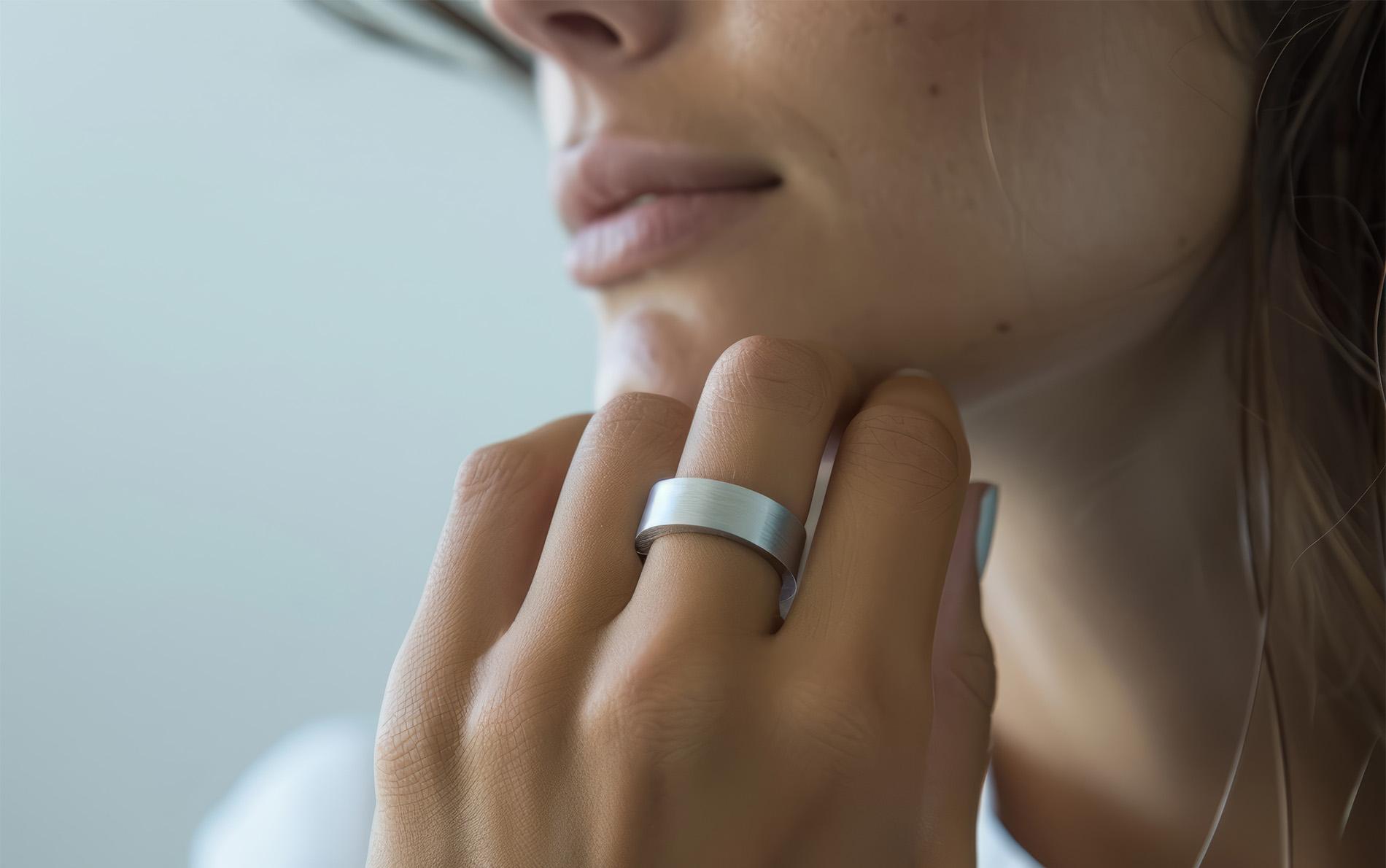
Wearable trackers and smartwatches to track recovery
Massage guns for post-bath muscle relief
Ice makers to keep your tub stocked
Air purifiers to create a calming recovery space

Ice baths vs other recovery methods
How do ice baths stack up against other recovery tools? Here’s a quick comparison:
Saunas & hot tubs: Great for relaxation and circulation, but don’t offer the same anti-inflammatory benefits
Compression therapy: Targets specific muscle groups, ideal for post-workout recovery
Massage: Excellent for tension relief and blood flow
The best approach? Mix and match. Pairing cold therapy with hot tubs or massage can give you a well-rounded recovery routine.
Tips to maximise recovery with tech & lifestyle hacks
Want to get the most out of your ice bath routine? Pairing cold therapy with smart lifestyle choices can supercharge your recovery and overall wellbeing.
Track progress with smart scales
Monitoring body composition helps you see how your recovery efforts are impacting muscle mass, fat levels and hydration over time. Smart scales can be a real game changer to help you track your health and wellness goals.
Purify your recovery space
Clean air supports better breathing and relaxation. Air purifiers can reduce allergens and pollutants, creating a calm, restorative environment.
Hydrate and nourish wisely
Cold therapy works best when your body is well-fuelled. Prioritise hydration and nutrient-rich meals to support muscle repair and energy levels.
Monitor sleep and stress with wearables
Devices like smartwatches or fitness bands can give insights into your sleep quality, heart rate variability, and stress levels - key indicators of how well your body is recovering.
These small but powerful tweaks can make a big difference in how your body responds to cold therapy, helping you bounce back faster, feel better and perform at your best.
FAQs
Are ice baths safe to do at home?
Yes, if done correctly. Stick to safe temperatures and durations, and consult a doctor if you have health concerns.
What are the main benefits of ice baths?
Reduced inflammation, faster recovery, better sleep, improved mood, and circulation.
What type of ice bath should I buy?
It depends on your space, budget, and goals. Portable tubs are great for beginners, while barrels and plunge pools suit regular users.
How often should I take an ice bath?
2–3 times a week is a good starting point. Listen to your body and adjust as needed.
Do I need special equipment for cold therapy at home?
Not necessarily, but accessories like thermometers, trackers, and ice makers can enhance the experience.
Whether you're chasing faster recovery, better sleep, or a mental boost, cold therapy offers a powerful way to recharge both body and mind. With the right setup - from portable tubs to smart accessories - and a few lifestyle tweaks, you can safely bring the benefits of ice baths into your daily routine and feel the difference.
What’s next?
Looking for tech to keep you in tip top shape? Check out our Smart Fitness Buying Guide.