

Modern kitchens are all about convenience. And at the centre of this are kitchen appliances we can’t do without. (And you’ll find lots more of them in our Kitchen appliances buying guide.)
So whether you’re reheating leftovers after work or throwing together a quick snack, air fryers and microwaves have become two mainstays of UK kitchens.
They both save time. They both simplify cooking. But they work in very different ways - and choosing the right one depends on how you actually eat, cook and live.
If you’re torn between crispy results and lightning‑fast reheating, this guide breaks it all down. We’ll compare performance, energy use, versatility and everyday practicality to help you decide which appliance belongs on your worktop - or whether you might need both.
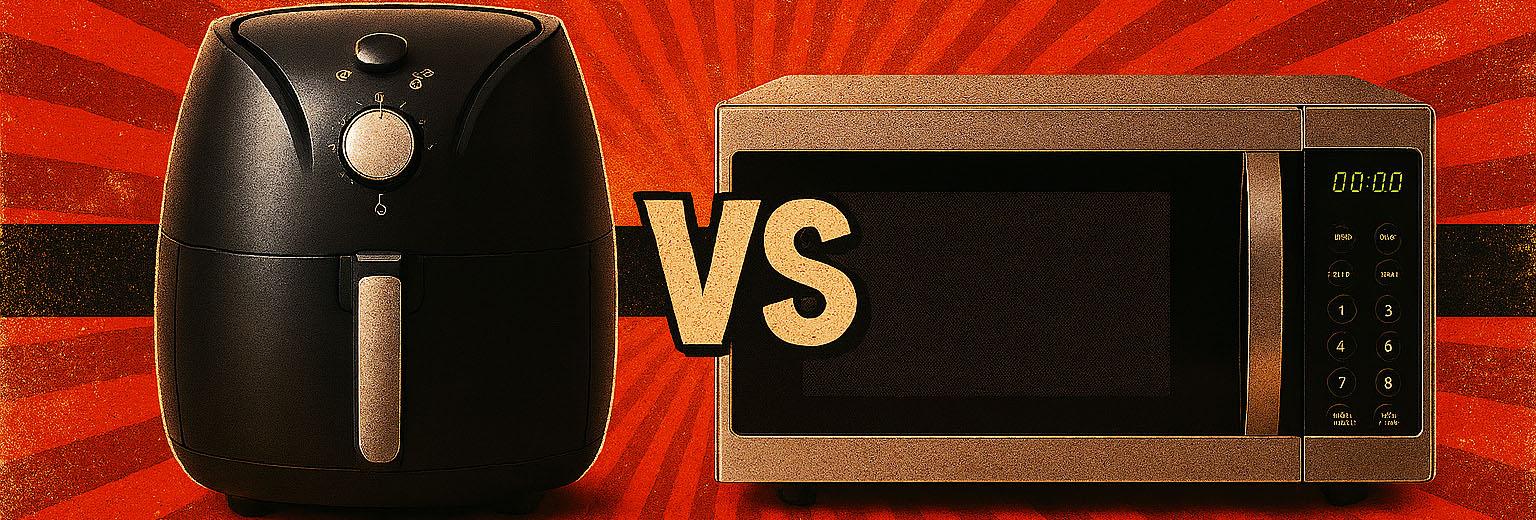
What’s the difference between an air fryer and a microwave?
At a basic level, the difference comes down to how heat is delivered. A microwave uses electromagnetic waves to excite water molecules inside food. That’s why it heats so quickly - but also why food often comes out soft or slightly soggy.
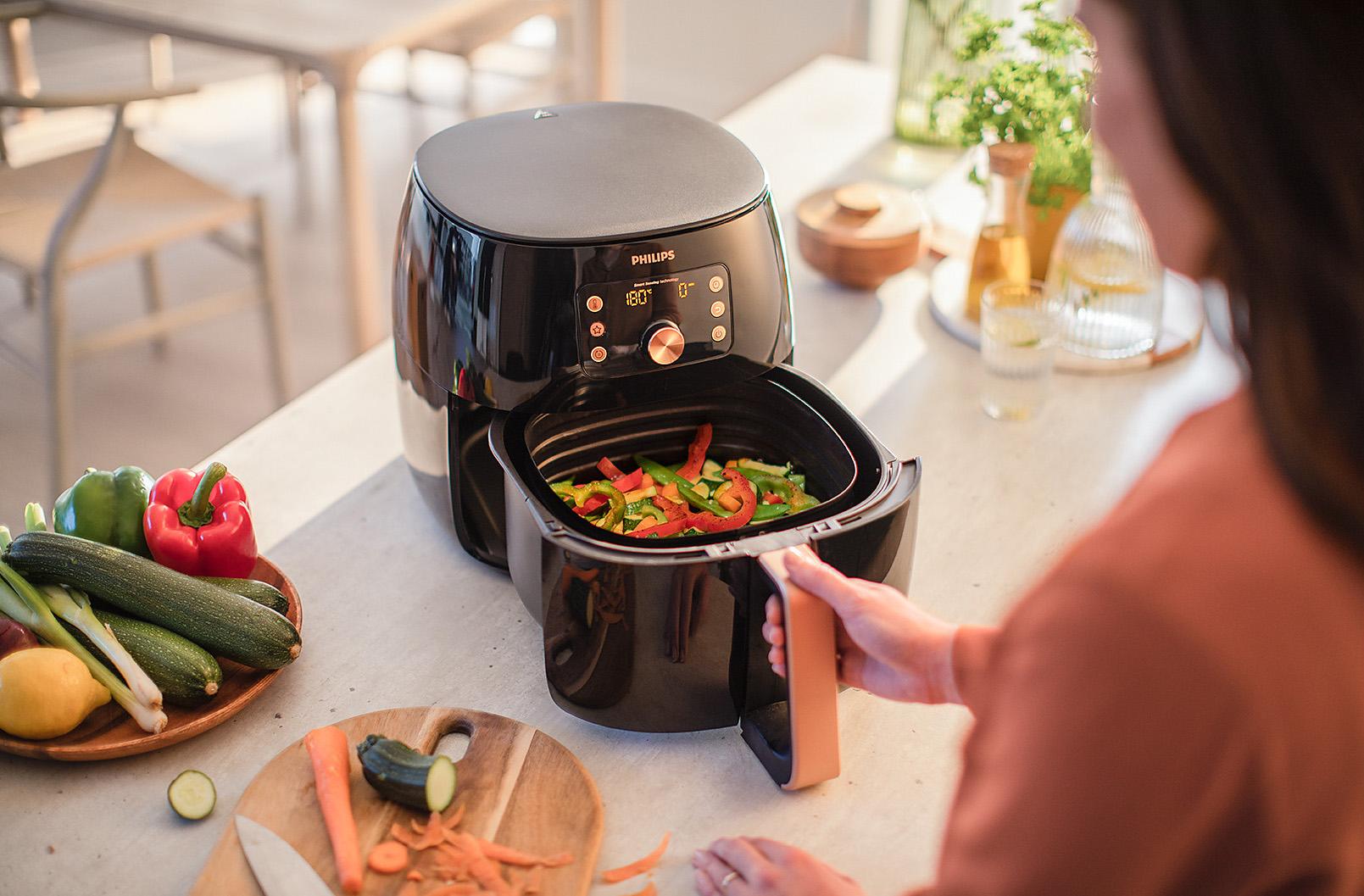
An air fryer, on the other hand, circulates hot air around the food, working much like a compact fan oven. It cooks from the outside in, which is what creates that golden, crispy finish.
In everyday terms:
Microwaves prioritise speed
Air fryers prioritise texture
This explains common kitchen frustrations - why chips go limp in the microwave or why an air fryer can take longer. The truth is that both microwaves and air fryers have their uses. It just depends what cooking task you’re taking on.
Cooking results: Crispiness, taste and food quality
If food texture matters to you, this is where the decision becomes clear.
Microwaves heat evenly and thoroughly, but they don’t remove moisture. That’s why pizza bases go soggy and chips lose their bite. Air fryers actively drive moisture out, giving food a crisp exterior while keeping the inside tender.
Here’s how they stack up in real‑world cooking:
Chips & frozen snacks
Microwave results are hot but soft. Air fryers deliver crisp, golden finishes.Pizza & leftovers
Microwaves reheat quickly but often soften textures. Air fryers “revive” food, adding crunch where it matters.Chicken nuggets, bacon & fish fingers
Microwaves heat but don’t brown. Air fryers create a crunchier outside and more appetising colour.Vegetables & roasted potatoes
Microwaves steam them. Air fryers roast them.
That’s why air fryers have become so popular with snack lovers and families – brands like NINJA air fryers are brilliant and crisping food up. Meat gets a crust on the outside and stay juicy inside. Roast veg gets cooked through but keeps a delicious exterior texture.
Speed and convenience: which saves more time?
It’s easy to assume the microwave wins here — and for some tasks, it absolutely does.
Fastest for drinks, porridge and ready meals: microwave
Fastest alternative to an oven: air fryer
Microwaves need no pre‑heating and are unbeatable for busy mornings or quick lunch reheats. Air fryers take slightly longer, but they’re still far quicker (and cheaper to run) than turning on a full‑size oven.
If you’re in a small household or have a busy life, a microwave is often all you need. But for people who like to cook from scratch or families needing something quick, an air fryer can save serious time.
Energy efficiency and running cost in 2026
Energy costs remain a big factor in 2026 — and this is an area where microwaves shine. Microwaves use lower wattage and short cooking times. For reheating and defrosting, microwaves remain the cheapest option per use.
Microwave
Power: ~0.8 kW
Typical use: 10 minutes (0.167 hours)
Cost per use:
0.8 × 0.167 × 27.7p ≈ 3–4 pence
Air fryer
Power: ~1.7 kW
Typical use: 20 minutes (0.333 hours)
Cost per use:
1.7 × 0.333 × 27.7p ≈ 15–16 pence
But for traditional cooking small meals, air fryers typically cost much less to run than a traditional oven — which is why many households have switched to using them. So, is an air fryer worth it for energy saving? If you cook regularly and often use the oven, yes — absolutely.
What can you cook in each appliance?
Both air fryers and microwaves are versatile - just in different ways.
| Air fryers are ideal for | Microwaves excel at |
|---|---|
| • Chips, wedges and roasted potatoes • Chicken, bacon and fish • Vegetables and frozen snacks • Small pizzas and pastries | • Ready meals and soups • Rice, porridge and pasta • Reheating drinks • Defrosting meat safely |
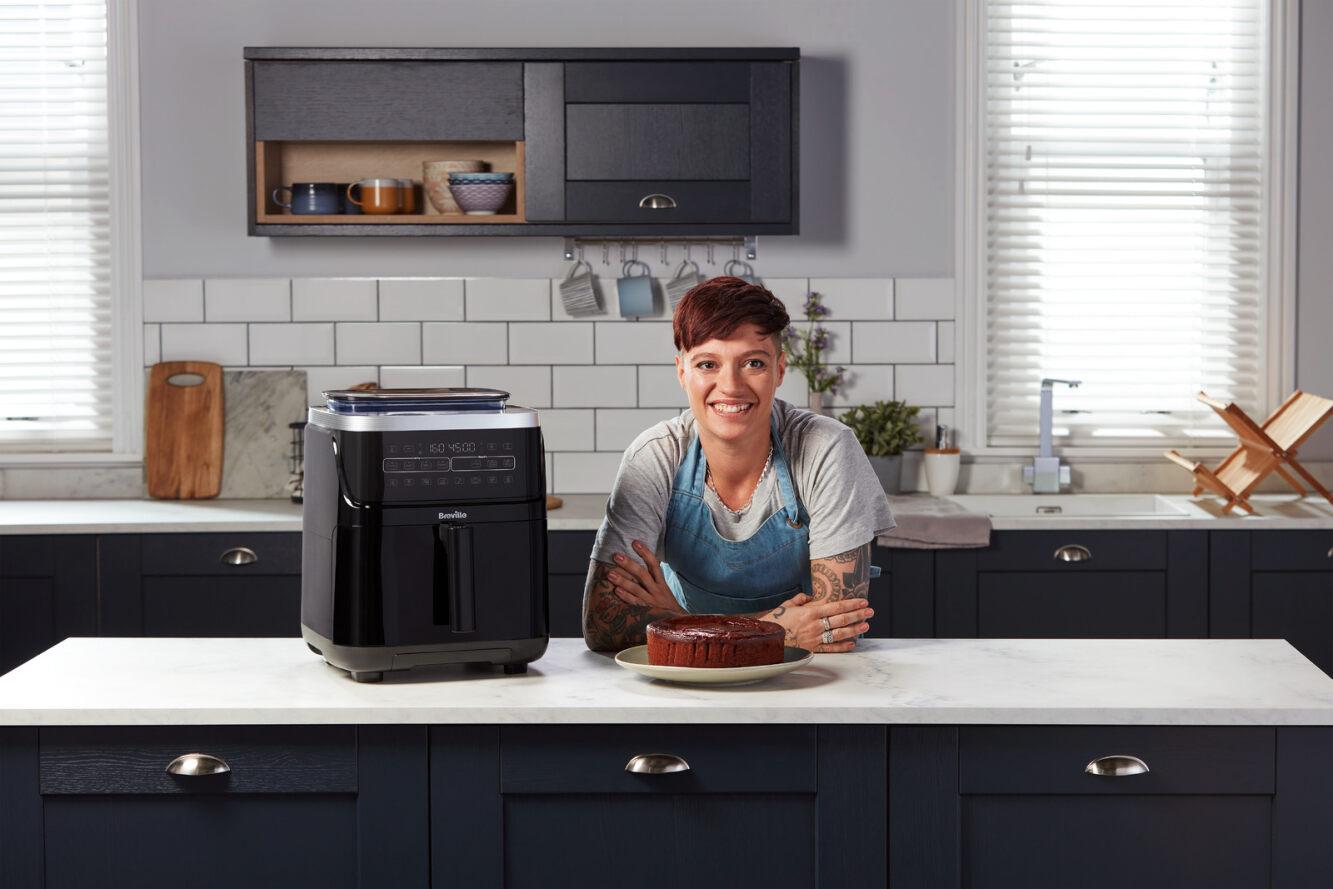
Air fryers can cook complete meals, while microwaves are better for prep and reheating. The most versatile option of all? A combination microwave - which blends microwave heating with grilling and air frying.
Can an air fryer replace a microwave (or vice versa)?
Short answer: not completely.
If you mainly reheat food and drinks → microwave
If you cook snacks and meals → air fryer
If you want one appliance → combination microwave
Most homes benefit from having both — but if you’re choosing just one, match it to how you actually eat. For more kitchen gadget tips, check out our Small kitchen appliance buying guide.
FAQs
Can an air fryer replace a microwave?
For cooking - yes. For reheating and drinks and sauces - no. Liquids and air fryers don’t mix!
Is an air fryer healthier than a microwave?
Air fryers use little to no oil, making them ideal for healthier cooking. But that doesn’t make them “healthier.” In a microwave, you can steam vegetables, cook rice and lots more. So one device isn’t “healthier” than another.
Which is cheaper to run?
Microwaves are cheapest when you look at cost per use. The savings for air fryers come when you compare them to ovens – i.e. you can’t cook a roast dinner in a microwave!
Can you reheat food in an air fryer?
Yes — and it often tastes better.
Do I need both?
Both microwaves and air fryers have different jobs. So many households have both, especially families and people keen on cooking.
Is a microwave still worth buying in 2026?
Absolutely — it remains unmatched for speed and convenience. And it’s also super easy for things like scrambled eggs.