

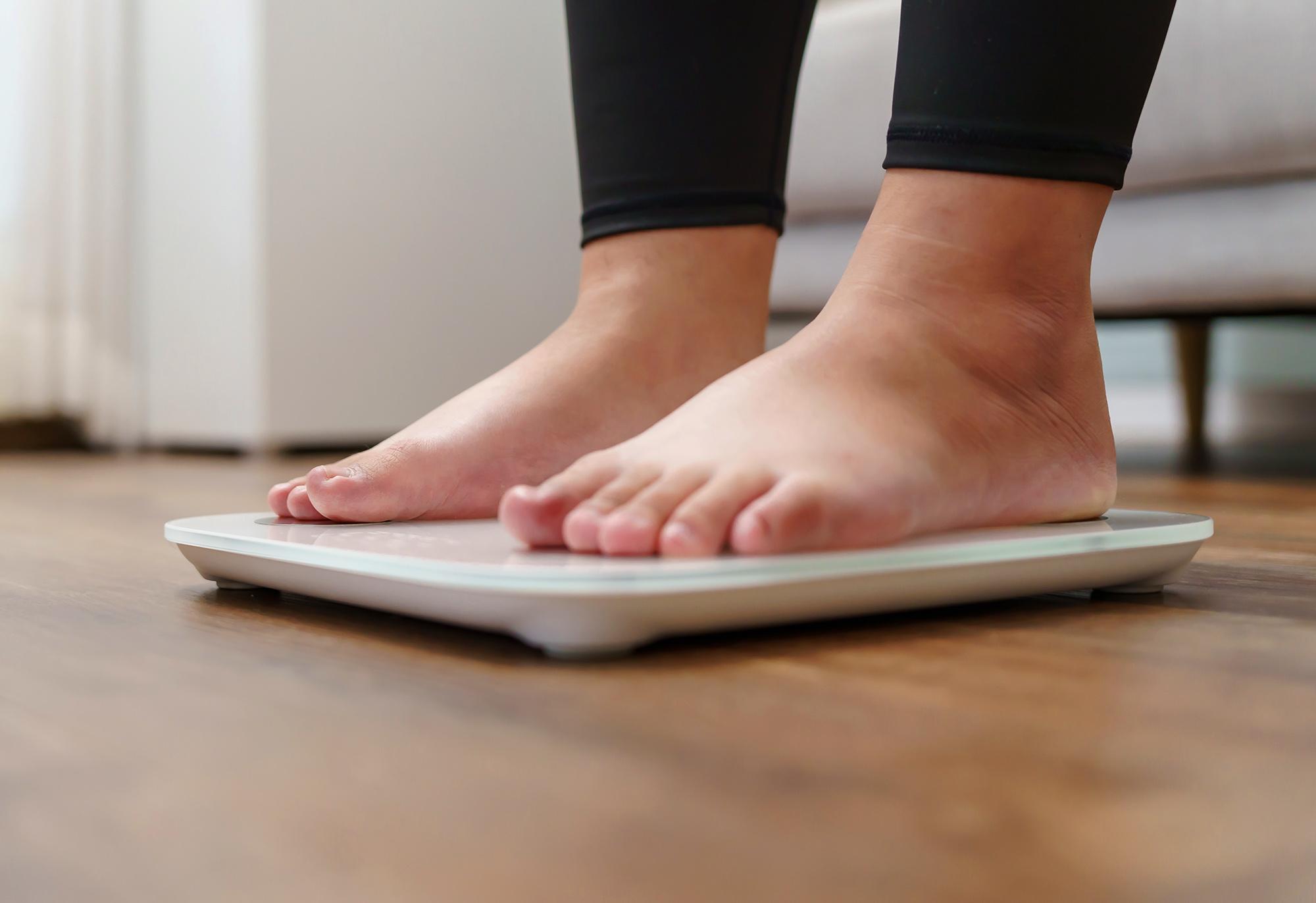
Standard bathroom weighing scales can tell you how much you weigh - but is that really enough? Body fat scales go a step further, giving you estimates of body fat, muscle mass, water, and other measurements that can help you keep track of how your body is changing.


That can be useful if you’re working on your fitness, managing your weight - or just trying to understand what’s happening with your body. After all, two people can weigh exactly the same and have quite different body compositions.
But how accurate are body fat scales? The short answer is that they're best used for tracking trends rather than focusing on individual readings. Factors such as hydration, meals and the time of day can all affect the results. That's why consistency matters. We'll explain how body fat scales work, how to get more reliable readings, and what the numbers can really tell you.
What are body fat scales and how do they work?
Traditional bathroom scales do one thing. Yes, you’ve got it - they tell how much you weigh. Body composition scales try to give you a little more information and context.
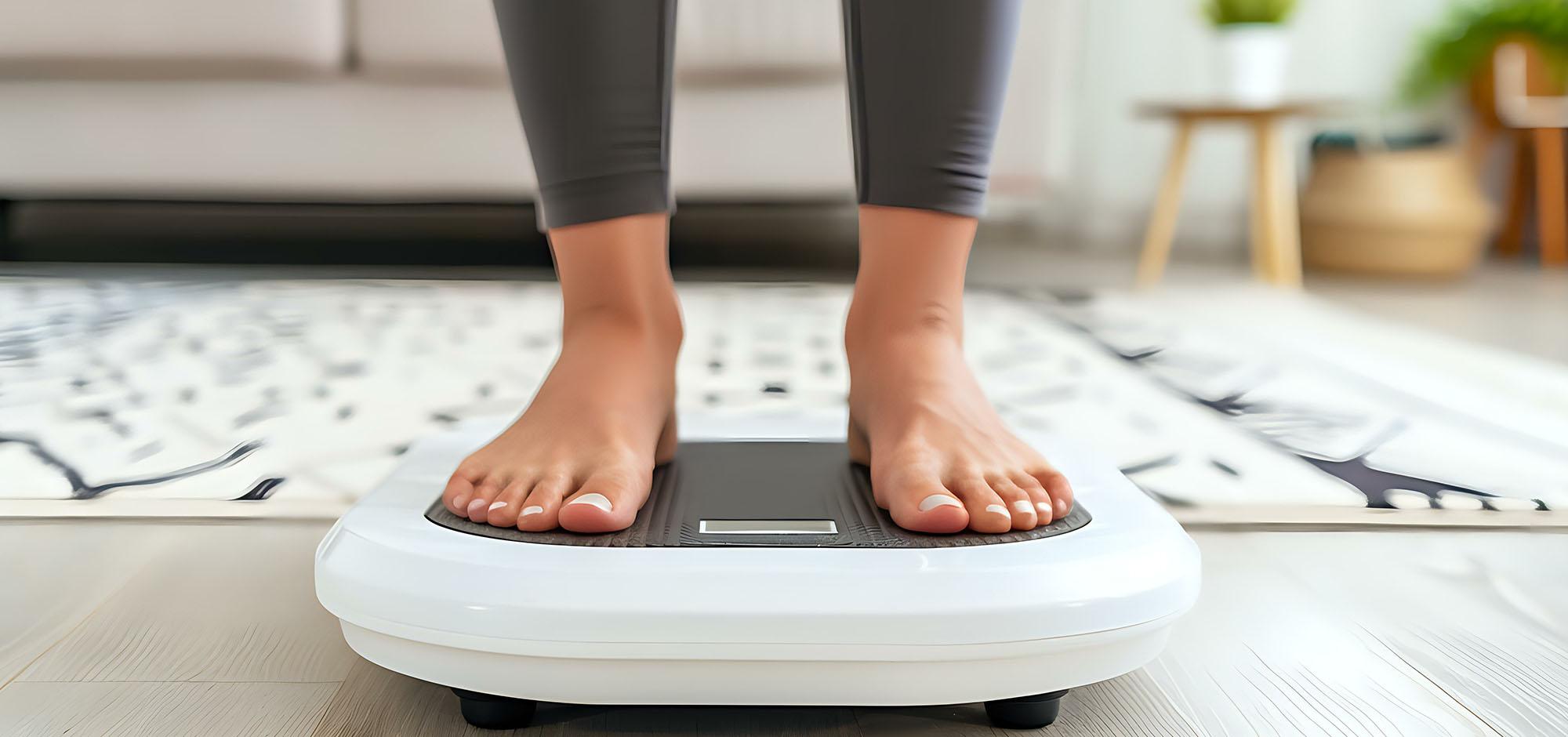
Most use something called Bioelectrical Impedance Analysis (BIA). When you stand on the scale, a tiny electrical current passes through your body. You won’t feel it and it’s completely safe, but the scale measures how easily that current travels through you.
Water and muscle conduct electricity more easily than fat, so the scale can use the resistance it measures (alongside info like your height, age and sex) to estimate your body composition.
Depending on the model of your scales, you might get readings for body fat, muscle mass, body water, bone mass, and BMI. So, rather than simply telling you that you weigh 80kg, it can give you a broad picture of what that weight is made up of. For a closer look at the tech involved, check out our guide to our guide to body composition scales.
How accurate are body fat scales?

Body fat scales can give you lots of useful information. But it’s better to think of the numbers as estimates that help you spot trends, rather than absolute measurements.
The reading can vary depending on the scale, the technology it uses, and what’s happening with your body when you step on it. For example, your hydration can affect how easily that electrical current travels through you.
That’s why being consistent is so important. If you use the same scale in similar conditions, you can start to see whether your body fat estimate is generally moving up, down, or staying around the same level.
What affects the accuracy of body fat scales?
Things that affect your hydration or weight - or even the way you stand on the scale - can all influence a BIA reading. Here are the main things to keep in mind:
Hydration levels. Drinking more or less water than usual can affect the electrical signal travelling through your body.
Time of day. Your weight and hydration naturally change throughout the day, so a morning reading won’t necessarily match an evening one.
Eating and drinking. Food and fluids add temporary weight and can alter your body’s fluid balance.
Exercise. A workout can change hydration and fluid distribution, which can affect your reading.
Menstrual cycle. Hormonal changes and water retention can cause temporary changes in weight and body-composition readings.
Foot placement. Standing differently can change the path of the electrical current.
User profiles. Make sure your height, age and other details are correct.
Surface type. Most scales work best on a hard, flat floor. Some models include carpet feet if you need to use them on softer flooring.
If your body fat percentage suddenly changes overnight, don’t panic. Your body composition probably hasn’t transformed while you were asleep. The conditions around your weigh-in might simply have changed. Keep your weighing routine consistent, and you’ll get a clearer picture of how your measurements are changing.
How to get the most accurate readings from your body fat scale
Now you know the things that can affect your numbers, here’s a quick checklist to help you create the same routing and keep things consistent:
Weigh yourself at roughly the same time each day. Try to do it before eating, drinking, or exercising.
Use the scale on a hard, flat surface (unless the instructions say otherwise).
Follow the instructions for bare feet and foot placement.
Keep your hydration routine consistent.
Make sure your personal details are up to date.
Compare readings over weeks and months, rather than focusing on one-off results.
Are smart scales worth buying?
If you’re working on strength or managing your weight, a smart scale can give you more useful information than your weight alone. As well as tracking weight, they can estimate things like muscle mass, body fat, and body water - which helps you keep an eye on changes over time.
Virtually all smart scales have a companion app where you can store your measurements and turn the stats into graphs that make it easy to see any changes. A lot of models can also sync with health and fitness platforms, so it can be another source of health data along with your phone or fitness tracker.
Most smart scales give you the option of creating multiple user profiles. That’s really useful for families, where everyone can keep their measurements separate. You can browse our weighing Scales and body composition scales to compare the options.
Choosing the right body composition scale
Think about the information you actually want to collect. If body fat, weight and muscle mass are enough, you probably don't need a scale packed with loads of metrics. If this is your first body composition scale, a basic model with a few common measurements might be all you need.
Connectivity is another thing to think about. Bluetooth scales connect to your phone when it’s nearby, while Wi-Fi models can send readings automatically without you having to open an app.
It’s also worth looking at things like the number of user profiles, display, maximum user weight, and how good the companion app is.
Best body composition scales

Here’s a roundup of the best body composition scales available right now:
SALTER 9128 Glass Analyser bathroom scale
Best for… keeping things simple
For a straightforward way to track the essentials, the Salter 9128 Glass Analyser bathroom scale measures body fat, water and BMI. Eight user memories making it handy for shared bathrooms.
Renpho Elis 2 smart body scale
Best for… whole family tracking
The Renpho Elis 2 smart body scale is a good all-rounder. It tracks 13 body-composition measurements and supports unlimited user profiles, so everyone at home can keep their results separate.
Kinetik KINBCA1 Body Analyser bathroom scale
Best for… seeing your stats at a glance
The Kintetic KINBCA1 Body Analyser bathroom scale is a no-fuss option if you want the key measurements displayed straight on the scale. Its LCD shows body fat, water, muscle mass, bone mass and BMI.
Beurer BF 500 smart bathroom scale
Best for… Bluetooth tracking
The Beurer BF 500 smart bathroom scale is a useful if you want Bluetooth connectivity and app tracking. It also stores profiles for different users, keeping everyone's measurements separate.
Withings Body Scan smart scale
Best for… comprehensive health tracking
The Withing Body Scan smart scale takes things further than all the other scales on this list. You can get segmental fat and muscle readings for your arms, legs and torso - alongside heart and nerve-health features. Its retractable handle and 14 electrodes make it the most comprehensive option here.
FAQs
Are body fat scales accurate?
Body fat scales provide estimates rather than laboratory-grade measurements. Their readings can be affected by hydration, food, exercise, and other factors. They’re most useful when you use the same scale consistently and compare readings over time.
Why does my body fat percentage change every day?
Daily changes usually reflect shifts in hydration, food, exercise, and body fluids rather than sudden changes in body fat. Your reading can also vary with time of day and how you stand on the scale. Compare measurements taken under similar conditions to get a clearer picture of longer-term changes.
What is the best time to use a body fat scale?
First thing in the morning is a good time to use a body fat scale, because you can easily keep the conditions consistent. Ideally, weigh yourself after using the bathroom and before eating or drinking. Then try repeating your routine in roughly the same conditions each time.
Can smart scales measure muscle mass?
Smart scales can estimate muscle mass using BIA, but they don't directly measure your muscles. The estimate is calculated from electrical impedance and information such as your weight, height, age and sex.
Should I weigh myself every day?
You can weigh yourself every day if you find it useful, but you don’t need to. Your weight naturally changes from day to day, so look at several readings over time to spot genuine trends. If daily weighing feels like too much, a few times a week works too.
Do body fat scales work on carpet?
Most body fat scales are designed to sit on a hard, flat floor because soft or uneven surfaces can affect stability and measurements. Some models include carpet feet, so check the manufacturer's instructions. If your scale is designed for hard floors, use it there and keep the surface consistent.
What's more important: weight or body fat percentage?
Neither one is more important than the other on its own, because they tell you different things. Weight measures your total body mass, while body fat percentage estimates how much of that weight is fat. If you're tracking changes in your body composition, looking at both will give you a clearer picture of your progress.