

LED face masks can help with certain skin concerns when they’re used regularly. The different types of light are designed to target everything from fine lines to blemishes. They’re not instant miracle workers though, and they don’t replace professional medical treatment or advice. But, if you stick with them, they can be a handy addition to your skincare routine.


What are LED face masks and how do they work?
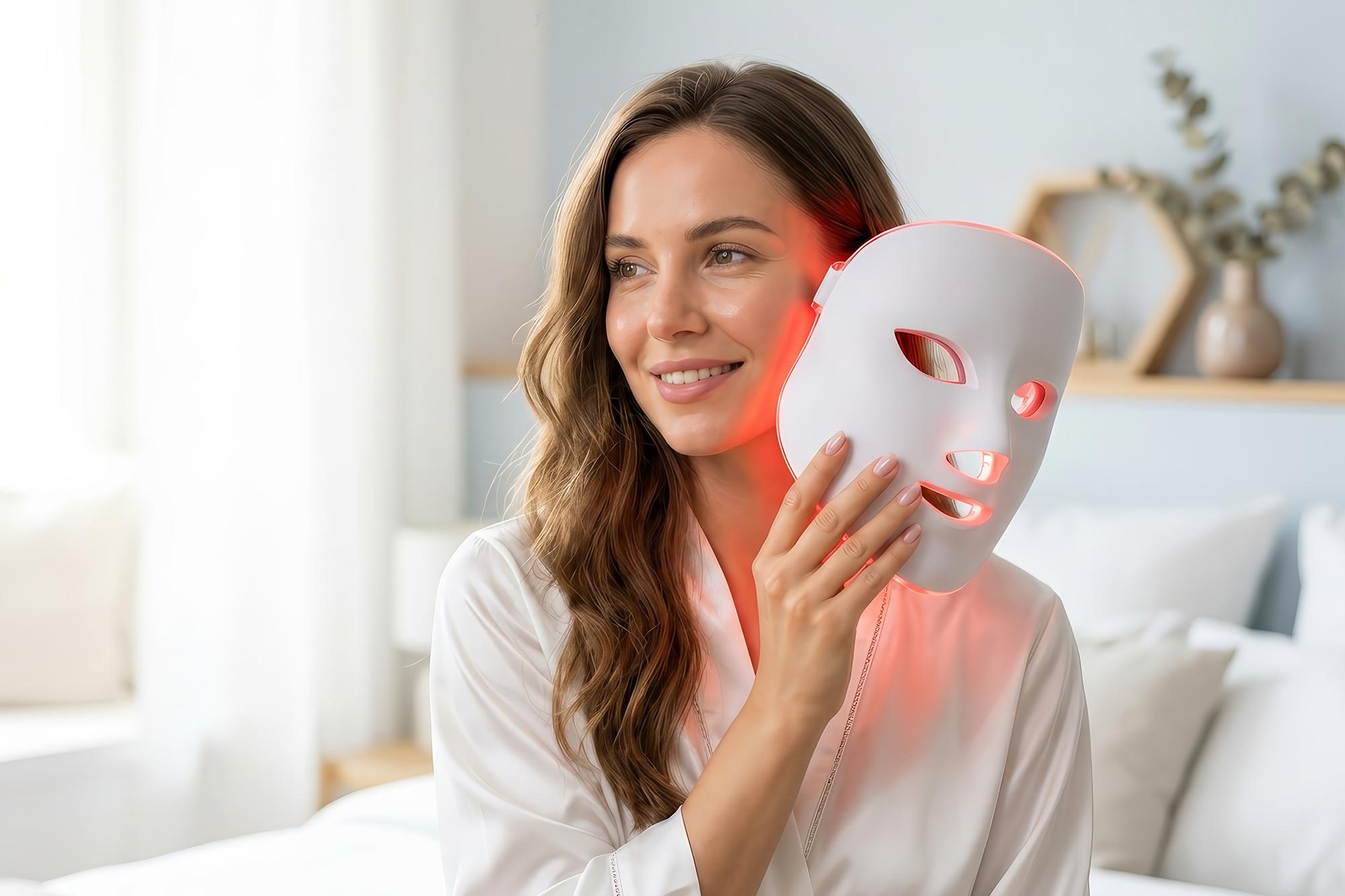
LED stands for light-emitting diode. An LED face mask uses specific wavelengths of light that shine onto your skin for a set amount of time. Different colours of light are designed to reach different depths in the skin. And each one is associated with a particular skincare goal.
Red light – Used on skin that shows signs of ageing. It’s often linked with collagen support, helping skin to look firmer and reducing the appearance of fine lines and wrinkles over time.
Blue light – Aimed at blemish-prone skin. It can target acne-causing bacteria on the skin’s surface, making it useful if you experience regular breakouts.
Near infrared light – Penetrates deeper than visible light wavelengths. You’re more likely to find it on premium masks and it’s used to bump up skin firmness and elasticity.
Green and yellow light – For concerns like redness or tired-looking skin. Research on these wavelengths is less established than red and blue light, so keep your expectations realistic.
Tech tip: LED light isn’t the same as UV light. So, LED face masks don’t use the ultraviolet rays associated with sun damage.
Do LED face masks actually work?
Yes, they do. Skincare brand Dermalogica say that LED therapy “can treat multiple skin concerns and is often described as a deeply relaxing experience”. And that’s backed up by doctors. In a chat with the Guardian, consultant dermatologist Dr Derrick Phillips says they’re especially useful if you’re “looking to manage mild acne, reduce low-grade inflammation, or maintain overall skin quality between in-clinic treatments”.
That said, it’s important to understand what LED masks will realistically do. You should think of them as something that supports skincare, instead of radically transforming it. And consistency is key. One session isn’t likely to change much. So, keep your treatments regular over a few weeks if you’re looking for visible improvements.
Tech tip: At-home LED masks tend to be gentler than professional treatments in a clinic. Results typically take a tad longer to show up too.

What skin concerns can LED face masks help with?
LED masks are there to support with lots of common skincare concerns…
Fine lines and wrinkles – Red/infrared light might help soften the appearance of fine lines and create a smoother looking complexion.
Blemishes and acne-prone skin – Blue light is usually used for breakouts as it can help to reduce acne-causing bacteria on your face. Some masks even combine it with red light, as it can support irritated or red skin (which usually occurs alongside acne).
Uneven skin tone – While the evidence is more limited, green light is there to target visible discolouration or an uneven-looking skin tone.
Tired-looking skin – Yellow light/infrared light aims to improve the appearance of dull or fatigued skin. With regular use, you could look fresher and more radiant. Especially during those early mornings!
How long do LED face masks take to show results?
With LED therapy, you definitely need to be patient. After your first session, your skin might feel refreshed or look slightly brighter, but big, significant changes are unlikely.
After two to four weeks of consistent use, some people start to notice improvements. You might have more of a glow to your face. Or any redness might have gone down a bit. For things like recurring blemishes and fine lines, six to twelve weeks is a more realistic timeframe. It’s a marathon not a sprint.
Most manufacturers suggest each session with your mask should last between 10 and 20 minutes, around three to five times a week. Always follow the instructions that come with your specific device, as treatment schedules can vary depending on what you’ve got.
Tech tip: Using an LED mask more often than recommended won’t necessarily speed things up. In fact, overuse could irritate sensitive skin.
Are LED face masks safe to use at home?
Yes. Just make sure you’re following the manufacturer's instructions.
In an interview with the BBC, consultant dermatologist Dr Jonathan Kentley states that LED light therapy is “mostly considered safe, even at high levels" and is unlikely to “cause damage to cells”.
To stay on the safe side:
Use any eye protection that comes with the device.
Don’t go over the recommended treatment times.
Don’t use the mask over damaged, infected or heavily irritated skin.
Speak to a GP or dermatologist if you’re pregnant, have an eye/skin condition or take medication that increases your sensitivity to light.
If the manufacturer suggests one, do a patch test first.
If you start to experience any discomfort or irritation, stop using the mask and chat to a healthcare professional.

How to choose the best LED face mask for your skin goals
Not every LED mask comes with the same features. Choosing the right one depends on your budget, skincare goals and how often you plan on using it.
Reduce the appearance of fine lines and wrinkles
Model: SHARK CryoGlow Under-Eye Cooling LED Anti-Ageing & Blemish Repair Mask – Blue
Why it’s good: The Better Ageing program is exactly what is sounds like. It’ll reduce the appearance of those wrinkles and fine lines, while Skin Sustain bumps up your face’s brightness. There’s even a special Blemish Repair mode to reduce marks or any uneven skin you might have.
Target under-eye puffiness alongside LED therapy
Model: SHARK CryoGlow Under-Eye Cooling LED Anti-Ageing & Blemish Repair Mask – Rose
Why it’s good: With a cool InstaChill Cold system, you can depuff the area under your eyes whenever you need to. That’ll give you tighter, smoother looking skin. As well as a brighter looking complexion.
Support blemish-prone and breakout-prone skin
Model: THERABODY Mask Glo LED Face Mask - White
Why it’s good: It’s got 504 medical-grade LEDs built into the mask, addressing everything from acne to fine lines. Plus, it’s ultra-quick. When you’re in a rush, fire up a four-minute session for Red, Red IR or blue light therapy. You’ll be out the door before you know it!
All-round LED light therapy for multiple skin concerns
Model: THERABODY TheraFace LED Face Mask - White
Why it’s good: While it’s designed to improve sagging skin and firm up your face, that’s not all. It’s also got 17 QX-Micro motors that massage pressure points on your scalp, chin, forehead and cheeks. You’ll be able to relax AND get results.
Try multiple LED light modes (red and blue light)
Model: STYLPRO Wavelength 4-Mode LED Face Mask - White
Why it’s good: Blue light. Red light. Infrared light. It’s all here. And they’re all backed up by smart Silver Reflective tech. This system gives you even light coverage across the whole of your face.
Start with a more affordable LED face mask
Model: SENSSE SNSE15 Pro LED Face Mask - Pink
Why it’s good: You get plenty of mask for your money. Four different LED lights work their magic for glowing, supple skin. Then, when it runs out of juice, it’s easy to recharge. Plug in the USB cable, put your feet up, and you’ll be ready for another session in no time.
General skin rejuvenation and regular LED therapy use
Model: SILK'N FLM100PUK001 LED Face Mask
Why it’s good: Use the automatic mode and you won’t have to fumble around picking a setting. Instead, it uses every LED colour at once, leaving your skin looking (and feeling) refreshed.
How to use an LED face mask properly
By following the right routine, you’ll get the most from your device…
Cleanse your face thoroughly and remove any makeup.
Pat your skin dry with a soft towel.
Put the mask on securely and use eye protection (if supplied).
Select the light mode that matches your skin goal.
Don’t overdo it. Only use the mask for the recommended treatment time.
Apply moisturiser afterwards and wear SPF during the day.
Clean the device (by reading the manufacturer's instructions) and store it away safely.

Are LED face masks worth it?
Yes, especially if you’re looking for a non-invasive skincare gadget that slots straight into your beauty routine. They’re great if you’re willing to use them consistently and have realistic expectations. If you’re hoping for instant results (or a replacement for professional treatment), you may end up being disappointed.
Before you buy, have a think about:
Your main skin concern(s).
Your budget.
Available light modes.
Safety features.
Comfort and fit.
Rechargeable battery life.
Ease of use.
FAQs
Do LED face masks help with wrinkles?
Red light and near-infrared light can help to reduce the appearance of fine lines and wrinkles over time.
Can you use an LED face mask every day?
Some devices are made to be used every day while others aren’t. Check the instruction manual that comes with your mask.
How long does it take to see results from an LED face mask?
You might spot a healthier looking glow within a few weeks. More obvious improvements in texture, blemishes or fine lines usually take between six and twelve weeks of regular use.
Do LED face masks help with acne?
Blue light therapy might help to support acne-prone skin by targeting the acne-causing bacteria that lives there. Results will vary depending on the person and the device you’re using.
How often should you use an LED face mask?
The majority of brands out there will tell you to use your mask between three and five times per week.
Are LED face masks safe for your eyes?
Most at-home LED masks have been designed with eye safety in mind. But it’s important to use any supplied eye protection and follow the manufacturer's guidance carefully.
Should I use skincare products before or after an LED face mask?
In most cases, it’s best to use the mask on freshly cleansed skin. You can then follow up with moisturiser and the rest of your usual skincare products after treatment.

Need more advice?
For the best LED face masks out there, don’t miss our roundup right here. And we’ve got some top tips on how to transform your skincare routine with LED face masks too!