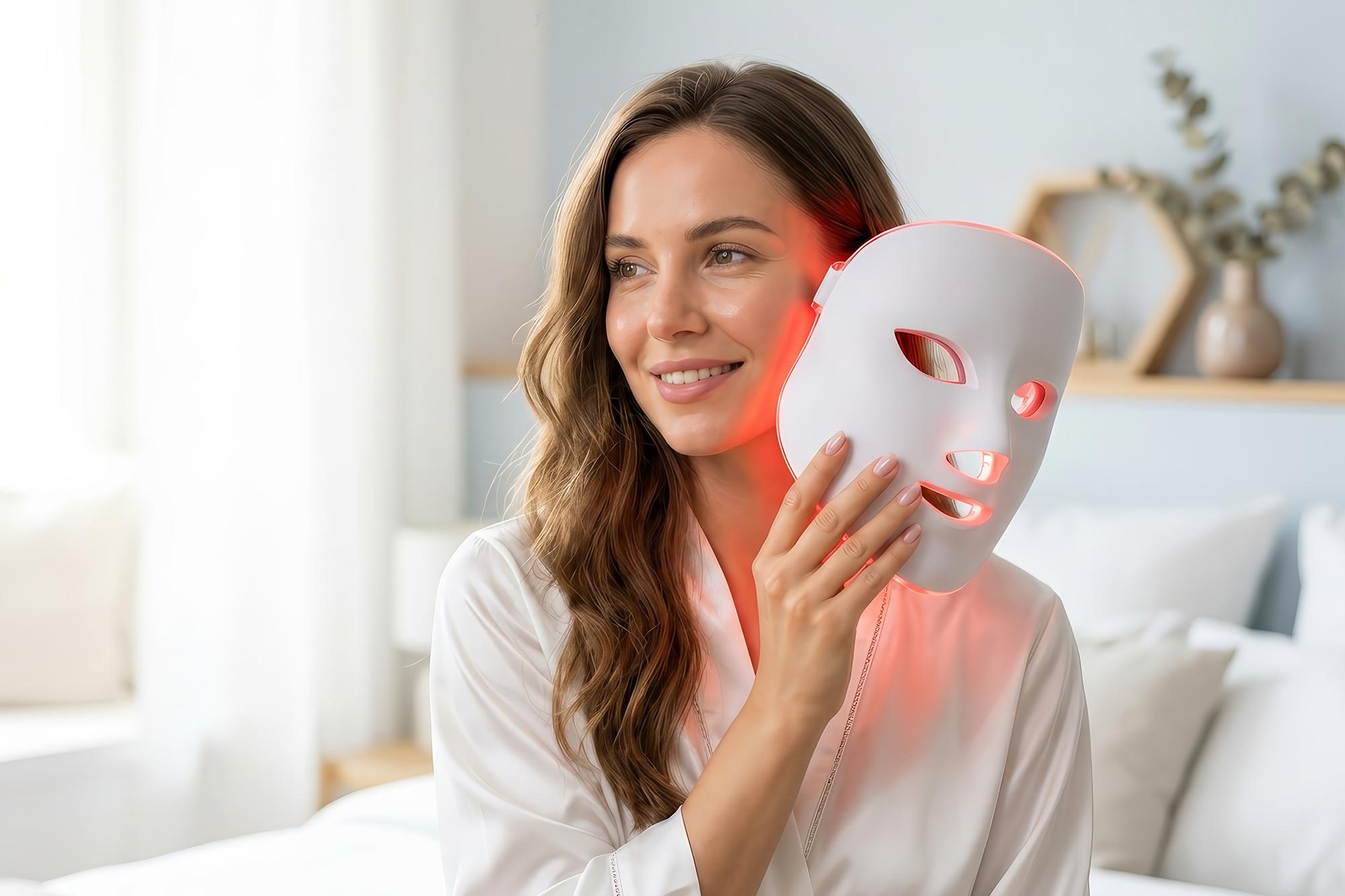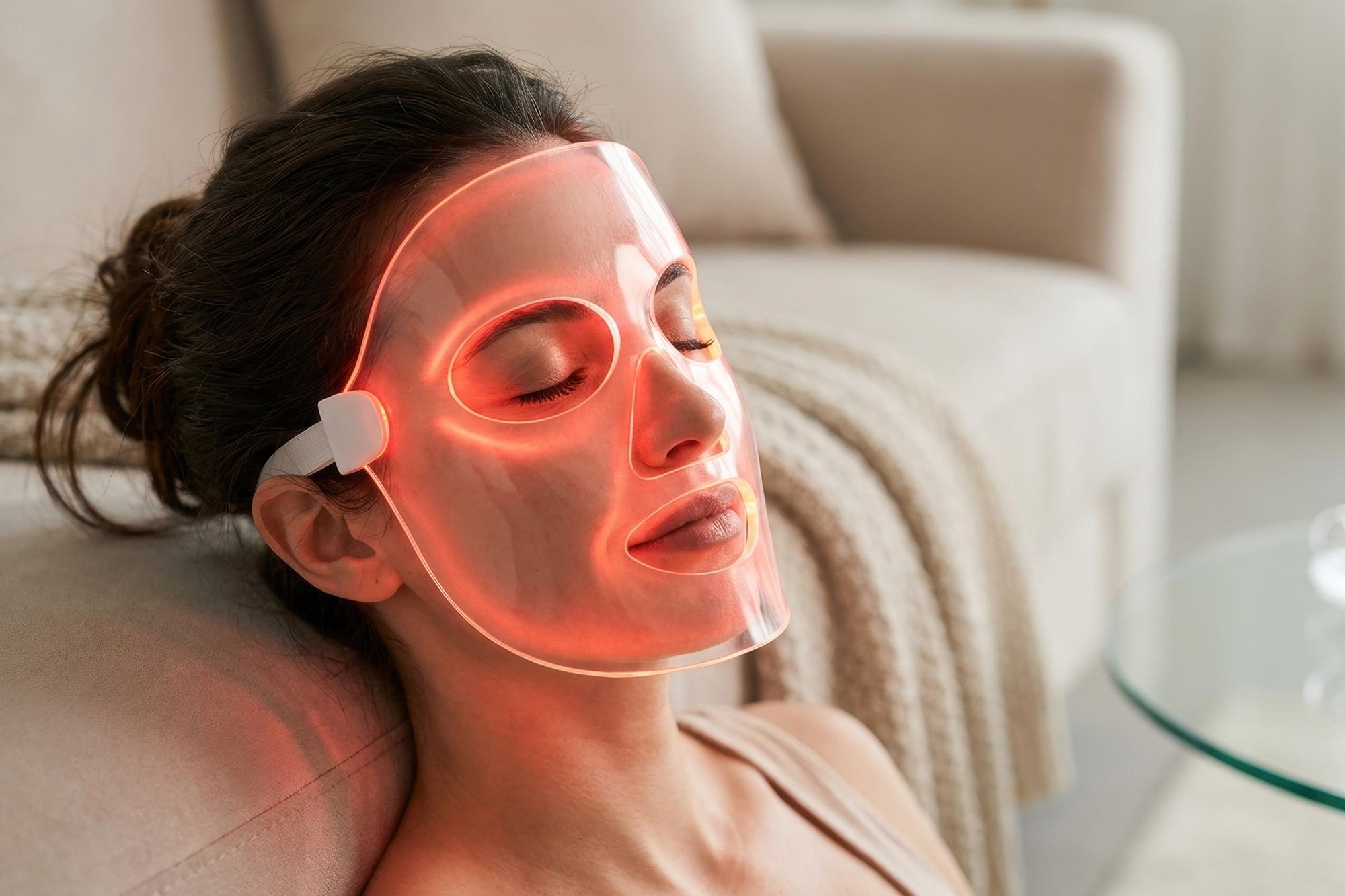


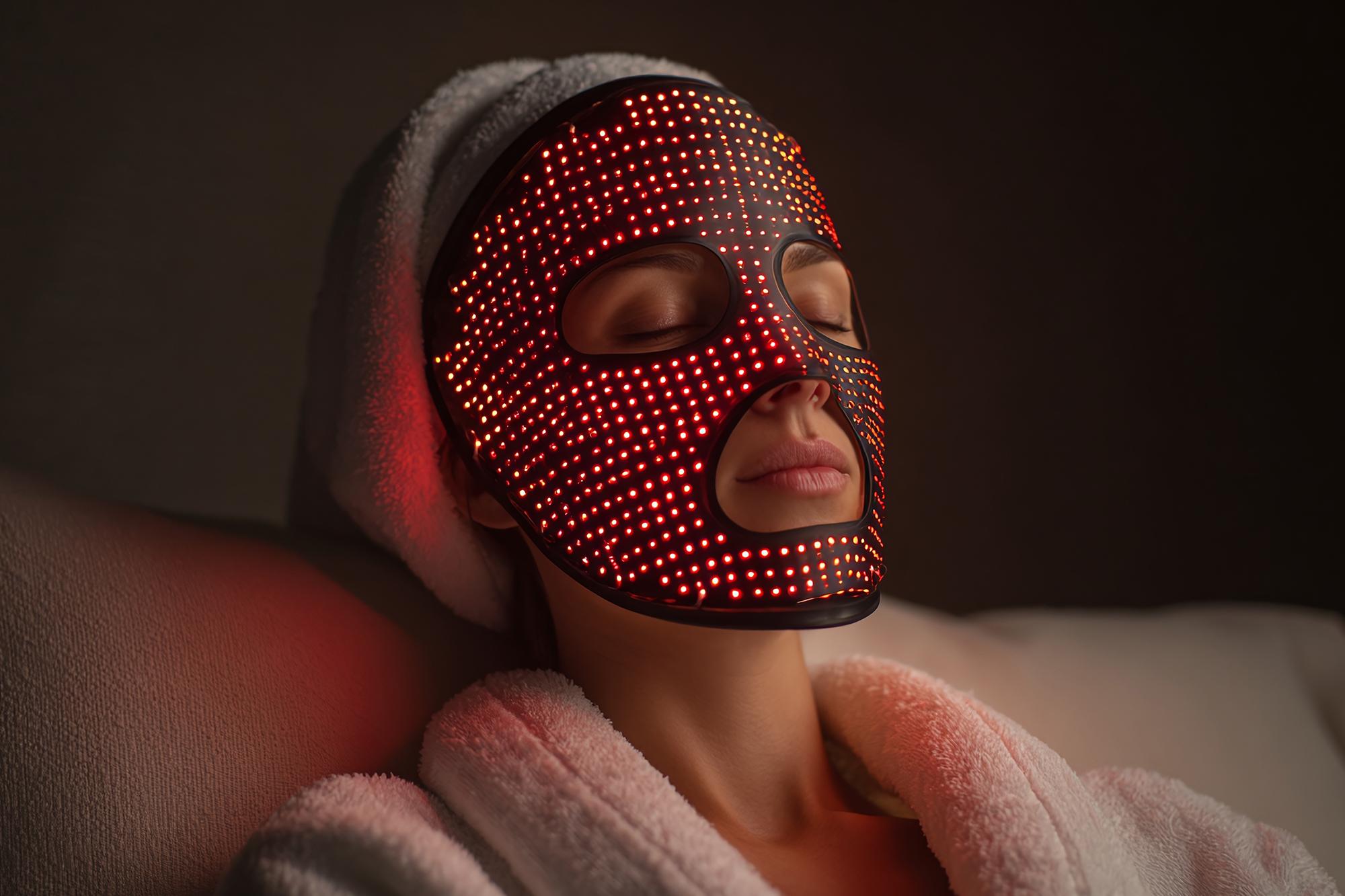
Different LED colours are designed to target different skin concerns, from acne and redness to fine lines, uneven skin tone and dull-looking skin.
LED light therapy has become one of the most accessible at-home skincare technologies. What was once the preserve of clinics and health spas can now be used from the comfort of your sofa. But it's not one-size-fits-all.
So, whether you're refreshing your health and beauty routine or thinking about investing in an LED face mask, this guide explains what each colour is designed to do. That way you’ll know how to choose the right treatment for your skin goals.
How does LED light therapy work?
LED (or Light Emitting Diode if you want to get technical) therapy shines specific light wavelengths into the skin to trigger different responses. Each colour corresponds to a different wavelength and penetrates skin to a different depth, e.g. red reaches deeper than blue. It’s non-invasive, painless and research shows that LED light has all kinds of benefits. So let’s break them down…
On LED face masks, wavelengths are measured in nanometres (nm). A nanometre is one billionth of a metre. The number tells you where the light sits on the electromagnetic spectrum and how deeply it can penetrate the skin.
Typical LED mask wavelengths include:
Blue light: ~415-470 nm
Red light: ~620-660 nm
Near-infrared (NIR): ~810-850 nm
Yellow/amber light: ~570-590 nm

What does red LED light do?
Red light is the most popular LED treatment for anti-ageing and skin rejuvenation. It's commonly used to target fine lines, loss of firmness and dull-looking skin. According to the American Academy of Dermatology, red light can support collagen production, which helps give skin its structure and elasticity. Red-light therapy has also been linked with improvements in skin texture and the visible signs of ageing when used consistently over time.
What does blue LED light do?
Blue light is most commonly associated with acne-prone skin. It works on the skin's surface and is thought to target blemish-causing bacteria, making it a popular treatment for breakouts. Studies suggest that blue light therapy can help improve mild to moderate acne when used consistently, particularly alongside other wavelengths such as red light. Because results take time, it works best as part of a regular skincare routine rather than a quick fix.
What does green LED light do?
Green LED is commonly used to target uneven skin tone and the appearance of dark spots.. However, the evidence isn’t as strong as other LED colours – especially red or blue light. For pigmentation, red or near-infrared light might be a better bet.
What do yellow and golden LED lights do?
Yellow and golden LEDs are basically the same thing. They're designed to calm redness and give you a brighter-looking complexion. Like green light, there’s not quite the amount of evidence as for red, blue or near-infrared.
What does near-infrared light do?
Near-infrared (NIR) light is invisible to the eye but works deeper than any visible LED colour. It supports skin repair and overall health, which is why many advanced masks combine red and NIR for anti-ageing routines. There’s solid evidence for anti-ageing and skin repair.
What does pink LED light do?
Pink isn't actually its own wavelength - it's red and blue light mixed together. Blue tackles acne-causing bacteria, while red goes deeper to calm inflammation and support collagen. It's a useful pairing for combination or breakout-prone skin, but if anti-ageing is your main goal, stick with red and near-infrared instead.
Which LED light colour is best for your skin concern?
Not sure which colour to pick? Here’s a quick-reference table to match your skin concern to the right LED colour.
| Skin concern | Recommended LED colour |
|---|---|
| Fine lines & wrinkles | Red |
| Loss of firmness | Red & near infrared |
| Acne & breakouts | Blue |
| Uneven skin tone | Green |
| Dark spots | Green |
| Redness | Yellow |
| Dull-looking skin | Red & near infrared |
| Overall skin rejuvenation | Red |
Tech tip: Many premium masks let you stack modes. If you’re trying to tackle more than one thing at once, try blue light in the morning for breakouts and red light in the evening for repair.

How to get the best results from LED light therapy
A few habits help you get the most from your mask:
Be consistent. Most devices suggest three to five sessions a week, as results build gradually.
Cleanse first. Start with clean, dry skin so nothing blocks the light.
Follow the instructions. Stick to the recommended session length.
Combine with skincare. LED works well alongside your usual skincare, but avoid retinol before a session.
Stay safe. Wear the built-in eye protection and check with a professional if you have a skin condition or are pregnant.
From wrinkles and breakouts to redness and pigmentation, different LED colours are designed to support different skincare goals. Red and near-infrared remain the standout choices for skin rejuvenation, while blue light is the go-to for acne-prone skin.
Ready to upgrade your routine? Browse our range of LED face masks and find the right treatment for your skin.
FAQs
What do the different LED light colours do?
Different LED wavelengths are associated with different skincare goals. Red light is commonly used for skin rejuvenation, blue light for blemish-prone skin, green light for pigmentation concerns, yellow light for visible redness, and near-infrared light for deeper tissue support. Pink light is usually a blend of other wavelengths rather than a distinct colour on its own.
Which LED light colour is best for wrinkles?
Red light is the most commonly used LED wavelength for wrinkles and other visible signs of skin ageing. Many advanced devices also pair it with near-infrared light, which penetrates deeper into the skin.
Which LED light colour is best for acne?
Blue light is typically the best choice for acne-prone skin because it can help target bacteria linked with breakouts. Many devices also incorporate red light to help support calmer-looking skin.
What does green LED light do for skin?
Green light is commonly used for pigmentation concerns such as uneven skin tone and dark spots. While research is still emerging, it may help promote a more even-looking complexion when used consistently.
What does yellow LED light do?
Yellow light is generally associated with helping reduce the appearance of redness and supporting a brighter, more radiant-looking complexion.
Is near-infrared light better than red light?
Not necessarily. They do different things. Red light works in the visible spectrum, while near-infrared penetrates deeper into tissue. That's why many LED masks combine both wavelengths in the same treatment.
Can I use multiple LED light colours in one routine?
Yes. Many LED devices offer multiple treatment modes, allowing you to alternate wavelengths or use pre-programmed combinations. Always follow the manufacturer's guidance for your specific device.
Do LED face masks really work?
Research suggests certain LED wavelengths, particularly red, blue and near-infrared light, can support specific skin concerns when used consistently. Results tend to be gradual, and effectiveness can vary depending on the device, wavelength and treatment schedule.
How long does it take to see results from LED light therapy?
Most people need several weeks of regular use before noticing visible changes. The exact timeframe varies depending on the skin concern being treated and how often the device is used.