

Epilating is an effective method of ladies hair removal, but many wonder if it’s painful. One study found that 31% of women worry that a hair removal process will hurt. But the good news is there are ways to manage the feeling.
While methods like shaving are usually pain-free, they only cut hair at the surface, so it soon grows back. Epilating removes hairs from the root, so you stay smooth for weeks instead of days.
In this guide, we’ll take you through the process of epilating and steps you can take to make it as comfortable as possible.

Does epilating hurt?
In short, yes, it can be a bit uncomfortable at first. Epilators work by using rotating discs to grip and pull multiple hairs out at once, which can cause a temporary stinging sensation. How intense that feels depends on your pain tolerance or which part of your body you’re epilating.
However, most people get used to the feeling over time. Hair also tends to grow back finer and sparser, which helps epilating become easier the more you do it.
What does epilating feel like?
Imagine lots of tweezers all plucking at the same time. You'll usually only feel the tug while the epilator is moving over the area, and it tends to fade quickly once you’re done.
Waxing and epilating both remove hair from the root, so the feeling can be similar. But there are obvious differences. Waxing removes multiple hairs in one quick pull, while epilation creates a series of smaller, rapid pinching sensations.
Which areas hurt the most when epilating?
The level of discomfort varies depending on what part of the body you’re targeting.
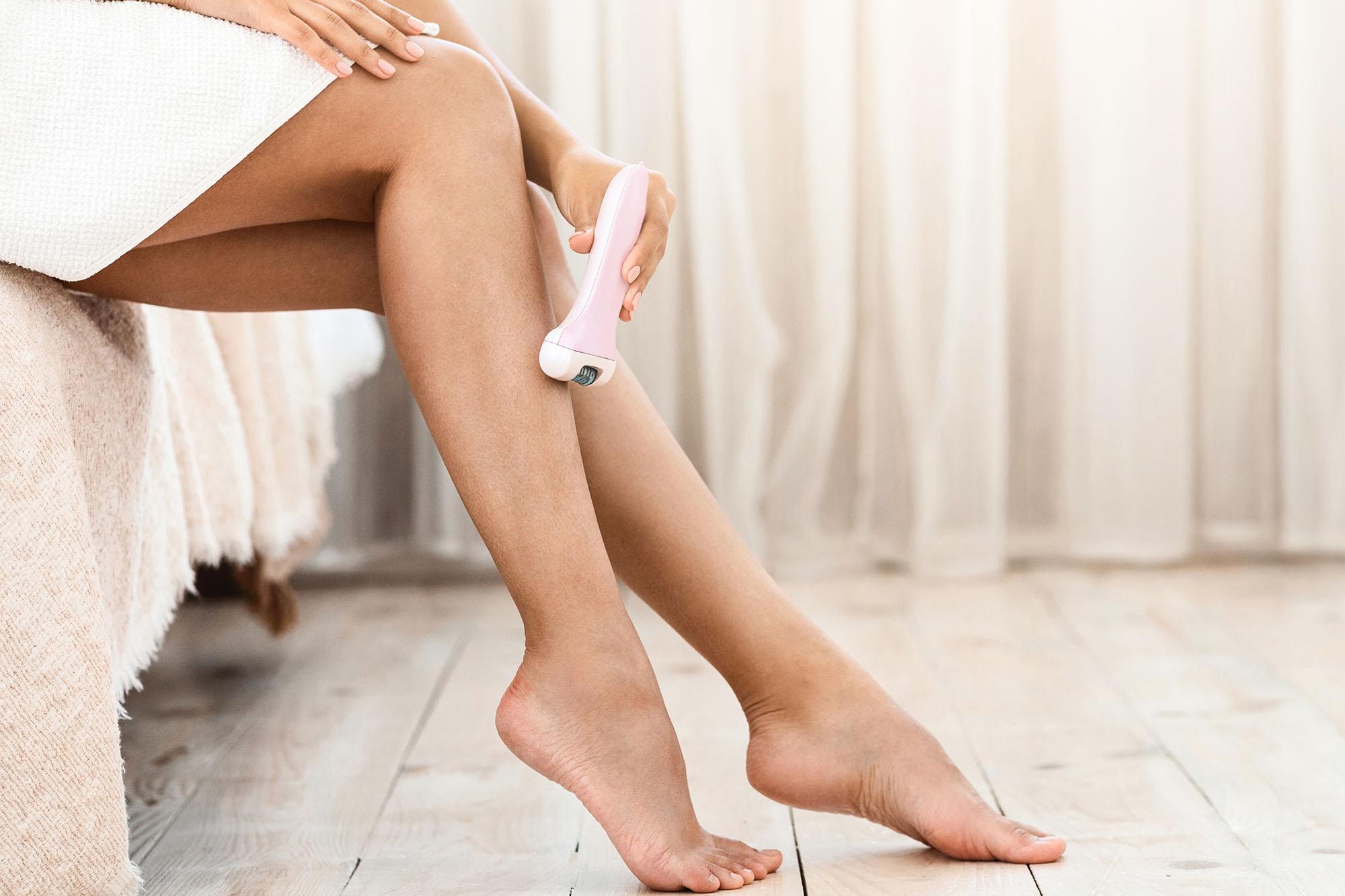
Legs – Generally considered the easiest starting point. The skin is usually less sensitive than other areas, making it a good introduction for beginners.
Underarms – This area has thinner skin and more nerve endings which makes it more sensitive. Going slowly helps a lot.
Bikini line – Usually one of the more uncomfortable areas. It’s worth waiting until you’ve completed a few sessions before tackling this zone. Using a wet-and-dry epilator in the shower or bath can make the process more comfortable too.
Face – This area is sensitive, so a dedicated facial epilator is a good idea. The Braun BRN SE810 Wet & Dry Face Epilator makes it much easier to tackle delicate areas, and comes with a cleanser attachment to help prep the skin.
Some parts of the body are naturally more sensitive than others, but don't let that put you off. Many people find that any initial discomfort quickly becomes more manageable with practice.

How to make epilating less painful
If you’re worried about epilator pain, these simple tricks can help make it easier.
Epilate after a warm shower or bath
Warm water helps soften the skin and hair, which can make epilating feel gentler.
Exfoliate beforehand
Gentle exfoliation removes dead skin cells and helps reduce the risk of ingrown hairs.
Hold the skin taut
Stretching the skin slightly while epilating can help the device grip hairs better and prevent unnecessary pulling.
Start on the lowest speed setting
Begin with the lower setting to become familiar with the sensation and give you more control over the process.
Use a wet-and-dry epilator in water
Many modern epilators are designed to be used in the bath or shower. Some popular waterproof models include the Braun Silk-épil 7 SE7-241 Wet & Dry Epilator and Philips BRE738/00 Series 9900 Wet & Dry Epilator.
Stay consistent
Regular epilation usually becomes easier over time. Since hairs tend to grow back finer, each session should feel less intense than the last.
Choosing an epilator designed for comfort
Modern epilators come with features designed to make hair removal more manageable, especially if you're new to epilation. Here’s what to look out for:
Wet-and-dry operation – Lets you epilate safely in the bath or shower.
Multiple speed settings – Mean you can start gently and increase the intensity as you become more confident.
Ergonomic grips – Give you better control when working around different areas of the body.
Flexible heads – Designed to follow the contours of your body more closely, so the epilator stays in contact with your skin.
Cordless use – Makes it easier to reach different areas without being restricted by a power cable.
Massage attachments and caps – Help reduce the intensity of the sensation while you epilate.
Precision attachments for sensitive areas – Allow for more targeted hair removal on more sensitive areas such as the face, underarms and bikini line.
The Panasonic ES-EY90-A511 Double Disc Wet & Dry Epilator Kit includes eight attachments for different treatment areas, plus exfoliation and foot-care accessories.
Epilation aftercare tips for smoother skin
A few simple aftercare steps can help calm the skin and minimise temporary redness.
Apply a gentle fragrance-free moisturiser to hydrate the skin.
Avoid perfumed products, hot baths and tight clothing for a few hours as your skin will be temporarily more sensitive.
Keep up a regular exfoliation routine between sessions to remove dead skin cells and prevent ingrown hairs from forming.
Some redness is completely normal and should settle fairly quickly after treatment.
Epilator vs shaving vs waxing: which feels most comfortable?
| Hair removal method | Discomfort level | Convenience | Typical results duration |
|---|---|---|---|
| Shaving | Low | Very convenient | 1 to 3 days |
| Epilating | Moderate | Convenient at home | Up to several weeks |
| Waxing | Moderate to high | Often requires appointments or home kits | Up to several weeks |
Shaving is usually the most comfortable option, but you’ll spend more time on upkeep. Epilation and waxing remove hair from the root for longer-lasting smoothness. Whereas IPL works differently by targeting the hair follicle to help reduce regrowth over time, with results improving through repeated treatments.

Ready to give it a go?
While epilating isn't completely pain-free, it's often far more manageable than people expect. With the right prep and device, epilation can be a really effective and reliable way to remove unwanted hair with smoothness that lasts much longer than shaving.
For a full comparison of your options, check out our ladies shavers, trimmers and IPL hair removal devices.
FAQs
How to get past the pain of epilating?
Start slowly and focus on preparation. Epilating after a warm shower, holding the skin taut and using a wet-and-dry epilator can all help make the process feel more manageable. Many people also find that the sensation becomes easier to handle with regular use.
How badly does an epilator hurt?
Most people describe epilation as uncomfortable rather than painful. The feeling is often compared to multiple hairs being tweezed at once, but the intensity varies depending on your pain tolerance, hair thickness and the area being treated.
What hurts worse, epilator or waxing?
Waxing and epilation can feel similar because both remove hair from the root. However, waxing removes a large number of hairs in one quick pull, while epilation spreads the sensation out into smaller, repeated pinches as the device moves across the skin.
Is it less painful to epilate wet or dry?
Many people find wet epilation more comfortable. Warm water can help soften the skin and hair, which may reduce some of the discomfort associated with removing hairs from the root.
Is epilating better than shaving?
It depends on your priorities. Shaving is quick and generally pain-free, but hair grows back relatively quickly. Epilation removes hair from the root, helping skin stay smoother for longer and reducing how often you need to remove hair.
Where is the least painful place to epilate?
The legs, particularly the lower legs, are usually considered the easiest area to start with. The skin tends to be less sensitive than areas such as the underarms, bikini line or face, making it a good introduction to epilation.