


Summer is in full swing. And that means it’s the best time to stock up on BBQ food and frozen treats for gatherings with your friends and fam. But do you have enough room for all those extra goodies in your fridge freezer?
If the answer’s no, then a chest or upright freezer might be just what you need. It’ll give you loads more storage for frozen food, so you can keep all your party essentials on ice. But these freezers are great all-year round too, letting you buy in bulk or just keep anything else you might want to eat later fresh. There’s nothing wrong with planning ahead!
We’ve compared both types to help you pick the perfect new freezer. Looking at their designs, energy efficiency, and more. Sound cool?
Overview:
Chest freezers are box-shaped appliances with a wide, low-profile design. They’re pretty similar to those ice cream freezers you see in corner shops. But instead of having sliding glass doors, most will feature lids that you open upward.
Because of their horizontal shape, chest freezers don’t typically have shelves like uprights or normal fridge freezers. But a few models will have baskets or dividers to help you keep food organised. And chest freezers come in various sizes too, from compact types that fit in small spaces to larger units that can hold plenty of food.


Now that you know what chest freezers are like inside and out, let’s highlight some of their benefits:
Extra room for big food: Most chest freezers have an open layout that makes it easier to store large and awkwardly-shaped items. A big Christmas turkey, a bulky joint of meat, you name it.
Energy efficient: Their deep design and sidewall insulation prevents cold air from escaping when you open their lid to grab something. This means that chest freezers can save more energy than other types of freezers in the long run. Plus, in the event of a power outage, they can keep contents cool for even a couple of days.
More affordable: Chest freezers are generally less expensive to buy upfront compared to upright freezers of a similar capacity.
Flexible placement: Many chest freezers can be put in garages or unheated outbuildings as they handle temperature fluctuations better than other freezers.

Disadvantages of chest freezers
While chest freezers have plenty going for them, they do have some drawbacks worth knowing about:
Take up more floor space: Most chest freezers have a larger footprint than uprights, which can make them tougher to squeeze into small kitchens or garages.
Harder to keep organised: Some chest freezers have baskets or dividers, but many don’t. This means items can pile up and get buried at the bottom, so you might have to spend more time rummaging around to find what you’re looking for.
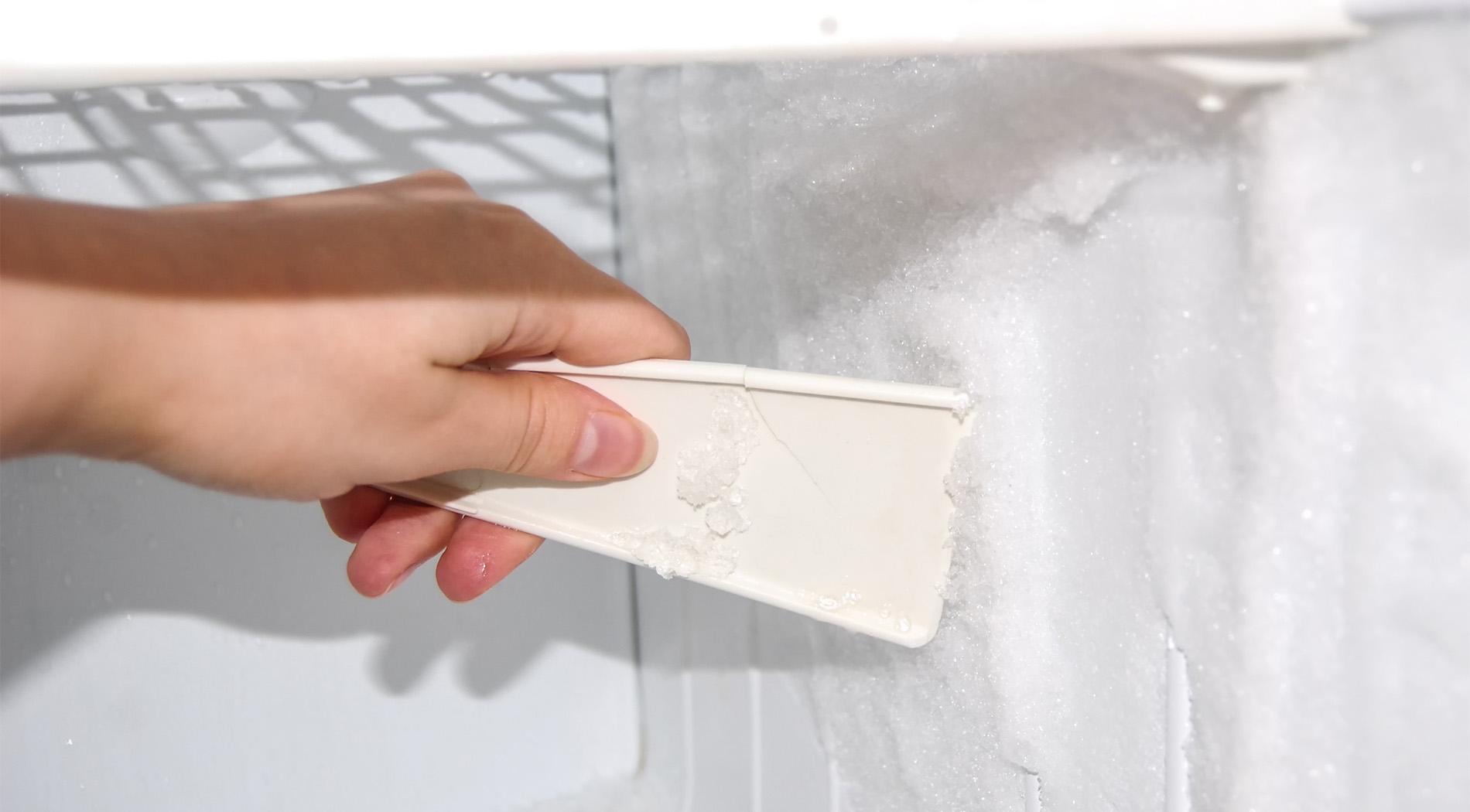
Need defrosting manually: A lot of chest freezers don’t have an auto-defrost feature, so you’ll have to chip away icy buildups every few months to keep them performing their best.
Defrost like a pro!
Our how to defrost a fridge freezer guide is full of n-ice and easy tips you can follow to get your appliance free of frost.
From the outside, upright freezers look just like regular fridges. They’re tall and have doors you open vertically. And they’re not much different on the inside either, with shelves and draws that help you keep food organised.
Like chest freezers, tall freestanding freezers can come in a few different sizes. But if you don’t need that much extra storage, you could always check out undercounter freezers. They’re just shorter versions of upright freezers that, as their name suggests, can be neatly tucked away under a counter.


Upright freezers have a few perks that might make one a better fit for your home:
Space-saving design: Because of their vertical shape, upright freezers have a smaller footprint than most chest freezers. This means they can be more easily placed in tight spaces with limited floor area.
Easier to keep tidy: Uprights have shelves, drawers, and door compartments which make it simple to separate food and find items quickly. No need to waste time digging!
Auto-defrost feature: Many uprights have frost-free tech which saves you from the hassle of manual defrosting. So, you can just chill and know it’s taking care of itself. But it can create a little extra noise.

Disadvantages of upright freezers
As cool as upright freezers can be, they do have some cons to keep in mind:
Less energy efficient: Because of their vertical design, cold air falls out more easily when you open an upright freezer’s door. This means that they’ll use more energy to replace the cold air which is lost.
Higher cost: Upright freezers usually cost more upfront than chest freezers. But this can be attributed to some of the extra features they often have, like auto-defrost, fast freeze, and handy digital controls.
Smaller storage capacity: While uprights help you keep food organised with shelves and draws, they can’t hold quite as much food as chest freezers. This means that they’re not as ideal for bulky items either.
Less effective in unheated spaces: Many upright freezers don’t perform well in garages or outbuildings with fluctuating temps.
We’ve covered chest and upright freezers in plenty of detail, including their pros and cons. But here’s a quick side-by-side summary of how they stack up — to help you decide which is best for you:
| Feature | Chest freezers | Upright freezers |
|---|---|---|
| Cost | Lower upfront cost (average £250-£500) | Higher upfront cost (average £350-£900) |
| Energy efficiency | Use less energy (deep design means less cold air loss when lid is opened) | Use more energy (more cold air escapes when door opens) |
| Cold retention (in power outage) | Keeps food frozen longer (better insulation) | Warms up faster when power is lost |
| Storage capacity | More usable space and handles bulky items easily | Less usable space due to shelves and drawers |
| Organisation | Harder to organise (food piles up) | Easier to organise (with shelves, bins, etc.) |
| Defrosting | Most require manual defrosting | More frost-free models available |
| Accessibility | Harder to reach items at bottom | Easy to access, with food at eye level |
| Footprint | Takes up more floor space (wider design) | Takes up less floor space (taller and narrower) |
| Appearance | Bulky and quite bland, with most models in white only | More modern-looking with different finishes |
| Placement | Good for unheated garages and outbuildings | Some models not garage-friendly (designed for more stable temperatures) |
| Noise | Usually quieter | Slightly noisier (if it has auto-defrost feature) |
Chest freezers tend to offer extra space for bulk buys and they’re often more energy efficient. But you’ll need room for their wider footprint and be prepared to dig around a little to find what you’re after. Upright freezers, on the other hand, are perfect if you like everything neatly organised and easy to grab. They take up less floor space too, making them a good fit for smaller kitchens or utility rooms.
So, just think about how much you freeze, what you freeze, and where it’ll live when it comes to picking the right freezer style for your home.
No matter which type of freezer you go for, there are a few simple things you can do to save energy and keep your bills in check:
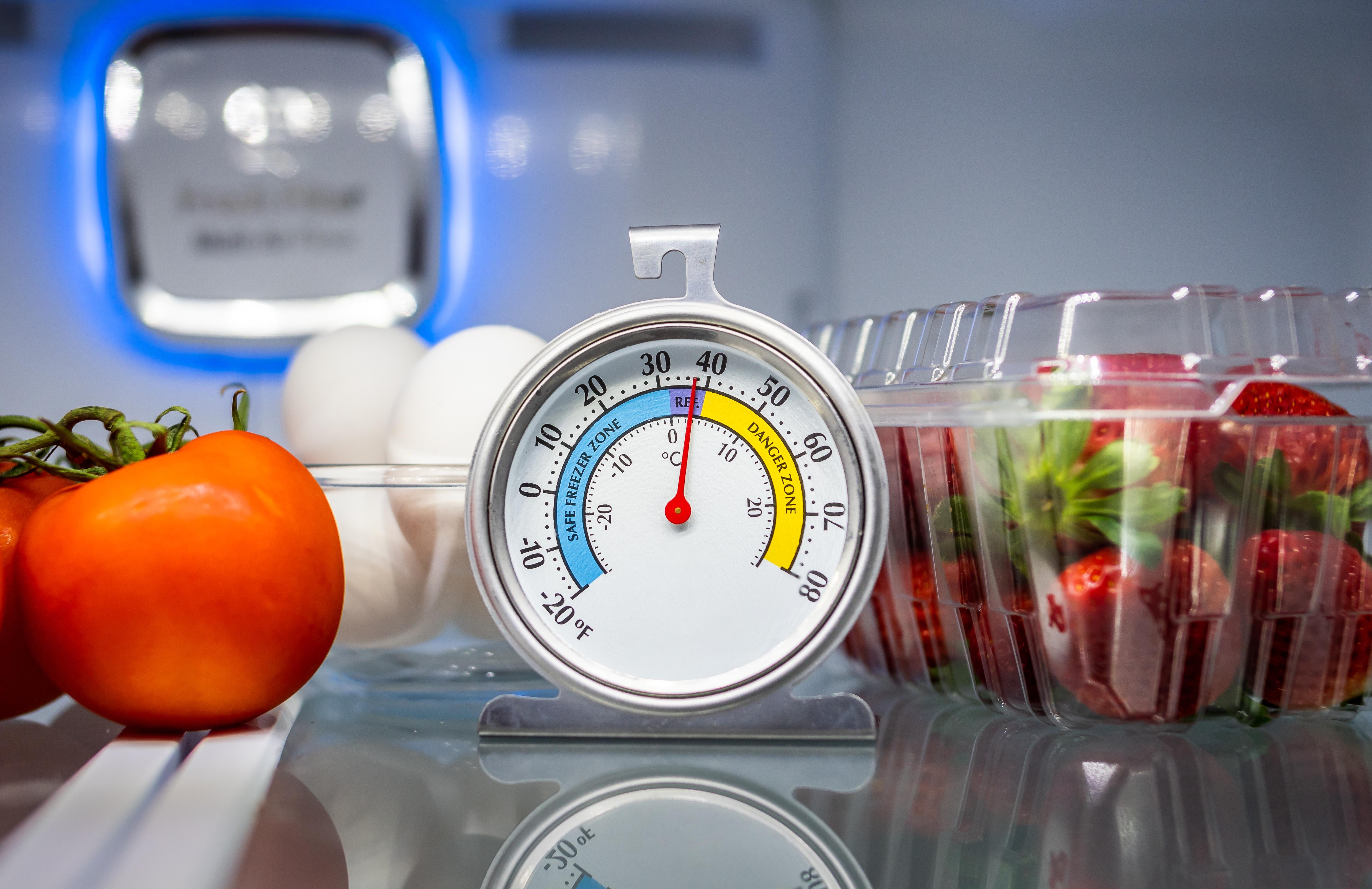
Set the right temperature: Keep your freezer at -18°C (0°F). Setting it any colder wastes energy without preserving food any better.
Let hot food cool first: Don’t put warm food directly into your freezer. It’ll make its compressor work overtime to cool it down.
Avoid frequent door opening: Every time you open your freezer’s door or lid, warm air enters and makes the freezer work harder to restore the right temperature.
Keep it full (but not overpacked): A full freezer retains cold better than an empty one. If it’s not full, use water bottles, ice packs, or bread to fill the space.
Clean the coils: For freezers with exposed condenser coils (they’re usually on the back), clean them at least twice a year to improve heat exchange.

Are chest freezers more energy-efficient than uprights?
Yes, chest freezers are generally more energy-efficient. This is because they lose less cold air when opened, as it stays near the bottom of the freezer. Whereas upright freezers release cold air more easily when their doors are opened. Chest freezers often have better insulation and less complex designs too, which can make them run more efficiently.
Can I keep a freezer in a garage or shed?
Yes, placing a freezer in a garage or shed is generally fine — as long as it's designed to handle temperature fluctuations. That’s because garages and sheds can get very cold in the winter and super hot in the summer, especially in the UK. So, if you have a freezer with a narrow operating temperature range, it could get damaged in extreme weather.
That’s why it’s always best to check your freezer manufacturer's guidelines for operating temperature ranges. It’s also a good idea to place a freezer in a spot that’s not exposed to direct sunlight or damp. Most chest freezers are “garage-ready” and designed to be stored in unheated spaces.
How often do I need to defrost my freezer?
You should defrost your freezer when the frost buildup is thicker than a quarter of an inch (or around 6mm). This could take between 6-12 months to develop, but it all depends on the type of freezer you have. Manual-defrost freezers need more frequent defrosting compared to automatic-defrost models, which cleverly keep buildups at bay.
How long does a freezer last?
Freezers typically last between 10 to 20 years. But their lifespan can be affected by a few things, like how well they’re maintained, how often they’re used, and their general build quality. Common signs that indicate it’s time to replace your freezer include weird buzzing noises, food that’s spoiling faster than usual, and excessive frost buildup.
If you reckon it’s time to replace yours, check out our huge range of fridge freezers, integrated freezers, and freestanding freezers now.
Need extra help?
We’ve got plenty more cool advice here on TechTalk. Like our freezer myths debunked article, which explains what food can and can't be frozen. Or find out why food freezes in your refrigerator instead.