

You’ll find voice assistants in most homes in Britain. In fact, 60% of UK homes have a smart speaker. They’ve become part of our everyday lives - helping us manage tasks, control smart homes, play music and more.
And they’ve been come a long way in the last decade. When smart speakers first launched, they often misunderstood voice commands. They also lacked contextual awareness - struggling with follow-up questions or multi-step tasks.
But now they’re smarter than ever! In 2025, the big names are Alexa, Google Assistant and Siri - and they’ve all got very special skills. They’re not just in smart speakers either. You’ll find these assistants popping up on smart displays, TVs and even headphones!
But which voice assistant is right for you?
This guide compares their features, compatibility and performance to help you decide who you’ll hire as your new smart assistant!


Alexa in 2025 – What’s new and improved
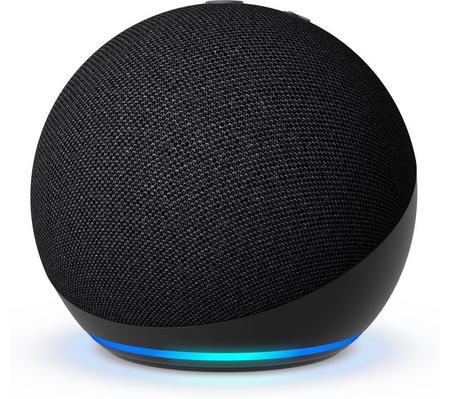
Amazon Alexa continues to evolve, with 2025 bringing smarter routines and better Matter support – meaning better integration with other smart home devices is much slicker. Alexa is particularly slick with Echo devices – like Echo Dot and Echo Show, Fire TV and Ring.
If you’re deep into smart home tech, Alexa is a powerhouse. It supports the widest range of third-party devices and offers thousands of skills - from controlling lights to ordering pizza. And if you’re new to it all, the Smart home buying guide is a great place to start.
Why choose Alexa?
You want a voice assistant that works well with different smart home brands
You use Amazon services like Prime Video or Music
You’re looking for affordable tech like the Echo Dot
Google Assistant in 2025 – Smarter and more connected
Google Assistant shines in 2025 with advanced AI features and deeper integration with Gemini AI. According to Analytics Insight, It’s just about the best assistant at understanding natural language, follow-ups and contextual queries.
If you’re an Android or Google Pixel user, Google Assistant feels like a natural extension of your device. It also works pretty seamlessly with Nest products. Take the Google Nest Hub, for instance.
You can ask Google Assistant to show weather updates, play music, control smart home devices or display your calendar - all on the Nest Hub’s screen. The visual feedback enhances the experience - making it easier to follow recipes, watch videos or see who’s at the door when paired with a compatible camera.
Why choose Google Assistant?
You want a next-level, AI-powered voice assistant
You use Android or Pixel devices
You rely on YouTube Music or Google Calendar

Siri in 2025 – Apple’s seamless experience
Siri has levelled up with iOS 19 and Apple Intelligence, offering improved on-device processing and a serious focus on privacy and security. If you already use Apple tech, Siri is a bit of a no-brainer.
From your iPhone to your HomePod Mini, Siri works smoothly across Apple devices. However, it’s still limited when it comes to third-party smart home compatibility.
Why choose Siri?
You’re an Apple user with iPhone, iPad, or Mac
You value privacy and security
You want seamless integration across Apple services
| Feature / Criteria | Alexa (Amazon) | Google Assistant | Siri (Apple) |
|---|---|---|---|
| Best For | Smart home power users & wide device compatibility | Android/Pixel users & natural language accuracy | Apple users fully in the iOS/macOS ecosystem |
| Ecosystem Strength | Echo speakers, Fire TV, Ring, smart plugs | Android phones, Pixel devices, Nest products | iPhone, iPad, Apple Watch, HomePod |
| Smart Home Compatibility | Widest support across third-party devices | Strong, especially with Google Home/Nest | Limited to HomeKit-certified devices |
| AI & Natural Language | Good, but slightly behind Google in accuracy | Excellent – best at understanding context & follow-ups | Improved with Apple Intelligence in 2025, but Apple-only |
| Music & Media Integration | Best with Amazon Music, Spotify support | Best with YouTube Music, supports Spotify, others | Best with Apple Music, limited third-party |
| Privacy & Security | Strong parental controls, customizable settings | Strong, Google account-based | Strongest on privacy, Apple-first approach |
| Affordability / Device Cost | Wide range, entry-level Echo Dot very affordable | Mid-range, Nest Hub and Pixel phones priced higher | Premium pricing (HomePod, iPhone, iPad) |
| Voice Recognition Accuracy (2025) | Good for commands & routines | Best overall for search queries & contextual answers | Stronger with iOS 19, but Apple-limited |
| New Features in 2025 | Better Matter smart home support, improved routines | Advanced AI features, tighter integration with Gemini AI | Apple Intelligence integration, improved on-device processing |
Which voice assistant is best for you?
Here’s a quick guide based on what you want your voice assistant for:
Apple-only households: Go with Siri for seamless integration and top-tier privacy.
Android users: Google Assistant is your best bet for smart AI and device compatibility.
Smart home enthusiasts: Alexa offers the widest support and most flexible routines.
Budget-conscious: Amazon Echo Dot is an affordable way to get started.
FAQs
Which voice assistant is most accurate in 2025?
Google Assistant takes the crown for accuracy, especially for contextual and follow-up questions – according to Analytics Insight.
Alexa is solid for commands and routines, while Siri has improved with Apple Intelligence but remains Apple-focused.
Is Alexa better than Siri for smart homes?
Yes. Alexa supports the widest range of third-party smart home devices. Siri works well with HomeKit, but its compatibility is limited compared to Alexa.
Can I use multiple voice assistants at once?
Absolutely. Many households mix and match—Alexa for smart home control, Google Assistant for search, and Siri for Apple devices. Just keep in mind they won’t share data across platforms.
Which voice assistant is best for Android users?
Google Assistant is the clear winner for Android users thanks to deep integration with Android OS and Google services.
Does Siri now work with non-Apple devices?
Not really. Siri remains exclusive to Apple hardware like iPhone, iPad, and HomePod. If you want cross-platform flexibility, Alexa or Google Assistant is better.
Which assistant is cheapest to start with?
The Amazon Echo Dot and Google Nest Mini both start around £30, depending on deals. Siri’s HomePod Mini is slightly pricier, usually £90+.
Are voice assistants secure in 2025?
Yes, all three have strong security measures. Siri leads on privacy with Apple’s on-device processing, Google uses account-based security and Alexa offers customisable parental controls.
What’s next?
To get smart around the house, find out how to set up your smart home. And when your ready to pick out your tech, you can always shop smart home devices.