

We’ve all heard of smartphones, smart TVs, and smart watches… but what is smart lighting? And is it something you need in your home?
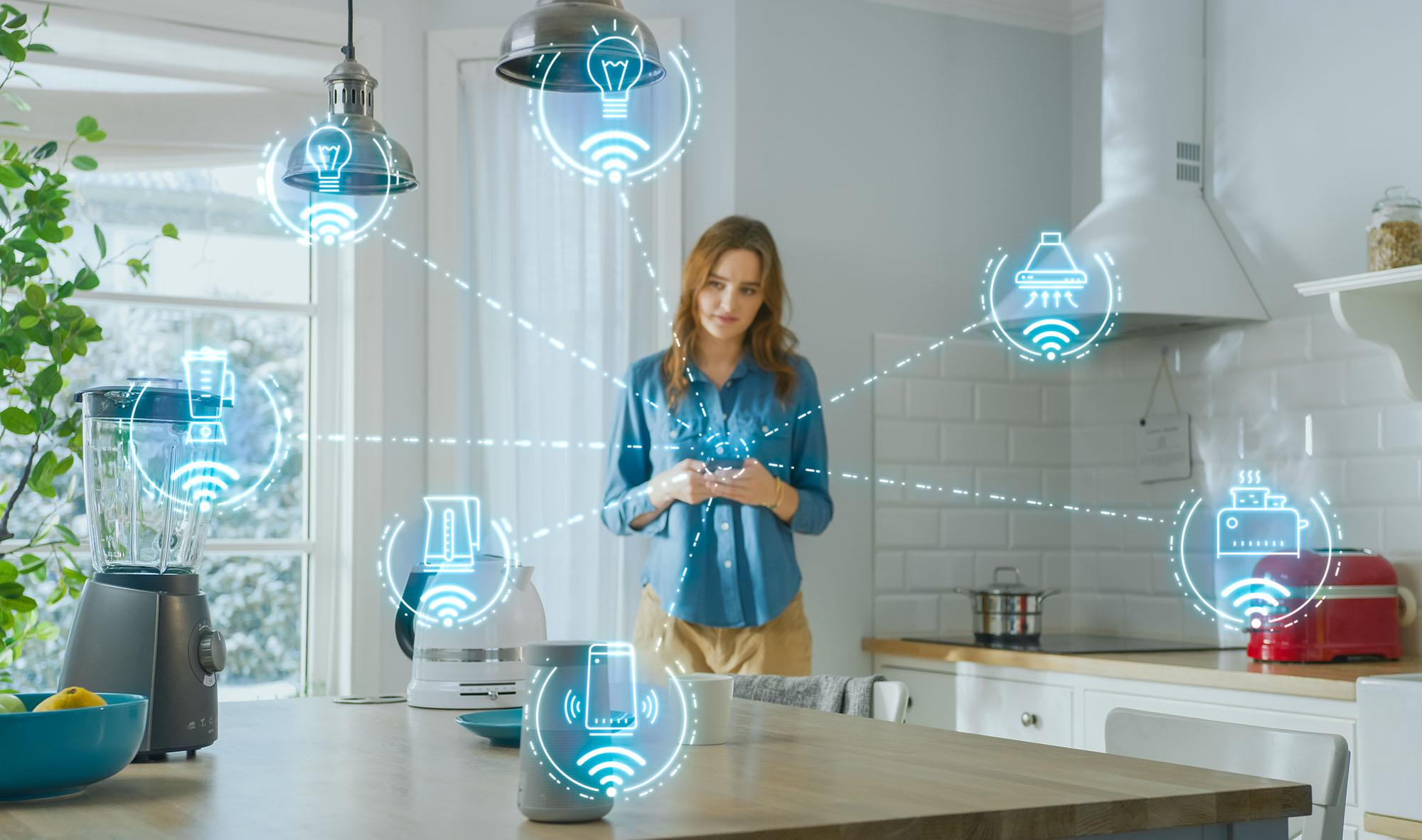
Smart technology is revolutionising our homes in really helpful ways. From letting us see who’s at the front door from our phones, to adjusting the thermostat without getting off the sofa.
And smart lighting is no exception. Whether you want cinema-worthy lights for your movie night or to switch off your lights from the comfort of bed, smart lights might be just what your home is missing.
This guide will take you through everything you need to know about smart lighting and how it can help brighten up your home.
What are smart lights?
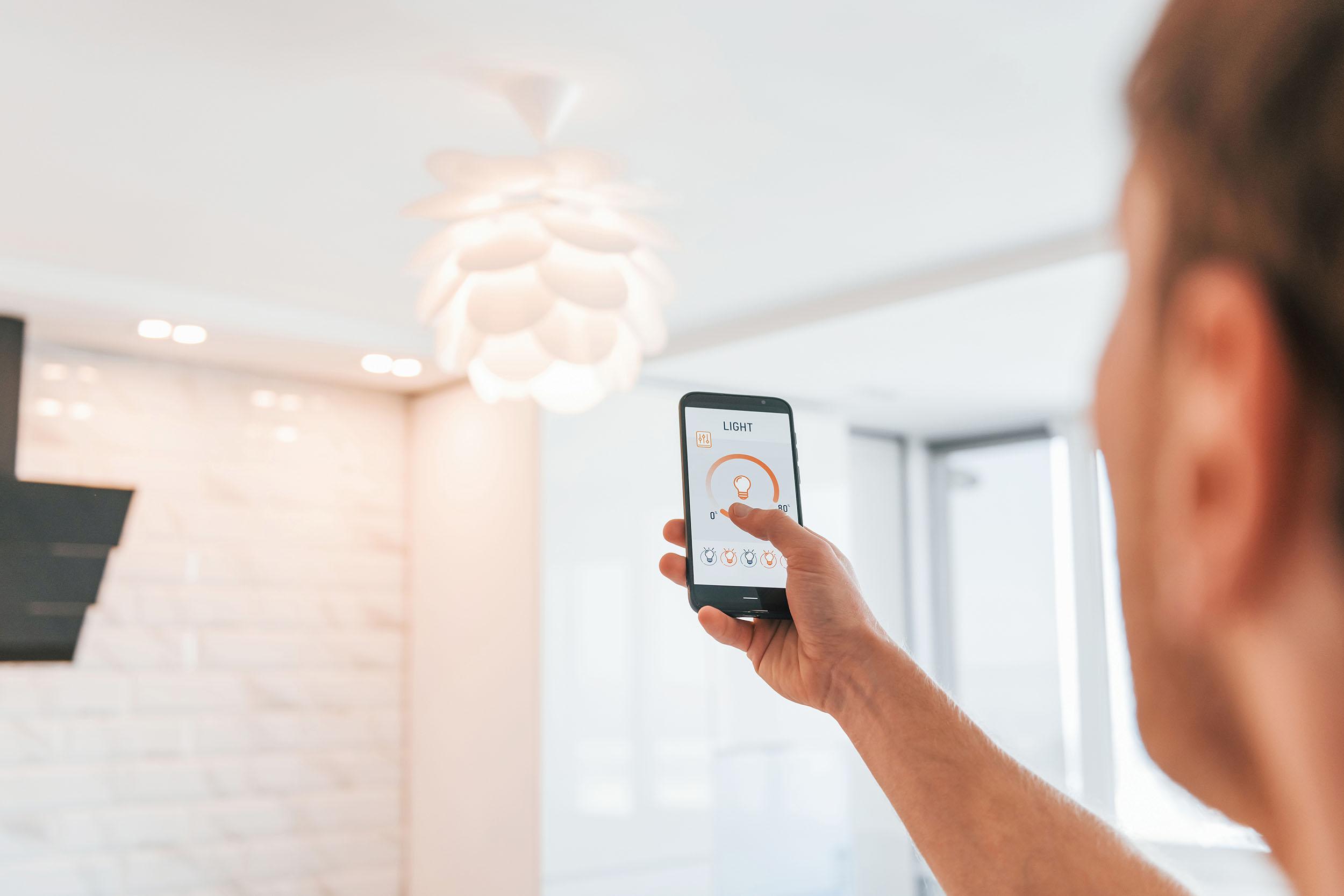
To put it simply, smart lights are advanced, internet-connected lights that can be controlled by your phone or smart speaker. If you’re someone who avoids putting on “the big light” in preference for smaller mood lights, smart lights can help you make a cosy, relaxing space.
Whether you know them as smart lights, Wi-Fi lights, phone lights, or app-controlled lights, they all refer to the same idea. Smart lights come in different styles, including light bulbs, light strips, and lamps.
Smart light bulbs replace traditional incandescent light bulbs, so they are super easy to install. Once fitted, connect them to Wi-Fi or Bluetooth, then adjust the colour and brightness from your phone.
Smart light strips are flexible, adhesive strips which can be fitted around TVs, cabinets, or around the edges of a room to make custom-lit backgrounds. Strip lights are especially good for building an immersive entertainment system. Connect them via Wi-Fi or Bluetooth to your smart TV or music speaker, and they’ll change colour to match what’s playing.
Smart lamps use smart light bulbs to connect to your phone and are usually controlled by an app. They don’t need to be installed or fitted, so you can just place them where you want, sync them up, and you’re good to glow.
How do smart light bulbs work?
Unlike standard light bulbs, smart light bulbs need your light switch to be left on, even when the lights are off. But don’t worry, they use very little power when they’re in standby mode.
Smart bulbs have a built-in Wi-Fi, Bluetooth, or Zigbee chip that allows them to connect to devices like your phone or smart home assistant. The light bulbs then receive wireless inputs from you that adjust their appearance, colour, brightness, warmth and more. This is why it’s important to keep the main switch on, otherwise they can’t follow your instructions.
Smart lighting tech explained
Smart lights usually connect either via Wi-Fi, Bluetooth, or a dedicated hub such as Zigbee. This table explains the differences between each type, so you can work out which is right for your home.
| Feature | Dedicated Hub (e.g. Zigbee) | Wi‑Fi | Bluetooth |
|---|---|---|---|
| How it connects | Lights connect to a separate hub/bridge which then connects to your router | Lights connect directly to your Wi‑Fi router | Lights connect directly to your phone or tablet |
| Internet required | Not for basic local control (internet needed for remote access) | Yes, for setup, cloud features and remote control | No internet required |
| Dedicated hardware needed | Yes (hub/bridge) | No extra hardware | No extra hardware |
| Range | Very good due to mesh networking (lights extend range) | Good, but limited to router coverage | Short (typically 5–10 metres) |
| Speed / responsiveness | Fast and consistent | Can vary depending on Wi‑Fi traffic | Fast locally, but drops with distance |
| Smart home integration | Excellent (Alexa, Google Home, HomeKit) | Good (cloud‑based integrations) | Limited (varies by platform) |
| Best suited for | Whole‑home smart lighting systems | Simple setups without extra hardware | Single rooms, lamps, or beginners |
| Typical cost | Higher upfront (hub cost), cheaper per bulb long term | Lower upfront, bulbs slightly more expensive | Usually more budget‑friendly |
Why are smart lights LED?
LEDs are perfect for smart lights as they support all the awesome instant dimming and colour-changing features, unlike standard lightbulbs.
They’re also more durable and last a very long time. LED bulbs can span anywhere from 25,000 to 50,000 hours, so you’ll need to change them far less often.
And if you’re conscious about your energy usage, LEDs use 75% less energy than standard bulbs. Also, LEDs don’t produce a lot of heat, which means the smart electronic components inside don’t overheat and get damaged.
When it comes to colour changing, there are two main types to be aware of: RGB and RGBIC.
- RGB (red, green and blue) strips display one uniform colour at a time across the entire strip. These tend to be better suited for single-colour accent lighting or as a budget-friendly option.
- RGBIC (Red, Green, Blue, and Independent Control) strips are more advanced and feature chips that allow them to display multiple moving colours at the same time on a single strip. These are better suited for home entertainment setups as they create greater immersion, but they are on the pricier side.
5 benefits of smart lighting
1. Scheduling your lights to switch on or off
There’s no better start to the day than waking up naturally to morning light. In fact, research has shown that waking to gradually brightening light helps improve people’s mood and energy levels. And that’s why people are using therapy lights to help with Seasonal Affective Disorder. So, in darker months, it’s a good idea to invest in a light source that will help start your day off a bit brighter.
With smart lighting, you can program your lights to gently switch on at a preset time and act as your morning alarm. Not only is this a nicer alternative to a screeching siren, but it can also help you set and stick to a regular sleep routine. Set up smart routines so your lights automatically switch off at bedtime and give yourself a better night’s sleep.
2. Controlling lights with your voice or phone
You sit down, you get comfortable, and then you realise a light in the house has been left on. It’s a minor inconvenience, but a real ugh-moment. Instead of interrupting your peace and getting up to switch it off, use your phone to turn the light off remotely without moving a muscle.
3. Personalising your space with customised effects
We all like our lighting to change throughout the day. Bright, cold white lights might be helpful when focusing on work, but are less appealing when winding down in the evening. Use the dimmer and warmth features on smart lights to get that sweet spot, all day long.
And that’s just for starters. Many smart lights can produce all kinds of impressive visual effects, from party-approved vibrant flashing to mimicking the relaxing glow of a fireplace. That means that whatever the activity, time of day, or household vibe, you can adjust your lights to match.
4. Integrating your lights with your smart devices
If you’re already the proud owner of a smart home setup, smart lighting can seamlessly fit in.
Pair with a smart security camera, and your smart lights can switch on when motion is detected.
Link your doorbell camera to an outside smart light to welcome guests (or deter trespassers).
5. Saving money and energy
According to a survey by Uswitch.com, 44% of households said they've argued about leaving lights on in empty rooms. So, it can be a real energy zapper for both your electrical usage and mood.
LED-powered smart lights are an energy-efficient alternative, as being able to switch off lights when you’ve already left the house can save you money and energy-wasting guilt. Plus, setting up your smart lights to work with motion detection means you’ll save energy, as the lights will only come on if they sense movement.

What smart lights should I get for my house?
Each room in your home has a different purpose, so the perfect lighting level isn’t the same for all. Relaxing mood lighting is great for creating a cosy bedroom environment, but might not be as useful when dicing up veg in the kitchen.
So how can smart lighting be used effectively in each room?
Bedroom
If your bedroom is your sanctuary, make it feel even cosier with WIZ RGBIC Smart LED Lightstrips. Easy to install: just cut to size, then stick them where you want using the adhesive backing to place. Position them under your bed for a soft, subtle glow that’s easy on the eyes. Or place them along the edges of your room and set them to switch on in the morning as a gentle start to your wake-up routine.
Kitchen
Whether you’re making mashed potatoes or margaritas, proper lighting is a key ingredient in the kitchen.
The PHILLIPS HUE Essential Colour Smart LED Bulb works with Alexa and Google Assistant, meaning you can use voice commands to increase the brightness when you’re preparing a meal for the family. And when you’re ready to tuck in, dim the brightness to create a relaxed dining atmosphere. And hide the mountain of washing up.
Living room
Whether you want to binge your favourite shows or curl up with a good book, customisable lighting can get you in the mood. PHILIPS HUE Smart LED Floor Lamp illuminates accent walls with 16 million vibrant colours.
The PHILIPS HUE Bridge makes it easy to manage your lighting system. Control up to 50 Philips light bulbs from your phone, TV surround lighting and set up advanced lighting schedules, even when the Wi-Fi’s down.
Bathroom & hallway
Getting up in the night to use the bathroom creates a major dilemma. Do you turn the lights on and create a disturbance, or feel your way through the dark and hope your bat-like senses guide you to the right place?
With the GOVEE Smart Table Lamp 2, you don’t need to make the choice. Sync the smart lamp and an indoor security camera to your smart home assistant, and create a customised light response when motion is detected. That way, you can illuminate the path to the bathroom without alerting the whole house.
Outside
And smart lights aren’t exclusively for indoor use. Highlight your garden and outside features with beautiful, customisable lighting. The GOVEE Smart Outdoor Spotlights are a great option, helping to brighten your home, even in heavy rain. Either mount them on the wall or in the ground and use your phone or smart speaker to create your own visual effects. So, whether you’re helping visitors find your home or hosting a BBQ that goes into the night, your house looks as good outside as it does inside.
Feeling a lightbulb moment?
For more smart home tips and tricks, check out our Smart home buying guide.