

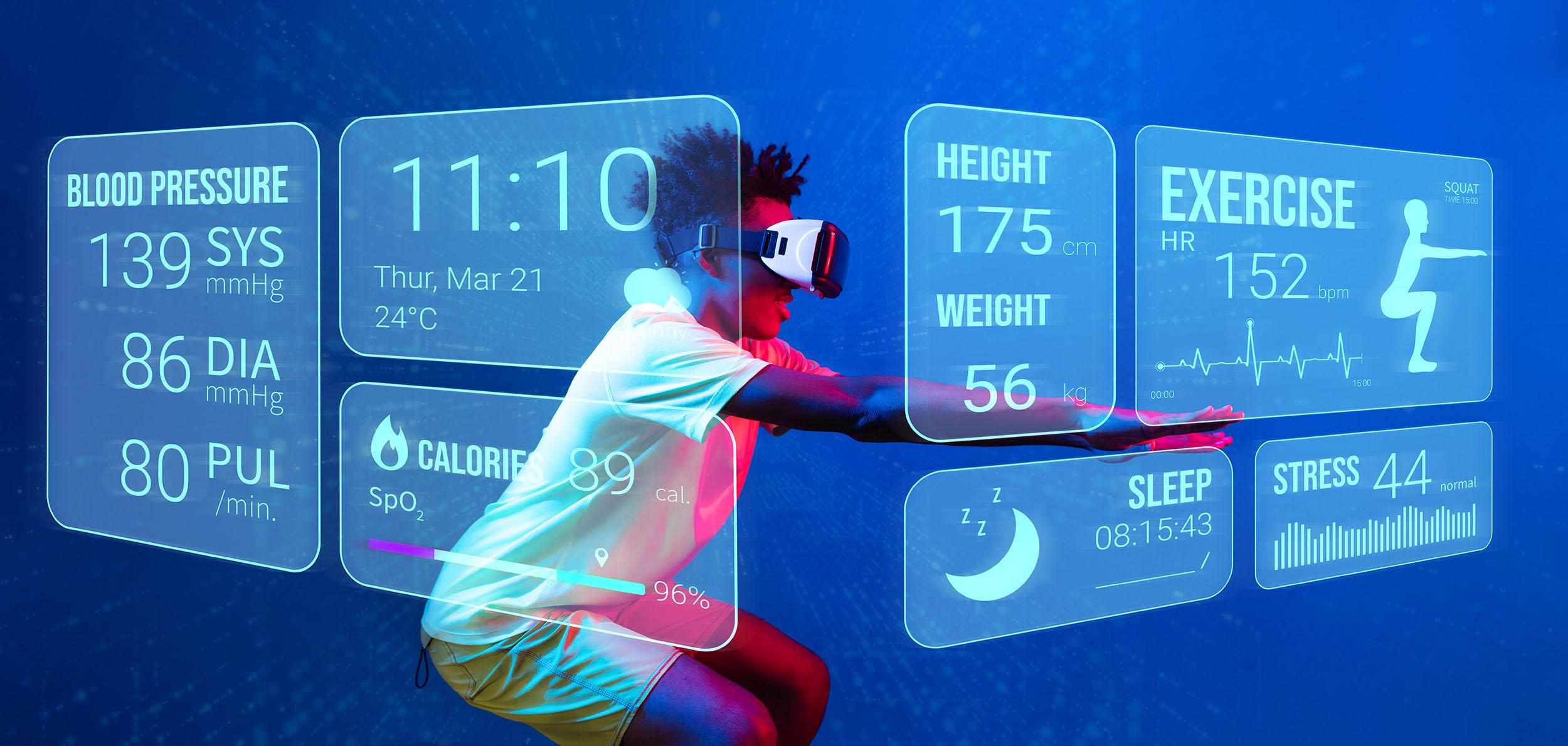
Fitness is no longer just about hitting the gym or counting steps. Today, it’s powered by AI – whether that’s health sensors, smart rings or VR workouts. People expect real-time coaching they can take with them in smartwatches, fitness trackers and more. And they want a fuller picture of their health – from heart rate to fitness level. Here’s what’s shaping the future of fitness tech in 2026.
1. Smartwatches become your personal trainer
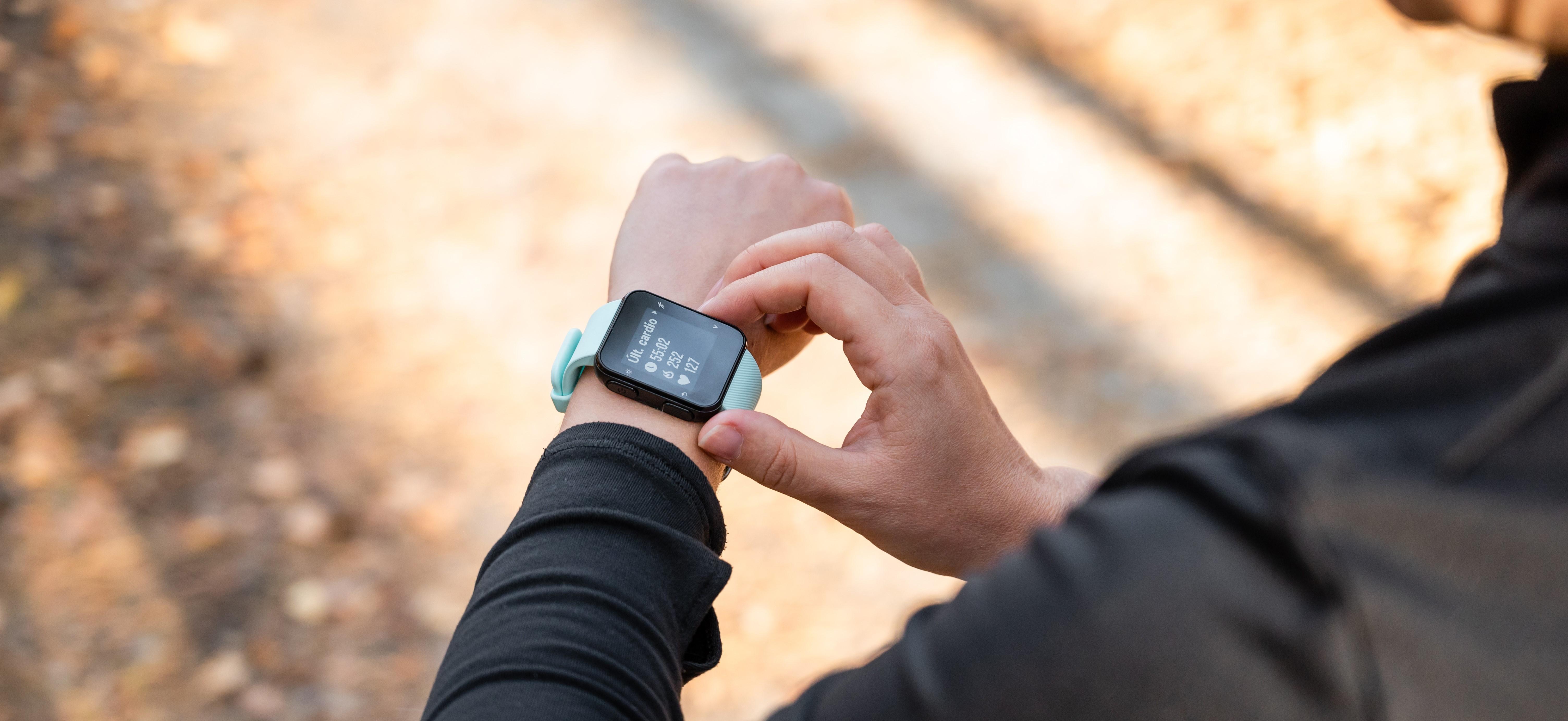
Smartwatches have evolved from passive trackers into coaching tools that give you tips and tricks. Big names like Apple Watch, Samsung Galaxy Watch and Garmin now offer everything from VO₂ max estimation (which helps us understand how we use oxygen) to ECG monitoring and recovery scores. These insights not only help us understand what we’ve done, but what we should do next.


The biggest benefit? Real-time guidance. Whether you’re just starting out on your fitness journey or training for a marathon, smartwatches provide personalised exercise recommendations and proactive health alerts. Integration with gym equipment and fitness apps means your watch can suggest the right workout based on your recent performance and recovery status. It’s like having a coach on your wrist.
2. Fitness trackers go beyond steps
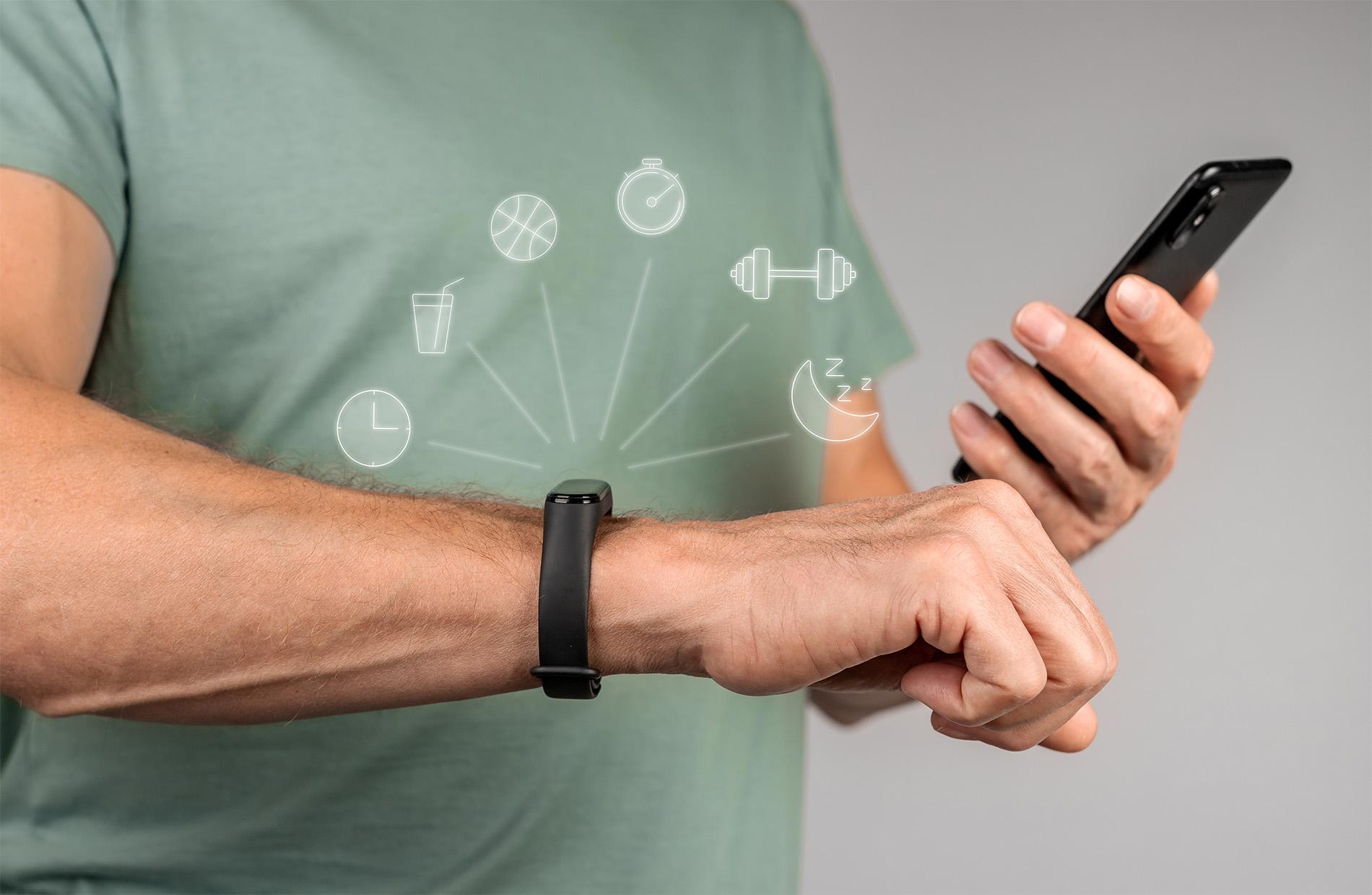
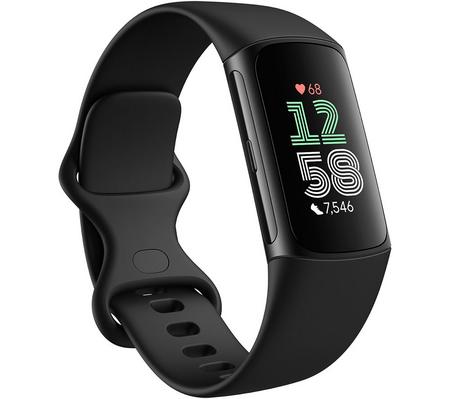
Trackers have moved far beyond simple step counting. Devices like Fitbit and Garmin fitness trackers now monitor stress levels, skin temperature and long-term sleep patterns. Many include menstrual cycle tracking and readiness scores, so you can plan workouts around your body’s needs.


Compared to smartwatches, trackers remain lightweight and generally have longer battery life. And that can be perfect if you want to focus on deep health insights without the extra features of a smartwatch. Fitness trackers are also affordable, comfortable and increasingly powerful.
3. AI coaching and virtual training take off
AI-powered fitness platforms are transforming how we train. Apps now analyse your heart rate, sleep quality and stress levels to create adaptive workout plans. Combined with wearable tech, you get real-time form correction, rep counting and can see how you’re progressing.
Virtual trainers are becoming more human-like, keeping you motivated and adjusting difficulty automatically. Whether you’re using an AI fitness app or a subscription service, you get smarter workouts tailored to you.
4. Smart rings enter the mainstream
Smart rings, like the Samsung Galaxy Ring and Oura Ring, are gaining popularity because they’re discreet and lightweight. They work seamlessly with health apps like Samsung Health and Apple Health and are great for heart rate, temperature and sleep tracking. They work particularly well for wearing to bed and for long-term monitoring, because you rarely have to take them off. Curious? Here’s our guide to everything you need to know about smart rings.


5. Connected health: smart scales and body composition tech
Smart scales are now a must for anyone managing long-term health. Beyond weight, they can tell you your body fat percentage, muscle mass, water levels and even metabolic age. Modern scales sync with apps like Fitbit, Samsung Health and Garmin Connect. So, you can get a complete picture of your body composition.
Daily trend analysis helps you make informed decisions about diet and exercise, turning the scale into a powerful health tool rather than a simple number reader.
6. Gamified fitness and VR workouts
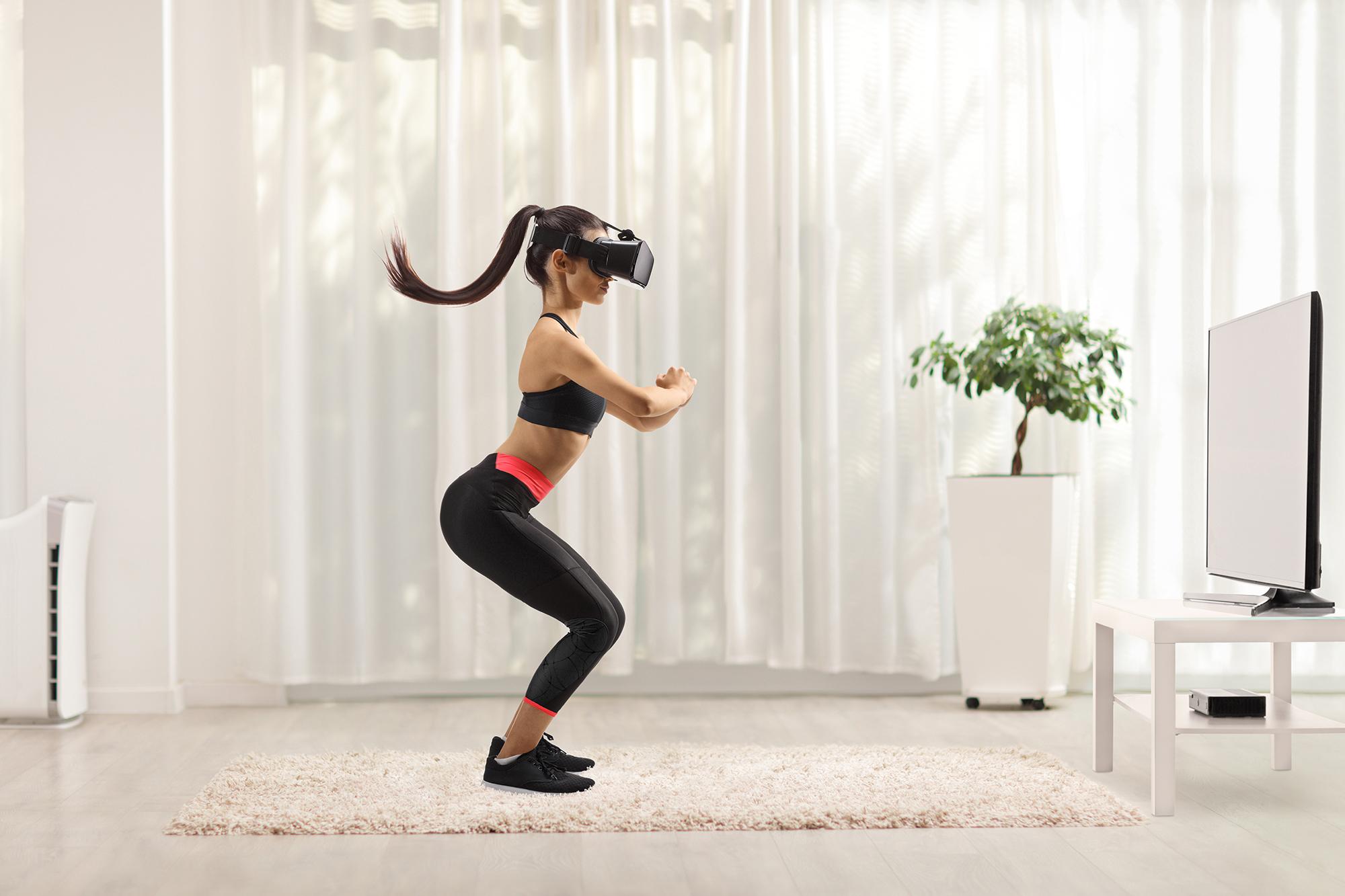
We all know we should get more exercise, but it can be hard to stick to it. And that’s where tech comes in. Fitness is becoming fun thanks to VR and gamification. Platforms like Meta Quest offer boxing simulations, cycling adventures and full-body workouts that feel more like gaming than exercise. And that makes it easier to stay motivated and stick to a schedule, making it easier for beginners and busy professionals to get into good habits.


With accurate motion tracking and immersive environments, VR workouts are ideal for home fitness - especially in small spaces. With the right tech, fitness and gaming are an unbeatable combination!
7. Subscription fitness platforms integrated with wearables
Services like Apple Fitness+, Fitbit Premium and Samsung Health+ now offer you personalised plans by syncing directly with your wearable. This integration means your workout recommendations, recovery insights and performance stats are always up to date. And sticking with a main device - whether Apple Watch Series 11 or Samsung Galaxy Watch 8 - offers a seamless experience. So your health and fitness data is all in one place.
Final thoughts
Fitness tech in 2026 is all about integration, personalisation and making workouts way more enjoyable. Whether you choose a smartwatch, tracker, smart ring or VR headset, the goal is the same: a better picture of how you’re doing and smarter training that makes you feel the gains. No need to feel bad about that unused gym membership, when you have all the tools you need at home or on the go. Check out our Smart watch and fitness buying guide for more inspiration and advice.