


The start of the year is when most of re-think our health and fitness goals. If you’re trying to build better habits in 2026, fitness trackers and smartwatches can be a huge help.


We’ve rounded up the best fitness trackers right now, covering different budgets, sports, and lifestyles. We’ve also answered a few FAQs to give you all the info you need to make the right choice.
How to choose the best fitness tracker: features to look for
Choosing the right tracker mostly depends on the features you want on your wrist. Here’s a round-up of the most important:
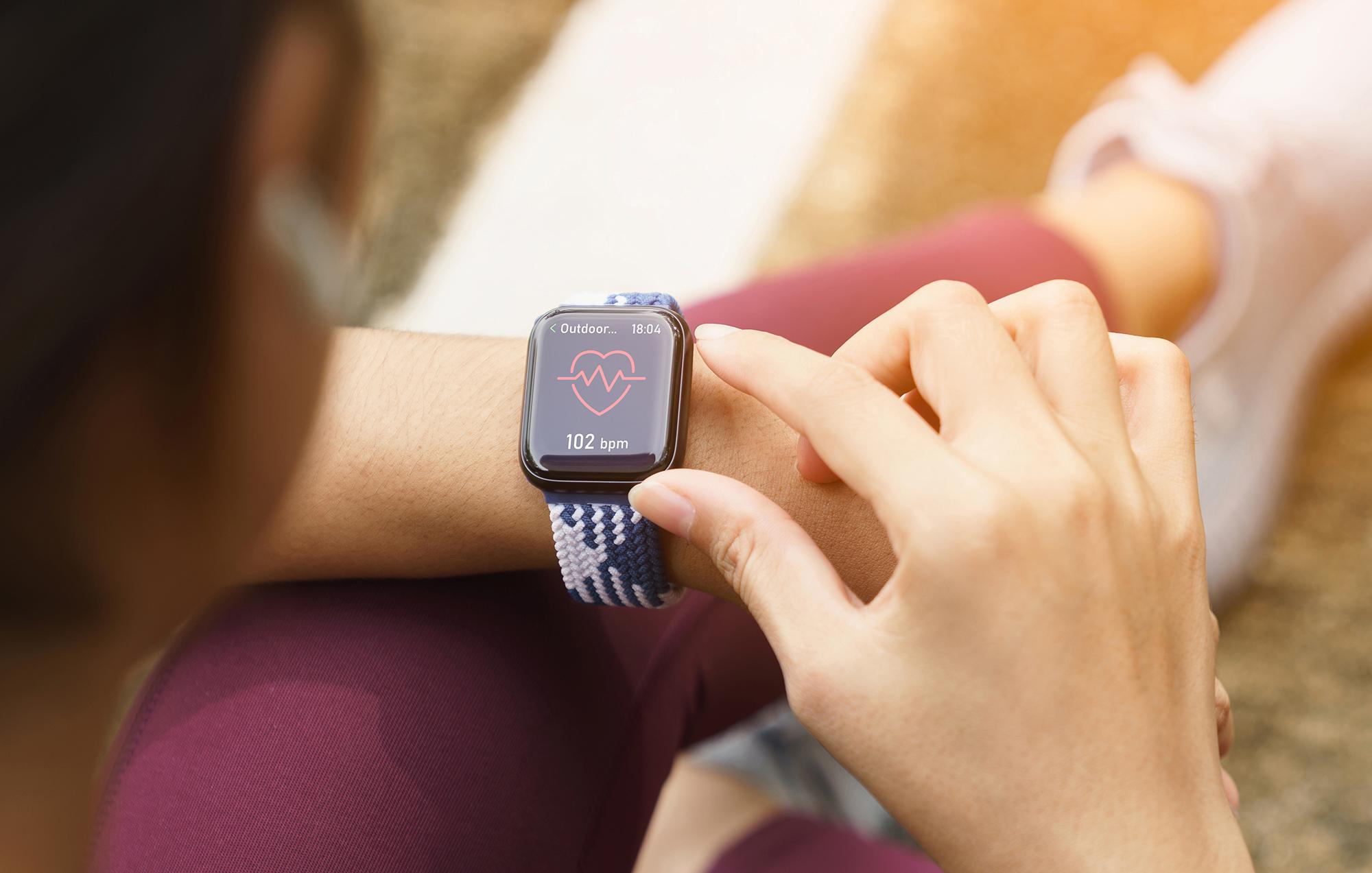
Sensors and health insights. Heart rate tracking is standard now, but newer devices focus on trends. Metrics like heart rate variability (HRV), skin temperature changes, and readiness or energy scores help show how your body is coping overall.
Built-in GPS vs phone GPS. Built-in GPS is worth having if you often train without your phone, especially for running, cycling, or hiking. If your phone is always with you, connected GPS can do the job while saving battery and cost.
Battery life. Always-on displays, frequent notifications, sleep tracking, and GPS all drain power. Some trackers last a day or two, others last weeks.
Durability and comfort. If you swim, look for at least 5 ATM water resistance. If you’re the outdoor type, consider tougher materials and scratch-resistant screens. Comfort matters too - lighter devices are easier to wear all day and night.
Software and long-term support. A good app makes a big difference. Brands that offer regular updates and long-term support tend to provide better insights over time, rather than leaving your tracker feeling a bit out of date.
Best all-around fitness tracker
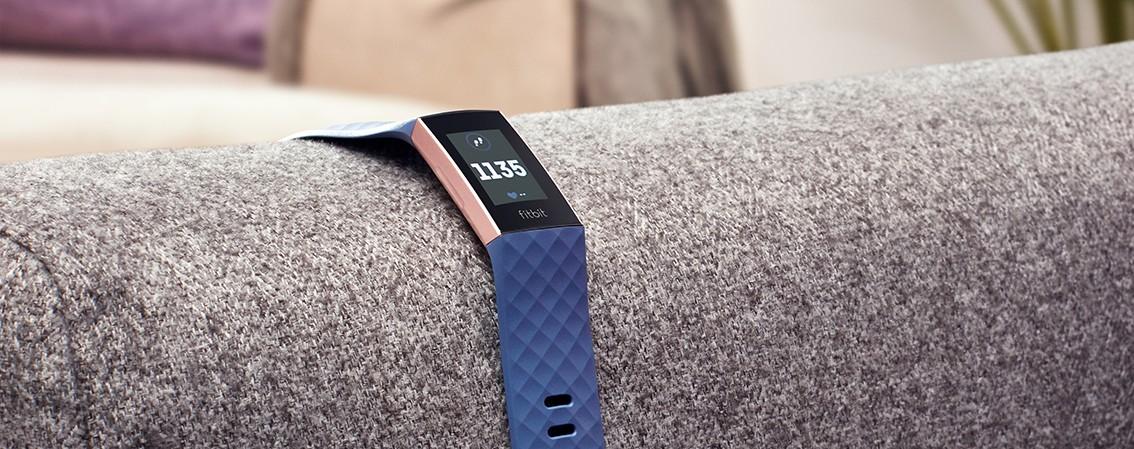
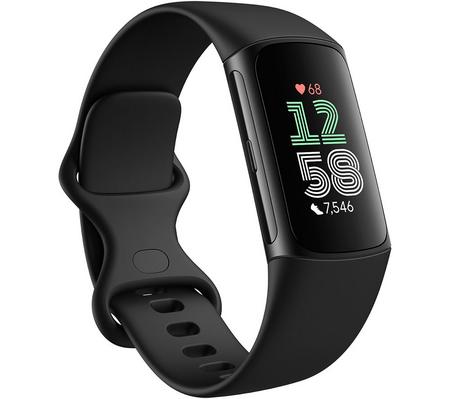
If you want one tracker that covers most bases without being bulky, the Fitbit Charge 6 is a strong all-rounder. It’s slim enough to wear comfortably all day, with a bright display that’s easy to read outdoors. Built-in GPS means you can leave your phone behind on runs or walks.
Fitbit’s health insights are genuinely useful. Instead of just getting stats and numbers, you’re given clear, practical advice. So you’ll know when it’s a good idea to push yourself or when you should take it easy. And you get reminders to move, tips for better sleep and stress, and even gentle nudges to help you build healthy habits day by day.
Best budget fitness tracker
If you want solid health monitoring without spending lots of money, the Huawei Band 10 is a great low-cost option. It’s light, comfortable, and its battery lasts for weeks, which makes it easy to put on and forget about. It handles everyday workouts well, tracks sleep and stress. Plus, it’s swim-proof. You don’t get lots of different features to explore, but that’s part of the appeal. It stays focused on health without unnecessary distractions.
Best fitness trackers for battery life
Battery life is important. If your tracker is always running out of charge, you’re much less likely to keep it on and get the most out of it.
The Huawei Watch GT 6 Pro is a premium smartwatch with loads of battery life. With up to 21 days on a single charge, it’s ideal for anyone who doesn’t want to think about charging. And it really shines when it comes to health tracking. You get in-depth heart rate monitoring that’s accurate even during intense workouts, along with continuous SpO2 tracking for blood oxygen levels. There’s also stress tracking with guided breathing exercises, so you can do something about those hectic days.
The Fitbit Inspire 3 is a good option if you’re on a tighter budget. And you’ll get around 10 days of battery life. It’s lightweight, comfortable, and keeps things simple. Your heart rate, sleep, and activity data are turned into clear, bite-sized tips you can use straight away.
Best fitness tracker for kids

The Garmin Vivofit jr.3 is a great fitness tracker for kids. It’s tough enough for everyday knocks, swim-proof, and runs on a long-lasting battery. Through the Garmin Jr. app, parents can check activity and sleep, and even link movement goals to rewards. A cunningly effective way to encourage healthy habits!
Best fitness trackers with GPS
Built-in GPS is one of those features that’s easy to overlook until you start using it. It lets your tracker record distance, pace, and routes on its own, which is handy if you don’t always want to take your phone out with you.
Apple Watch Ultra 3
The Apple Watch Ultra 3 is a good option if you often train in places where GPS can struggle, like city centres or wooded areas. Its GPS is very accurate, so when you finish a run or hike, the distance and pace will line up with how that run felt on the day.
Huawei Watch Ultimate 2
The Huawei Watch Ultimate 2 suits people who spend longer periods outdoors. The GPS holds up well over extended sessions, and the 2-week battery life means you can go on multi-day adventures.
Garmin Venu 4
The Garmin Venu 4 is a good choice if you want dependable GPS without going for a full-on outdoor watch. Garmin’s tracking is always consistent, and the real benefit shows up over time. It’s easy to look back and see how your pace or distance has changed from week to week without overthinking the data.
Google Pixel Watch 4
If you’re already using Android, the Google Pixel Watch 4 will fit neatly into your everyday life. GPS tracking is solid, and checking your routes afterwards is straightforward – with no needless menus to wade through.
Fitbit Charge 6
If you mainly want GPS without paying for extras, the Fitbit Charge 6 keeps things simple. You can go out for a run or walk, track your route accurately, and review it afterwards. This tracker also benefits from a super quick satellite lock, so you can start your walk, run or workout without waiting for a signal! Another handy bonus is the long battery life.
Best fitness trackers with blood pressure monitoring
A lot of fitness trackers can also be used to keep an eye on your blood pressure. They make this easier because they fit into your normal routine. Over time, you’ll see what affects your numbers, whether that’s long workdays or pushing too hard in training.
Premium models like the Apple Watch Series 11, Apple Watch Ultra 3, and Samsung Galaxy Watch 8 include blood pressure tracking alongside ECG and heart rhythm alerts. They work best when you treat them as a long-term guide rather than a one-off reading. Calibrating them properly and checking trends over weeks can give you useful context to take to your GP.
Important note: the NHS recommends tracking your blood pressure at home over time and sharing these trends with your doctor, but it doesn’t endorse any smartwatches for medical use. if you have any concerns or questions about your blood pressure, please visit your GP straight away.
Best fitness tracker for swimming
Swimming trackers need to be reliable, simple, and able to cope with regular dips. The Garmin vívoactive 5 does exactly that. It tracks both pool and open water swims, automatically recognises strokes, and logs distance, pace, and lengths. It even tracks heart rate underwater, which gives a better sense of how much effort you’re putting into the session.
Best fitness tracker for running

Running is a great way to see yourself getting fitter, and having a tracker that keeps up makes it even more motivating. The Garmin Forerunner 165 is designed to give clear, reliable data every step of the way. The GPS is accurate, so you can be sure that your distance and pace are tracked correctly. Beyond the basics, it measures things like cadence, stride length, and VO₂ Max - helping you to understand how efficiently you’re running, and how your effort changes over time.
Best fitness watch for iPhone users
If you use an iPhone, an Apple Watch is the obvious choice for you. It’ll fit more easily into your daily life than anything else.
The Apple Watch Series 11 makes everything easy for you. Workouts sync smoothly, health data is easy to understand, and everything works together without much setup. It’s especially good if you like having health features always ticking along in the background. Sleep tracking, heart health alerts, and fitness trends all live in one place. And Apple Fitness+ gives you everything from gentle motivation to fully guided workouts.
The Apple Watch Ultra 3 is better suited to people who train outdoors or push their watch harder. It’s tougher, lasts longer on a charge, and adds extra features for swimming, hiking, and adventure-style workouts.
Best rugged fitness watch for outdoor use
If your workouts regularly involve mud, hills, cold weather, or long days outside, a standard smartwatch can feel a bit too delicate. The Samsung Galaxy Watch Ultra is built for people who don’t want to worry about that.
It’s designed to handle rough conditions with a tough casing, water and dust resistance. Its reliable GPS makes it ideal for remote hiking routes. But it also works well with the less adventurous stuff - tracking sleep, stress, and workouts. It’s perfect for hikers, trail runners, and anyone who wants a watch that can cope with a few bumps and scrapes.
Best lightweight fitness tracker on a budget
If you want something straightforward and comfortable, the Fitbit Inspire 3 is hard to beat. It’s slim, light, and easy to wear all day and night. It keeps the screen simple, so everything looks clean and uncluttered. It’s ideal if you mostly care about everyday activities and general health trends, rather than detailed training stats.
Best hybrid smart watch and fitness tracker
Some people want proper fitness tracking and everyday smartwatch features, but don’t fancy wearing a basic band or full-on fitness watch. The Samsung Galaxy Watch 8 fits the bill here. It tracks workouts, routes and locations via GPS, heart rate, stress, and sleep. It also handles messages, apps and contactless payments - with voice control if your hands are full. The trade-off is battery life. You’ll charge it more than a simple tracker, but in return you get a versatile device that covers lots of different things.
FAQs
What’s the difference between a fitness tracker and a smartwatch in 2026?
Fitness trackers are built mainly for health and activity tracking. They’re usually lighter, simpler to use, and last much longer on a charge. Many people like them because they collect data quietly in the background without pulling you into messages, apps, or constant notifications.
Smartwatches also track fitness, but they’re designed to stay connected. Calls, texts, apps, and contactless payments are all part of the package. That’s useful if you like having everything on your wrist, but not everyone wants that level of interaction.
If you’re unsure which suits you better, our fitness tracker vs smartwatch guide explains the differences in more detail.
Do I need built-in GPS, or is my phone enough?
Built-in GPS is most useful if you often exercise without your phone - for example, going for a run, hike, or bike ride and leaving everything else at home. It allows your tracker to record distance, pace, and routes on its own.
If you usually have your phone with you, connected GPS works well and helps extend battery life. For everyday workouts and general activity tracking, most people won’t notice much difference.
How long should a fitness tracker battery last?
Battery life depends on the features you use and how often you use them. Simple fitness bands can last weeks, while more advanced watches may need charging every day or two. GPS use, always-on displays, and frequent notifications all shorten battery life.
If you want something you can wear continuously without thinking about charging, look for a battery life of at least 7–10 days. If you’re happy charging more often in exchange for extra features, shorter battery life can still work well.
What sensor upgrades are coming in 2026?
In 2026, we expect most sensor upgrades to focus on accuracy and long-term understanding, rather than adding lots of brand-new measurements.
HRV (heart rate variability) is a good example. Instead of just tracking how fast your heart beats, HRV looks at the small changes in time between beats. Over time, this can give useful clues about recovery, stress, and how well your body is handling training or everyday demands.
Sleep tracking and skin temperature sensors are also likely to become more consistent, helping to identify changes over days or weeks rather than just reporting last night’s data.
GPS accuracy should continue to improve too, with multi-band systems becoming more common. That means more reliable pace and distance tracking, especially in cities.
Can a fitness tracker replace a medical device?
No. Fitness trackers are designed for general wellness, not diagnosis or treatment.
Some devices can flag irregular heart rhythms or highlight changes in health trends, but they aren’t medical-grade tools. If your tracker shows something unusual or concerning, it’s always best to talk to your GP or a healthcare professional.
How do I keep my fitness tracker battery in good shape?
You don’t need to do anything complicated. Try to avoid extreme heat or cold, and don’t leave the battery fully drained for long periods. Once it’s charged, unplug it instead of leaving it connected overnight every time.
Using battery-saving modes and adjusting display settings can also help. With basic care, most fitness tracker batteries stay reliable for several years.
Any more questions?
Hopefully now you’ve got a good idea about which fitness tracker is the best for you. If you want more advice, pop down to one of our stores. Our tech experts are always up for a chat.