
Oscillating, sonic, brush heads, water flosser or dental flossers?

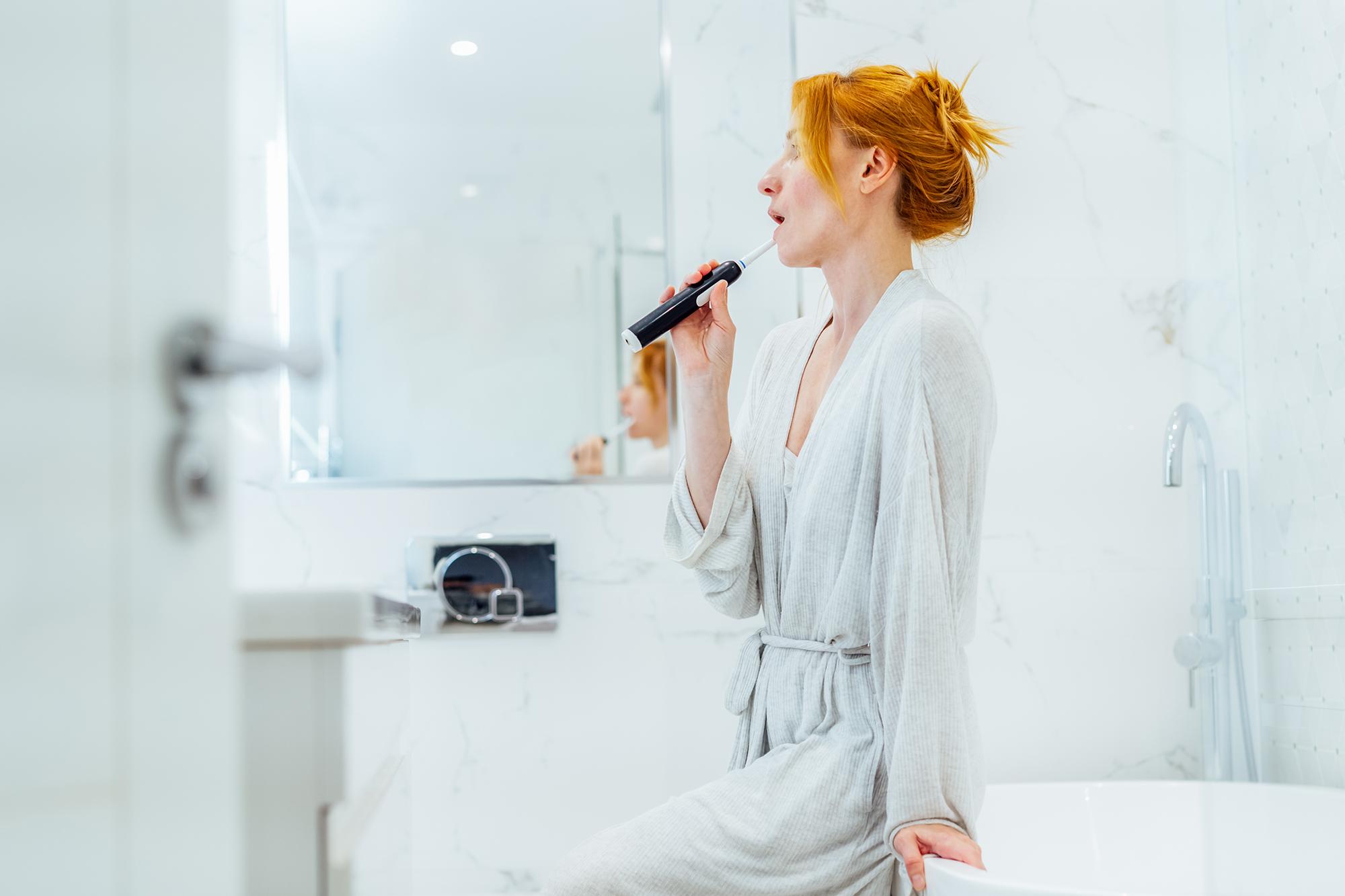
Oscillating / Rotating electric toothbrush
An electric toothbrush that uses a small, round brush head that rotates at high speed to effectively sweep plaque away from the tooth surface and along the gumline.
Daily brushing, removing plaque, people who brush too hard and people with braces.
Replacement heads are brand-specific and more expensive than manual brush heads. Some find the brushing sensation intense at first.
Shop electric toothbrushes
Sonic electric toothbrush
An electric toothbrush that uses a rectangular brush head that vibrates at a high frequency to disrupt plaque and move cleaning fluid between teeth. This provides an effective clean but with gentler brushing.
Sensitive teeth or gums, people who prefer a gentler clean and anyone who likes a brush head that feels more like a manual toothbrush.
Replacement heads are brand-specific and ongoing costs apply. It can take time to get used to the high-frequency vibration.
Shop sonic electric toothbrushes
Electric toothbrush heads
Replaceable brush heads that attach to an electric toothbrush handle. There are different head types for sensitive cleaning, gum care and stain removal.
Personalising your brushing routine, changing regularly maintains best cleaning performance.
Compatibility varies by brand and model. Heads require regular replacement, creating an ongoing cost.
Shop electric toothbrush heads
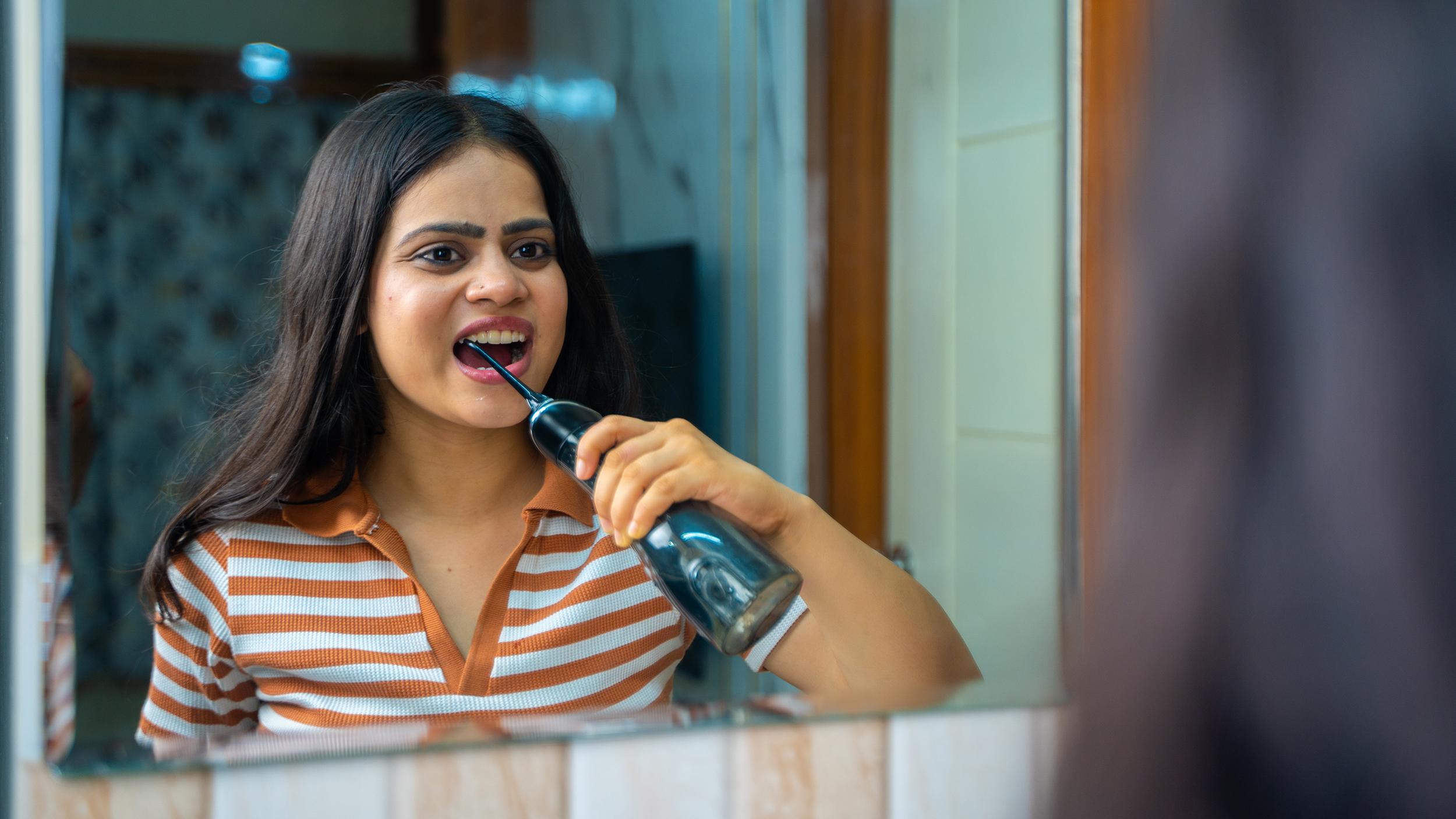
Water flosser
Water flossers use a pressurised stream of water to flush food particles and tackle plaque between teeth and below the gumline. People can find this kind of interdental cleaning more comfortable than regular flossing.
People who struggle with string floss, braces wearers and people with implants, bridges or fixed retainers.
Less effective at physically scraping plaque from tooth surfaces than traditional floss or interdental brushes. There can be a bit of a learning curve at first, and it's not unusual to splash the mirror a few times while you get used to it. Plus, flossing alone is no replacement for brushing.
Shop water flossers
Dental flossers (Floss picks / Floss sticks)
Little tools with a short section of pre-threaded floss that makes it easier to clean between teeth without wrapping floss around your fingers.
Anyone who finds traditional floss difficult to use, including children learning to floss and people who struggle to reach back teeth.
Uses the same section of floss across multiple teeth, can't be used under orthodontic wires and creates more plastic waste than string floss.
How to choose the right electric toothbrush and flossing tool
The best toothbrush or flossing tool is the one you'll use regularly. Start by being clear about what you're trying to improve. Is it a better daily clean, gentler brushing, easier flossing or more effective cleaning around braces? After that you can find a device that matches what you want to achieve. Your dentist is always the best person to ask - especially if you have sensitive teeth or receding gums.
| Goal | Best device type | Why |
|---|---|---|
| Upgrade from manual brushing for a better clean | Oscillating/rotating electric toothbrush | Strong clinical evidence for plaque and gingivitis reduction. Round head cleans around gumline effectively. |
| Gentler clean for sensitive teeth or gums | Sonic electric toothbrush | High-frequency vibration without direct pressure. Some models have a dedicated sensitive mode. |
| Effective cleaning around braces | Oscillating toothbrush + water flosser | Rotating head cleans around brackets. Water flosser replaces string floss which is difficult to use with wires. |
| Make flossing something you actually do | Water flosser | Easier technique than string floss for most people. People who switch to water flossing tend to stick to it. |
| Precise interdental cleaning for people who can use floss | Dental flosser (floss pick/stick) or string floss | Physical scraping of plaque from between teeth is highly effective for tight gaps when used correctly |
| Replace toothbrush heads to maintain cleaning performance | Replacement brush heads (brand-matched) | Worn bristles clean significantly less effectively, so replacing heads every 3 months restores performance |
| Better teeth cleaning for a child | Kids' electric toothbrush | Smaller brush heads, lower vibration intensity, fun designs and timers that encourage good habits |
Expert tip: Like with so many devices, don't just focus on brands. Start with the outcome you want, then choose the device type that's actually suited to it. It's usually the quickest route to a purchase you'll be happy with.

Consistency matters most. The best flosser is the one that becomes part of your daily routine.
| If this is you... | Try this... |
|---|---|
| Comfortable with string floss and already use it regularly | Stick with string floss or floss picks |
| Can't or won't use string floss due to tight teeth, dexterity issues or gag reflex | Water flosser is often the easiest option to use consistently |
| Have braces, fixed retainers, implants or bridges | Water flossers access areas that are difficult to reach with traditional floss |
| Want to floss but keep forgetting | Keep your water flosser out and charged |
| Comfortable with flossing technique but wants maximum precision | String floss for tight gaps; supplement with a water flosser if desired |

| How brushing feels | Best fit |
|---|---|
| No sensitivity issues and teeth and gums tolerate normal pressure | Oscillating/rotating toothbrush, standard brush head with any pressure setting |
| Sensitive teeth with discomfort from cold, pressure or strong vibration | Sonic toothbrush, sensitive brush head, sensitive or gum care mode and warm water in water flosser |
| Bleeding gums from brushing pressure | Oscillating toothbrush with pressure sensor, gum care brush head. NB: Consult a dentist or hygienist if bleeding persists |
| Wearing braces or aligners | Electric toothbrush (both types are effective), water flosser for interdental cleaning, try orthodontic brush heads if available |
If brushing feels uncomfortable, the answer isn't always a different toothbrush. Something as simple as switching brush heads, reducing pressure or using a sensitive mode can make a noticeable difference.
| Feature | Why it matters and when it doesn't |
|---|---|
| Pressure sensor | Helps prevent brushing too hard, which can contribute to enamel wear and gum recession. If your dentist states that you brush too aggressively, this is a great feature. |
| 2-minute timer / quadrant timer | Encourages the recommended brushing time and even coverage around the mouth. Especially useful for children and rushed brushers. |
| Cleaning modes (Daily, Sensitive, Whitening, Gum Care) | Sensitive mode can be genuinely useful. Most people only use one or two modes, so a long feature list isn't always necessary. |
| App connectivity | Can improve brushing habits by tracking coverage, pressure and time. Less valuable if you're unlikely to use the app repeatedly. |
| Battery life and charging | Important for travel. USB-C charging and multi-voltage compatibility make travelling easier. |
| Head replacement indicator | Useful reminder for replacing worn brush heads, particularly if you tend to delay replacements. |
It's easy to get distracted by long lists of features, but a pressure sensor and a two-minute timer will make more difference to most people's brushing routine than half a dozen extra modes.
| Timeframe | What to expect |
|---|---|
| Within the first week | Teeth often feel noticeably cleaner. Some people experience temporary gum tenderness as cleaning becomes more thorough. |
| After 4 weeks of consistent use | Reduced plaque build-up and improved gum comfort. Any persistent bleeding or pain should be assessed by a dentist. |
| After 3 months (one head replacement cycle) | Healthier gums, less plaque accumulation and lower gingivitis risk with consistent use. |
Important: An electric toothbrush makes good brushing easier, but it can't replace professional dental care, treat gum disease or remove hardened tartar. You should see your dentist or hygienist every 6 months.
For most adults, an oscillating toothbrush is the best all-round upgrade from manual brushing. If sensitivity is your main concern, a sonic toothbrush is often more comfortable. When it comes to flossing, consistency beats perfection. So, choose what you can commit to every day - whether that's a water flosser, floss picks or traditional floss.
Is an electric toothbrush worth it?
For most people, an electric toothbrush is a worthwhile upgrade from a manual brush. Clinical evidence consistently shows better plaque and gingivitis reduction than manual brushing. The biggest advantage is that it helps compensate for imperfect brushing technique.
 When it is worth it
- You tend to rush brushing or miss out areas. Electric toothbrush in-built timers help improve brushing consistency.
- You've been told you brush too hard. Pressure sensors help prevent damage to enamel and gums.
- You have limited mobility in your hands or wrists. The brush does most of the cleaning action for you.
- You brush twice a day and plan to use it for several years, making the upfront cost and head replacement worth it in the long run.
 When it may not be worth it
- You already brush effectively with a manual toothbrush for the recommended two minutes and maintain good oral health.
- You're considering a premium electric toothbrush mainly for app features and tracking but are unlikely to use those features regularly.
- Your main goal is whiter teeth. Electric toothbrushes remove surface stains but won't change the natural colour of your teeth.
- If it's quite a basic electric toothbrush that won't boost brushing technique that much.
 What determines value: The real value comes down to how frequently you use it and if it addresses any specific oral health needs identified by your dentist. It's important to have realistic expectations about what an electric toothbrush can and can't do.
What to consider before you buy
Choosing the right dental care device depends on your oral health needs, brushing habits and the features you'll actually use. Whether you're upgrading from a manual toothbrush or considering a water flosser, these are the key factors to think about before you buy.
What does your oral health need?
The best device for you depends on what you're trying to improve. If your goal is a better every day clean, an electric toothbrush can make plaque removal easier and more consistent. If you have sensitive teeth or gums, consider a toothbrush with a sensitive cleaning mode or gentler brushing action. For braces, implants or fixed retainers, a water flosser can help clean areas that are difficult to reach with traditional floss.
Should you choose a sonic or oscillating toothbrush?
Not all electric toothbrushes clean in the same way. Oscillating toothbrushes use a small round brush head that rotates back and forth to sweep plaque away. They're often chosen for overall cleaning results. Sonic toothbrushes use high-frequency vibrations to disrupt plaque. They can feel gentler and are popular with people who have sensitive teeth or gums.
Which features make a difference?
Some features have a much bigger impact than others. A pressure sensor can help prevent brushing too hard, while a two-minute timer and quadrant timer encourage better brushing habits. Cleaning modes can be useful for sensitivity or gum care, but many people only use one or two modes regularly. Think about which features you'll genuinely benefit from rather than choosing based on the longest specification list.
When should you replace brush heads and what do they cost?
The cost of an electric toothbrush doesn't stop at the initial purchase. Replacement brush heads need changing around every three months to maintain cleaning performance, and prices vary between brands. Before buying, it's worth considering how much replacement heads cost and how easy they are to find for when it's time to replace them.
How long will an electric toothbrush battery last?
Battery performance matters more than many people expect, especially if you travel regularly. Most rechargeable electric toothbrushes can run for several weeks on a single charge. But charging methods and battery life vary between models. If you travel often, features such as USB-C charging, long battery life and compact travel cases may be worth prioritising.
Will you use it consistently?
The best dental care device is the one you'll use every day. Some people prefer the precision of string floss, while others find a water flosser much easier to stick with. Likewise, some people enjoy app-connected brushing feedback, while others prefer a simpler toothbrush. Choosing a device that fits naturally into your routine is often more important than choosing the most advanced model available.
What are the most common mistakes?
Even the best toothbrush or flosser won't deliver good results if it's chosen for the wrong reasons or used incorrectly. Unrealistic expectations can also lead to disappointment, even when you've bought the right device. These are the most common mistakes people make when buying and using an electric toothbrush - and how to avoid them.
Dental glossary
The early stage of gum disease, typically characterised by red, swollen or bleeding gums caused by plaque build-up along the gumline. Choosing a toothbrush that removes plaque effectively can help support healthier gums and reduce the risk of gingivitis developing.
The area where the teeth meet the gums and one of the most common places for plaque to accumulate. Features such as oscillating brush heads and pressure sensors can help improve cleaning around this sensitive area.
A small brush designed to clean between teeth where a standard toothbrush cannot reach. They can be an effective option for people with larger gaps between their teeth and are often used alongside regular brushing.
An electric toothbrush that uses a small, round brush head that rotates back and forth at high speed to sweep plaque from tooth surfaces and along the gumline. The rotating action can make plaque removal easier and is a good choice if you're looking for a brush with a strong focus on cleaning performance.
A sticky, colourless film of bacteria that constantly forms on tooth surfaces. Removing plaque effectively is one of the main reasons to invest in a good toothbrush and interdental cleaning routine.
A feature that alerts you when you're brushing with too much force. If you're concerned about protecting your enamel and gums, a pressure sensor can help encourage a gentler brushing technique.
A feature that signals every 30 seconds to remind you to move to a different area of your mouth during brushing. It helps ensure an even clean and makes it easier to achieve the recommended two-minute brushing time.
The high-frequency vibration technology used in sonic toothbrushes to help disrupt plaque around teeth and gums. If you're comparing toothbrush types, sonic technology offers a different cleaning experience to oscillating and rotating brush heads.
An electric toothbrush that uses a rectangular brush head vibrating at very high frequency to disrupt plaque through fluid dynamics rather than direct physical sweeping. Sonic toothbrushes are often chosen by people who prefer a gentler brushing sensation or have sensitive teeth and gums.
Hardened plaque that has mineralised on the tooth surface. While no toothbrush can remove tartar once it has formed, a quality electric toothbrush can help reduce plaque build-up before it hardens.
An electric device that uses a pressurised stream of water to flush food particles and plaque from between teeth and below the gumline. Water flossers are particularly useful for people with braces, implants or anyone who struggles to use traditional string floss on a regular basis.