

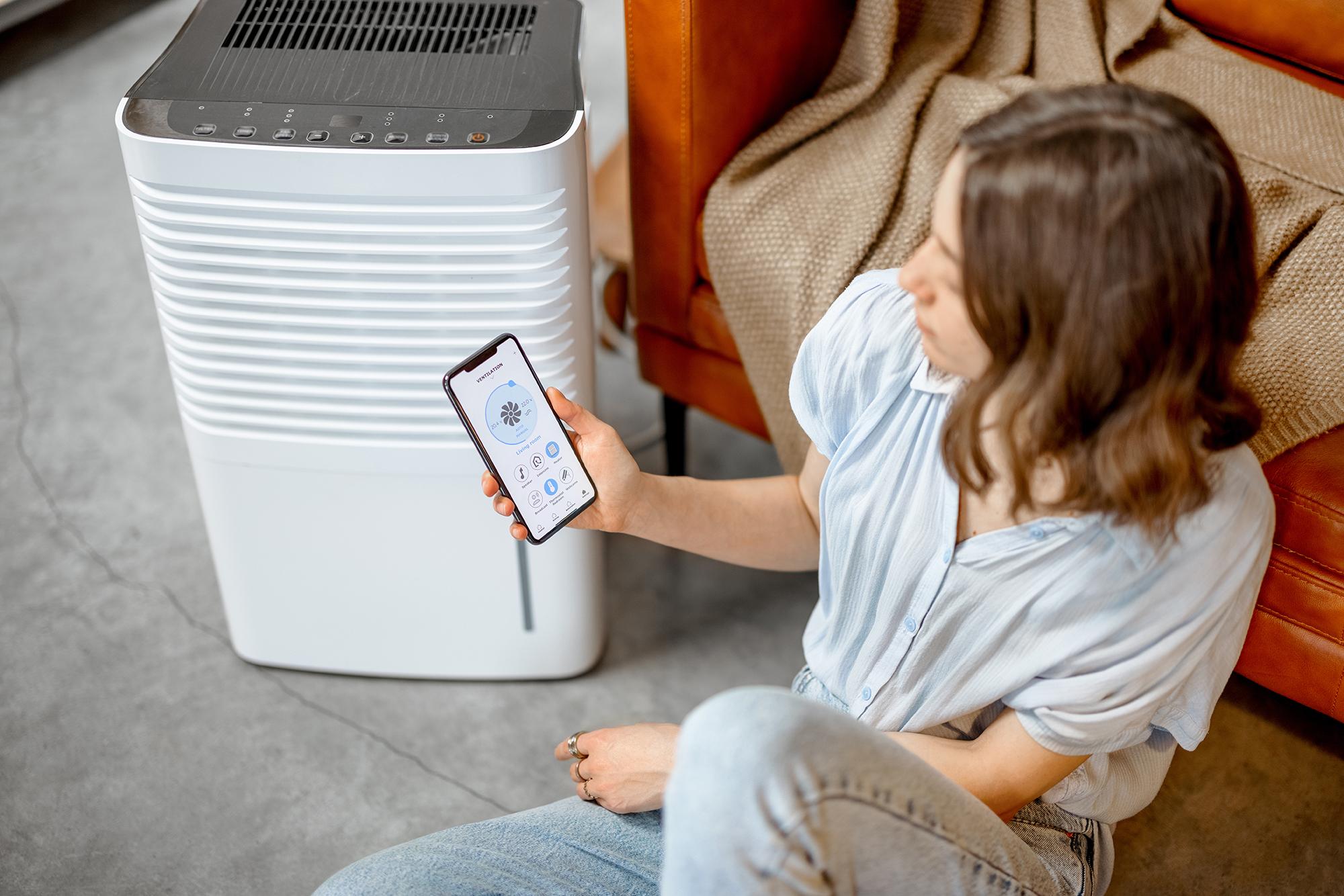
Too much humidity in your home can cause loads of problems, including mold growth, dust mites, bad smells and even damage to your property. A dehumidifier can make your home a nicer place to live by sucking up that pesky moisture.
But not all dehumidifiers are the same, and some specialise in certain things. Do you know the difference between a compressor and a desiccant dehumidifier? In this guide, we'll walk you through the key things to think about when buying a dehumidifier, like room size, energy efficiency, whether you’re drying clothes and more.
What is a dehumidifier?
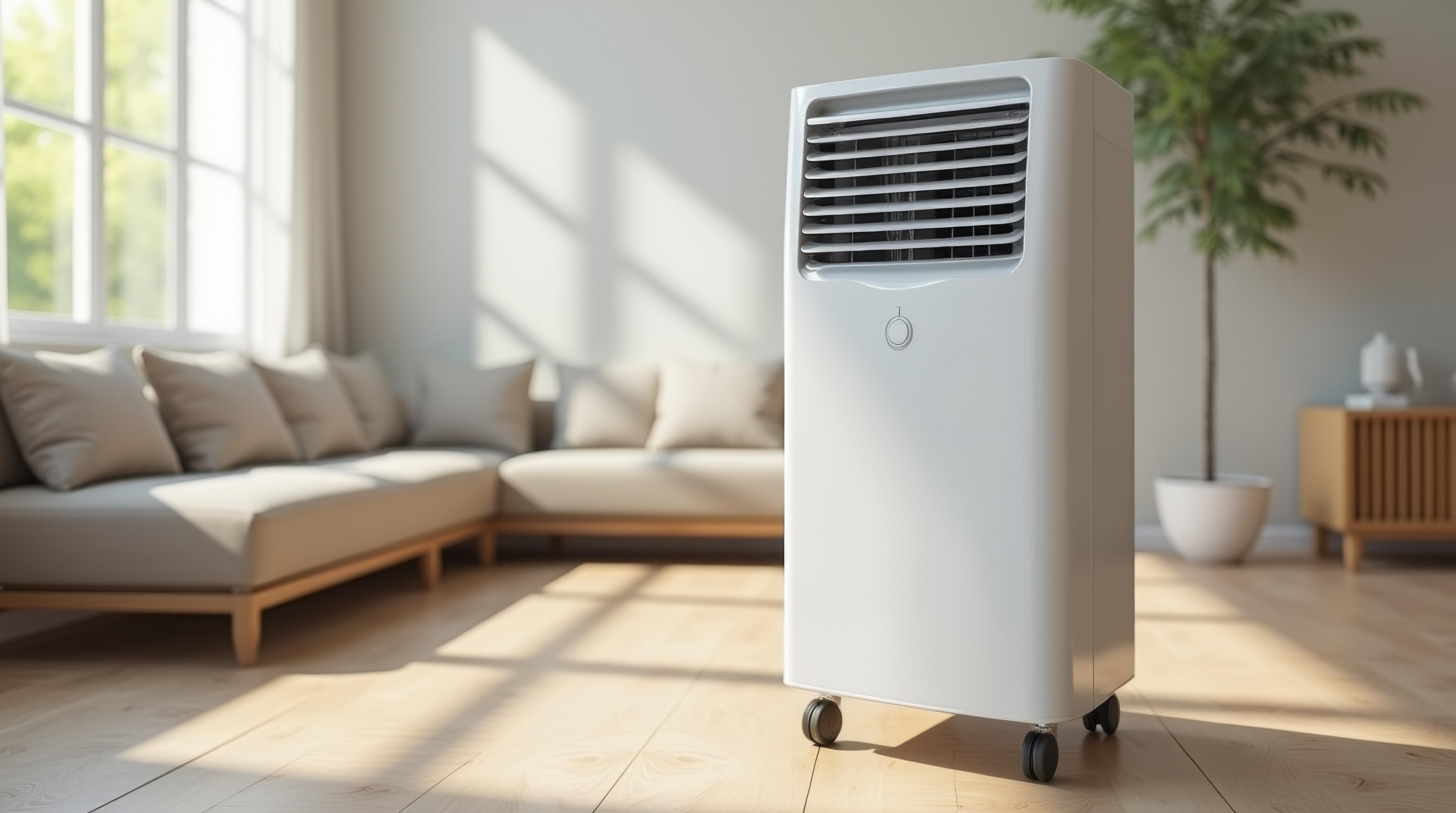
A dehumidifier is a clever device that reduces humidity by sucking in air and removing excess moisture. And this isn’t just about damp. Whether you’re hanging out laundry on a clothes horse, having a shower or boiling a kettle, it’s important to keep moisture levels down. This is especially true in the winter when it’s too cold to open doors and windows. Dehumidifiers also improve indoor air quality, which makes your home a nicer place to be. Check out our article on what a dehumidifier does for more info.
There are two main types of dehumidifiers:
Best compressor dehumidifiers
Compressor dehumidifiers work by drawing in moist air through a filter and then passing it over cooled coils. As the air cools, the moisture condenses into water which drips into a tank or reservoir. Compressor dehumidifiers work best at higher temperatures and higher humidity levels. They are perfect for places you’re likely to keep warm - like living spaces, bedrooms or other areas of the home.
Why not try…
The MeacoDry ABC10L is a reliable everyday dehumidifier. It’s efficient to run, so you can use it regularly without ramping up your energy bills. And it’s Quiet Mark approved, which makes it ideal for using at nighttime or while you work.
Best desiccant dehumidifiers
Desiccant dehumidifiers use an absorbent material to soak up moisture from the air. The material then gets dried out by a heating element, which moves the water into a condenser. These dehumidifiers work best at lower temperatures or in colder environments such as garages, basements or bathrooms.
Why not try…
The EcoAir DD3 Slimline thrives in colder rooms. It’s auto-restart feature means it pauses when it reaches a set level and automatically switches back on if the humidity changes. Plus, it has Laundry mode which absorbs moisture from wet clothes to speed up drying and prevent moisture settling around the room.


Best dehumidifiers for drying clothes
Using a dehumidifier is a game-changer when it comes to drying clothes quickly indoors. It works by reducing the humidity in the air surrounding your wet clothes, allowing the moisture to evaporate more quickly. Not only does this shorten the drying time, but it also helps prevent musty odours from developing on damp clothing.
A dehumidifier with a high-capacity reservoir and an automatic shut-off is the best dehumidifier for drying clothes. That way, it can keep working until there’s no more capacity in the water tank but won’t keep running once the job is done. Look for a unit with a fan option to circulate air and speed up the drying process.
Why not try…
The MeacoDry ABC12LS extracts moisture released from wet laundry, which helps clothes dry faster. This also reduces the risk of condensation forming around the room and keeps your home feeling fresher.
Best low energy dehumidifiers
If you're in search of a dehumidifier that runs great without running up a huge electricity bill, look for an energy-efficient compressor that uses less power to get the job done.
Having an auto shut-off and restart function saves energy by automatically shutting down the appliance when it reaches your preferred humidity level. It’ll only turn on again when the moisture level increases.
Why not try…
The MeacoDry Arete One 12L keeps running costs low by automatically monitoring your home’s moisture levels. Smart humidity mode means your home stays at a target of 55% relative humidity, which prevents condensation without over-drying the air. So you can let it run continuously and it’ll only use power when it needs to.
Best small dehumidifier
If you have a small room or closet that you’re having trouble keeping dry, a compact model with a smaller water capacity might be the best option. They also have the advantage of being easy to move around to where you need them, so look for something portable and lightweight.
Why not try…
The Russell Hobbs RHDH1061B is small but mighty. This dehumidifier reduces condensation without taking up too much floor space.


Best dehumidifiers for damp walls
If you have damp in your walls, you’ll need to solve the underlying problem. But If it’s only short term (like bad weather or a recent leak) then dehumidifiers can help dry out your walls. The best advice here is to set it to a humidity level of 50%, which will draw away enough moisture. You’ll also want a large water tank since tackling damp can be a big job.
Why not try…
The Logik L20DH24 has a large 3.8 litre water tank so it can extract up to 20 litres of moisture per day. This makes it great for bigger rooms. And strong airflow improves circulation to make your home feel fresher.
Best dehumidifier for under £100
Setting a budget of under £100 will probably stop you from getting a larger dehumidifier. But if you’re happy with something a little more compact, there are lots of great options. The important thing is to find the features you really want and make sure they’re included - whether that’s auto shut off, a decent sized water tank or a dehumidifier that’s nice and quiet.
Why not try…
The Russell Hobbs Fresh Air Pro RHDH1101B is compact in size, but is helpful for light damp issues. It has an auto cut-off function which means it will stop collecting moisture when the tank is full.
Best basement dehumidifiers/best dehumidifier for bathroom
Because desiccant dehumidifiers work best at lower temperatures or in colder environments, that’s a good place to start. These places are also more likely to have a lot of moisture in the air, so you’ll need a larger model that can work harder. So go for power, a large water tank and the ability to handle cooler temperatures and still work great.
Why not try…
The Logik L12DHA25 has a 2-litre water tank that can extract up to 12 litres of moisture a day. And the built-in air purification system traps particles and helps make the air quality cleaner.


FAQs
Which type of dehumidifier is most efficient?
Generally speaking, the larger the tank the more efficient the dehumidifier. It’s simply because a dehumidifier uses more energy to get up and running. If you need a smaller model, go for a low energy or a compressor dehumidifier - both are very efficient ways to decrease humidity.
Which dehumidifier is best for small houses?
Any dehumidifier can work fine in a small house, but a portable dehumidifier is going to be easier to move from room to room and a lot more convenient to store when you’re not using it.
What is the best dehumidifier for a cold area?
Desiccant dehumidifiers operate best at lower temperatures and can withstand cooler conditions.
Refresh your space!
Looking for a fresher home? Check out our Fans, heating and air treatment buying guide.