


When the temperature rises and your home starts to get a little too warm, a fan can only do so much. Sometimes you need proper cooling, and that’s where air conditioners comes in.
But have you ever wondered how air conditioning actually works, beyond just making things cooler? They actually do more than simply chill the air - they use clever engineering to create a comfortable environment. Here’s everything you need to know about these super-cool devices…
What types of air conditioners are there?
When it comes to keeping cool at home, there are two main types of air conditioner: inbuilt systems and portable units.
Inbuilt systems are the kind you see permanently fitted into walls or ceilings. They’re great for offices or newly built homes, but they usually need professional installation, a fair bit of planning, and sometimes even building work. That’s why a lot of people prefer the simpler option of a portable air conditioner.
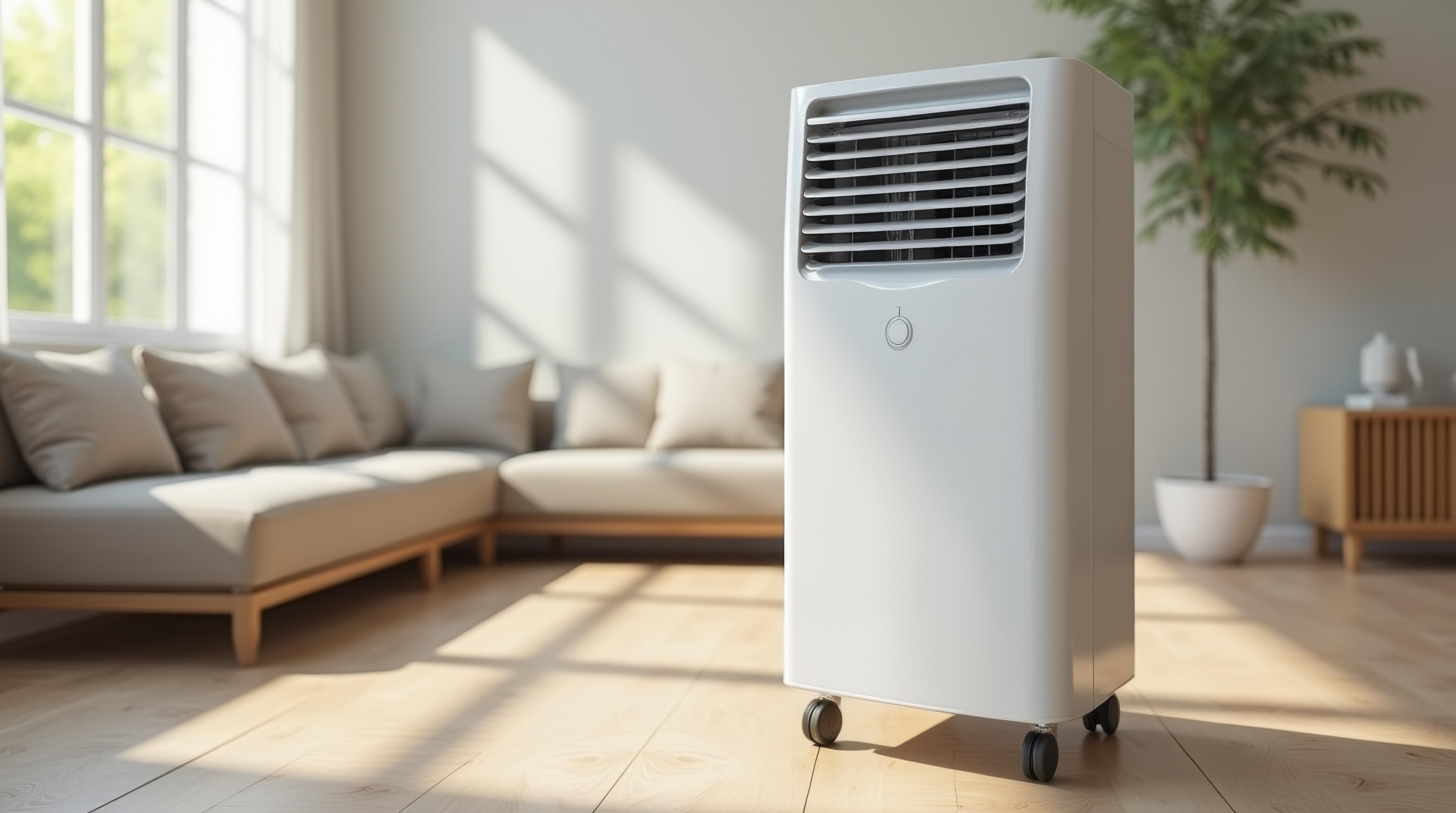
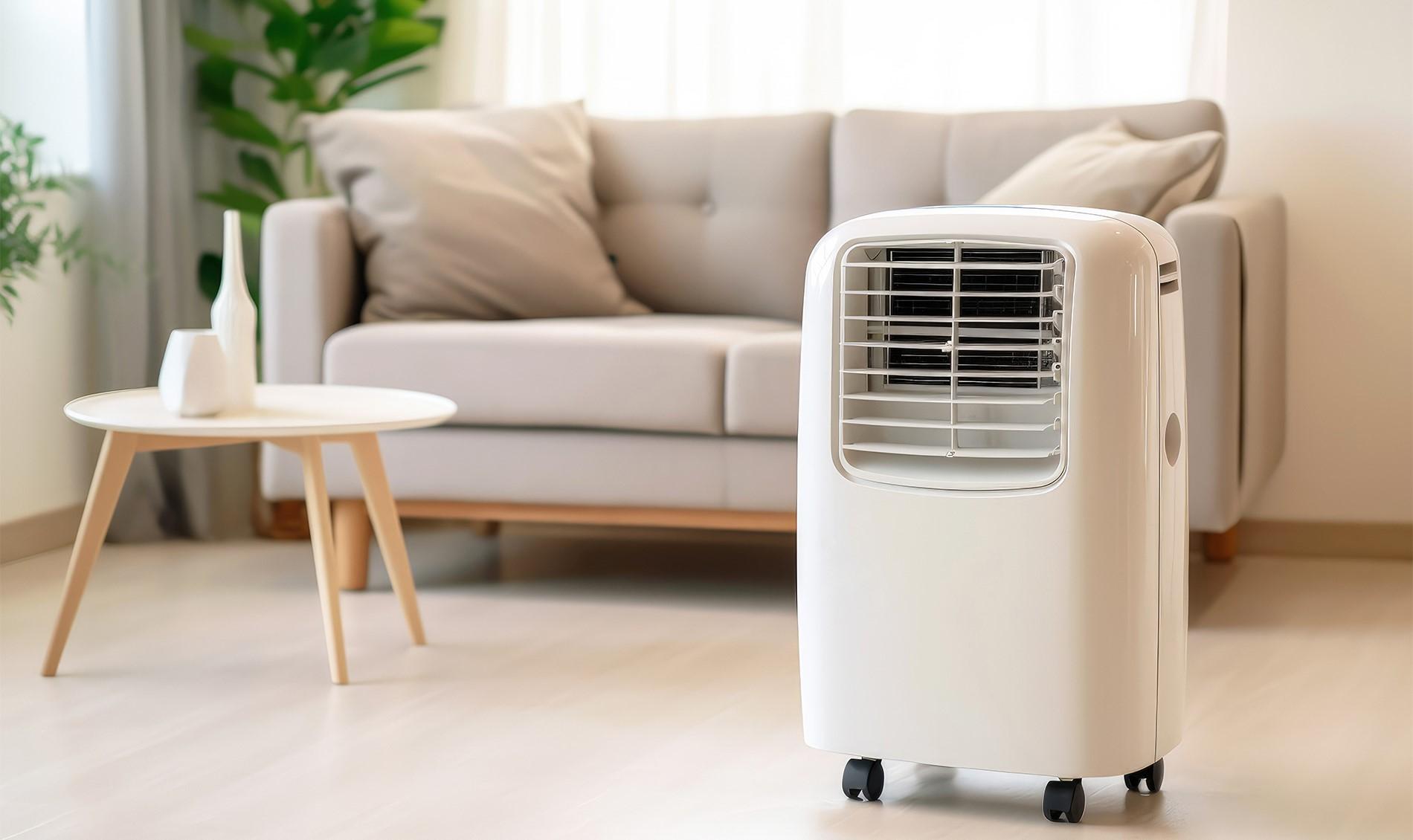
Portable units are especially convenient. They’re flexible, easy to move, and don’t require installation. So, whether you want cool air in your bedroom, living room, or anywhere else in the house, just wheel it in and switch it on. The nice thing about portable air conditioners is that all the parts are contained in one neat, movable unit. There’s no complicated setup, and no outdoor work to do.
Why air conditioning makes a difference

Air conditioning is a great way to beat the heat, but they do much more than you might think. Here are some key benefits:
Temperature control. The obvious one. They keep indoor spaces cooler during hot weather.
Humidity reduction. Air conditioning units remove moisture from the air, reducing humidity. This helps prevent mold growth and makes things feel less uncomfortable and sticky.
Air filtration. Most modern AC systems have filters that trap dust, pollen, and other allergens, improving indoor air quality.
Better sleep. Cooler, less humid air can improve sleep quality - especially during heatwaves.
Protects electronics and furniture. Lower humidity and stable temperatures can help prevent damage to electronics. They can also reduce warping or cracking in wooden furniture.
Health benefits. As well as reducing the risk of heat-related illnesses like heat exhaustion, air conditioning can help people with respiratory issues by filtering pollutants and allergens.
How air conditioning keeps you cool
How exactly does air con make a room cooler? The process happening inside is simpler than you might think, with clever engineering that moves heat out of your room to make it feel comfortable.
All air conditioners, from big built-in systems to small portable ones, use the same principle called the vapour-compression cycle. Here’s how it works.
Your air conditioner doesn’t make cold air. Instead, it takes heat out of warm air. Inside the unit, there’s a special liquid called a refrigerant that absorbs heat from the air in your room, carries it through the system, and releases that heat outdoors (most portable air conditioners have a hose attachment that allows you to do this) This gives you a cooler, drier, and more comfortable space.
How the four-part cooling cycle works
Every portable air conditioner goes through four main stages to do its job. Here’s what happens step by step.
Evaporator coil – soaking up the heat. The unit pulls warm air from your room and passes it over a cold metal coil called the evaporator. Inside that coil is the refrigerant in its liquid form. As the warm air hits, the refrigerant absorbs the heat and turns into a gas. The air that’s sent back out into the room is now much cooler.
Compressor - putting the pressure on. Next, the refrigerant gas travels to the compressor. This acts like a pump, pressurising the gas so it can release the heat it’s holding.
Condenser coil - releasing the heat outside. The hot, pressurised gas moves through the condenser coil, and a fan then helps push the heat outside through the exhaust hose.
Expansion valve - ready to start again. Finally, the refrigerant gas passes through an expansion valve, which reduces its temperature and turns it into a cool liquid once more. Then the cycle repeats, quietly working away until your room reaches your chosen temperature.
What are the benefits of dehumidifier mode?

When air is humid, it can feel warmer and stickier than it really is. Even if the temperature’s not that high, it can still feel warm and uncomfortable. Portable air conditioners help by taking some of that moisture out of the air as they cool, but the dehumidifier mode really gets the job done.
Most decent portable air conditioners have this setting built in, and once you’ve used it, you’ll see what a difference it makes. It quietly pulls the extra humidity out of the room, so the air feels fresher and easier to breathe. It’s perfect for bedrooms, home offices, or any space that tends to get a bit warm and clammy.
It’s not just about comfort, either. Less humidity means fewer musty smells, fabrics stay fresher, and your furniture doesn’t soak up that damp feeling. It’s a simple little feature that makes a big difference.
How to make your air conditioners more efficient
Portable air conditioners are designed to start cooling straight out of the box. But a few simple habits can help them work even better:
Keep doors and windows closed. It might sound obvious, but keeping warm air out means your AC doesn’t have to work as hard.
Set up the exhaust hose properly. Make sure it’s fitted securely and as straight as possible so hot air escapes quickly.
Clean the air filter regularly. Dust build-up can block airflow and make the unit less efficient. Most filters just need a quick rinse every couple of weeks.
Use smart features. A lot of models come with handy features like Wi-Fi control, timers, or eco modes. Setting a timer or using sleep mode can help you stay cool without wasting energy.
Check the energy rating. Look for A or A+ ratings. These models use less power to achieve the same cooling effect.
Looking after your air conditioner
Air conditioners don’t need much maintenance, but giving yours a quick bit of attention now and then keeps it ticking along happily. Here are a few simple things worth doing:
Empty the water tank (or check the drainage hose). If your unit collects water, make sure it’s emptied or that the hose isn’t blocked.
Give the vents and exterior a quick wipe. Dust and fluff love to settle in those little nooks, so a damp cloth now and then keeps things working.
Store it somewhere dry and safe. When you pack it away, pick a spot where it won’t get knocked about or damp. Garages and cupboards both do the job nicely.
Take a peek at the filters. If your model has removable filters, a quick clean or replacement keeps the air flowing freely.
Need more help?
Here’s a round-up of the best cooling fans and air conditioners of 2025.
If you’re not sure which portable air conditioner is right for your home, check out our fan, heating and air treatment buying guide. If you’ve got more heating and cooling questions just pop into your local Currys store. Our in-store experts can help you find the model that’s best for your home.