

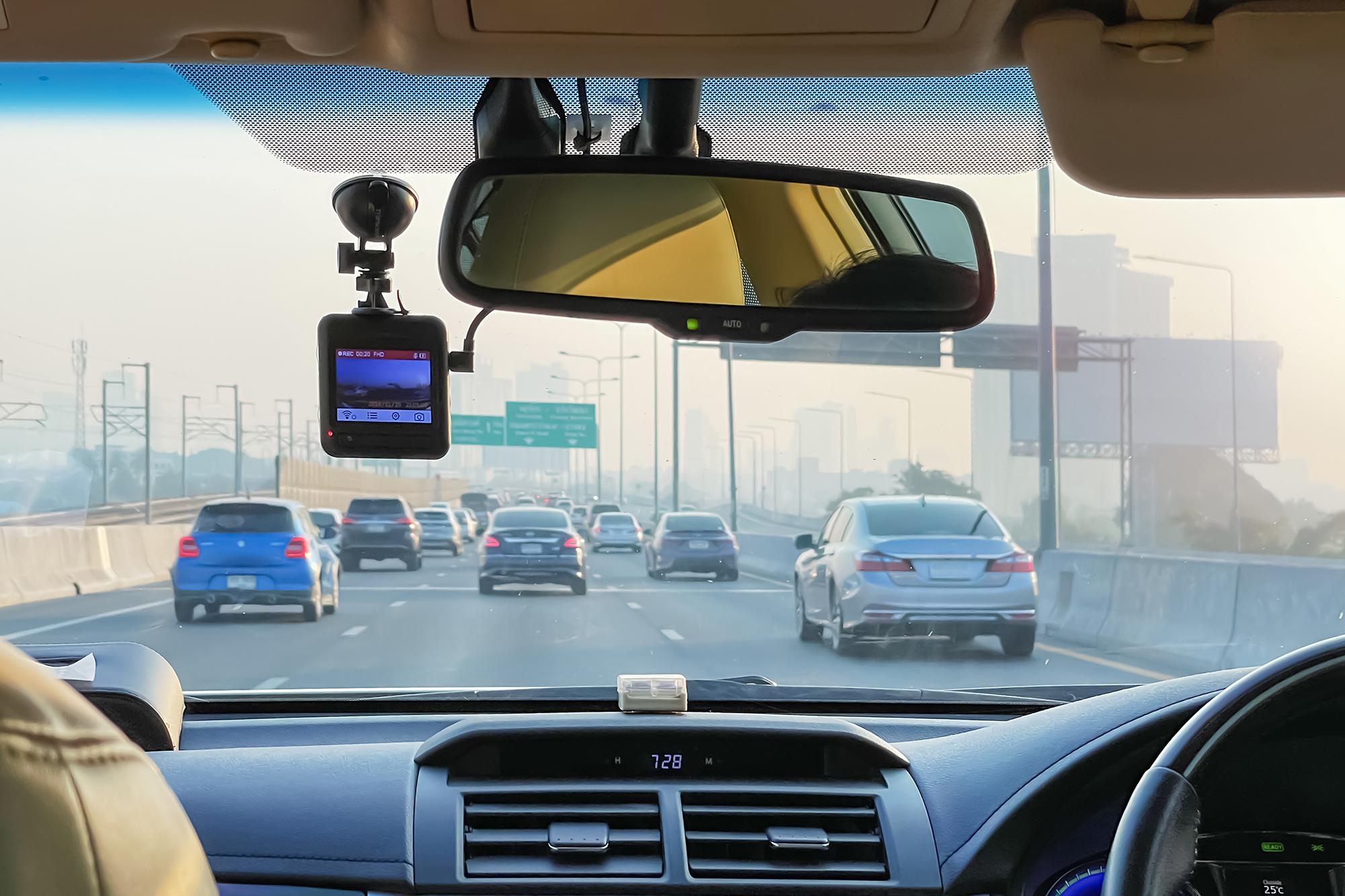
Dash cams are quickly becoming a must-have for UK drivers. According to a recent report by car.co.uk, “around 128,000 to 133,000 total road accidents are recorded on UK roads each year”. Those accidents might not be your fault either. Which is where a good dash cam comes in. Whether you’re proving to your insurance company what really happened in a crash or want to keep an eye on your car when it’s parked, you won’t have to worry when you get in (or leave) the car.
When you start shopping around though, there’s a choice to make. Should you go for a front-only dash cam or a front and rear setup? Both have their perks. The right option really depends on how and where you drive.
What is a front-only dash cam?
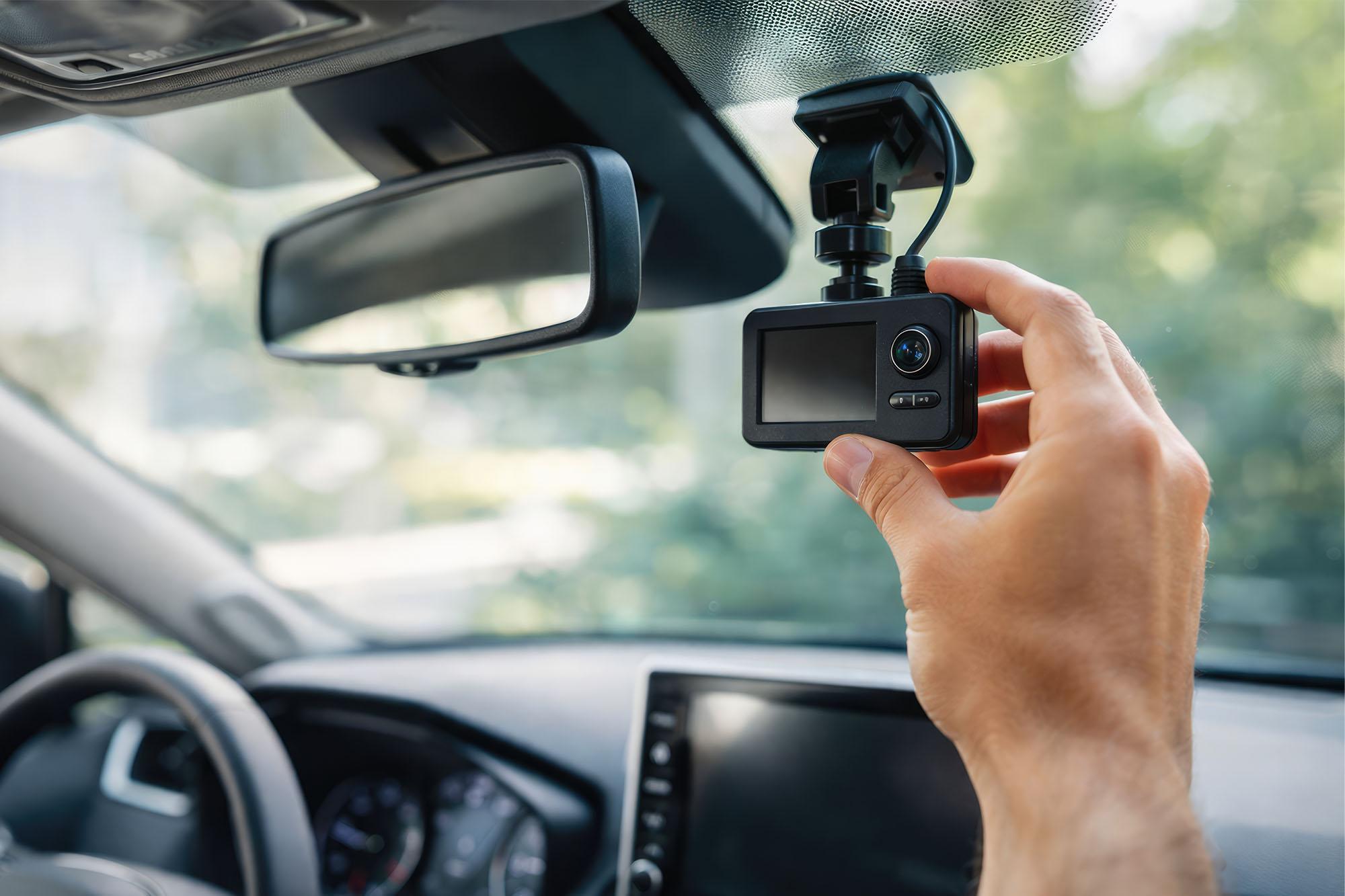
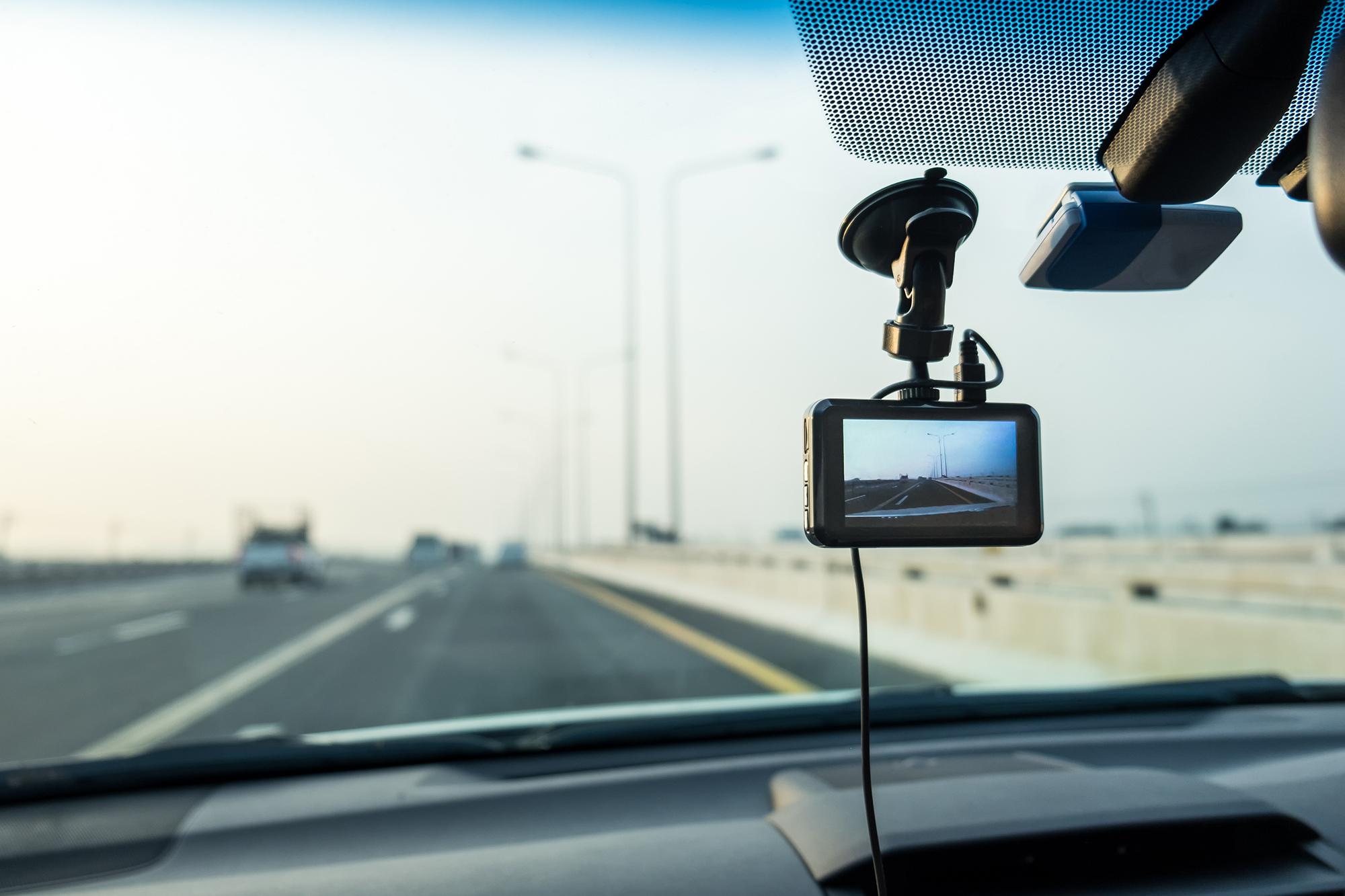
A front-only dash cam is the simplest kind you can buy. It’s a single camera that mounts to the inside of your front windscreen and records everything that’s happening ahead of your car. That could be dangerous driving, like sudden braking or lane changes. Or a full-on accident between you and another car.
Most models out there are small and discreet. Once they’re fitted, they automatically start recording whenever you turn the engine on. They usually come with a few standard features:
Loop recording – Continuously records and overwrites old footage when the storage fills up.
G-sensor – Detects sudden impacts and locks important clips so they aren’t deleted.
Parking mode (on some models) – Records if your car is bumped when it’s parked.
Who is it best for?
Front-only dash cams are a great fit if you:
Drive mainly in towns or cities.
Want a simple, fuss-free setup.
Are shopping on a tighter budget.
Prefer something discreet that’s quick to install.
Limitations to keep in mind
The biggest downside is coverage. A front-only camera won’t capture:
Rear-end collisions.
Tailgating incidents.
Damage caused to the back of your car when it’s parked.
So, while it covers a lot, it doesn’t tell the whole story in every situation.

Buying tip #1 - Go for a cam that's full HD or higher. Clearer footage makes it easier to read number plates.
What is a front & rear dash cam?
A front and rear dash cam – sometimes called a dual dash cam – uses two cameras. One faces forwards, while the other points out the back of your car.
The front camera works just like a standard dash camera. The rear camera is then mounted on the inside of your back window. Both are connected by a cable that runs through the inside of your car.
What extra coverage do you get?
With a dual setup, you’ll be able to record…
The road ahead.
The area behind your car.
Rear-end shunts and tailgaters.
Parking knocks from vehicles behind you.
With more visibility, you’ll be covered from almost every angle in busy traffic or when you’re parking on the street.
Are they harder to install?
They do take a bit more effort to get up and running but taking that extra time is worth it. You’ll need to:
Mount both cameras.
Run a cable from the front to the back of the car.
Tuck any wiring neatly along trim or panels.
It’s still a very manageable mini-DIY job. It’s just a bit more involved than a single camera setup.
Who benefits the most?
Front and rear dash cams are ideal if you:
Drive long distances or regularly hit the motorway.
Park on public streets overnight.
Want full coverage and extra reassurance.
Have a family car – or just splashed out on an expensive new vehicle.
Basically, they’re for drivers looking for as much protection as possible.

Buying tip #2 - Check the field of view it captures. Wider angles pick up more of the road (aim for 140°+).
Front vs front & rear dash cams
Here’s a quick side-by-side comparison to make things clear:
| Feature | Front-Only Dash Cam | Front & Rear Dash Cam |
|---|---|---|
| Cameras | One front-facing camera | Front and rear cameras |
| Coverage | Road ahead only | Front and rear view |
| Installation | Quick and simple windscreen mounting | More complex (extra rear cable wiring) |
| Price | Lower | Higher |
| Parking protection | Front impacts only | Front and rear impacts |
| Best for | Commuters, city drivers, those on a budget | Families, motorway drivers, street parking |
Which dash cam setup is best for your driving needs?
Still not sure? Have a look at how and where you’re driving most and go from there…
Daily commuting and city driving
For long spells in traffic or short trips around town, a front-only dash cam will do the job. It’ll pick up the most common incidents – like side swipes and sudden stops.
Motorway driving and long journeys
Motorways bring higher speeds and more risk from behind you. If someone crashes into you from the rear, a front-only camera won’t show what happened. That’s where a dual dash cam really shines.
Street parking and overnight parking
If you leave your car on the street a lot, having a rear camera too can be a big plus. Parking bumps often come from the back, and having proper footage will make any insurance claims much easier.
New drivers vs experienced drivers
New drivers – A front-only camera will keep things simple while you build your confidence.
Experienced drivers – You might want dual cameras for full protection, especially if you spend lots of time behind the wheel.
Buying tip #3 - Look out for night vision modes. It makes a big difference on dark, winter journeys.
Price, installation and ongoing use
Price
Front-only dash cams are usually the cheaper option. Dual systems cost more because you’re getting two cameras and all that extra tech. That said though, prices will vary a lot depending on the features that are built in. Extra bells and whistles like HD recording and Wi-Fi connectivity usually set you back a couple more quid.
Installation
Front-only – Attach it to the windscreen, plug it in and you’re ready to hit the road.
Front and rear – You’ll have to route a cable to the back of your car.
Parking mode and hardwiring
If you want your dash cam to record while you’re parked up, you’ll usually need a hardwire kit. This connects the camera straight to your car’s power supply. Both front-only and dual setups can support a parking mode, it’ll just depend on the exact model you’ve got.
Ongoing maintenance
Whichever one you pick, there’ll be a little bit of upkeep involved:
SD cards – Need occasional formatting or upgrading if you run out of room.
Firmware updates – Improve the performance of the cam and fix bugs.
Cleaning lenses – This’ll help to keep any footage you record clear. If it’s blurry, it won’t be much use.

Buying tip #4 - With Wi-Fi connectivity, you can transfer clips straight to your phone in seconds.
FAQs
Is a front-only dash cam enough for UK driving?
For a lot of drivers, yes. It’ll cover the most regular road accidents, especially in city traffic. But it won’t get footage of any rear-end collisions which happen a lot on UK roads.
Are front and rear dash cams worth the extra cost?
If you want full, clearer evidence in more situations, they’re definitely worth it. They’re particularly handy for tight street parking and motorway driving where bumps and scrapes are more common.
Do rear dash cams record all the time?
Yes. When they’re connected, they’ll record at the same time as the front camera. If you’ve got parking mode switched on, they can also keep rolling while the car is off.
Can I add a rear camera later?
Some models will let you upgrade later on, but a lot of front-only dash cams are standalone gadgets. Check before you buy.
Do dual dash cams affect car battery life?
When they’re used while driving, no. If you use parking mode a lot, a hardwire kit with voltage protection will help to stop the battery from draining.
Are front and rear dash cams legal in the UK?
Yes, dash cams are legal in the UK. Just make sure they’re mounted safely and don’t block your view of the road.
Need more advice?
Once you’ve picked your dash cam, you’ll need to fit it. We’ve discussed how to install a dash cam quickly and easily. But if you’re still weighing up your options, we’ve got you covered. Check out the best dash cams for UK drivers in 2026 right here.