
IPL, laser or epilator?
Four main devices handle ladies' hair removal at home. Here's how they differ, and what each one is actually best for.
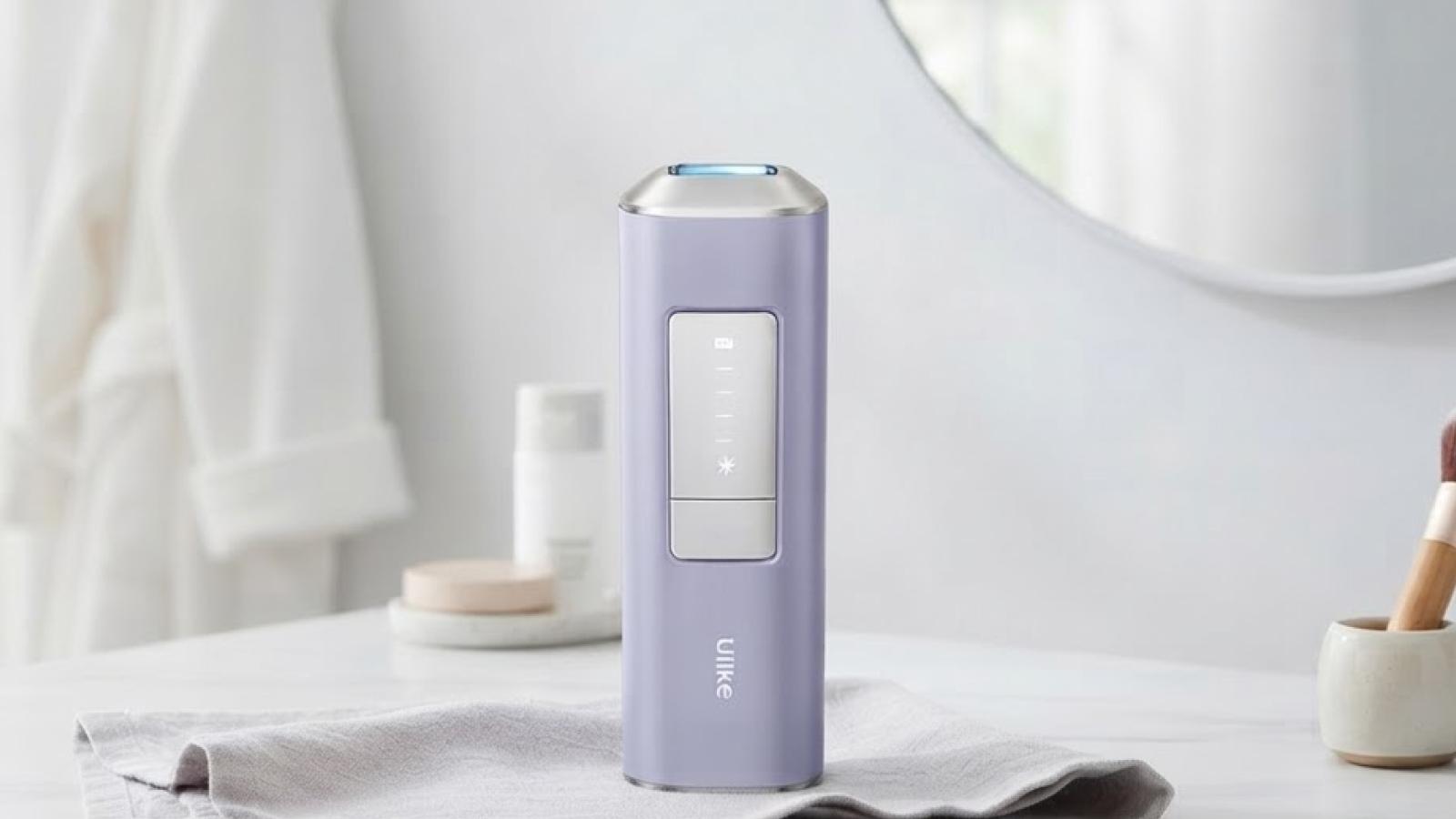
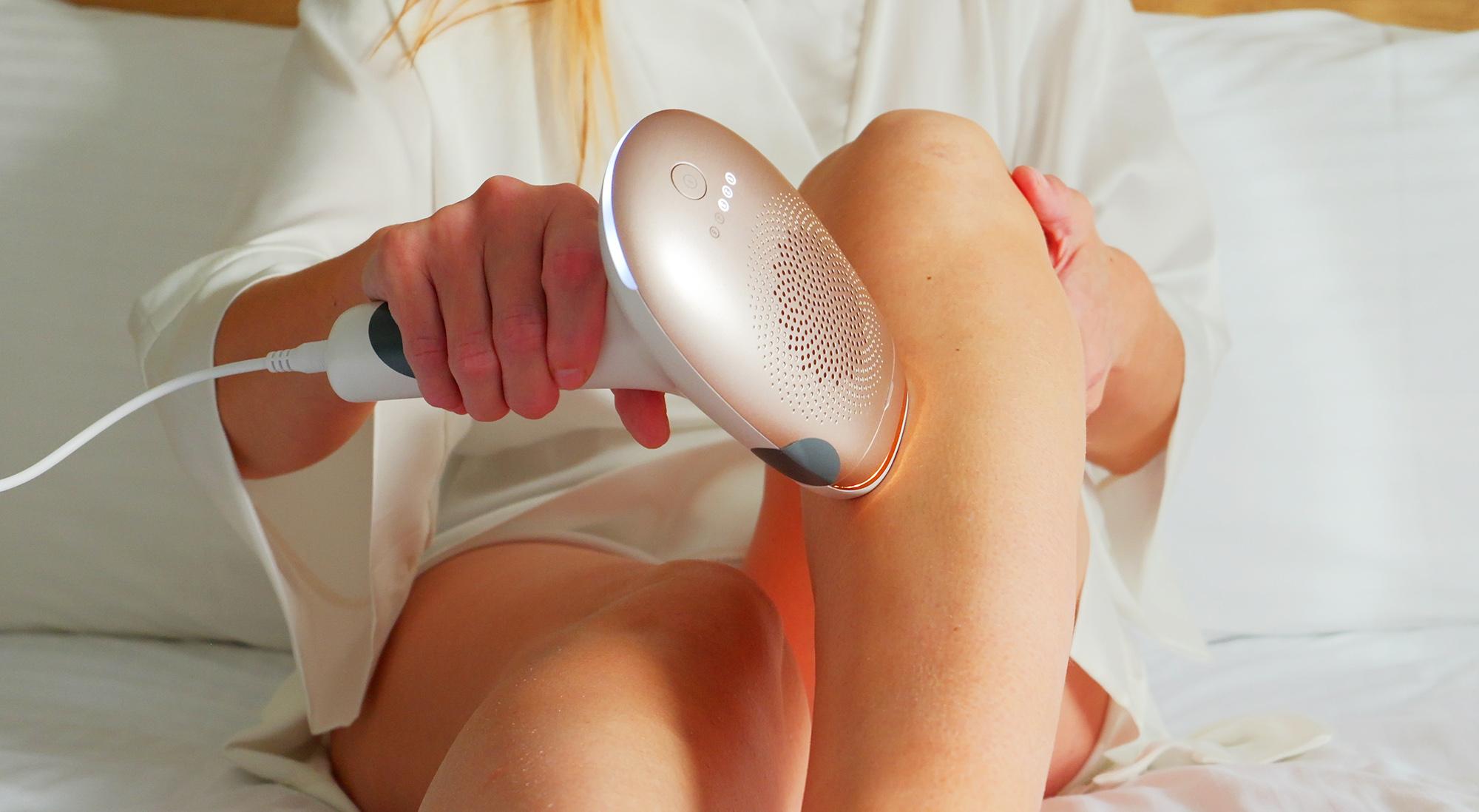
IPL uses pulses of light to heat hair follicles and disrupt the hair growth cycle, leading to a significant reduction in regrowth over time. With regular use, most people see noticeably less hair returning after 8–12 weeks.
Larger areas such as legs, underarms, bikini line and arms – particularly if you have dark hair and fair to medium skin tones. Particularly appealing if you're tired of shaving regularly and want to spend less time managing regrowth.
Not effective on white, grey, red or very light blonde hair. Not suitable for all skin tones, recently tanned skin or use during pregnancy. Consistent treatment is essential for results.
Shop IPL hair removal →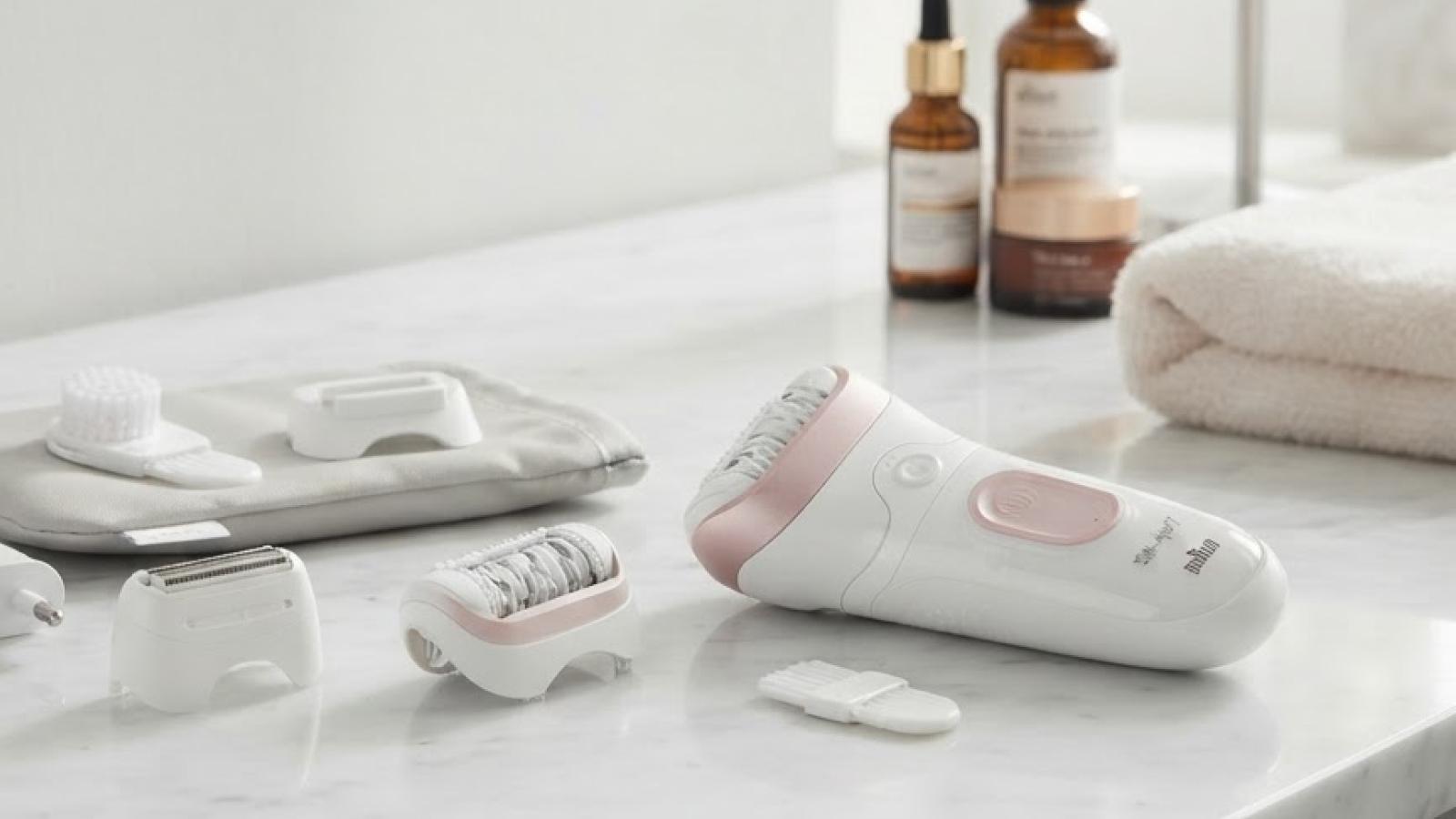
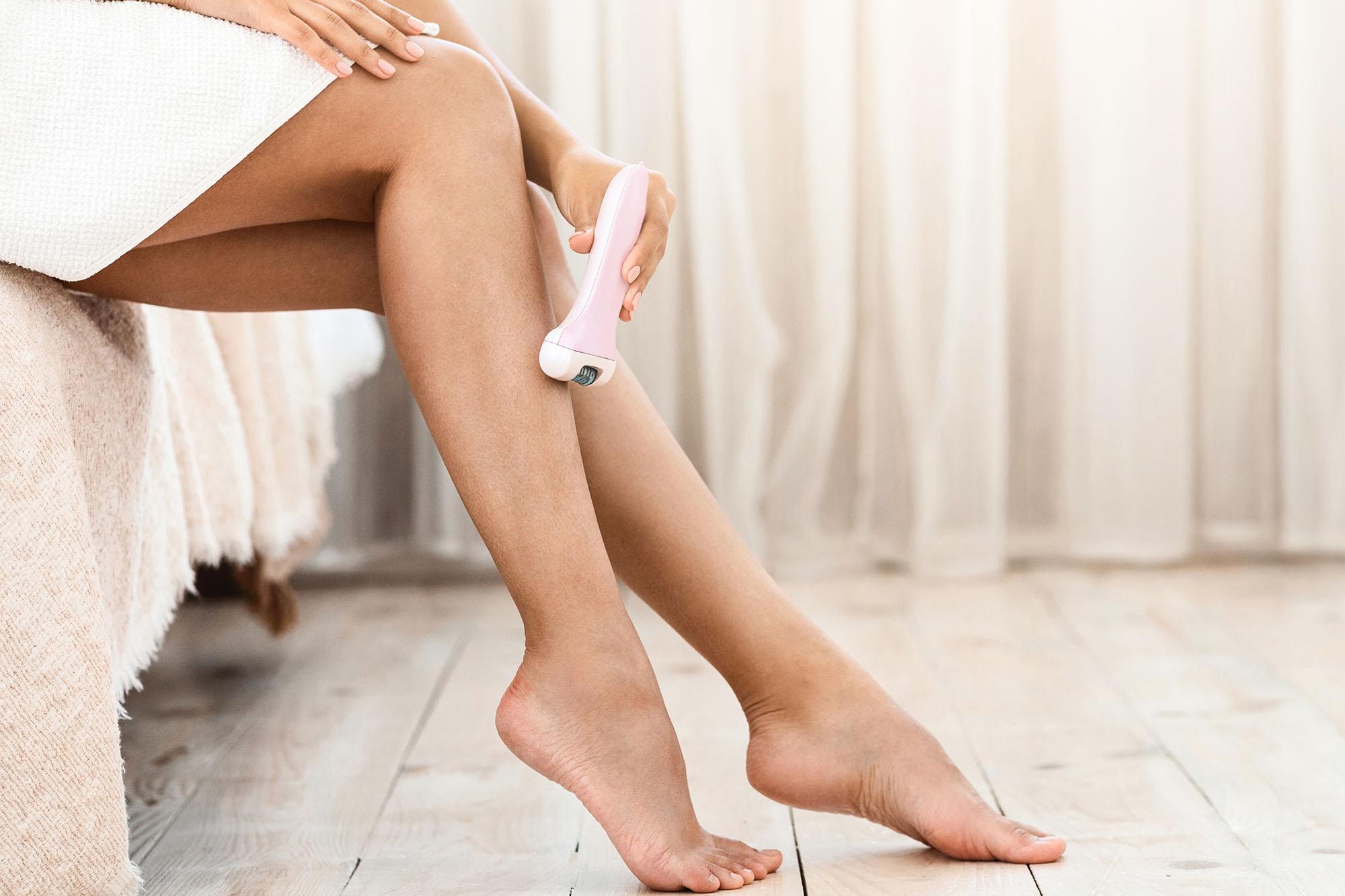
An epilator removes hair from the root using rotating tweezers, providing longer-lasting smoothness than shaving. Results are similar to waxing, but without waiting for significant regrowth.
Legs, arms and body maintenance, especially if you want weeks of smooth skin without booking waxing appointments.
Can be uncomfortable, particularly on sensitive areas and during early uses. Temporary redness and ingrown hairs can occur, and regrowth typically returns within 2–4 weeks.
Shop epilators →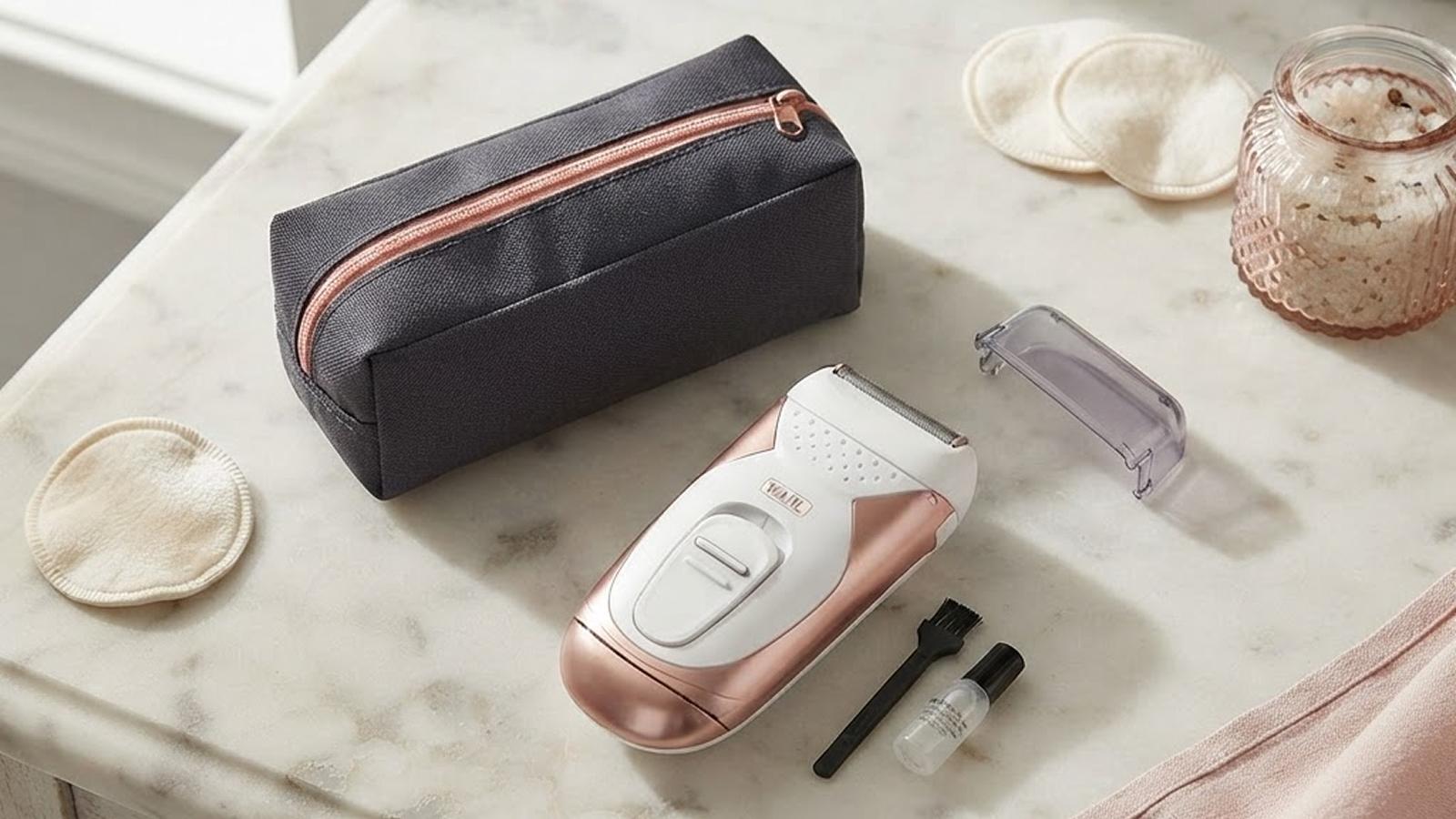
An electric shaver cuts hair at skin level for fast, convenient hair removal. Results are immediate, making it an easy option for regular grooming and maintenance.
Quick, pain-free hair removal on legs, underarms and the body. Especially for those with sensitive skin or limited time.
Hair is not removed from the root, so regrowth typically appears within a few days. Results are less long-lasting than epilation or IPL.
Shop ladies' shavers →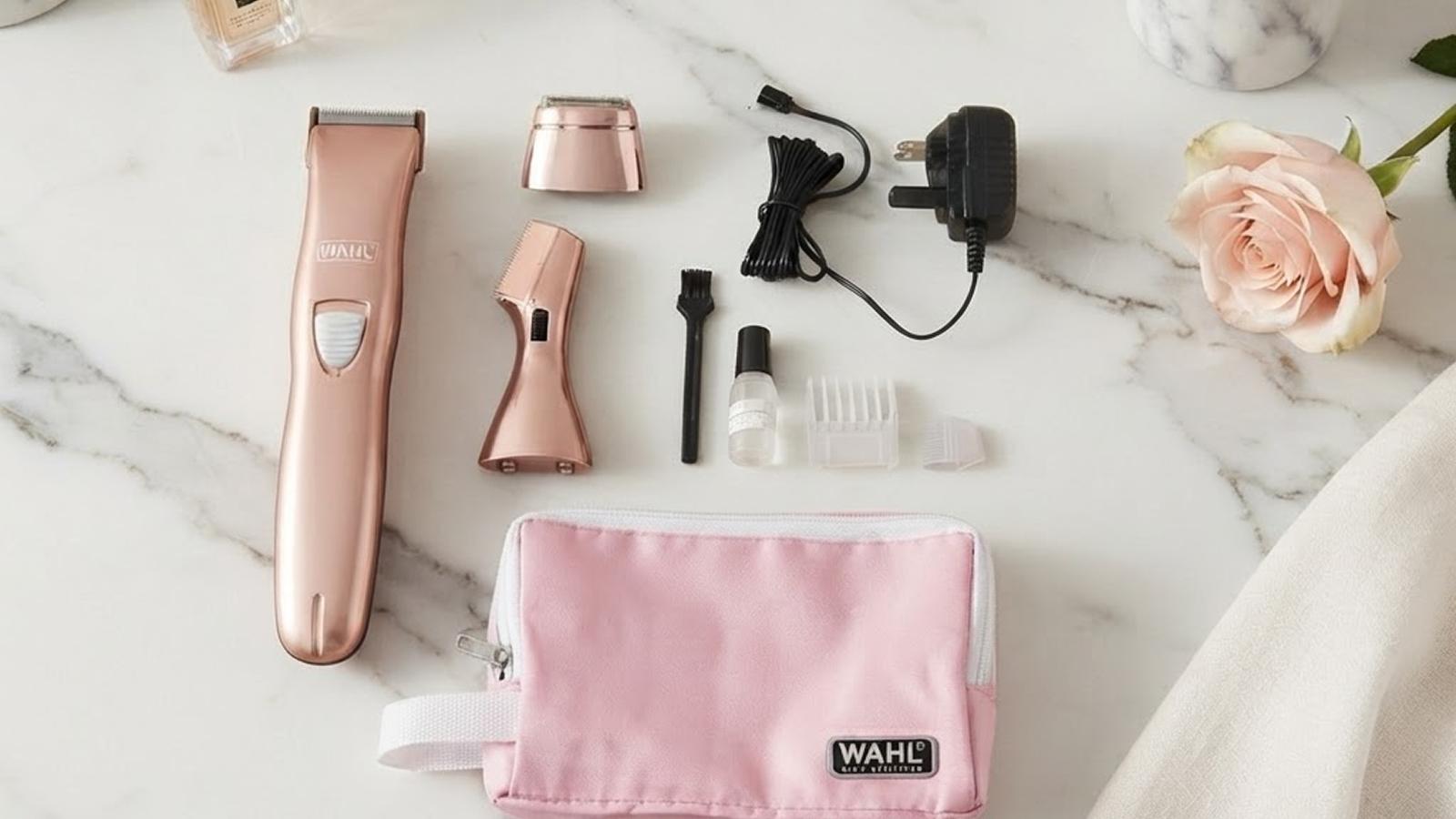
A trimmer cuts hair to a chosen length rather than removing it completely. It's designed for shaping, tidying and managing hair growth across the face and body.
Managing hair rather than removing it completely. Ideal for shaping eyebrows, maintaining a bikini line or tidying facial hair.
Does not remove hair at the root or skin level, so visible regrowth appears quickly. Not suitable for those looking for the smooth finish offered by shaving, epilation or IPL.
Shop trimmers →

"At home hair removal can be incredibly effective. If you are opting for IPL make sure that you do your research and that the device is compatible with your skin and hair tone. Also remember that you need to shave before you use it. Waxing or epilating won't work as you're removing the root and IPL needs the hair follicle to work effectively.
Ensure that you follow the instructions and commit to regular use. Usually this will involve initial weekly treatments and then monthly maintenance ones.
With all hair removal it is important to look after your skin. Keep it moisturised and use a gentle exfoliant in between treatments. I often recommend hybrid moisturiser/chemical exfoliants"
How to choose the right ladies' hair removal device
The best ladies' hair removal device depends on the result you want, your skin and hair type and how much time you're willing to commit to ongoing treatments. Start with your end goal and you'll narrow the options down quickly.
| Goal | Best device type | Why |
|---|---|---|
| Long-term reduction in hair regrowth | IPL device | Targets the hair follicle to disrupt the growth cycle, with results lasting months or longer when used consistently |
| Smooth skin lasting 2–4 weeks | Epilator | Removes hair from the root, delivering results similar to waxing at home |
| Quick, pain-free maintenance | Ladies' electric shaver | Cuts hair at skin level for immediate results without discomfort |
| Trim and manage hair length | Trimmer | Maintains hair at a chosen length without full removal |
| Smooth skin before a holiday or event | Epilator or IPL (planned ahead) | Epilators provide immediate smoothness, while IPL requires several weeks of treatment |
| Facial hair removal | Dedicated facial epilator or facial trimmer | Designed specifically for delicate facial areas where body devices may not be suitable |
Electric shaver or trimmer, used whenever needed
Epilator, typically used every 2–4 weeks
IPL, with regular sessions over 8–12 weeks followed by occasional top-ups
If you want the longest-lasting results, IPL requires the biggest upfront commitment. A mid-range IPL used consistently will usually give you better results than a premium device that's only used occasionally.
Electric shaver or trimmer
IPL, which is often described as a mild snapping sensation
Epilator, especially when used regularly or in warm water
"If your skin feels irritated or slightly sore after the initial sessions, then I recommend aloe vera gel (which you can keep in the fridge) to cool and soothe the area."
IPL suitability depends heavily on the contrast between your skin tone and hair colour. See our full guide to which hair colours work best with IPL.
| Profile | IPL Suitable? | Best alternative |
|---|---|---|
| Fair skin, dark hair | Yes – ideal combination | Epilator also works well |
| Medium skin, dark hair | Yes | Epilator |
| Olive skin, dark hair | Usually yes | Epilator |
| Dark skin (Fitzpatrick V) | Check the manufacturer's skin tone guide | Epilator or shaver |
| Very dark skin (Fitzpatrick VI) | Most at-home IPL devices are unsuitable | Epilator or shaver |
| Fair skin, blonde hair | Limited effectiveness | Epilator or shaver |
| White, grey or red hair | Not effective | Epilator or shaver |
 Important: Always check the device's compatibility guide before buying. Compatibility is the biggest predictor of IPL success.
Immediate
Shavers and trimmers provide instant grooming. Epilators deliver smooth skin from the root after the first use.
Around 4 weeks of IPL use
Hair may begin growing back more slowly and appear finer
Around 8–12 weeks of IPL use
Noticeably reduced regrowth across treated areas
Long term
IPL can provide prolonged hair reduction, although occasional maintenance sessions are usually required
Before you start:
- IPL is not suitable for all hair colours and skin tones.
- Epilator results often improve after the first few sessions as hair growth cycles become more synchronised.
- No at-home device can match the speed or intensity of professional laser treatment, but they're significantly more affordable and practical for ongoing use.
- When using IPL, you need to shave the desired area prior to starting the treatment. This includes the face.
IPL is the best choice for long-term hair reduction if your hair and skin type are compatible and you're happy to commit to regular use. Epilators offer longer-lasting smoothness than shaving, while electric shavers and trimmers are ideal for fast, convenient maintenance with minimal effort.
The right option depends less on price and more on your hair type, your routine and how much maintenance you're willing to do.
Is it worth it?
Yes, an at-home hair removal device is worth it when it matches your hair type, skin tone and willingness to use it consistently. The right device used regularly will usually outperform a more expensive device that sits in a drawer.
 When it is worth it
- You have dark hair and fair to medium skin, making you a strong candidate for effective IPL results at a much lower cost per treatment than salon alternatives.
- You currently pay for regular waxing or laser appointments, as an at-home device can often pay for itself within a few months.
- You are prepared to follow the recommended IPL treatment schedule, typically 8–12 weekly sessions before assessing results.
- You shave or epilate frequently and want to replace ongoing razor, wax, or salon expenses with a one-time investment.
 When it may not be worth it
- Your hair is blonde, grey, white, or red, as IPL is generally ineffective on these hair colours and may not deliver the results you expect.
- You expect permanent hair removal from an at-home device. IPL provides long-term hair reduction, not permanent clinical results, and maintenance sessions are required.
- You are unlikely to use the device consistently. Occasional treatments generally produce minimal hair reduction.
- You want a completely pain-free experience but dislike the sensation of epilating. In this case, an electric shaver may be a better option.
What determines value: Hair and skin compatibility (particularly for IPL), frequency of use, and realistic expectations about what at-home devices can and cannot achieve compared with professional treatments.What to consider before you buy
Choosing the right hair removal method depends on more than just the results. From your skin and hair type to your budget and the area you're treating, there are a few key factors worth considering before deciding which option is right for you.
Skin and hair compatibility
Some hair removal methods work better on certain skin tones and hair types than others. For example, laser hair removal is typically most effective on dark hair because the laser targets pigment in the follicle, while lighter blonde, red or grey hairs can be more difficult to treat. If you have sensitive skin, it's also worth considering how your skin reacts to shaving, waxing or hair removal creams, as some methods may be more likely to cause irritation, redness or ingrown hairs.
Discomfort level
Every hair removal option comes with some level of discomfort. Shaving is generally painless but can lead to nicks or razor burn. Waxing removes hair from the root and can be more uncomfortable, especially in sensitive areas. Treatments like laser hair removal are often described as feeling like a quick snapping sensation against the skin.
Cost over time
The cheapest option upfront isn't always the most cost-effective in the long run. Shaving products and depilatory creams can seem affordable initially, but the costs add up over years of regular maintenance. Treatments such as waxing require ongoing appointments, while laser hair removal involves a larger initial investment but may reduce the need for regular hair removal over time.
Which area you're treating
The area of the body you're treating can play a big role in choosing the right hair removal method. Smaller areas, such as the upper lip or underarms, may be quick and easy to manage with a range of treatments. Larger areas like the legs can require more time and effort. Sensitive areas, including the bikini line, may benefit from methods designed to minimise irritation and help maintain comfort throughout the hair removal process.
Common mistakes
The biggest hair removal mistakes happen before treatment even begins. Choosing the wrong device, using it incorrectly or expecting unrealistic results can all lead to disappointment. Here's what to watch out for.
Bottom line: Most disappointing hair removal experiences are caused by picking the wrong device selection, inconsistent use or unrealistic expectations. Match the device to your hair type, skin tone and goals. Then follow the recommended treatment schedule for the best results.
Ladies hair removal glossary
An epilator is an electric hair removal device that uses multiple miniature tweezers to remove hair from the root as it moves across the skin. Results typically last between two and four weeks, making epilation a longer-lasting alternative to shaving.
Shop epilatorsThe Fitzpatrick Scale is a classification system that groups skin tones from Type I (very fair) to Type VI (darkest brown or black). IPL manufacturers use it to show which skin tones their devices are suitable for, so it's worth checking before you buy.
Flash count is the total number of light pulses an IPL device can deliver during its lifetime. A higher flash count usually means a longer-lasting device, which is especially important if you plan to treat larger areas regularly.
The hair growth cycle is the natural process that moves hair through its active growth, transition and resting phases. IPL can only target hairs in the active growth phase, which is why multiple treatment sessions are needed to achieve the best results.
An ingrown hair is a hair that grows back into the skin instead of growing out through the follicle, which can cause bumps and irritation. They're most common after shaving and epilating, particularly around the bikini line. Regular exfoliation can help reduce them.
IPL (Intense Pulsed Light) is a hair reduction technology that uses broad-spectrum light pulses to target the melanin in hair follicles and disrupt the hair growth cycle. Most at-home hair removal devices use IPL, so it's important to know that they work differently from professional salon lasers.
Shop IPL hair removalLaser hair removal uses a single, focused wavelength of light to target and damage hair follicles. Professional laser treatments typically deliver faster and longer-lasting results than at-home IPL, but at a much higher cost.
Melanin is the pigment that gives hair its colour and allows IPL and laser devices to target hair follicles. Hair with more melanin usually responds better to IPL. White, grey and very light blonde hair often responds poorly or not at all.
A skin tone sensor measures your skin tone before treatment and adjusts the light intensity accordingly. It helps improve safety and can make IPL easier to use, particularly if you're unsure which setting is right for your skin tone.
Wet and dry means a shaver or epilator can be used both on dry skin and in the bath or shower. Wet use is often more comfortable for first-time epilator users because warm water can help soften the skin and hair.